Bob Dylan
Bob Dylan — an illustrated biography story, set in Global. 10 illustrated pages, free to read on Wonder People.
Page 1
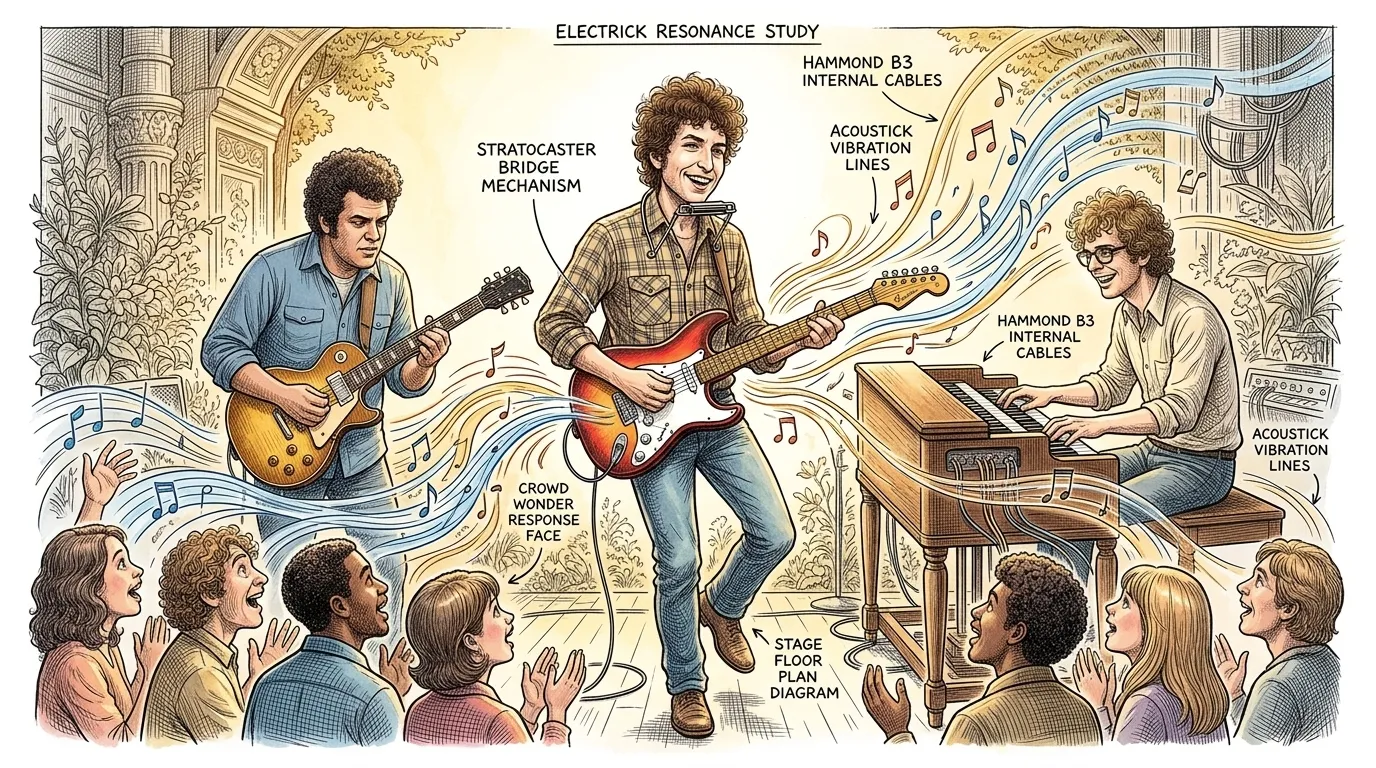
On July 25, 1965, at the Newport Folk Festival in Newport, Rhode Island, Bob Dylan shattered expectations. He walked onto the stage not with an acoustic guitar, but with a sunburst Fender Stratocaster, backed by a blistering electric band including guitarist Mike Bloomfield and organist Al Kooper. The opening chords of 'Maggie's Farm' sent a visceral shockwave through the crowd of 70,000, forever altering the landscape of American folk music and igniting a fierce debate that would echo for decades. In that single, electrifying performance, Dylan declared his artistic independence, refusing to be confined by genre or audience expectation, and cemented his role as a provocateur of profound cultural change.
Biographical Fact: Bob Dylan's electric set at Newport in 1965 became a pivotal moment in music history, marking his bold transition from acoustic folk icon to rock innovator.
Page 2
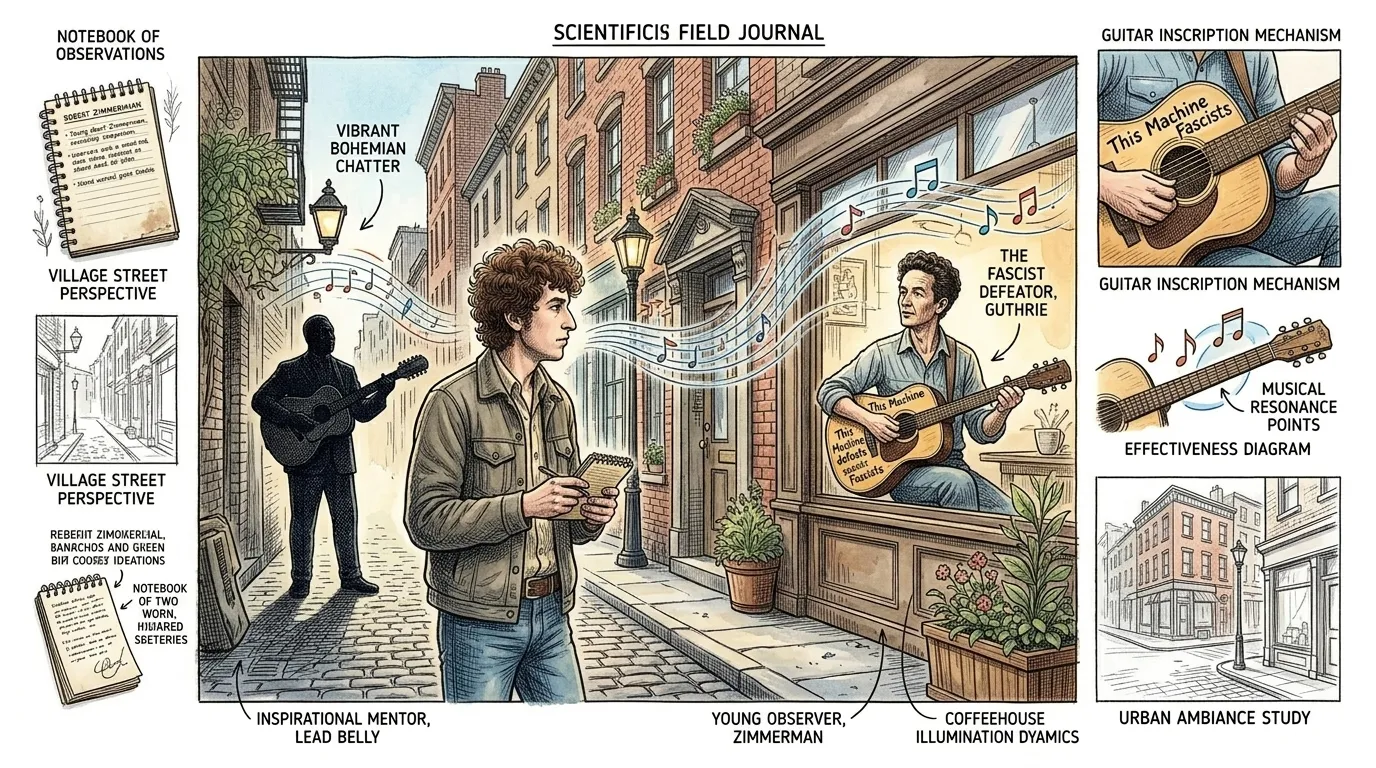
In January 1961, a young Robert Zimmerman arrived in New York City's Greenwich Village, a nascent artist shedding his past. He sought out the pulsing heart of the burgeoning folk music scene, gravitating towards the coffeehouses and clubs where legends were made. Within weeks, he immersed himself in the bohemian culture, adopting the persona of 'Bob Dylan' and absorbing influences from Woody Guthrie to Lead Belly. This new identity, forged in the raw energy of the Village, became the vessel for a voice that would soon resonate far beyond its smoky cafes.
Biographical Fact: Bob Dylan's early days in Greenwich Village were crucial for his artistic development, where he refined his craft and persona amidst a vibrant folk community.
Page 3
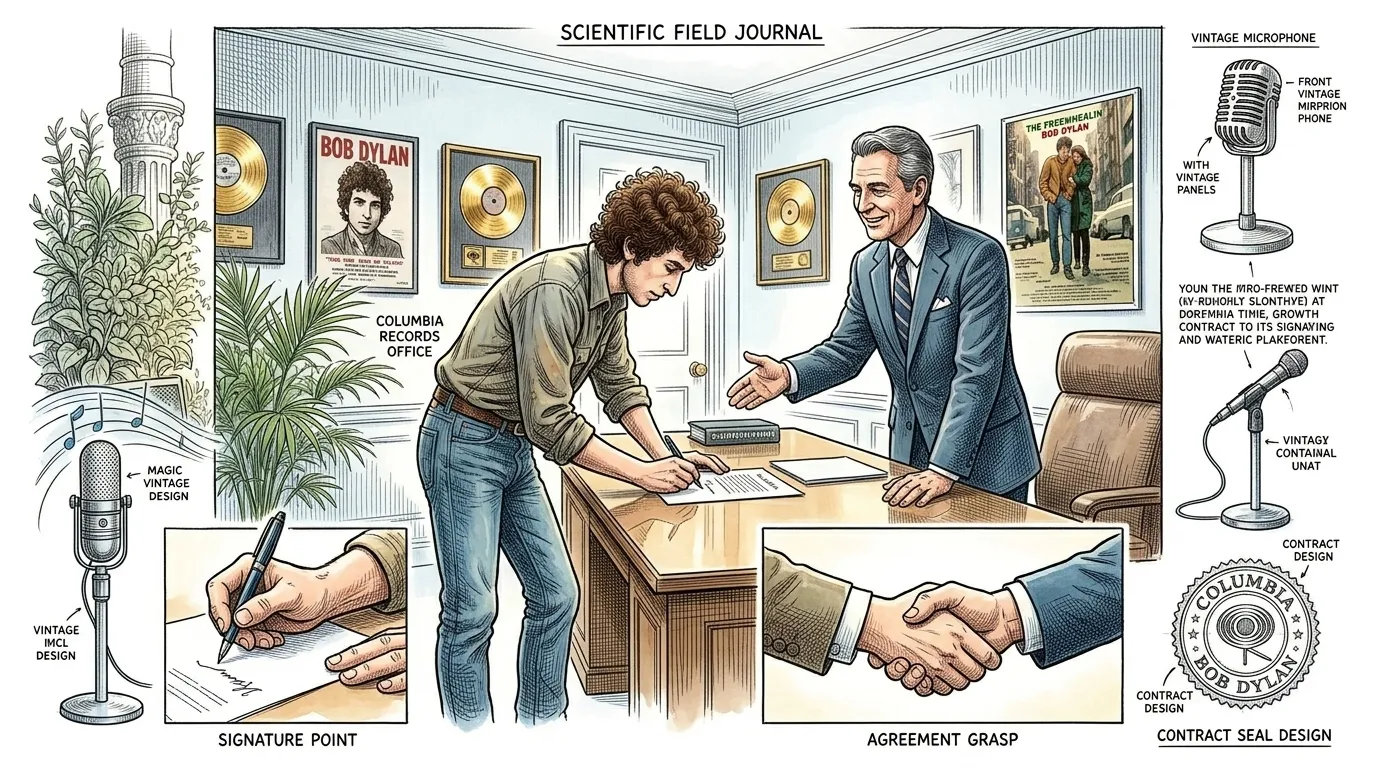
By August 1962, Bob Dylan's raw talent had caught the attention of John Hammond, the legendary A&R executive at Columbia Records. Hammond, convinced of Dylan's singular genius, signed him to a record deal. This pivotal decision launched Dylan from the coffeehouse circuit onto the national stage. His debut album, 'Bob Dylan,' was released in March 1962, followed by 'The Freewheelin' Bob Dylan' in 1963, featuring anthems like 'Blowin' in the Wind.' With each release, his lyrics became the voice of a generation, articulating societal unrest and yearning for change with unprecedented clarity.
Biographical Fact: John Hammond's belief in Bob Dylan led to a landmark record deal, which allowed Dylan's profound songwriting to reach a mass audience and define a burgeoning counterculture.
Page 4

On August 28, 1963, at the March on Washington for Jobs and Freedom, Bob Dylan stood before an estimated 250,000 people at the Lincoln Memorial. Alongside Joan Baez, he performed 'Blowin' in the Wind,' a song that had already become an unofficial anthem for the Civil Rights Movement. His performance was not merely entertainment; it was a profound act of solidarity, his lyrics embodying the hopes and struggles of a nation demanding equality. This moment cemented Dylan's status as a powerful social commentator, his voice amplified by the collective will of a historic movement.
Biographical Fact: Dylan's performance at the March on Washington aligned his music directly with the Civil Rights Movement, making his songs powerful tools for social change and unity.
Page 5
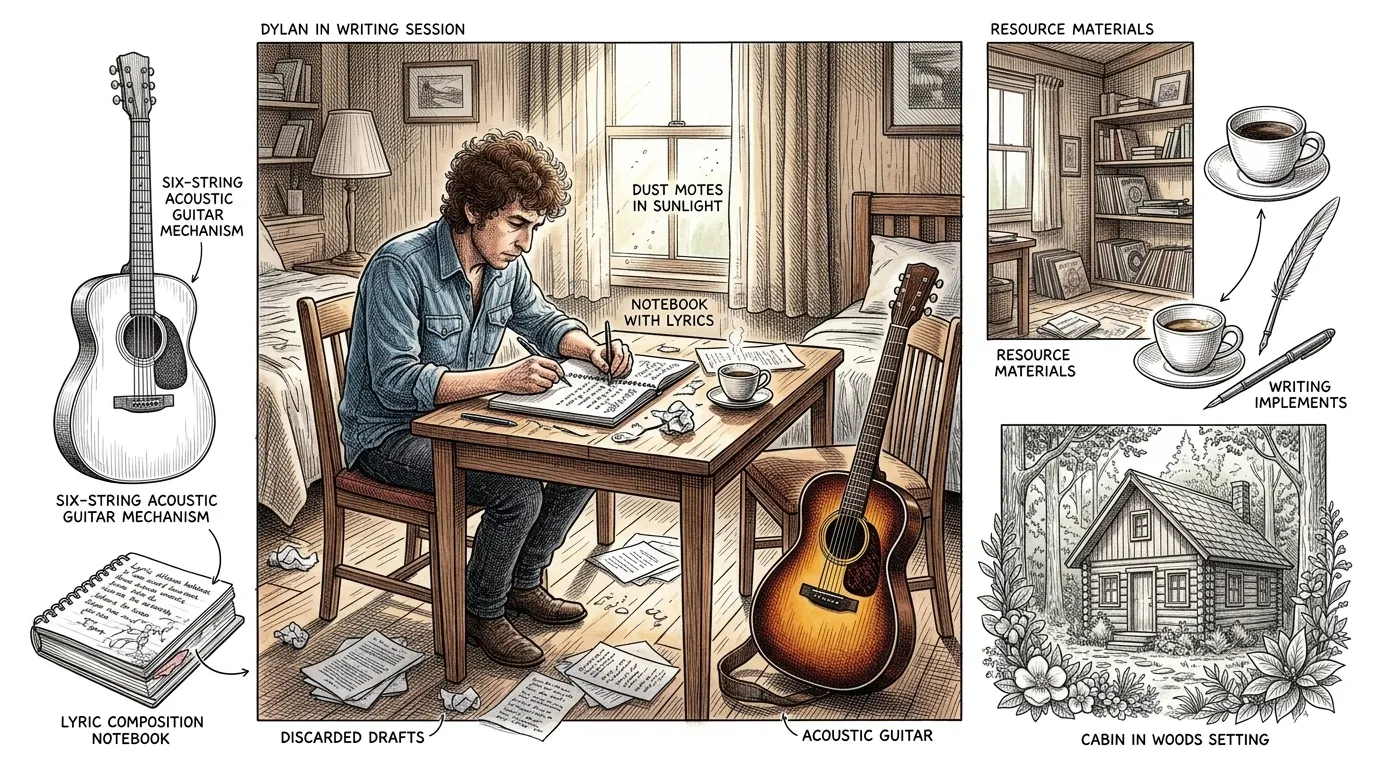
As 1964 drew to a close and 1965 began, Bob Dylan retreated from the overt protest anthems, embarking on a radical artistic shift. In secluded writing sessions, often in hotel rooms or quiet cabins, he pushed beyond conventional folk structures. He experimented with surreal imagery, introspective narratives, and a complex lyrical density that would soon define albums like 'Bringing It All Back Home.' This period of intense creative introspection marked a profound turning point, as Dylan deliberately dismantled the expectations of his audience, charting a fiercely independent course toward a more personal and enigmatic poetic expression.
Biographical Fact: Mid-decade, Dylan intentionally moved away from protest songs, evolving his lyrical style toward more abstract, personal, and surreal narratives, challenging his established image.
Page 6
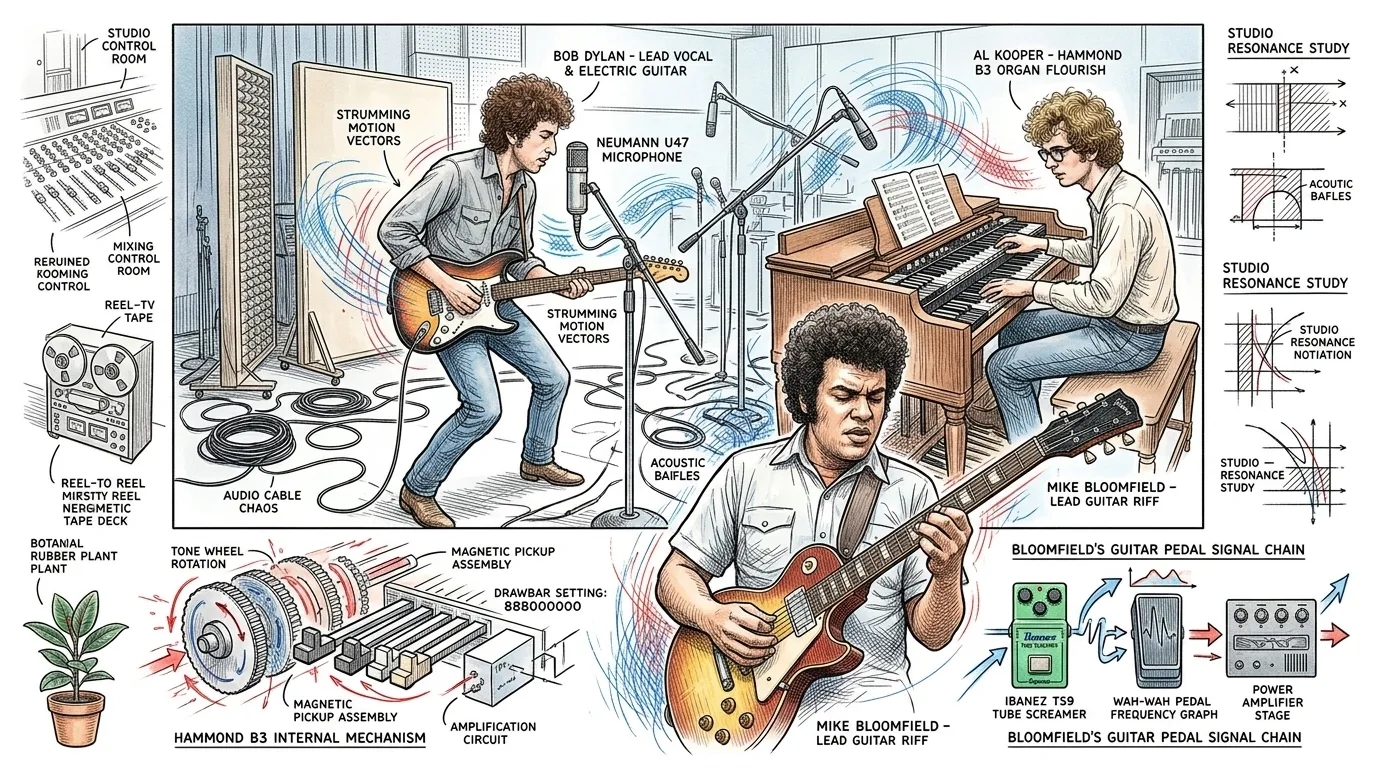
In June 1965, the Columbia Studio A in New York City became the crucible for Bob Dylan's new electric sound. Recording 'Like a Rolling Stone,' Dylan collaborated with musicians like Al Kooper, whose impromptu organ part became iconic, and Mike Bloomfield, whose guitar riffs provided raw energy. The sessions were experimental, pushing the boundaries of what was considered folk or rock. This studio work was not just about making music; it was about forging a distinct, powerful sound that defied categorization, an unapologetic declaration that the acoustic era was yielding to something far more expansive and confrontational, setting the stage for his next public performance.
Biographical Fact: The recording sessions for 'Like a Rolling Stone' were a critical moment, where Dylan, alongside skilled session musicians, defined the electrified sound that would soon reshape popular music.
Page 7

Backstage at the Newport Folk Festival on July 25, 1965, the air crackled with a distinct tension. Bob Dylan, about to appear with an electric band, knew the controversy he was about to ignite. Folk purists like Pete Seeger and Alan Lomax represented a traditionalist guard, viewing his shift as a betrayal. This was not merely a musical choice; it was a cultural affront, a challenge to the very essence of folk authenticity. As he strapped on his electric guitar, the weight of expectation and impending backlash settled upon him. He was ready to walk into the storm, irrevocably altering his path and the direction of contemporary music.
Biographical Fact: The backstage environment at Newport captured the intense ideological clash, with traditionalists like Pete Seeger vocalizing their disapproval of Dylan's electric transition.
Page 8

In May 1966, during his tour of England, Bob Dylan faced open hostility from audiences who rejected his electric sound. At the Free Trade Hall in Manchester, a concert famously misidentified as the 'Royal Albert Hall' performance, the crowd erupted in boos and shouts of 'Judas!' Dylan met the scorn head-on. Just before launching into 'Like a Rolling Stone,' he turned to his band and declared, 'Play it fucking loud!' This defiant act transformed rejection into a badge of artistic courage, solidifying his role as an uncompromising artist who would not cater to expectations, even if it meant alienating his most ardent followers.
Biographical Fact: The infamous 'Judas!' incident at the Manchester Free Trade Hall concert became a symbol of Dylan's steadfast artistic integrity in the face of widespread public backlash.
Page 9
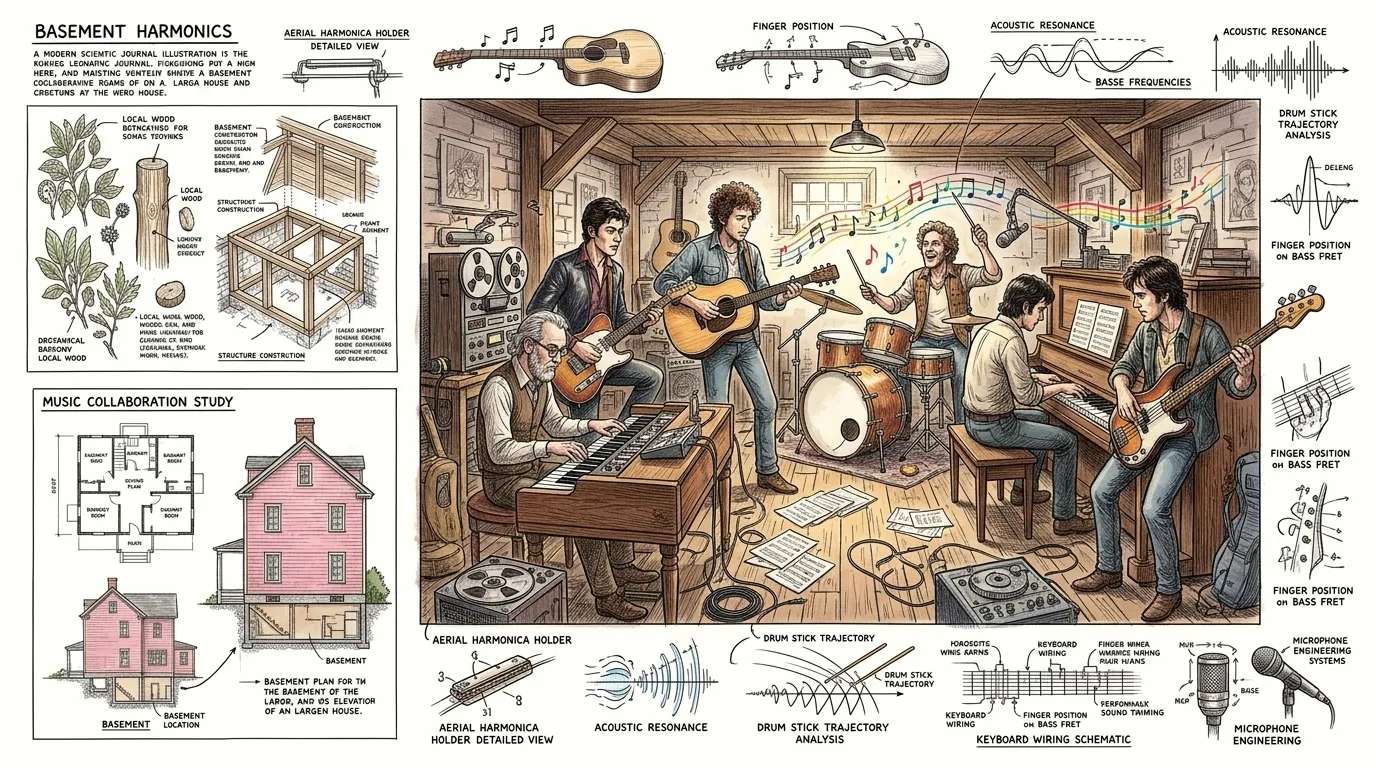
Following a motorcycle accident in July 1966, Bob Dylan retreated from the relentless spotlight, taking refuge in a large pink house in West Saugerties, New York. There, with The Band (Robbie Robertson, Garth Hudson, Levon Helm, Richard Manuel, Rick Danko), he recorded the legendary 'Basement Tapes.' These informal, experimental sessions, initially intended for demos, yielded a profound body of work, blending traditional Americana with enigmatic lyricism. This period of quiet creation allowed Dylan to redefine his artistic direction, influencing countless musicians and establishing a new paradigm for creative independence, far from the pressures of commercial expectation.
Biographical Fact: The 'Basement Tapes' era, following Dylan's motorcycle accident, marked a period of intense, informal musical collaboration with The Band, producing some of his most influential work away from the public eye.
Page 10
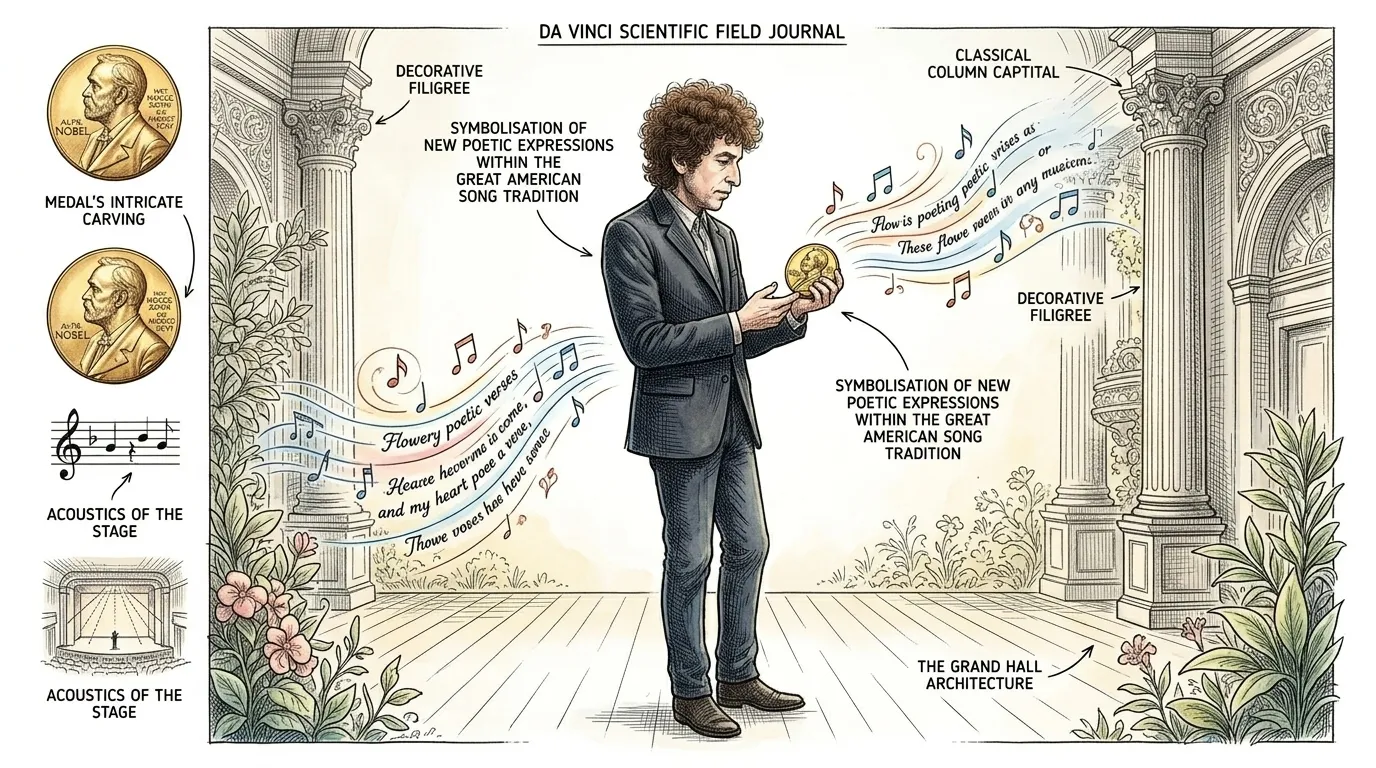
On October 13, 2016, the Swedish Academy awarded Bob Dylan the Nobel Prize in Literature, recognizing him for 'having created new poetic expressions within the great American song tradition.' This unprecedented honor formally acknowledged his profound literary impact, elevating song lyrics to the highest echelons of artistic achievement. From the coffeehouses of Greenwich Village to the global stage, Dylan had redefined the very notion of poetry, demonstrating that words sung could carry as much weight, insight, and lasting power as those written on a page. His legacy endures as a testament to the transformative power of art, a perpetual seeker of truth through melody and verse.
Biographical Fact: Bob Dylan's Nobel Prize in Literature solidified his place not just as a musician, but as a literary figure whose lyrical innovations profoundly influenced modern poetry and culture.
About this story
- Location: Global
- Audience: general readers