Hanoi, Vietnam
Hanoi, Vietnam — an illustrated travel story, set in China. 10 illustrated pages, free to read on Wonder Travel.
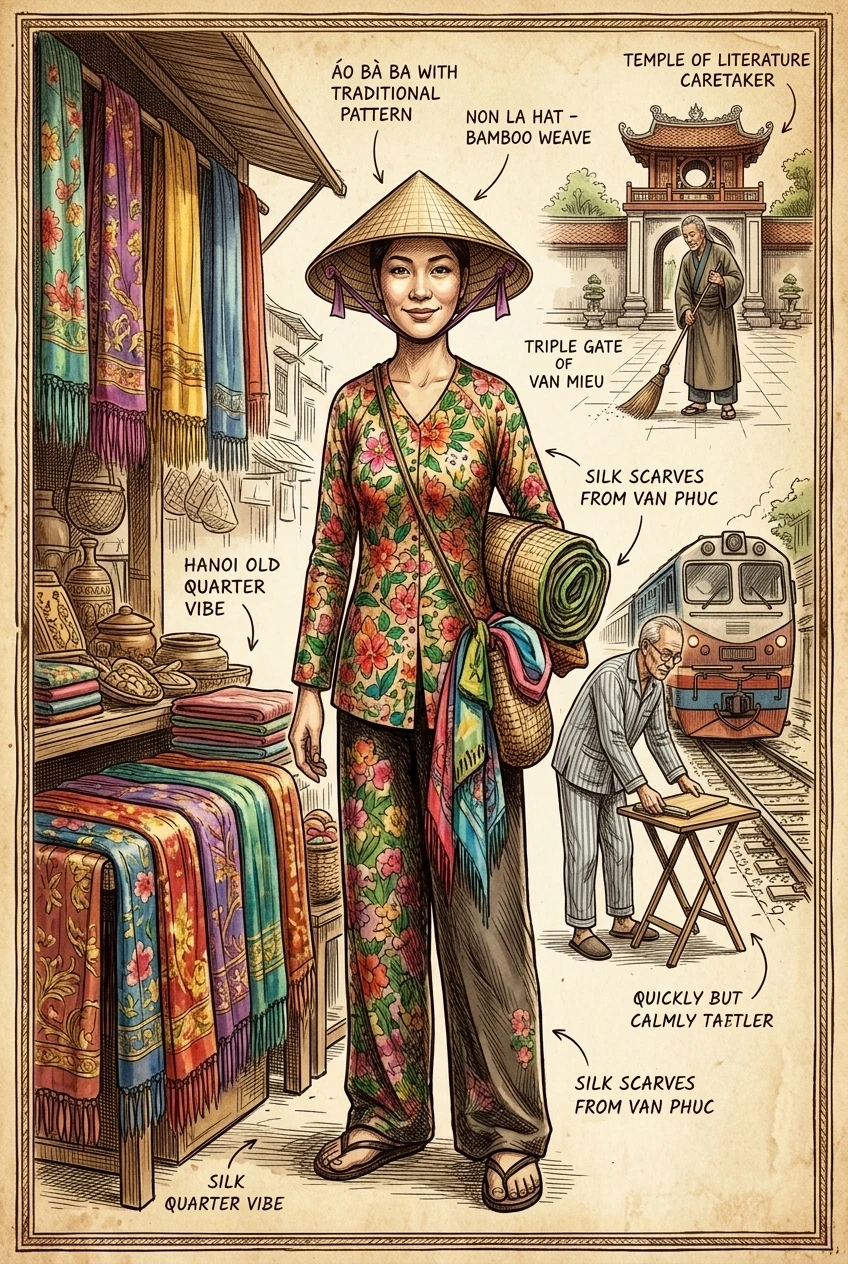
Page 1
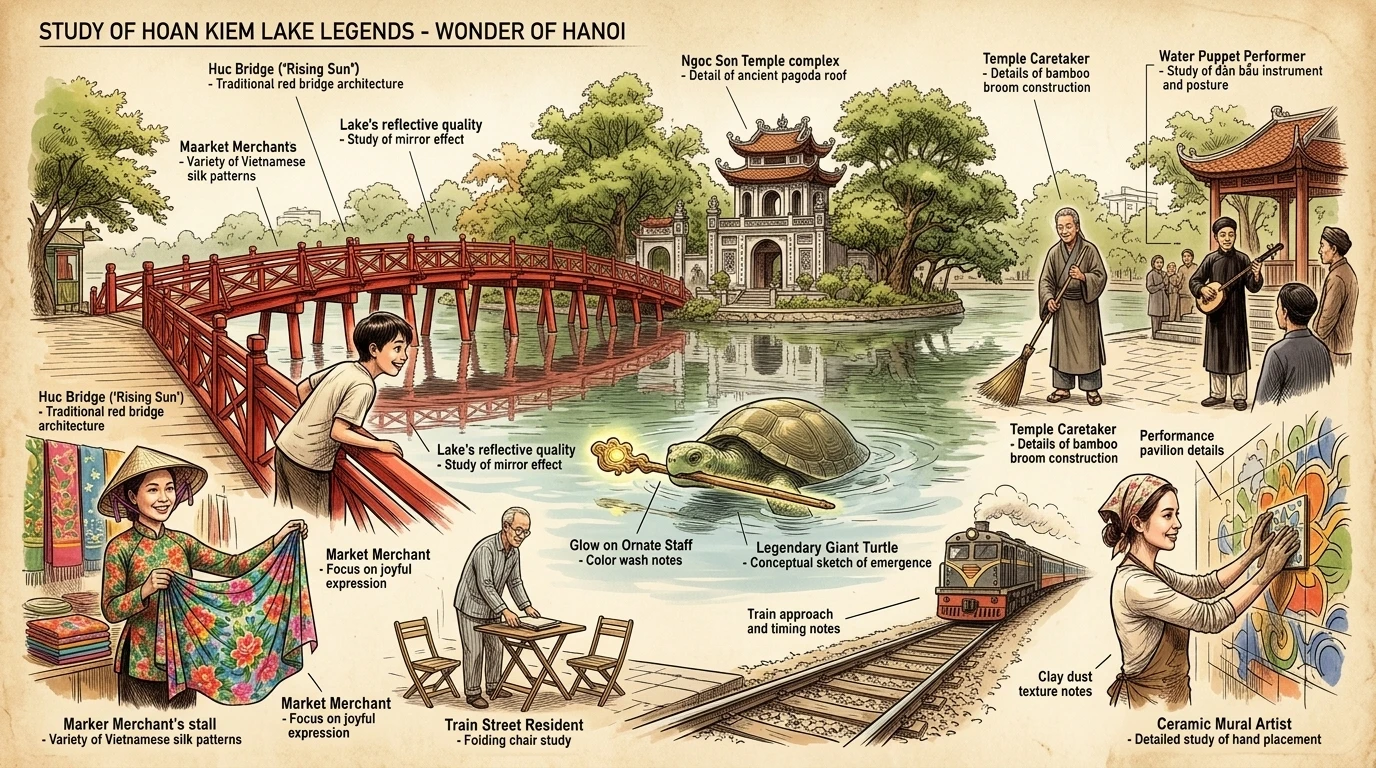
Hoan Kiem Lake, the heart of Hanoi, reflects the city's blend of ancient history and modern life. The Ngoc Son Temple stands on a small island in the lake, accessible by the iconic red Huc Bridge, a symbol of Hanoi.
Travel Fact: Legend says Emperor Le Loi received a magical sword at the lake and returned it to a giant turtle after defeating the Ming dynasty.
Page 2
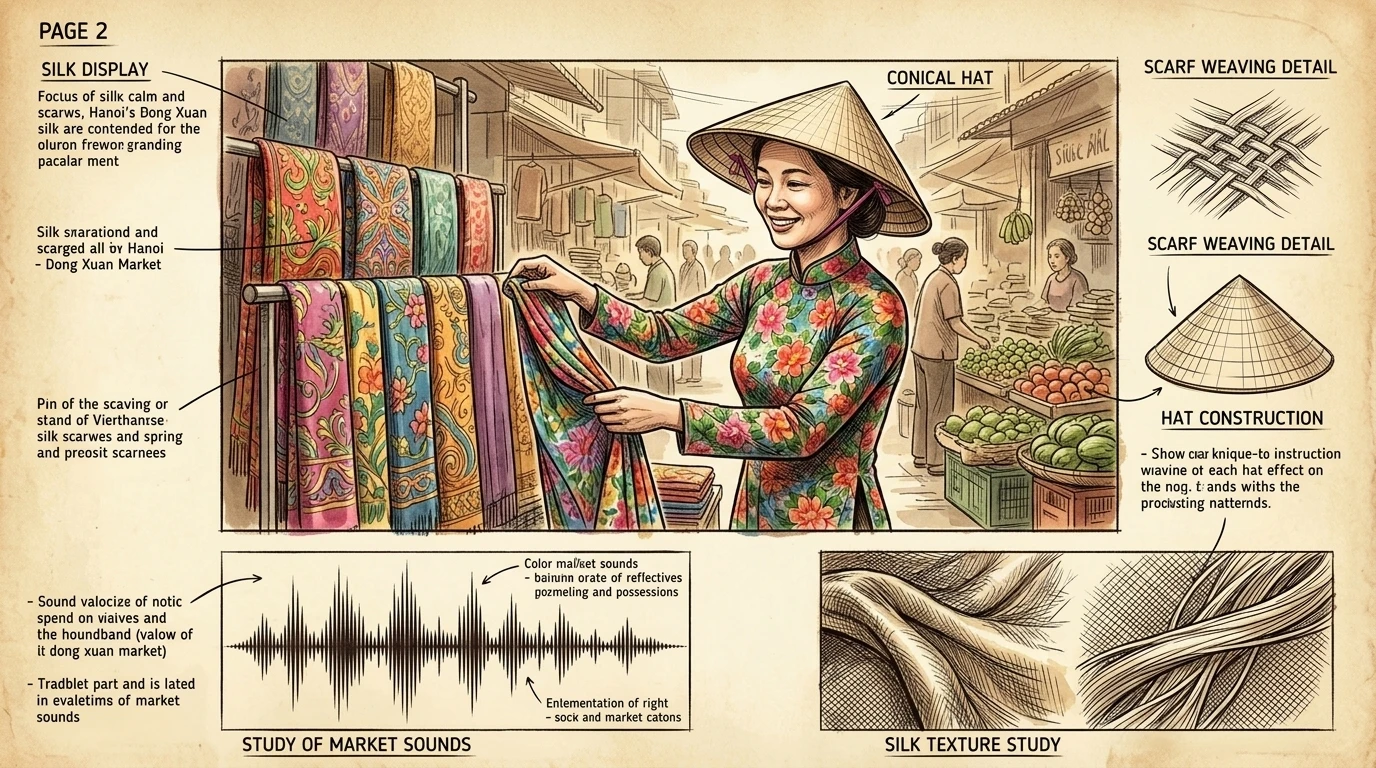
Dong Xuan Market, Hanoi's largest indoor market, bursts with vibrant colors and the aroma of local delicacies. Merchants sell everything from fresh produce and seafood to textiles and electronics, creating a bustling hub of commerce and cultural exchange.
Travel Fact: The market was originally built by the French in 1890 and has been a central trading location ever since.
Page 3
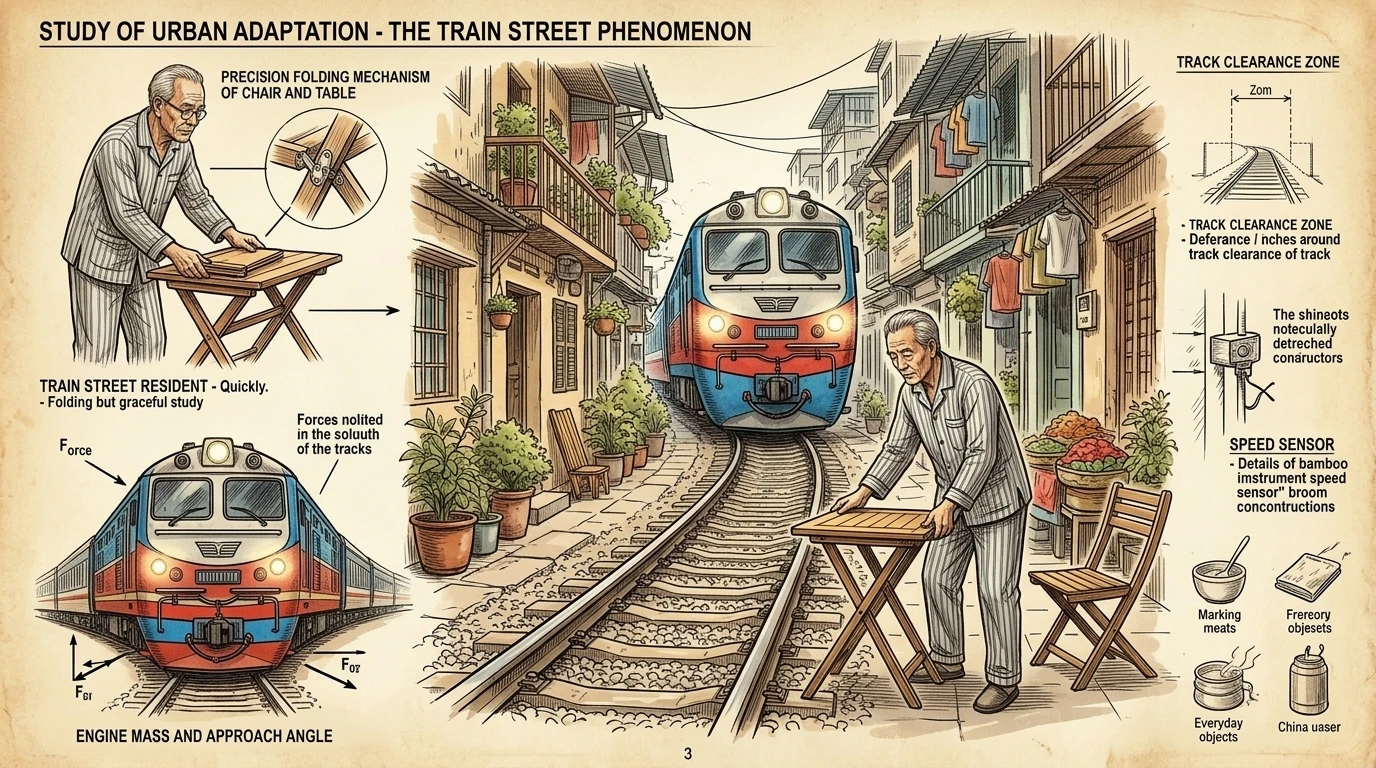
Hanoi's Train Street is a narrow residential area where the train tracks run just inches from people's homes. Twice a day, residents must quickly clear the area as the train passes through, a unique and thrilling spectacle for visitors.
Travel Fact: The railway was built during the French colonial period and continues to be an active part of Hanoi's transport network.
Page 4
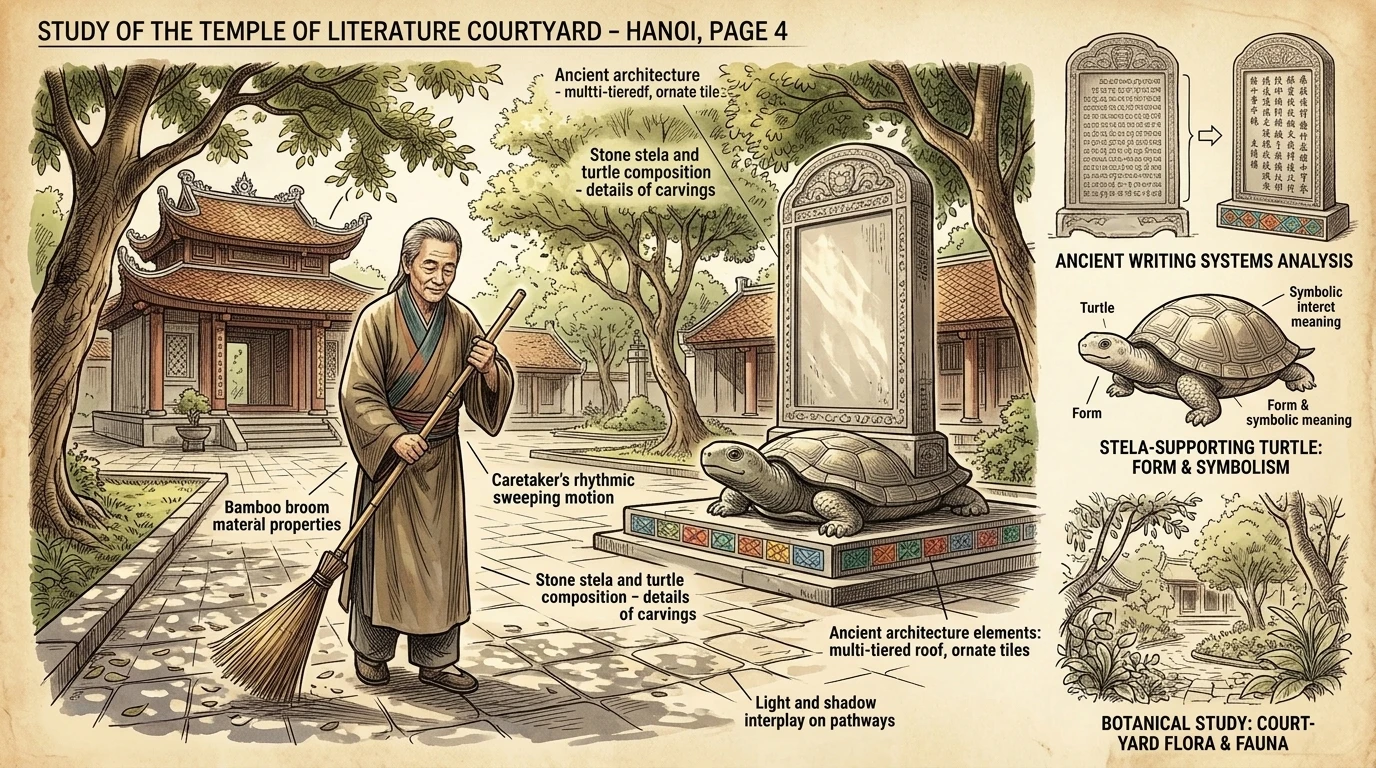
The Temple of Literature, dedicated to Confucius, was Vietnam's first national university, founded in 1070. Today, it serves as a tranquil oasis and a reminder of Vietnam's rich intellectual heritage, attracting students and visitors alike.
Travel Fact: Graduates traditionally rub the heads of the stone turtles for good luck, though it is now discouraged to preserve the relics.
Page 5
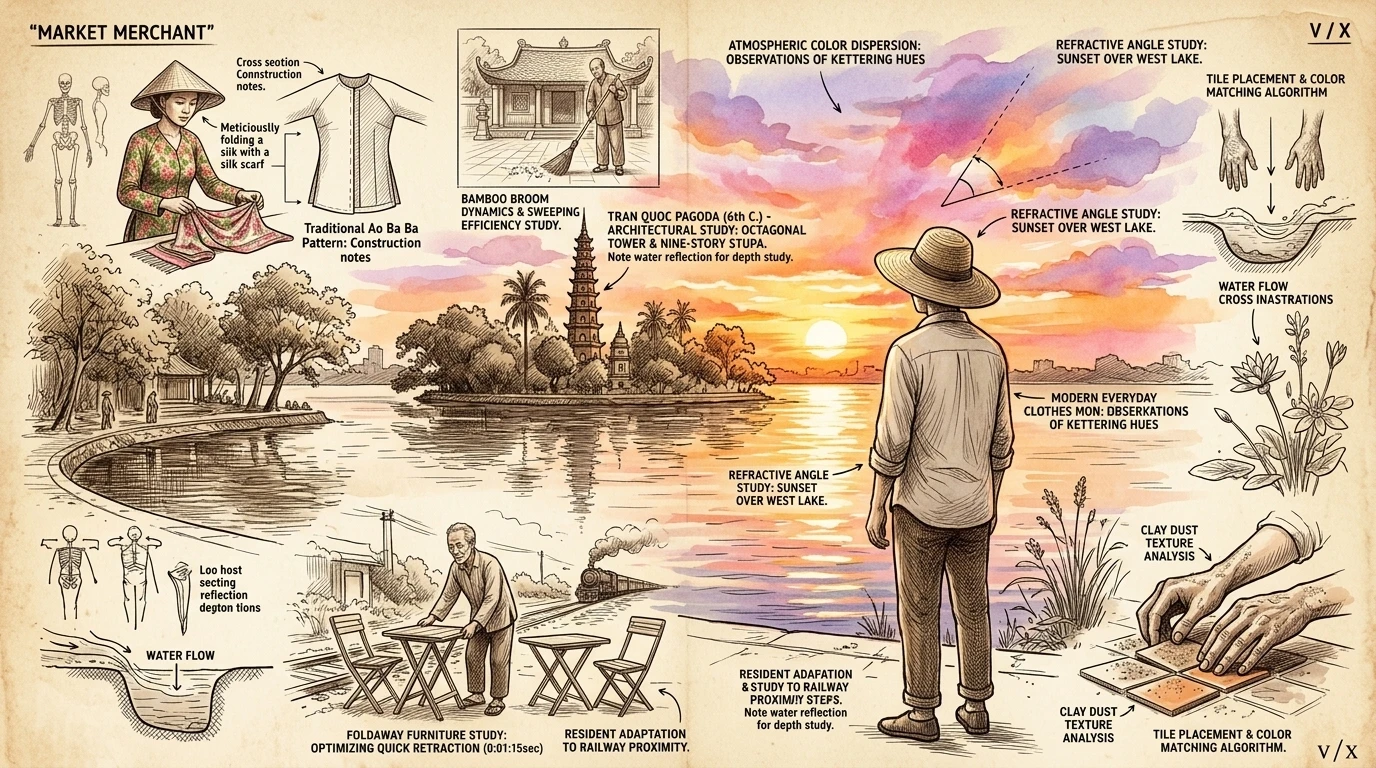
West Lake, Hanoi's largest lake, offers stunning sunset views and a peaceful escape from the city's hustle. Locals and visitors alike gather along the shoreline to enjoy the serene atmosphere and the colorful reflections on the water.
Travel Fact: West Lake is also home to several historic temples and pagodas, including the Tran Quoc Pagoda, one of the oldest in Hanoi.
Page 6
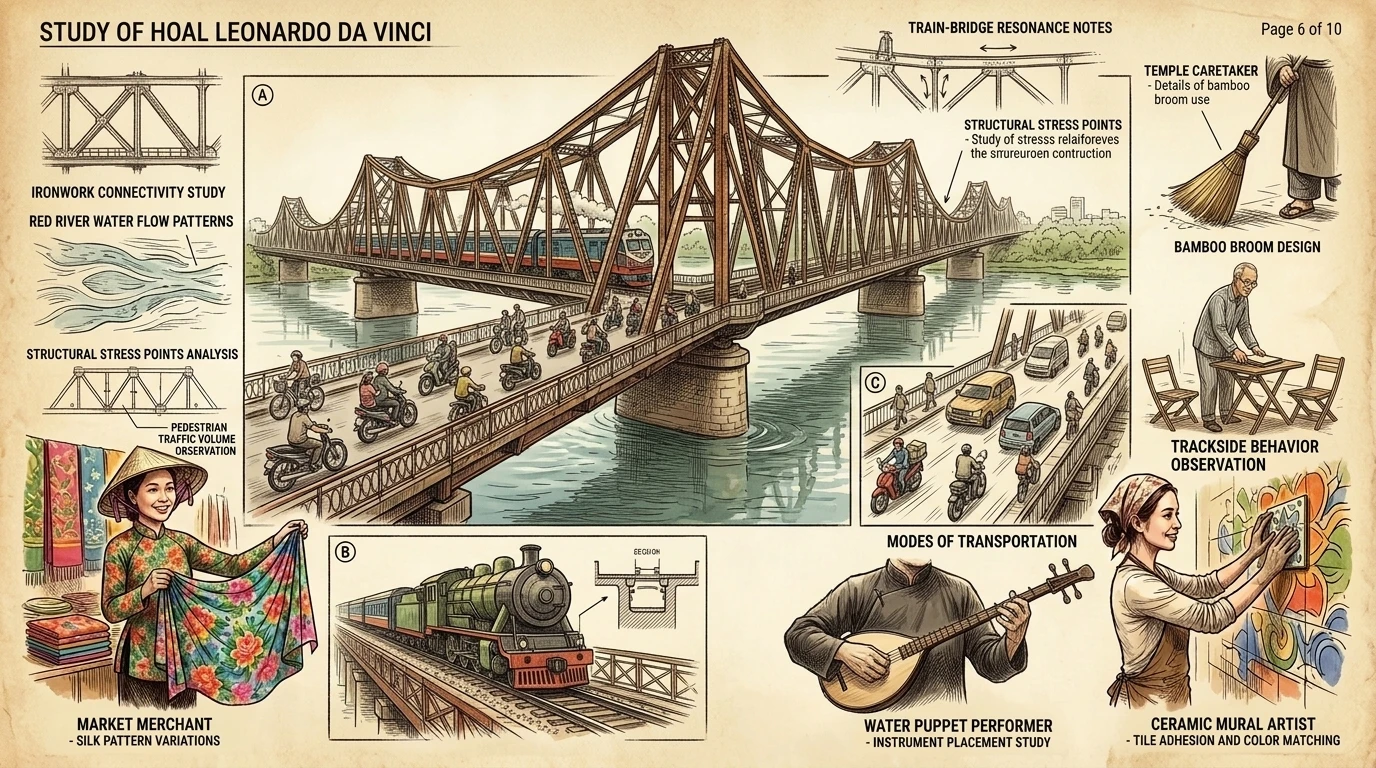
The Long Bien Bridge, built by the French, is a historic symbol of Hanoi that has witnessed countless events. Today, it remains a vital artery for the city's traffic, carrying trains, motorbikes, bicycles, and pedestrians across the Red River.
Travel Fact: During the Vietnam War, the bridge was heavily bombed but remained standing as a testament to Vietnamese resilience.
Page 7
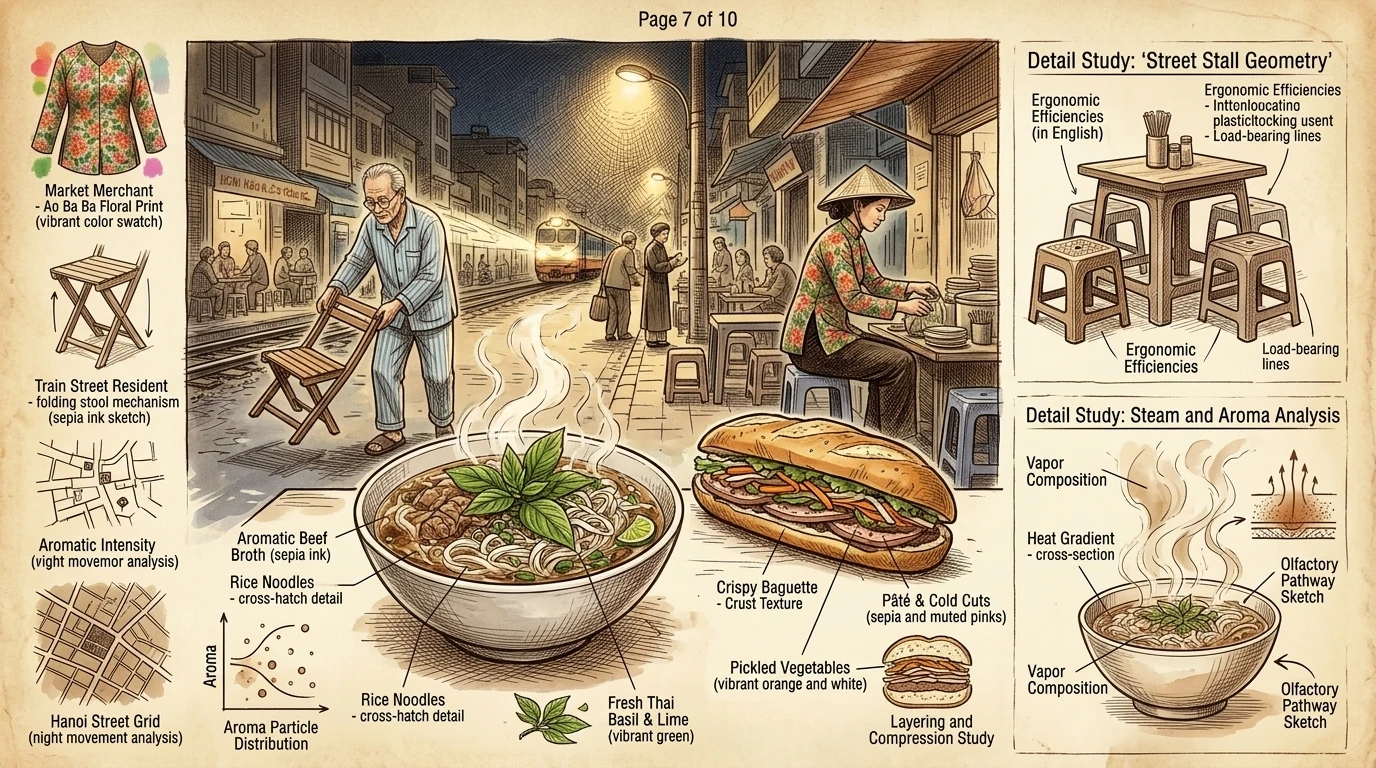
Hanoi's street food scene is a culinary adventure, offering a wide array of delicious and affordable dishes. From steaming bowls of pho to crispy banh mi, the flavors of Hanoi are best experienced on the streets.
Travel Fact: Pho is considered Vietnam's national dish and is often eaten for breakfast, lunch, or dinner.
Page 8
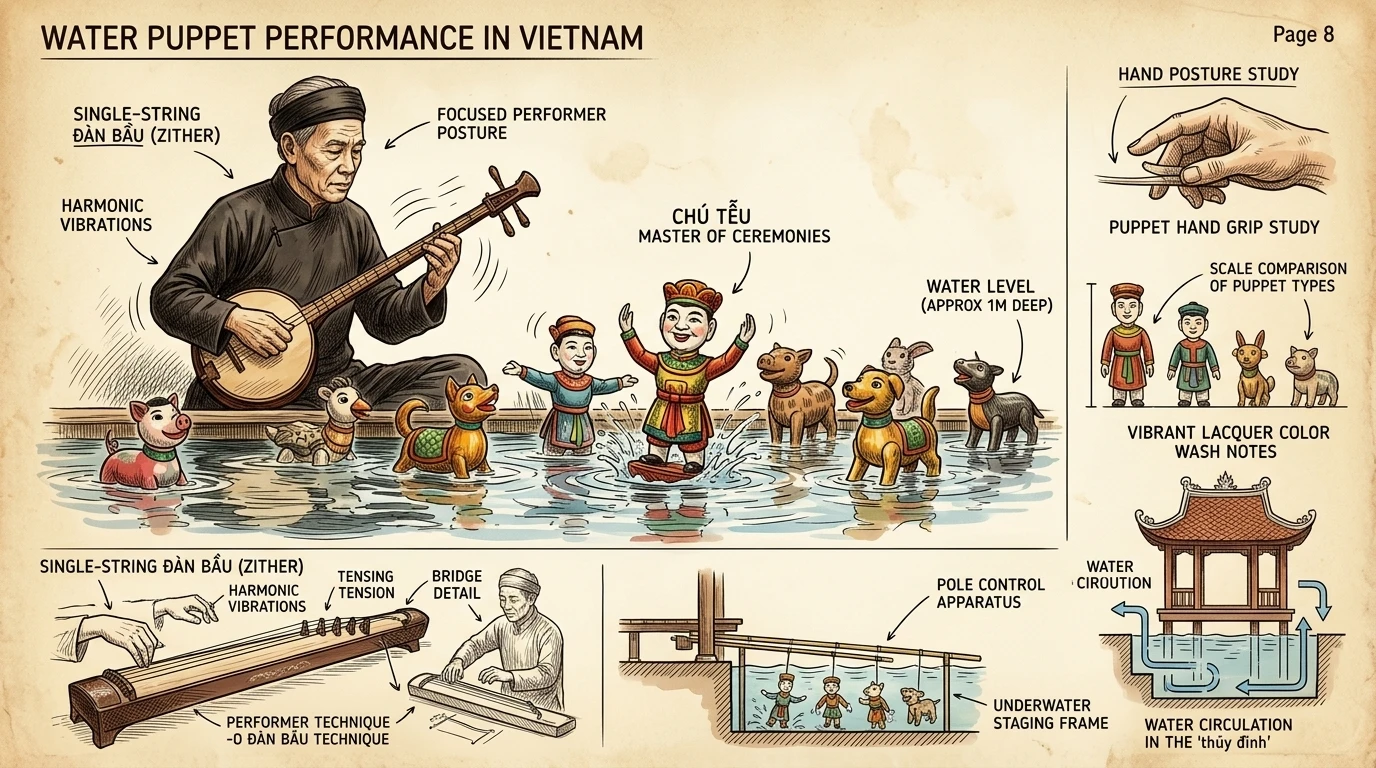
Hanoi's water puppet shows are a unique and ancient art form, featuring puppets that dance and perform on a water stage. Accompanied by traditional music, these shows tell stories of Vietnamese folklore and daily life.
Travel Fact: Water puppetry originated in the rice paddies of the Red River Delta and dates back to the 11th century.
Page 9
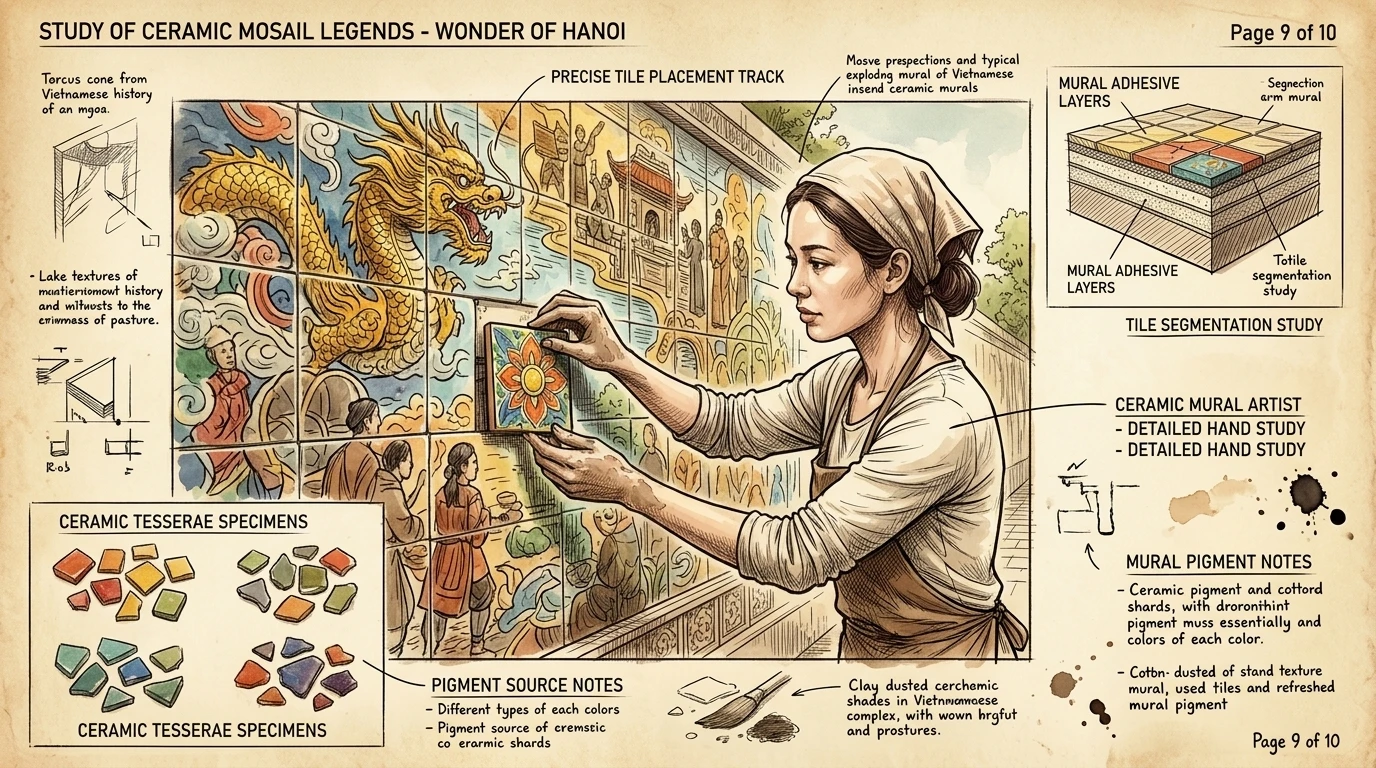
Hanoi's Ceramic Mosaic Mural is a Guinness World Record holder, stretching over four kilometers along the city's dyke system. The mural depicts scenes from Vietnamese history, mythology, and contemporary life, creating a vibrant and colorful public artwork.
Travel Fact: The mural was created to celebrate Hanoi's 1000th anniversary in 2010 and involved artists from around the world.
Page 10
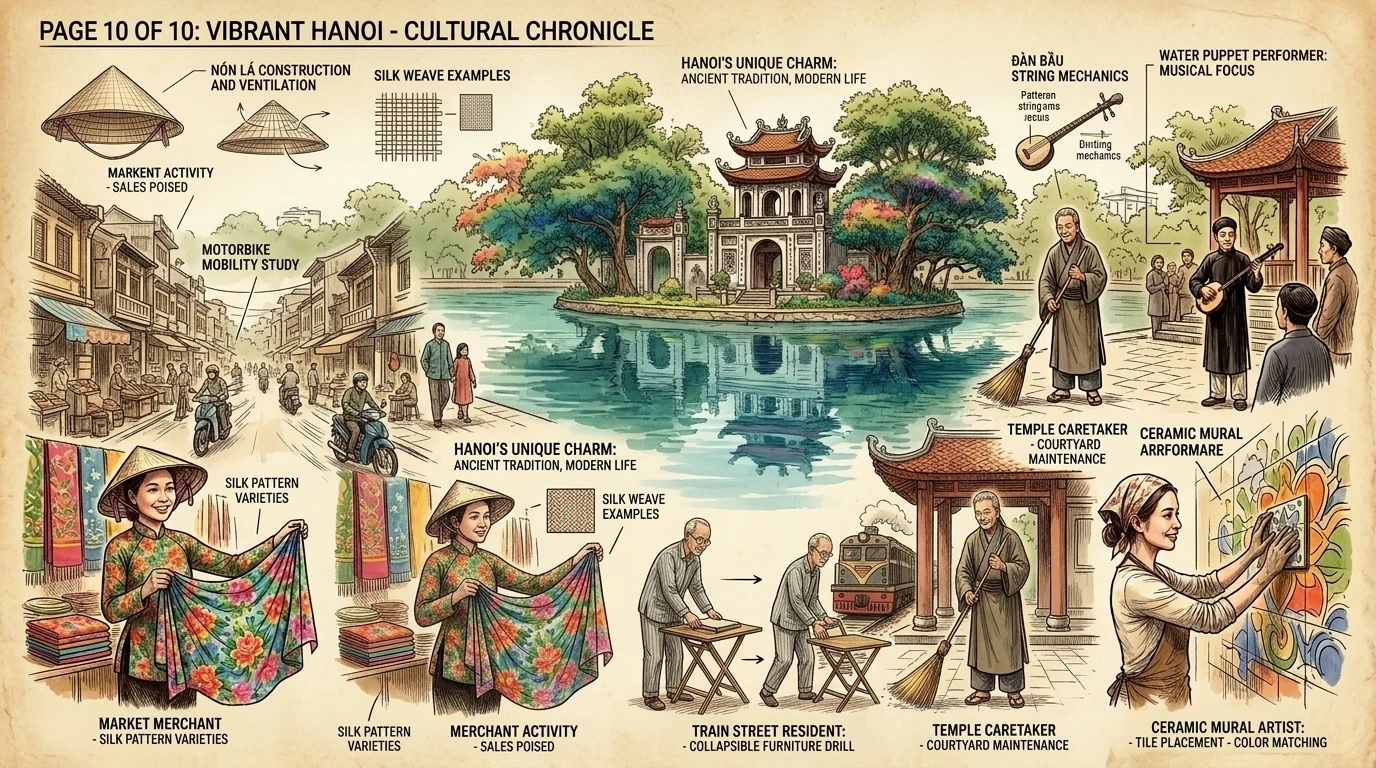
Hanoi's blend of ancient traditions and modern aspirations creates a unique charm that captivates all who visit. From the bustling streets of the Old Quarter to the serene beauty of its lakes and temples, Hanoi offers a rich tapestry of experiences.
Travel Fact: Hanoi's Old Quarter has preserved its traditional street layout and architecture for centuries, offering a glimpse into the city's rich past.
About this story
- Location: China
- Audience: general readers
Questions and answers
Read Wonder Travel on your phone
Wonder Travel is available on Android. Get Wonder Travel on Google Play.