Jaipur, India

Jaipur, India — an illustrated travel story, set in India. 10 illustrated pages, free to read on Wonder Travel.
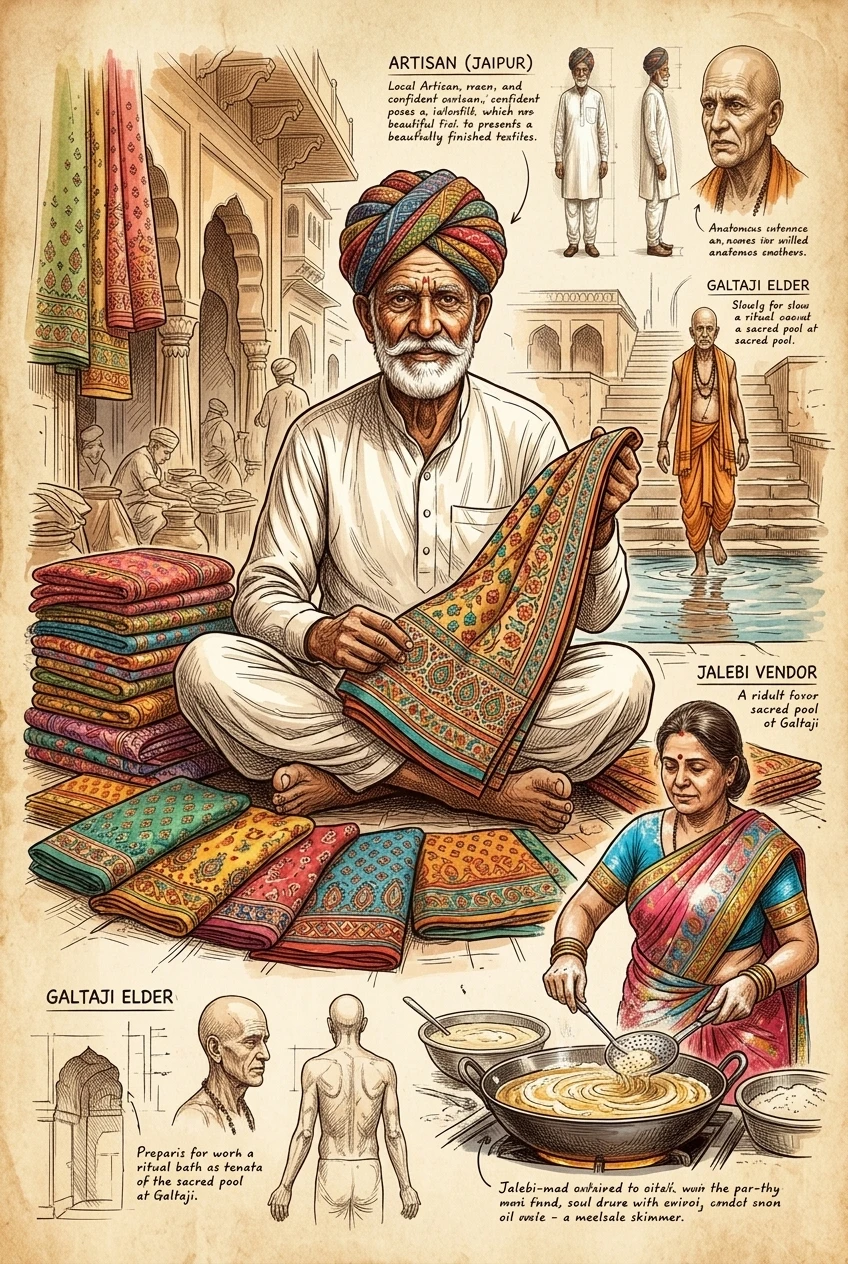
Jaipur, India — book cover — Wonder Travel
Jaipur, India — an illustrated travel story, set in India. 10 illustrated pages, free to read on Wonder Travel.

Page 1
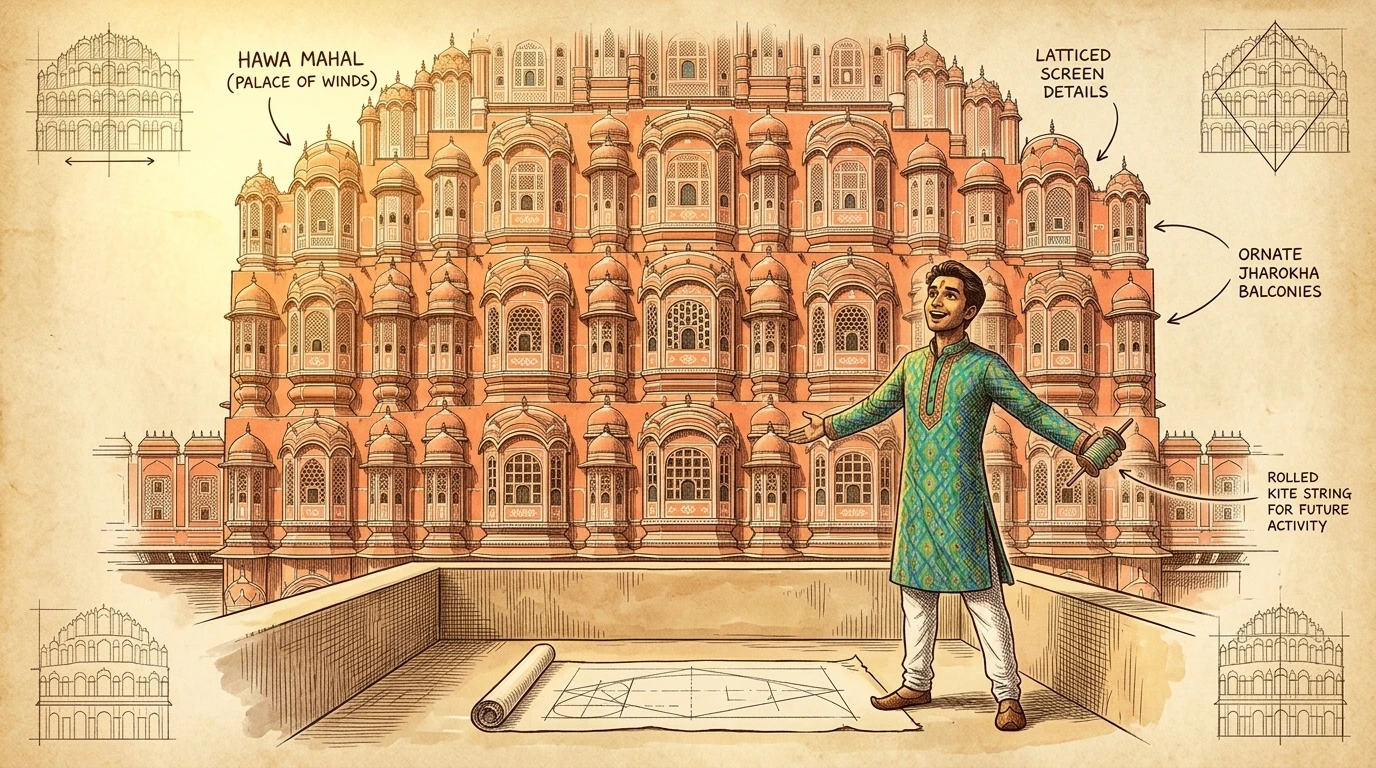
Jaipur, the capital of Rajasthan, India, is known as the 'Pink City' for its distinctive salmon-hued buildings, a color scheme established in 1876.
Jaipur, the capital of Rajasthan, India, is known as the 'Pink City' for its distinctive salmon-hued buildings, a color scheme established in 1876. With a population exceeding 3 million, Jaipur blends historical grandeur with bustling modern life. The Hawa Mahal, or Palace of Winds, stands as an iconic symbol of the city's Rajputana architecture. Travel Fact: The pink color was chosen to welcome the Prince of Wales during his visit.

Jaipur, the capital of Rajasthan, India, is known as the 'Pink City' for its distinctive salmon-hued buildings, a color scheme established in 1876. With a population exceeding 3 million, Jaipur blends historical grandeur with bustling modern life. The Hawa Mahal, or Palace of Winds, stands as an iconic symbol of the city's Rajputana architecture.

Travel Fact: The pink color was chosen to welcome the Prince of Wales during his visit.

Page 2
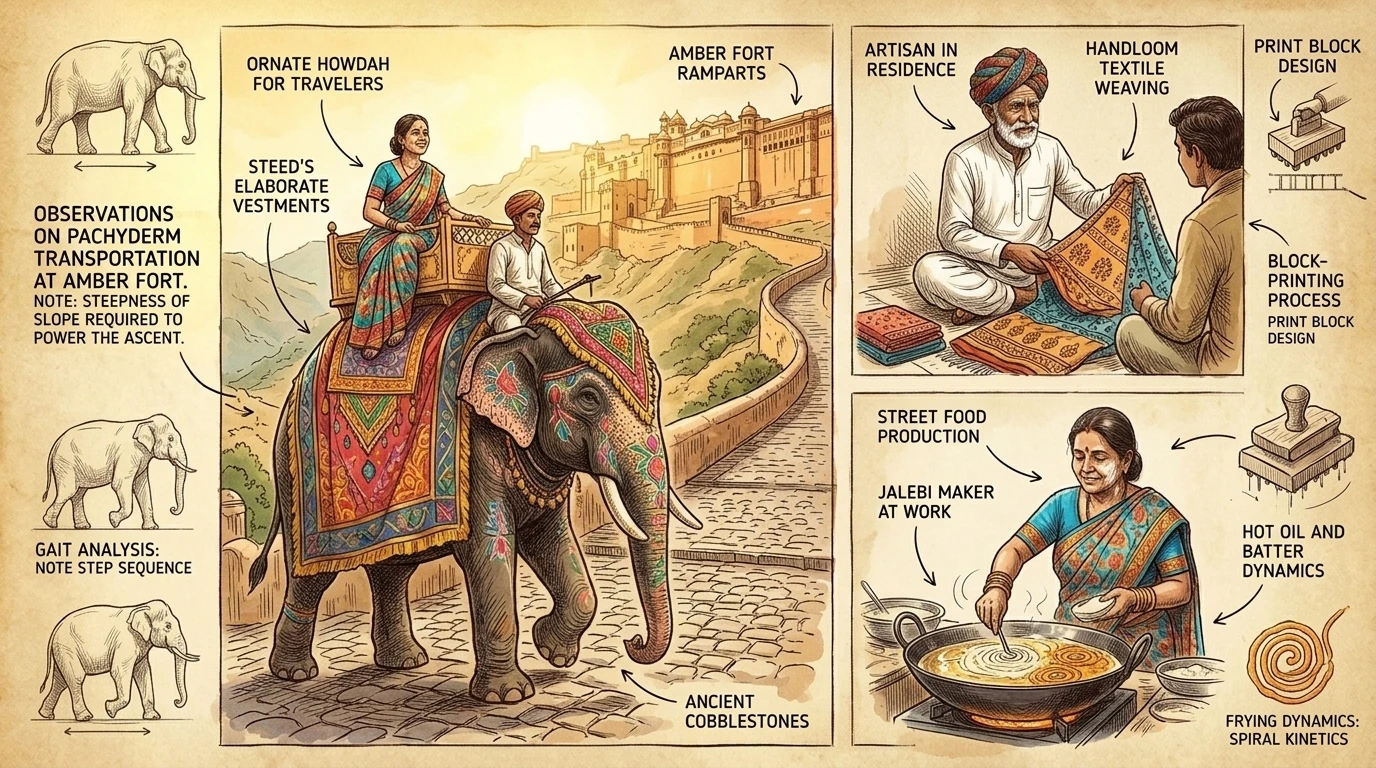
Elephants, adorned with vibrant textiles, carry visitors up the steep path to Amber Fort, a UNESCO World Heritage site just outside Jaipur.
Elephants, adorned with vibrant textiles, carry visitors up the steep path to Amber Fort, a UNESCO World Heritage site just outside Jaipur. The fort showcases intricate carvings and stunning views of the surrounding hills. This traditional mode of transport offers a unique perspective on the fort's grandeur. Travel Fact: Amber Fort was built by Raja Man Singh I in the 16th century.

Elephants, adorned with vibrant textiles, carry visitors up the steep path to Amber Fort, a UNESCO World Heritage site just outside Jaipur. The fort showcases intricate carvings and stunning views of the surrounding hills. This traditional mode of transport offers a unique perspective on the fort's grandeur.

Travel Fact: Amber Fort was built by Raja Man Singh I in the 16th century.

Page 3
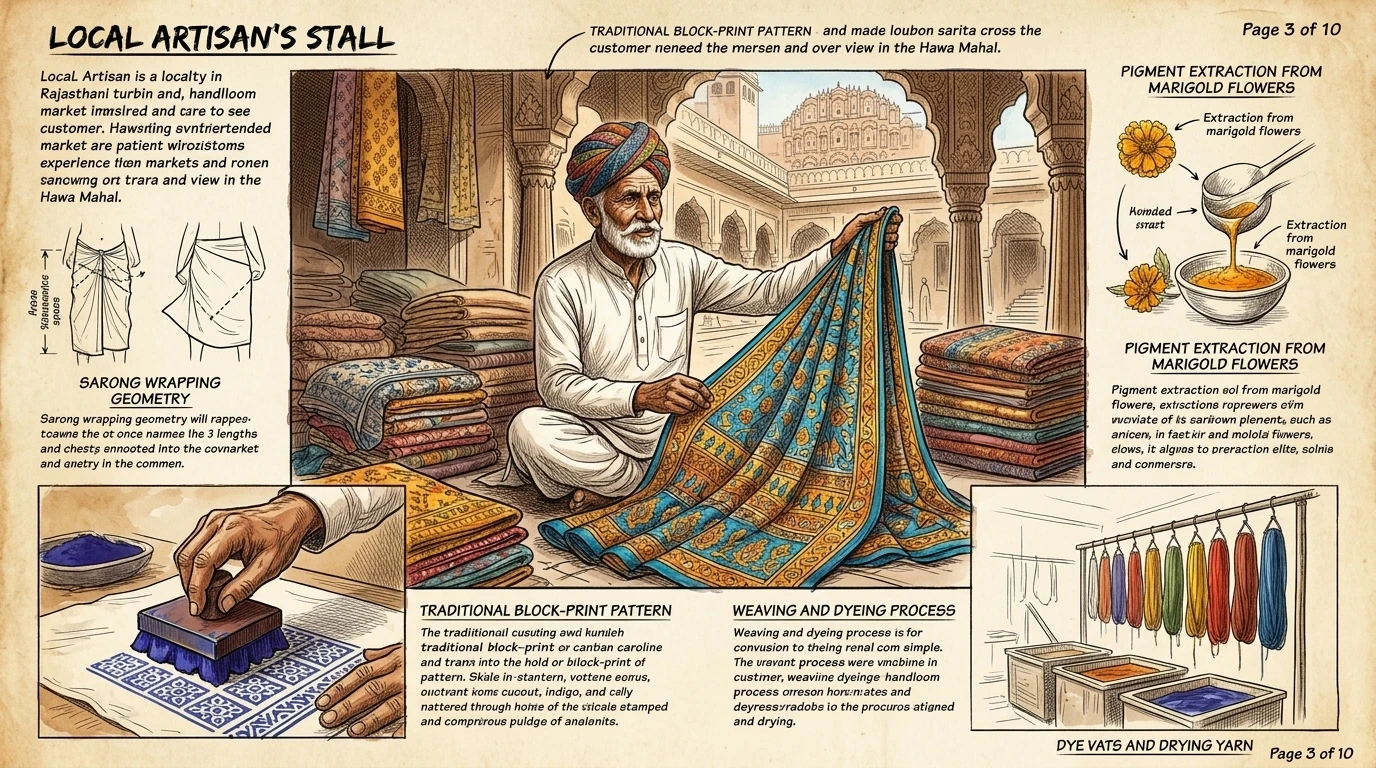
The vibrant markets of Jaipur overflow with textiles, showcasing the region's rich tradition of block printing and handloom weaving.
The vibrant markets of Jaipur overflow with textiles, showcasing the region's rich tradition of block printing and handloom weaving. Intricate designs and bold colors characterize these fabrics, which are used for saris, turbans, and other traditional garments. Local artisans display their wares, enticing shoppers with the beauty of their craft. Travel Fact: Block printing is a centuries-old craft passed down through generations.

The vibrant markets of Jaipur overflow with textiles, showcasing the region's rich tradition of block printing and handloom weaving. Intricate designs and bold colors characterize these fabrics, which are used for saris, turbans, and other traditional garments. Local artisans display their wares, enticing shoppers with the beauty of their craft.

Travel Fact: Block printing is a centuries-old craft passed down through generations.

Page 4
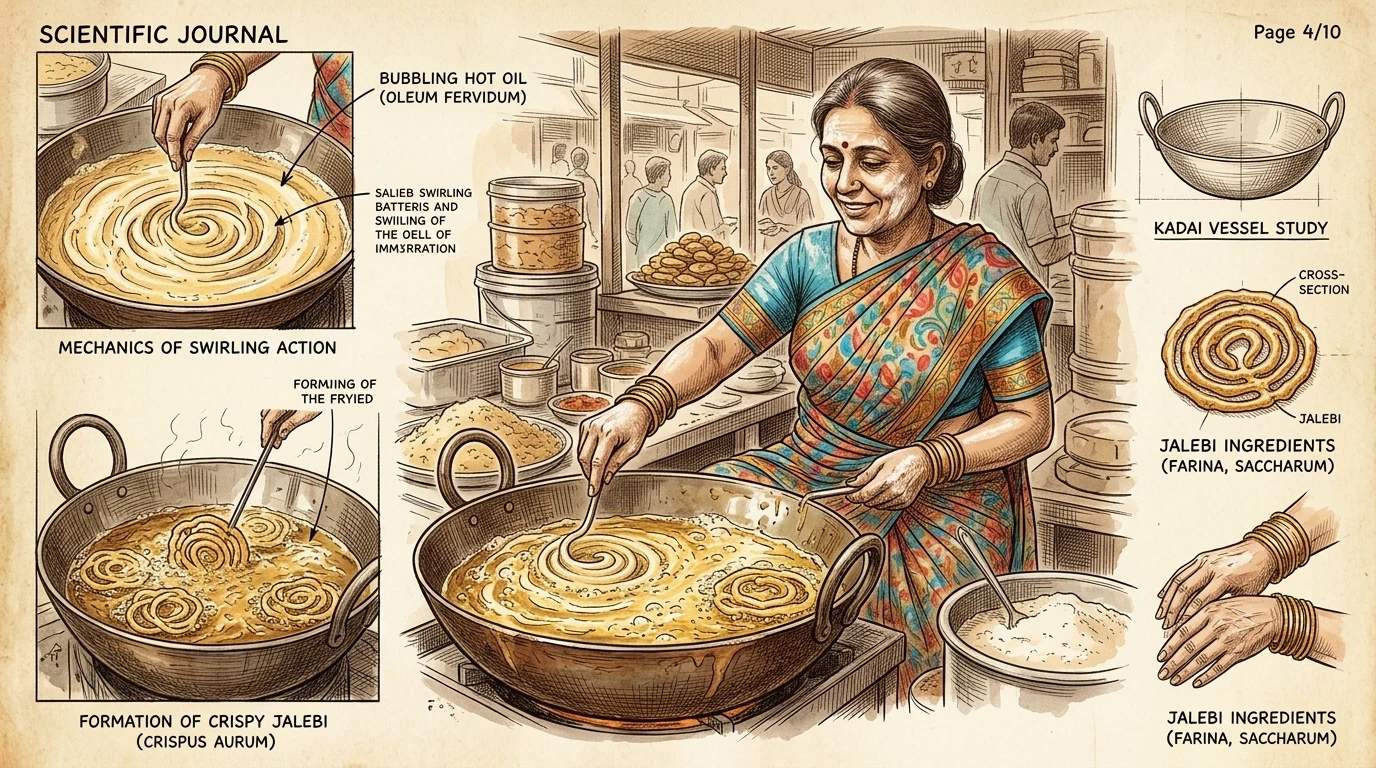
Jalebi, a sweet treat made from deep-fried batter soaked in syrup, is a popular street food in Jaipur. Vendors prepare the crispy, swirling sweets fresh…
Jalebi, a sweet treat made from deep-fried batter soaked in syrup, is a popular street food in Jaipur. Vendors prepare the crispy, swirling sweets fresh, attracting locals and visitors alike with their irresistible aroma. Enjoying jalebi is a delicious way to experience the city's culinary culture. Travel Fact: Jalebi is often enjoyed during festivals and celebrations.

Jalebi, a sweet treat made from deep-fried batter soaked in syrup, is a popular street food in Jaipur. Vendors prepare the crispy, swirling sweets fresh, attracting locals and visitors alike with their irresistible aroma. Enjoying jalebi is a delicious way to experience the city's culinary culture.

Travel Fact: Jalebi is often enjoyed during festivals and celebrations.

Page 5
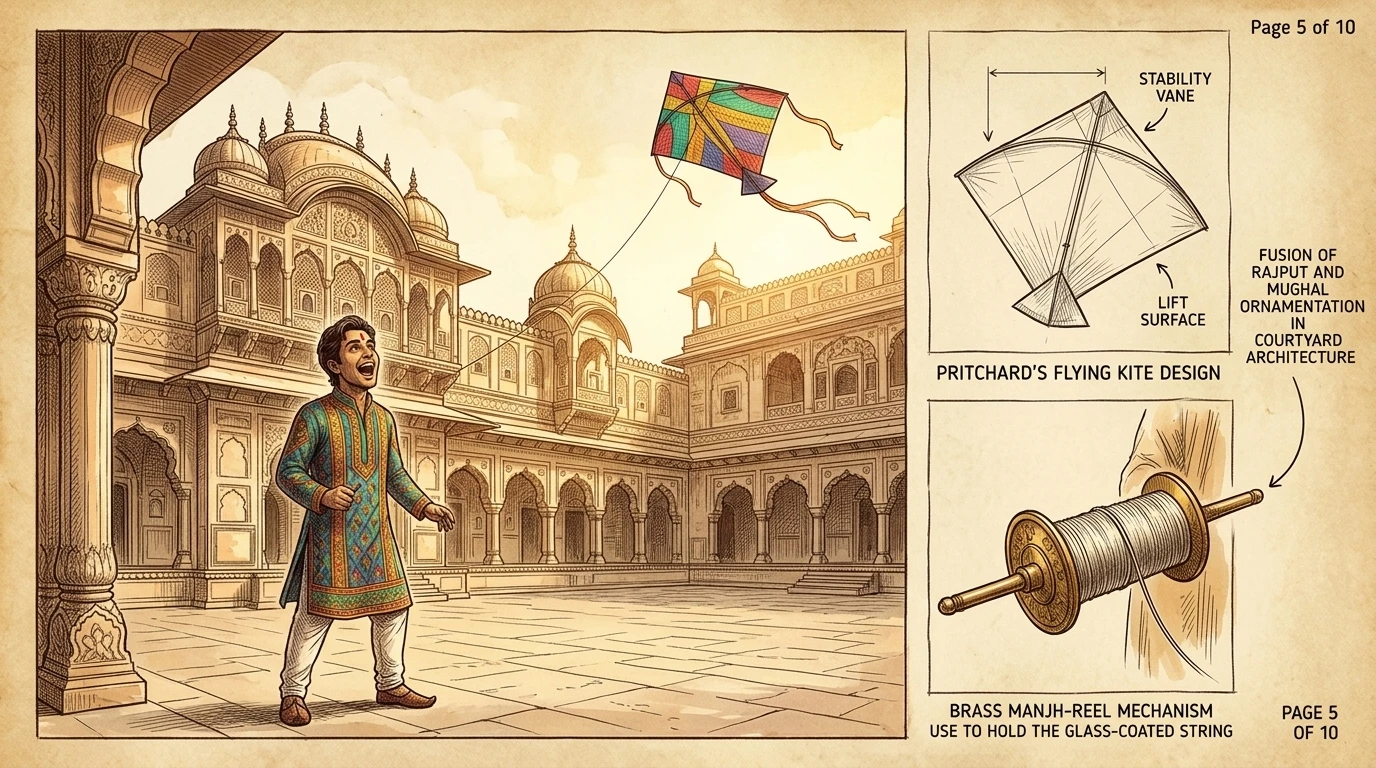
The City Palace, a sprawling complex in the heart of Jaipur, showcases a blend of Rajput, Mughal, and European architectural styles.
The City Palace, a sprawling complex in the heart of Jaipur, showcases a blend of Rajput, Mughal, and European architectural styles. Once the seat of the Maharaja of Jaipur, it now houses museums and courtyards, offering a glimpse into the city's royal past. Intricate details and opulent decorations characterize this magnificent palace. Travel Fact: The City Palace was built by Maharaja Sawai Jai Singh II in the 18th century.

The City Palace, a sprawling complex in the heart of Jaipur, showcases a blend of Rajput, Mughal, and European architectural styles. Once the seat of the Maharaja of Jaipur, it now houses museums and courtyards, offering a glimpse into the city's royal past. Intricate details and opulent decorations characterize this magnificent palace.

Travel Fact: The City Palace was built by Maharaja Sawai Jai Singh II in the 18th century.

Page 6
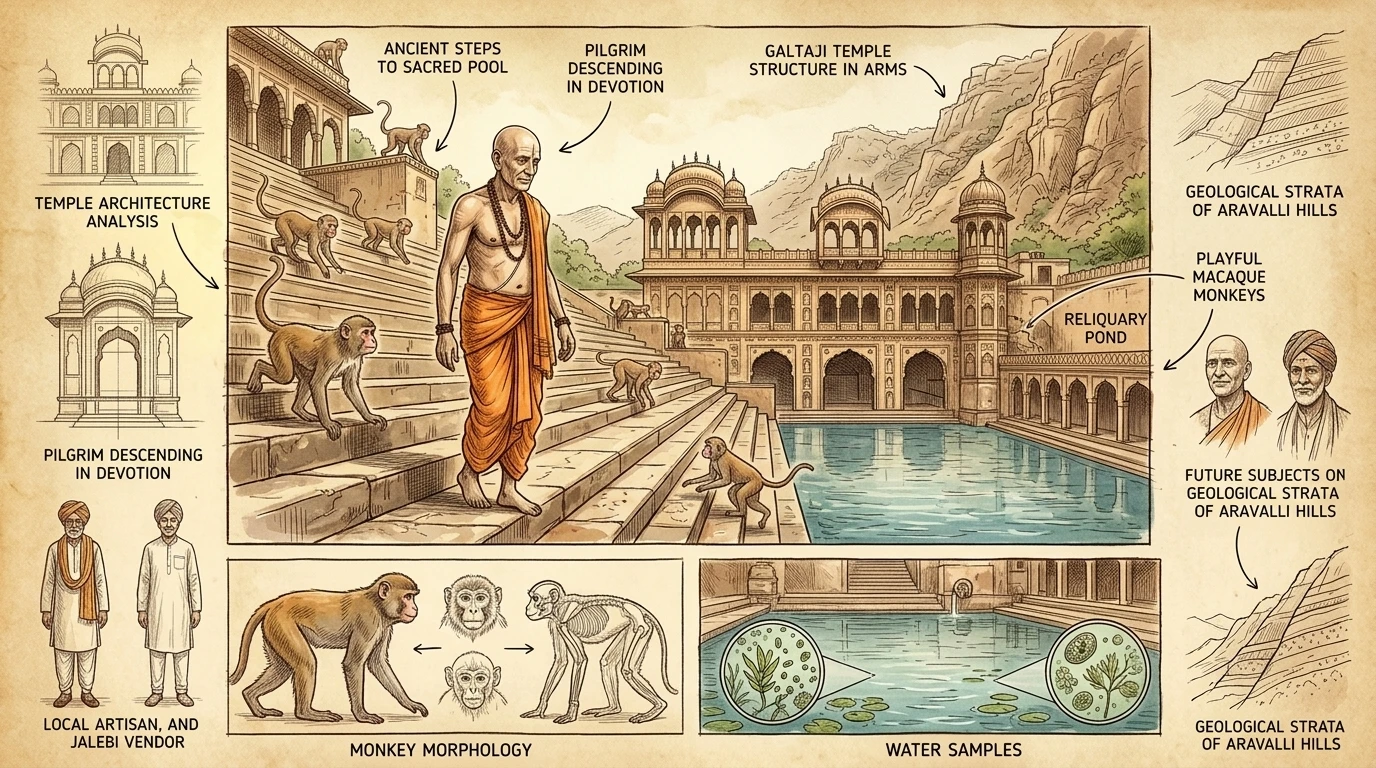
Galtaji Temple, nestled in the Aravalli Hills, is known for its natural springs and sacred pools. Pilgrims come to bathe in the holy waters, believed to have…
Galtaji Temple, nestled in the Aravalli Hills, is known for its natural springs and sacred pools. Pilgrims come to bathe in the holy waters, believed to have purifying properties. Monkeys roam freely around the temple complex, adding to the unique atmosphere. Travel Fact: The temple complex is dedicated to Lord Hanuman and other Hindu deities.

Galtaji Temple, nestled in the Aravalli Hills, is known for its natural springs and sacred pools. Pilgrims come to bathe in the holy waters, believed to have purifying properties. Monkeys roam freely around the temple complex, adding to the unique atmosphere.

Travel Fact: The temple complex is dedicated to Lord Hanuman and other Hindu deities.

Page 7
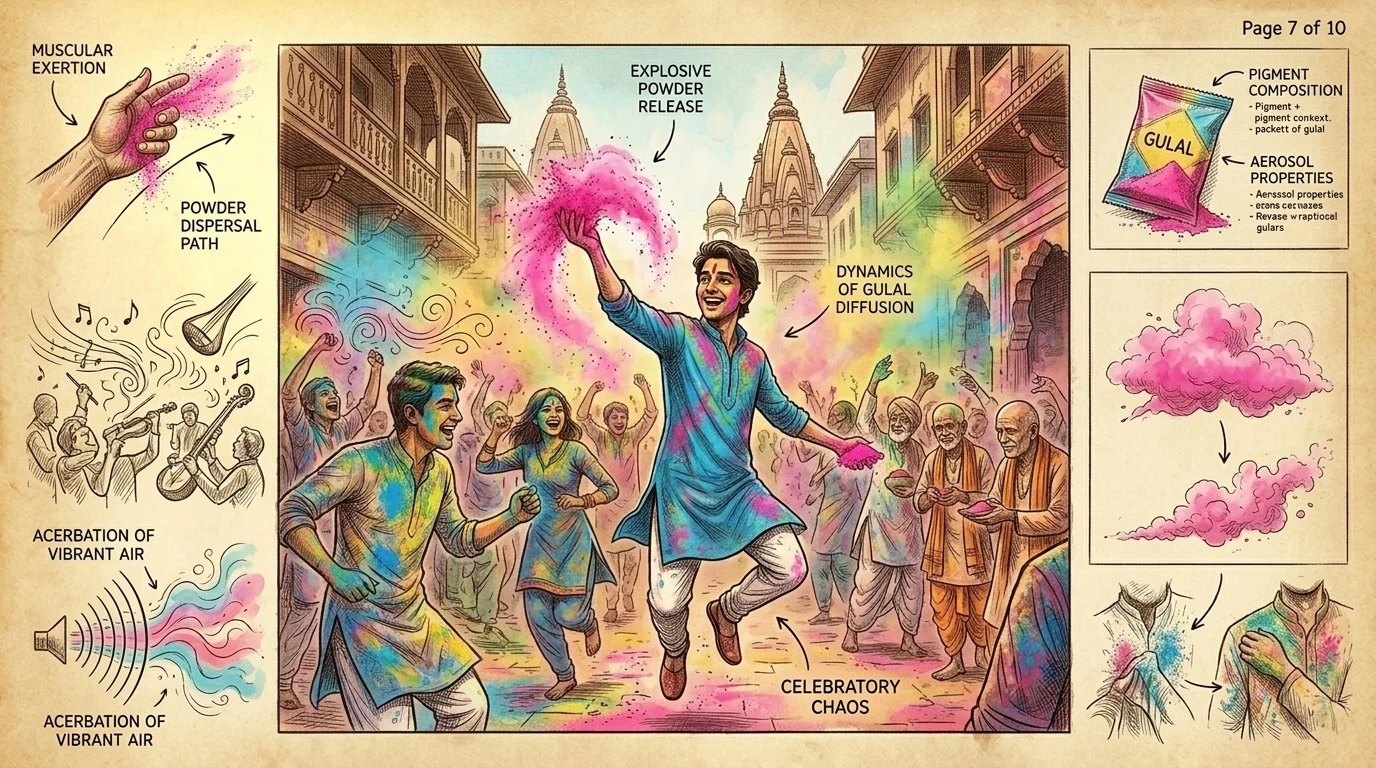
Holi, the festival of colors, is celebrated with enthusiasm in Jaipur, as locals throw vibrant powders and water on each other.
Holi, the festival of colors, is celebrated with enthusiasm in Jaipur, as locals throw vibrant powders and water on each other. The streets erupt with music, dance, and laughter, as people come together to celebrate the arrival of spring. The festival is a joyful expression of community and cultural spirit. Travel Fact: Holi signifies the triumph of good over evil and the arrival of spring.

Holi, the festival of colors, is celebrated with enthusiasm in Jaipur, as locals throw vibrant powders and water on each other. The streets erupt with music, dance, and laughter, as people come together to celebrate the arrival of spring. The festival is a joyful expression of community and cultural spirit.

Travel Fact: Holi signifies the triumph of good over evil and the arrival of spring.

Page 8
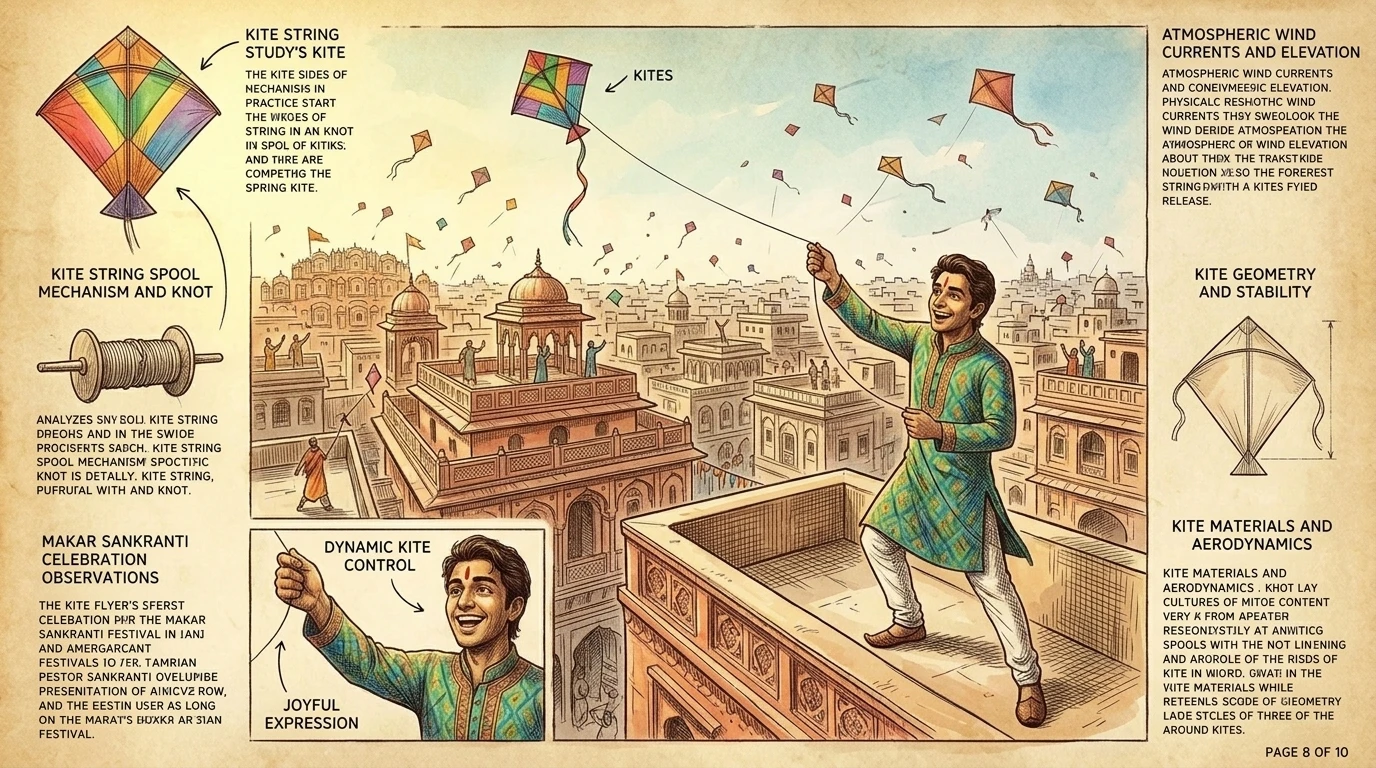
Kite flying is a popular pastime in Jaipur, especially during Makar Sankranti, when the skies fill with colorful kites. Families gather on rooftops to compete…
Kite flying is a popular pastime in Jaipur, especially during Makar Sankranti, when the skies fill with colorful kites. Families gather on rooftops to compete and celebrate, showcasing their kite-flying skills. The tradition brings communities together, fostering a sense of joy and camaraderie. Travel Fact: Makar Sankranti marks the transition of the sun into the zodiac sign of Makar (Capricorn).

Kite flying is a popular pastime in Jaipur, especially during Makar Sankranti, when the skies fill with colorful kites. Families gather on rooftops to compete and celebrate, showcasing their kite-flying skills. The tradition brings communities together, fostering a sense of joy and camaraderie.

Travel Fact: Makar Sankranti marks the transition of the sun into the zodiac sign of Makar (Capricorn).

Page 9
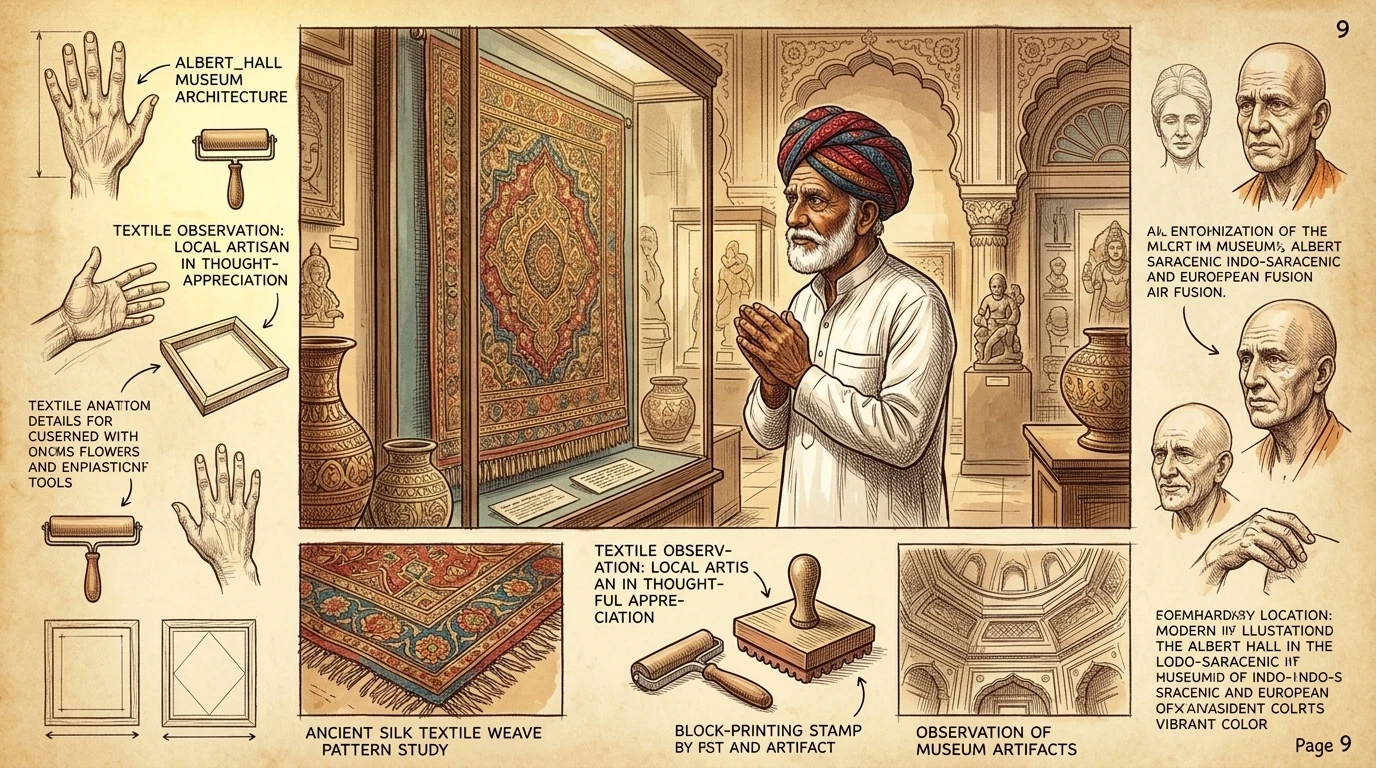
The Albert Hall Museum, the oldest museum in Rajasthan, houses a diverse collection of artifacts, including textiles, pottery, and sculptures.
The Albert Hall Museum, the oldest museum in Rajasthan, houses a diverse collection of artifacts, including textiles, pottery, and sculptures. Modeled after the Victoria and Albert Museum in London, it showcases India's rich cultural heritage. The museum's architecture is a blend of Indo-Saracenic and European styles. Travel Fact: The Albert Hall Museum was designed by Sir Samuel Swinton Jacob.

The Albert Hall Museum, the oldest museum in Rajasthan, houses a diverse collection of artifacts, including textiles, pottery, and sculptures. Modeled after the Victoria and Albert Museum in London, it showcases India's rich cultural heritage. The museum's architecture is a blend of Indo-Saracenic and European styles.

Travel Fact: The Albert Hall Museum was designed by Sir Samuel Swinton Jacob.

Page 10
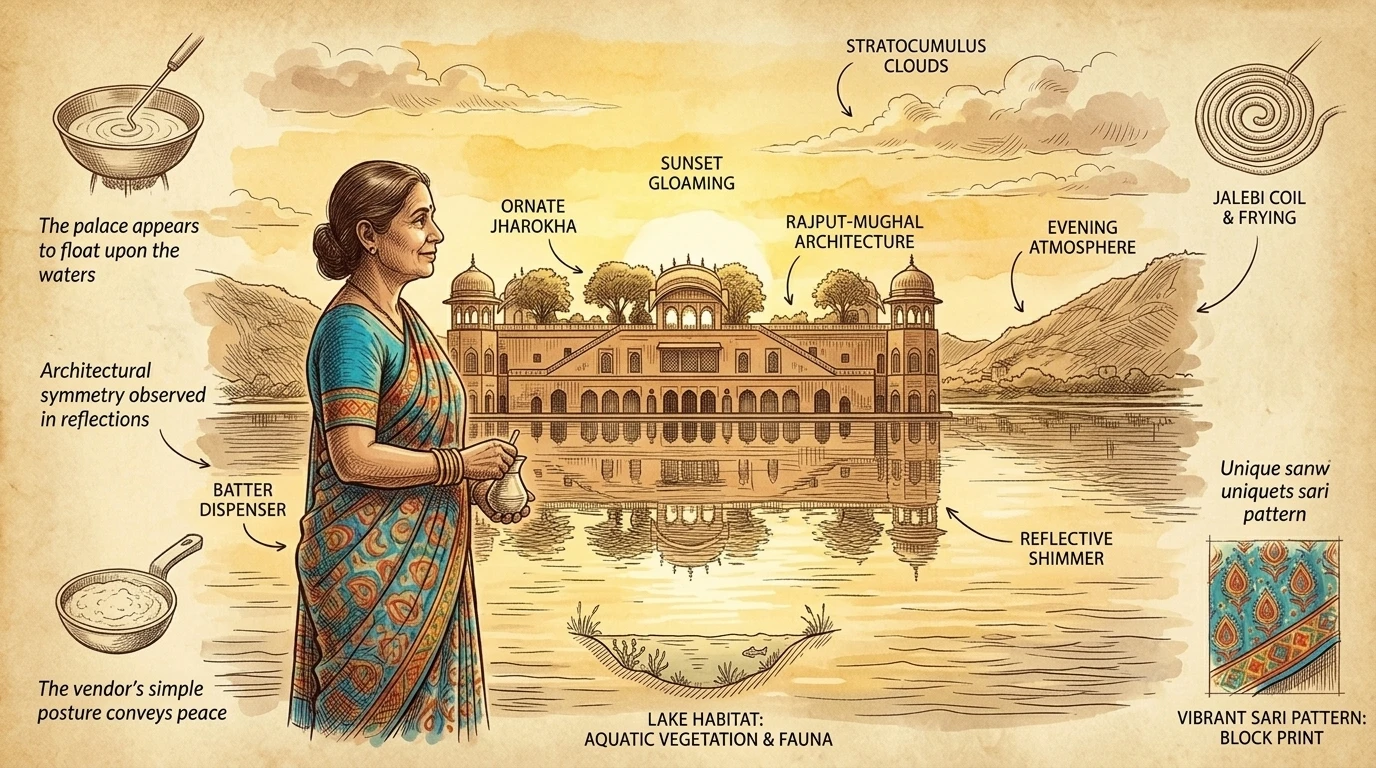
Jal Mahal, the Water Palace, appears to float serenely on Man Sagar Lake, offering a picturesque sight, especially at sunset.
Jal Mahal, the Water Palace, appears to float serenely on Man Sagar Lake, offering a picturesque sight, especially at sunset. The palace's reflection shimmers in the water, creating a magical and tranquil atmosphere. This architectural marvel embodies the beauty and charm of Jaipur. Travel Fact: Only one story of the Jal Mahal is visible above the water; four stories are submerged.

Jal Mahal, the Water Palace, appears to float serenely on Man Sagar Lake, offering a picturesque sight, especially at sunset. The palace's reflection shimmers in the water, creating a magical and tranquil atmosphere. This architectural marvel embodies the beauty and charm of Jaipur.

Travel Fact: Only one story of the Jal Mahal is visible above the water; four stories are submerged.

About this story

  • Location: India
  • Audience: general readers

Read Wonder Travel on your phone

Wonder Travel is available on Android. Get Wonder Travel on Google Play.

More Wonder Travel stories

All Wonder Travel stories · Open the library