Sarajevo, Bosnia and Herzegovina
Sarajevo, Bosnia and Herzegovina — an illustrated travel story, set in Global. 10 illustrated pages, free to read on Wonder Travel.
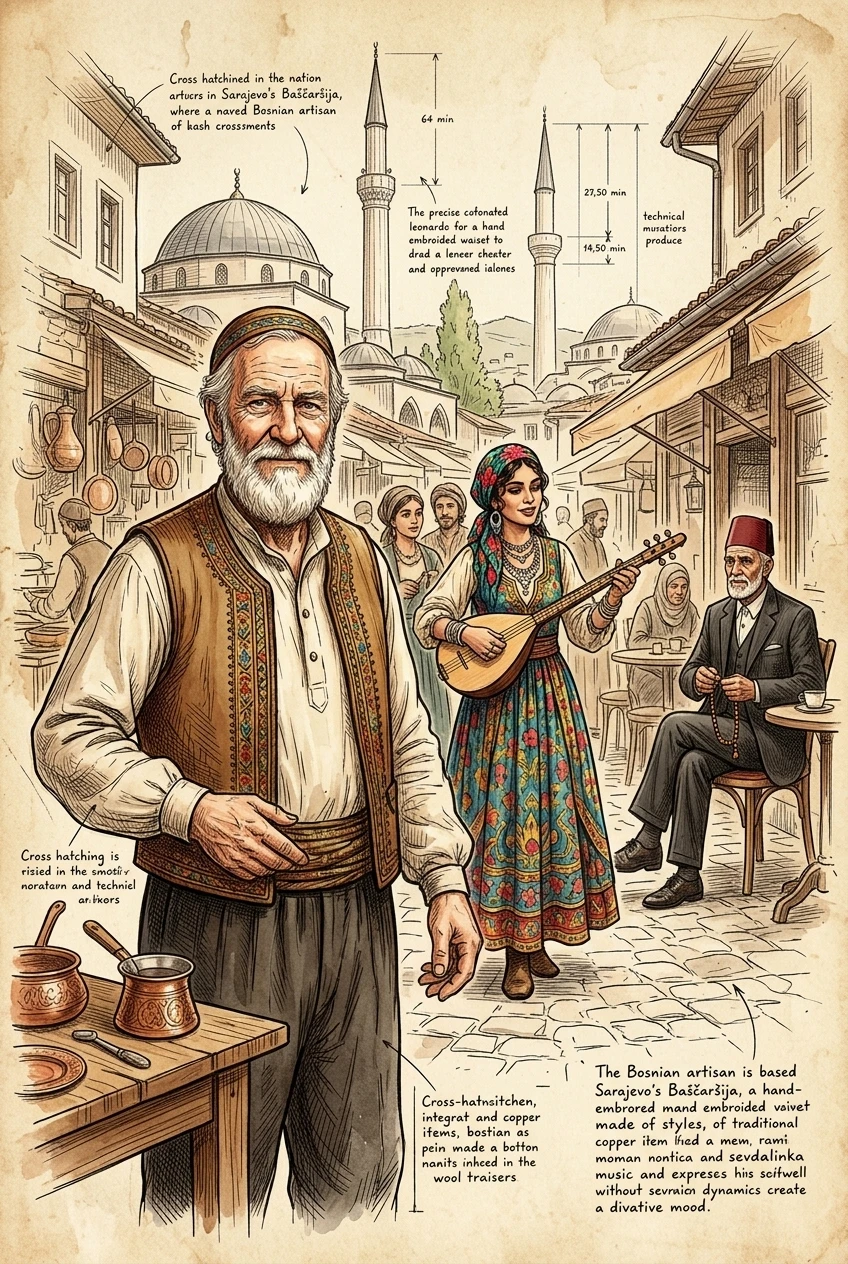
Page 1
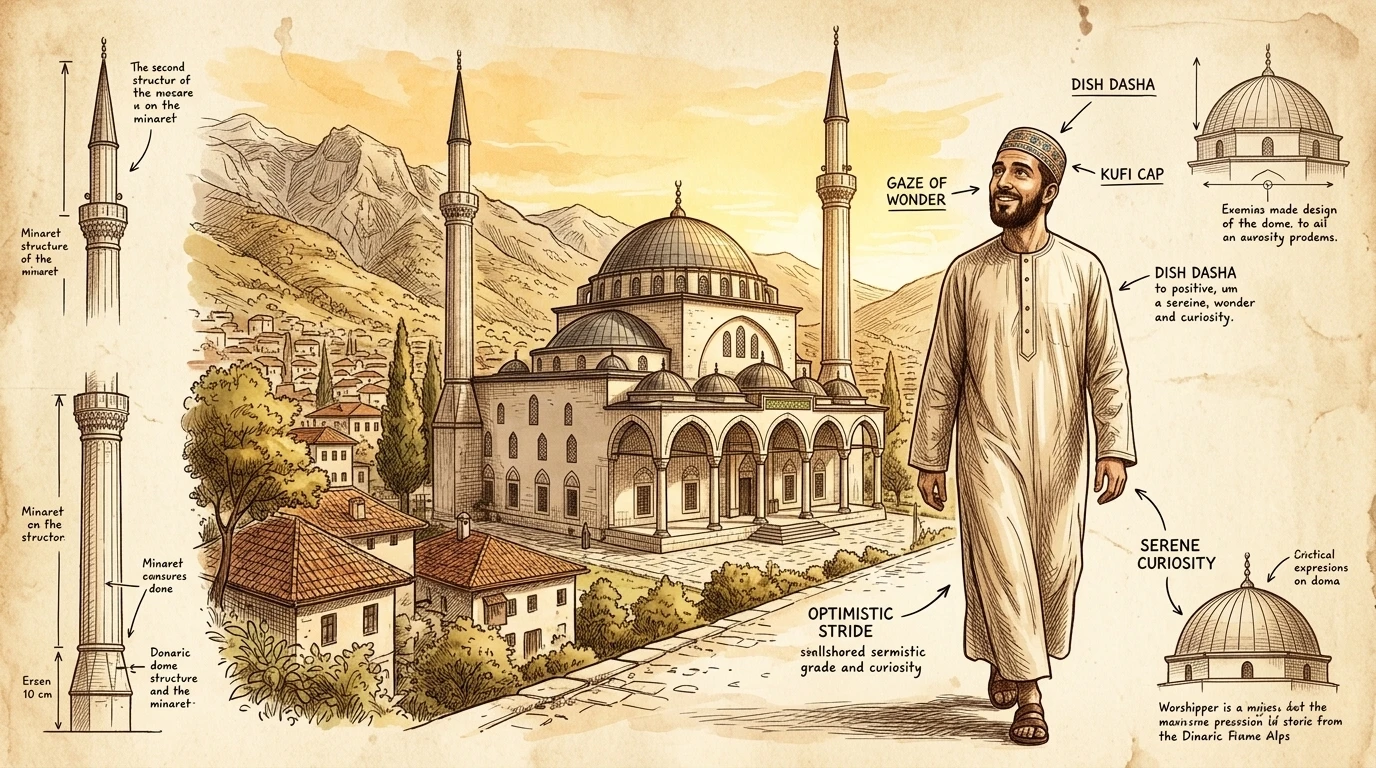
Sarajevo, the capital of Bosnia and Herzegovina, lies nestled in a valley surrounded by the Dinaric Alps, a city where East meets West. The Gazi Husrev-beg Mosque stands as a testament to the city's rich Ottoman heritage, a focal point of daily life.
Travel Fact: The Gazi Husrev-beg Mosque is one of the most important Islamic monuments in the Balkans.
Page 2
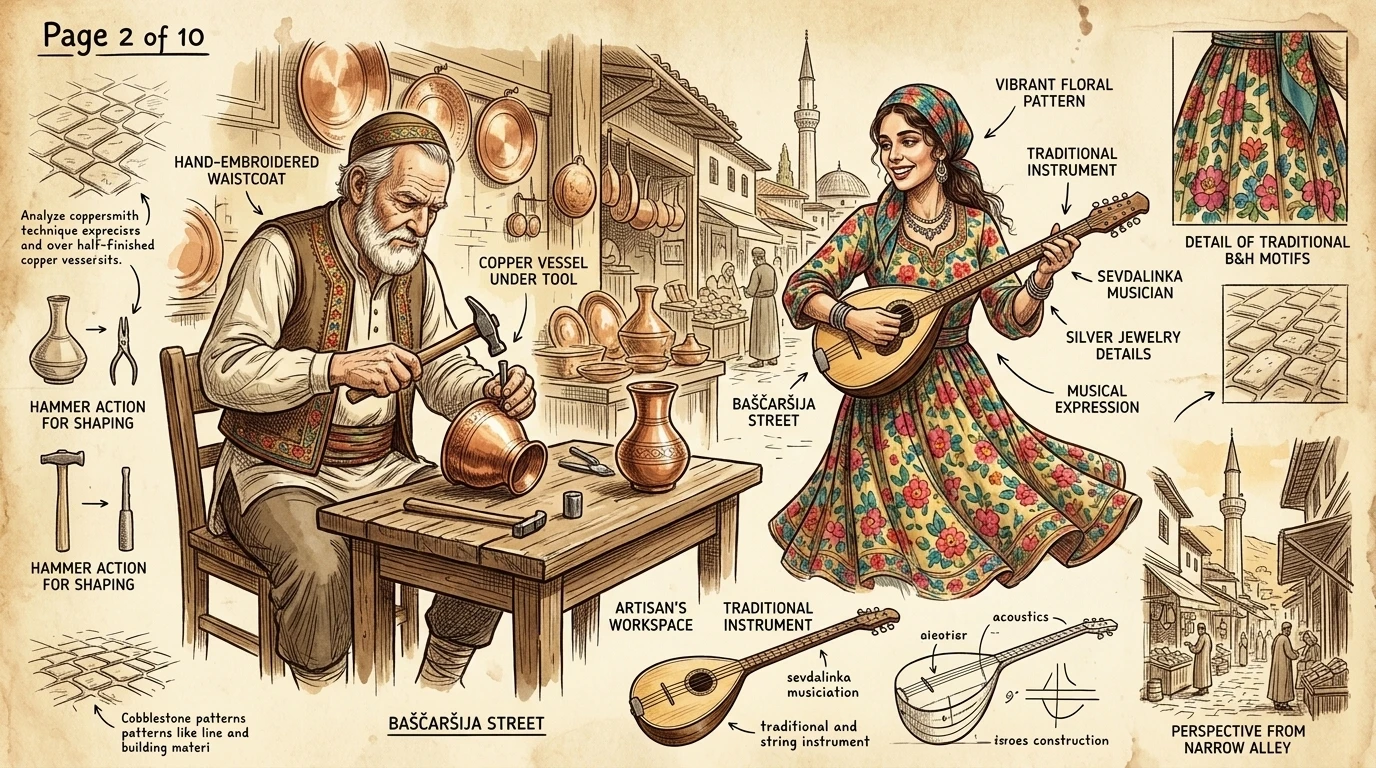
The Baščaršija, Sarajevo's old bazaar, pulses with life as the aroma of ćevapi fills the air. Traditional Bosnian music drifts through the cobblestone streets, a lively soundtrack to the bustling trade.
Travel Fact: Ćevapi are grilled minced meat, a staple of Bosnian cuisine, often served with somun bread and kajmak.
Page 3
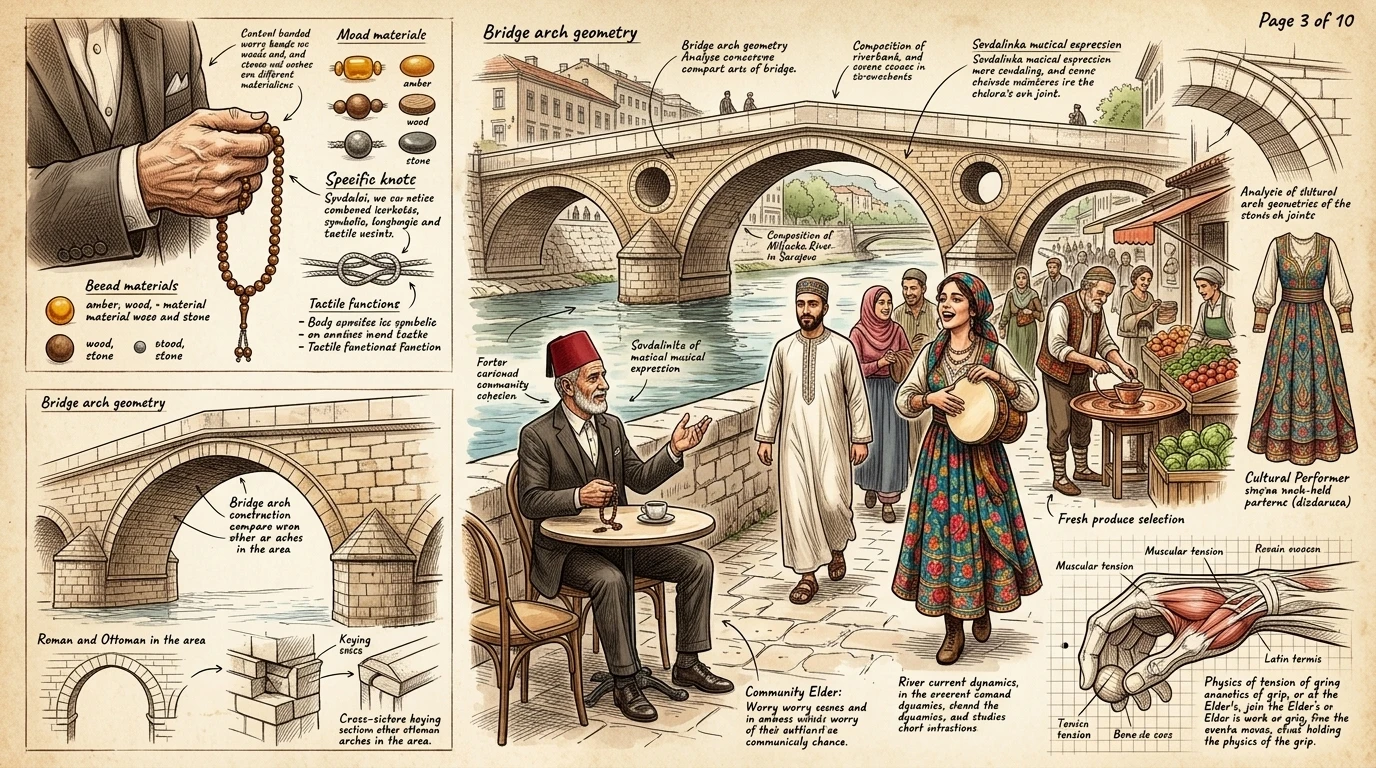
The Latin Bridge, a simple stone arch over the Miljacka River, bears witness to a pivotal moment in history. Locals stroll along the riverbank, a blend of past and present seamlessly intertwined.
Travel Fact: The assassination of Archduke Franz Ferdinand took place near the Latin Bridge in 1914, triggering World War I.
Page 4
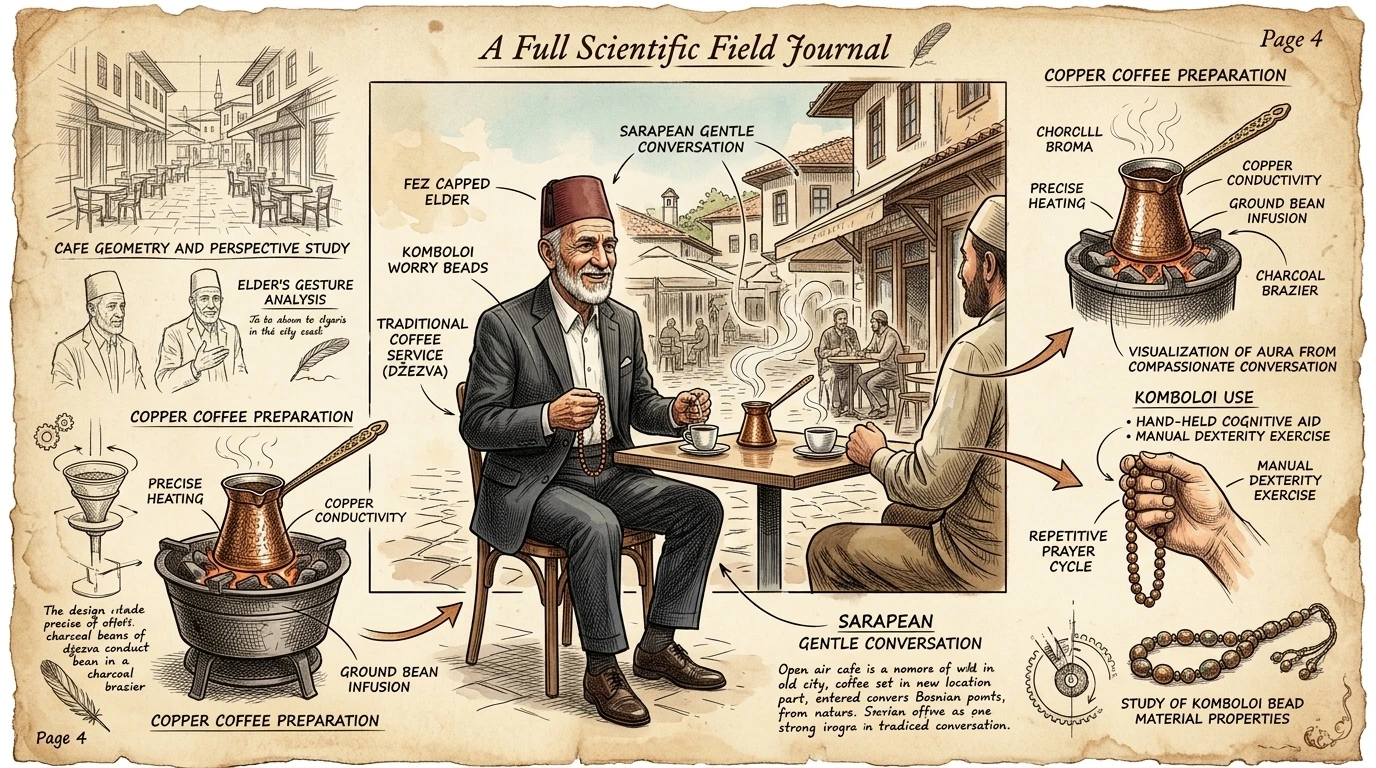
Bosnian coffee culture thrives in Sarajevo, with locals gathering in open-air cafes for hours of conversation and strong, dark brew. The scent of roasted beans hangs in the air, mingling with the murmur of voices and laughter.
Travel Fact: Bosnian coffee is traditionally served in a džezva, a small copper pot, with rahat lokum (Turkish delight).
Page 5
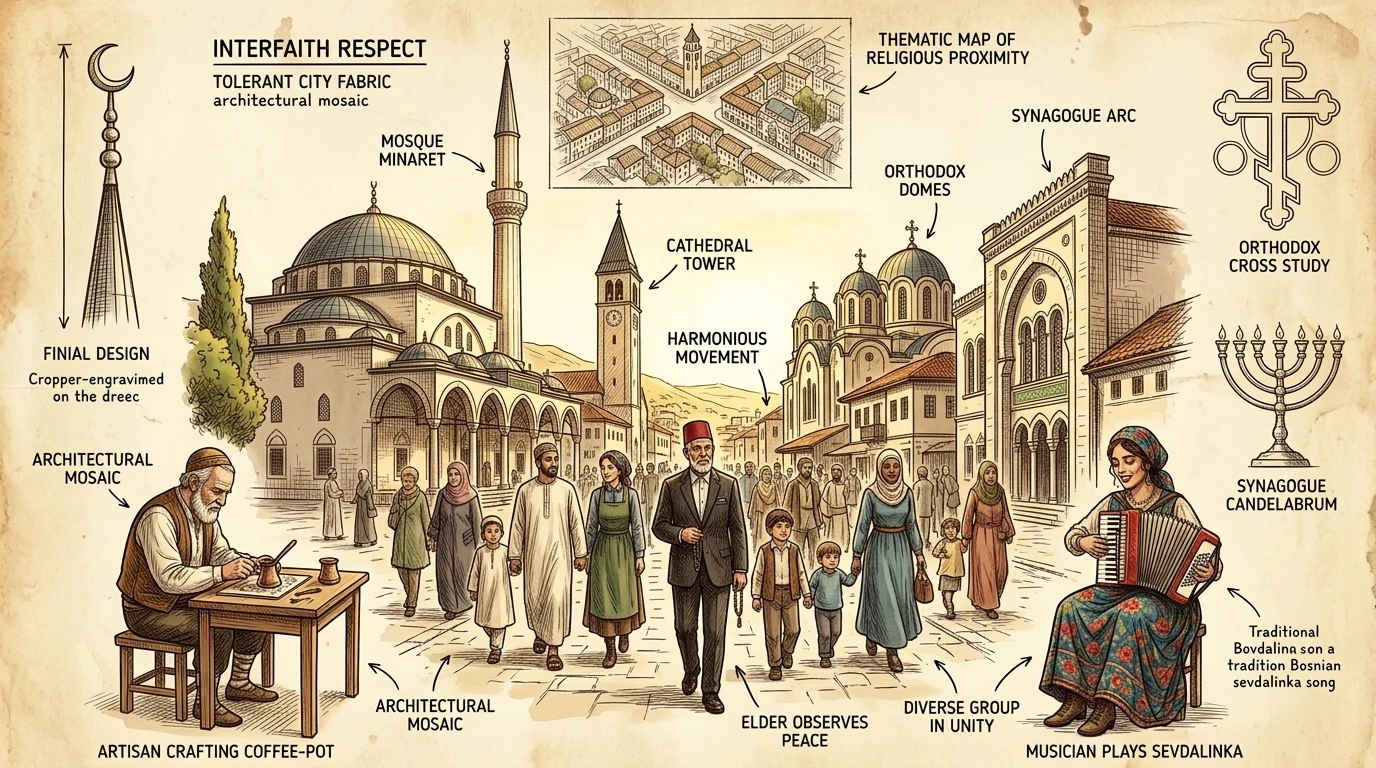
Sarajevo is known as the 'European Jerusalem' for its religious diversity, where a synagogue, cathedral, mosque, and Orthodox church stand in close proximity. This coexistence reflects the city's complex and tolerant history.
Travel Fact: Sarajevo is often called 'European Jerusalem' because of its diverse religious communities living side by side.
Page 6
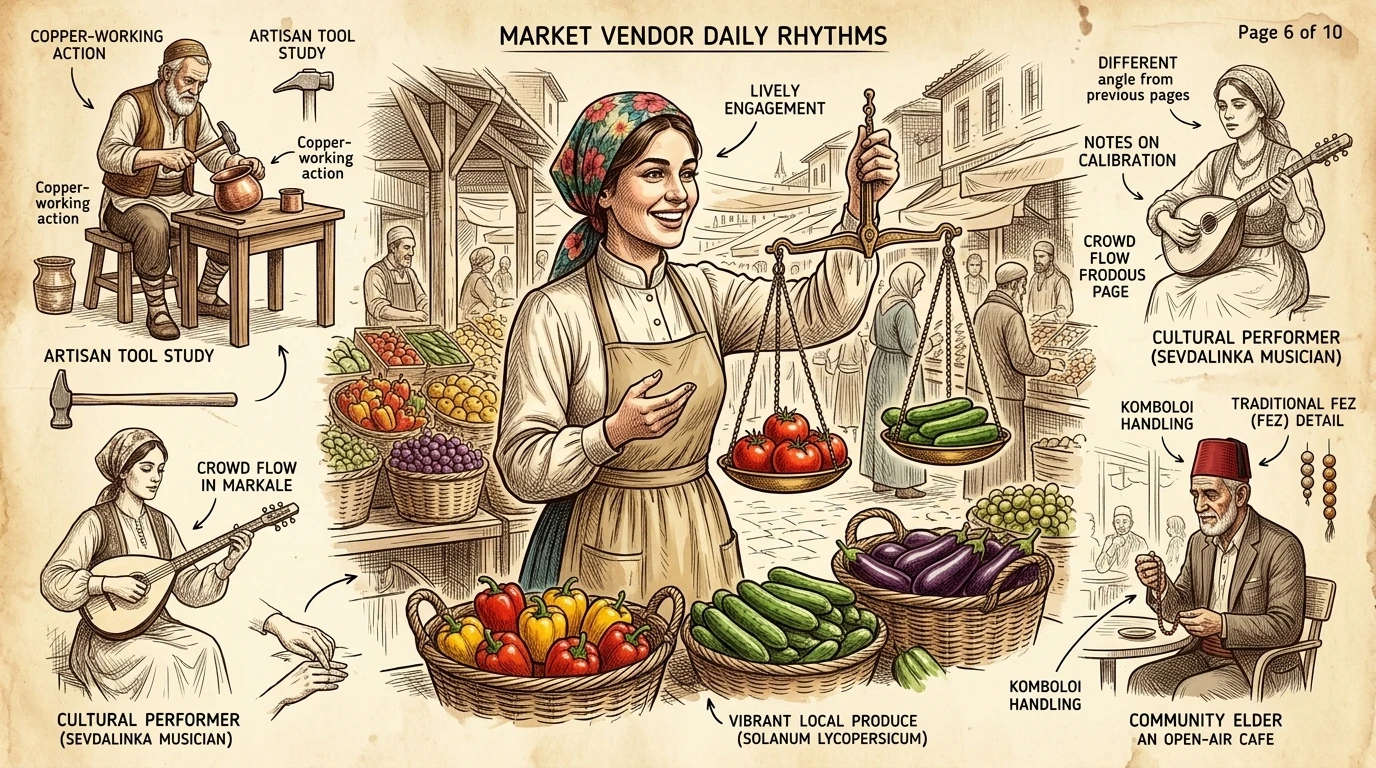
The Markale Market bursts with fresh produce, a kaleidoscope of colors and scents that embody the region's agricultural wealth. Locals haggle over prices, their voices mingling in a vibrant chorus.
Travel Fact: The Markale Market was the site of two massacres during the Siege of Sarajevo, making it a place of both commerce and remembrance.
Page 7
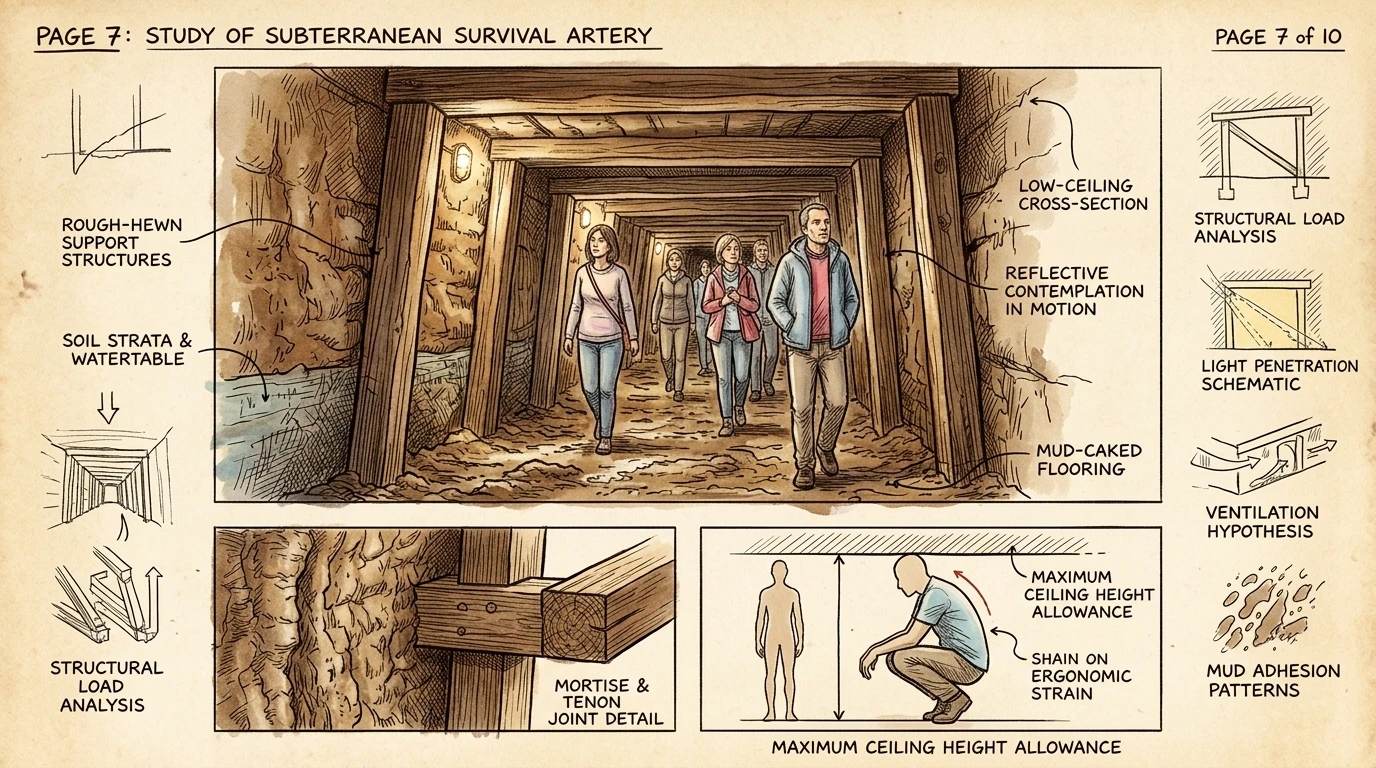
The Tunnel of Hope, a lifeline during the Siege of Sarajevo, stands as a stark reminder of resilience and survival. Visitors walk through the preserved section, contemplating the city's painful past.
Travel Fact: The Tunnel of Hope was a secret passage built during the Siege of Sarajevo to transport supplies and people in and out of the city.
Page 8
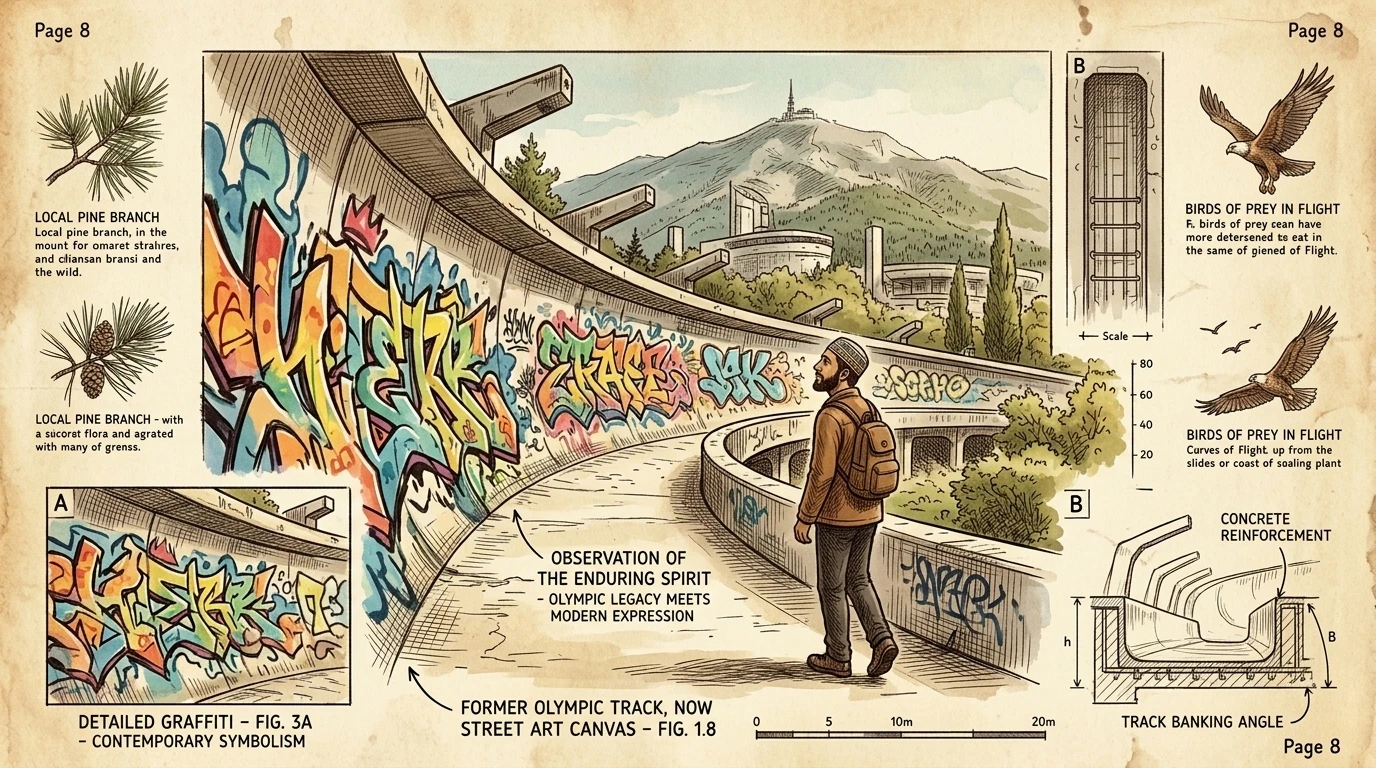
The abandoned bobsleigh track on Mount Trebević serves as a haunting reminder of the 1984 Winter Olympics, a testament to a time of hope and unity. Today, it stands as a canvas for street art, a symbol of Sarajevo's enduring spirit.
Travel Fact: Sarajevo hosted the 1984 Winter Olympics, a period of great pride and prosperity for the city.
Page 9
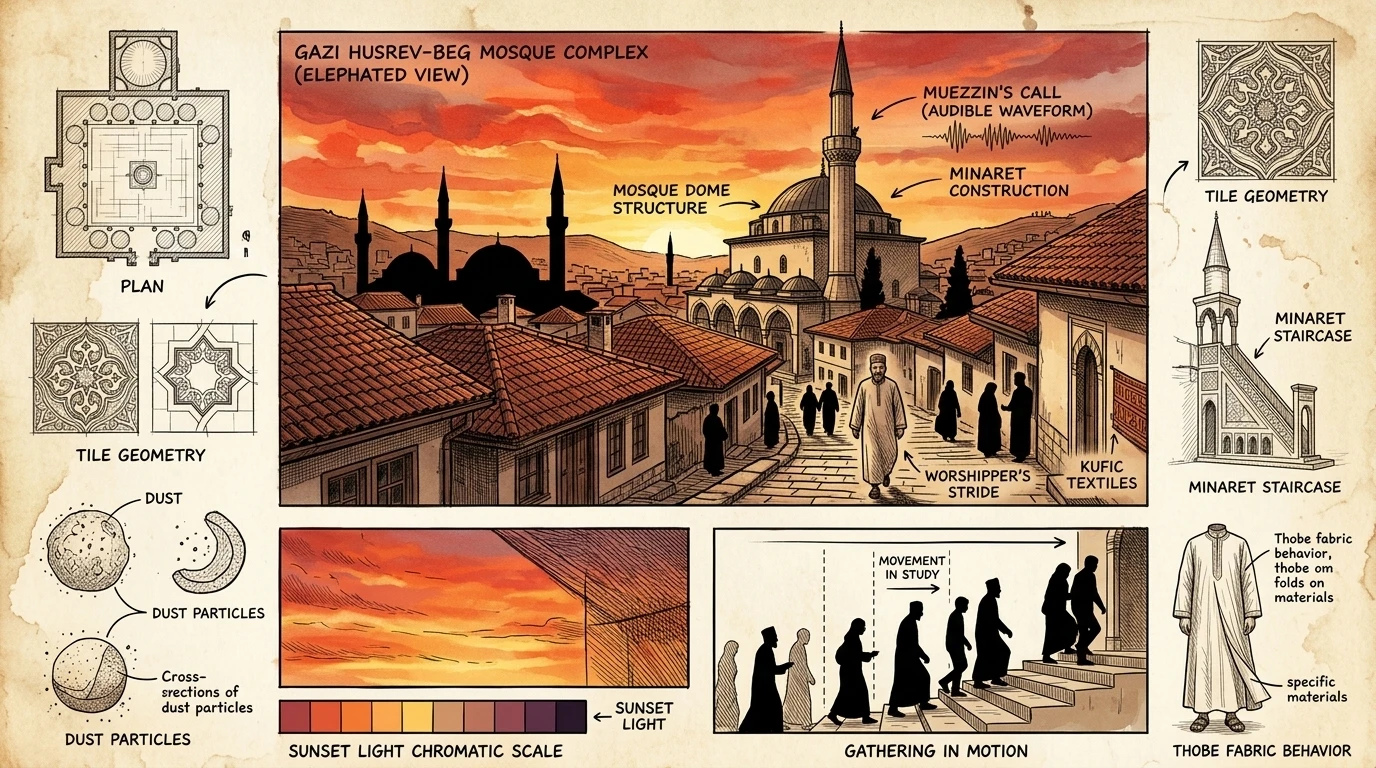
As the sun sets over Sarajevo, the call to prayer echoes from the mosques, a melodic invitation to reflection. Worshippers gather, their silhouettes framed against the fiery sky.
Travel Fact: The call to prayer, or Adhan, is recited from mosques five times a day, inviting Muslims to prayer.
Page 10
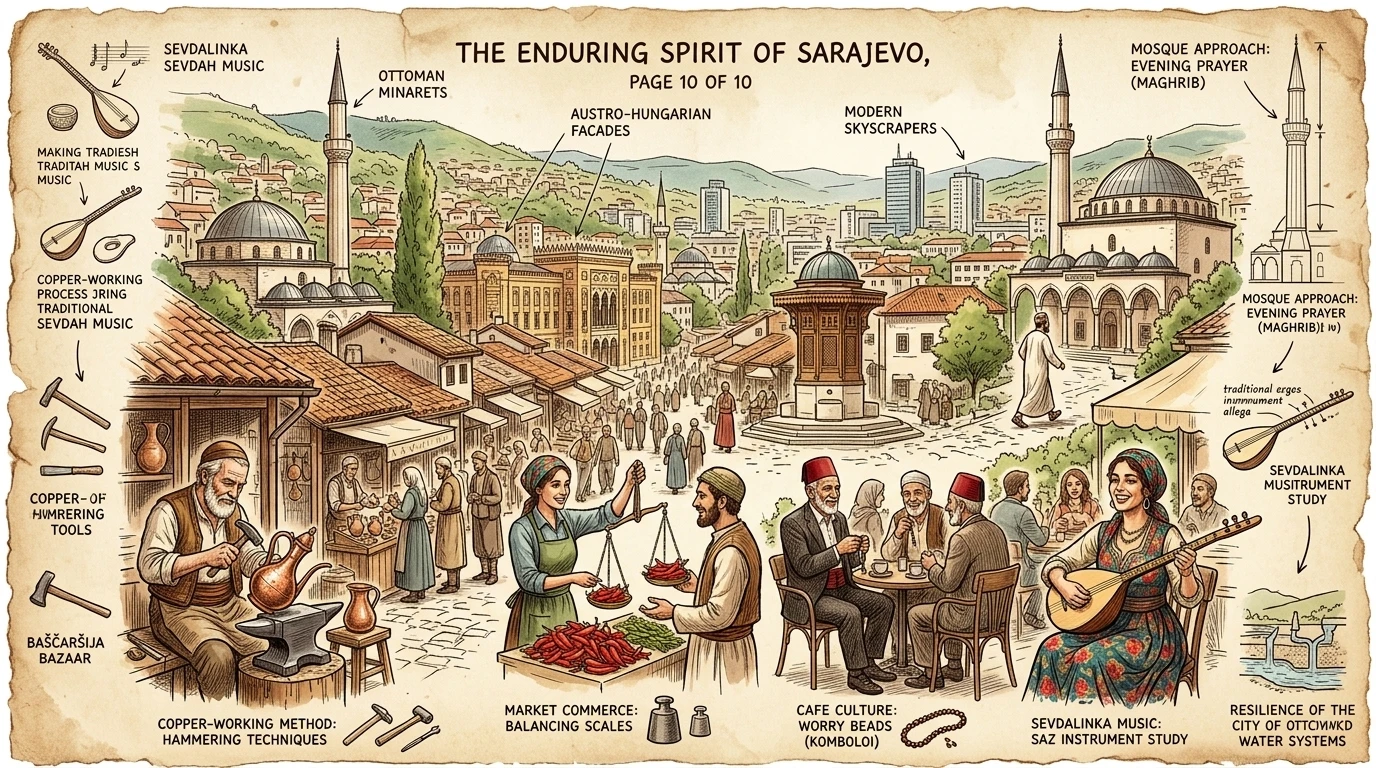
Sarajevo stands as a beacon of resilience, a city that has weathered storms and emerged with its spirit intact. Come, experience the vibrant heart of a city where history whispers from every corner, and the future shines bright.
Travel Fact: Sarajevo's spirit of resilience and cultural diversity makes it a unique and compelling destination.
About this story
- Location: Global
- Audience: general readers
Questions and answers
Questions and answers about Sarajevo, Bosnia and Herzegovina
Read Wonder Travel on your phone
Wonder Travel is available on Android. Get Wonder Travel on Google Play.