Deir el-Medina: The Village of the Tomb Builders — القراءة بالعربية
عناوين القصص ما زالت بالإنجليزية، أمّا نص كل قصة فبالعربية.
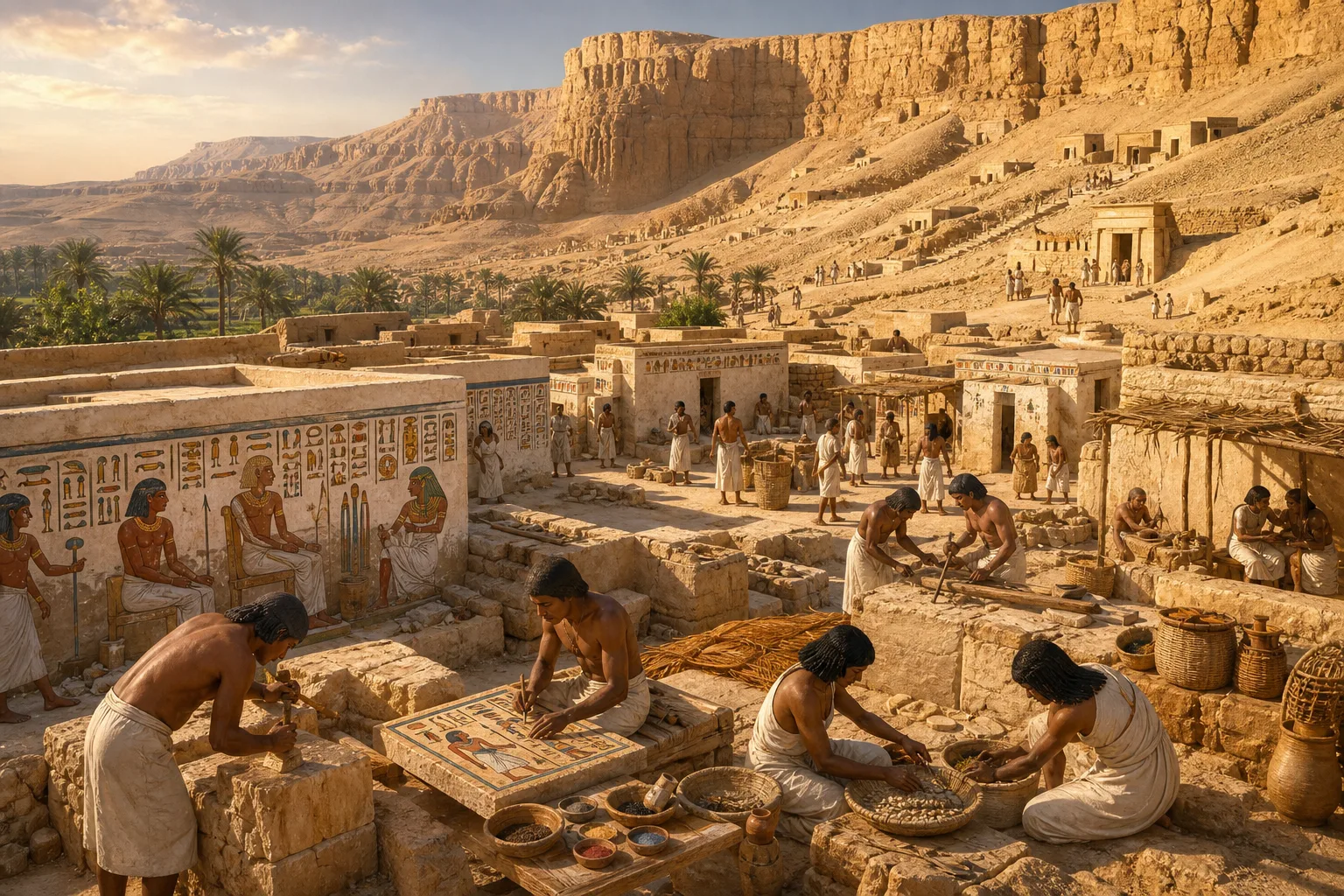
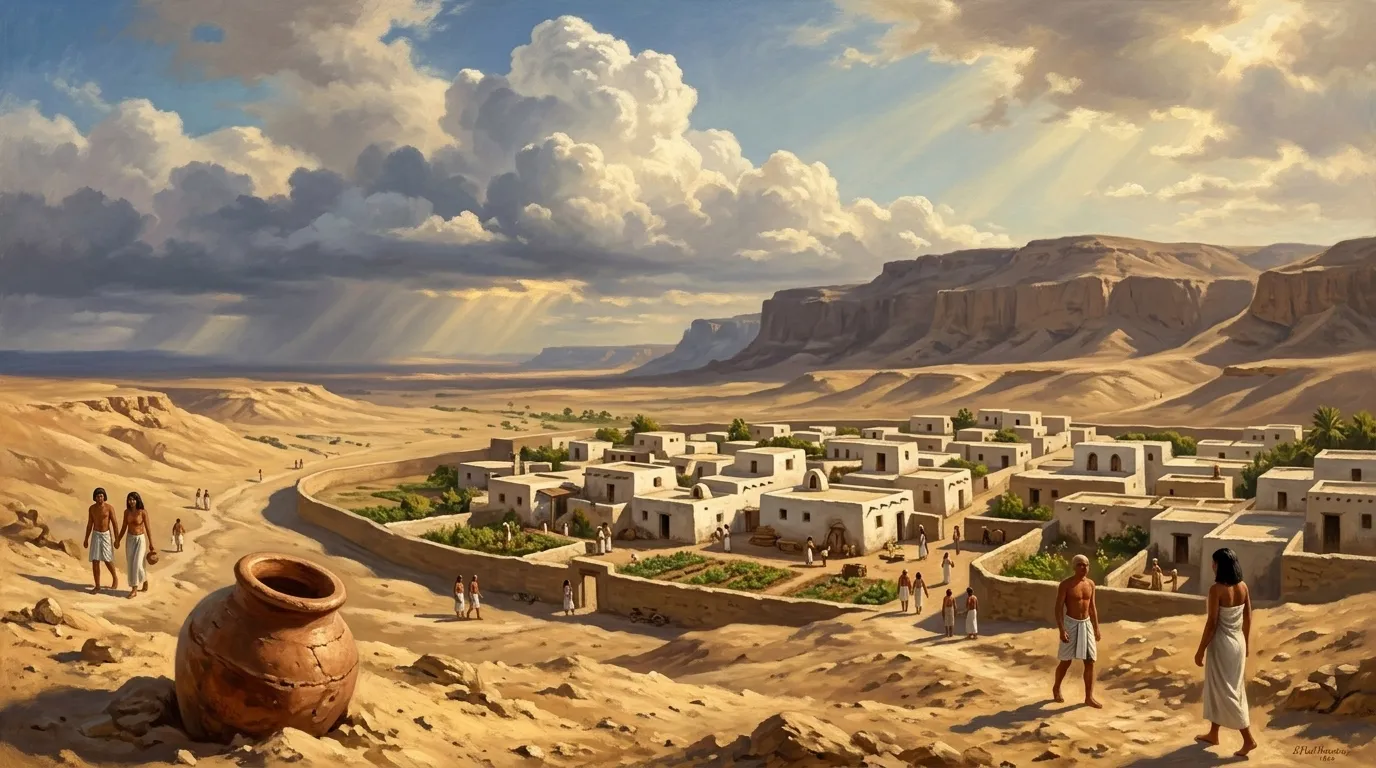
منذ ثلاثة آلاف عام، على الضفة الغربية الوعرة لمدينة طيبة، نشأت مستوطنة فريدة من غبار الصحراء، تأسست حوالي القرن الخامس عشر قبل العصر المشترك. كانت هذه دير المدينة، "مكان الحقيقة"، وهي قرية معزولة بعناية تضم "الخدم في مكان الحقيقة"، وهم الحرفيون المختارون الذين نحتوا وزينوا وأغلقوا أماكن الراحة الأبدية لفراعنة مصر في وادي الملوك. من فجر المملكة الحديثة تحت حكم شخصيات مثل تحتمس الأول، الذي من المحتمل أنه أضفى الطابع الرسمي على غرضها، مرورا بعظمة سيتي الأول ورمسيس الثاني، وحتى السنوات الأخيرة الصعبة تحت حكم رمسيس الثالث، صمد هذا المجتمع لأكثر من أربعمائة عام. لقد كان عصرا تحدده الطموح الهائل لبناء المقابر الملكية، مما تطلب براعة لا مثيل لها وهيكلا اجتماعيا محكما. هنا، تداخلت الحياة اليومية للكتبة مثل أمن نخت ورؤساء العمال مثل نفر حتب مع المهام الضخمة. ما يجعل هذا العصر حيا بشكل فريد ليس فقط حجم إبداعاته، بل السجل الحميمي المحفوظ لوجوده اليومي - شهادة على المسعى البشري، والتفاني، وفي النهاية، الضغوط التي أدت إلى لحظات من الاضطرابات الاجتماعية العميقة، تاركة وراءها أرشيفا لا مثيل له عبر العصور.
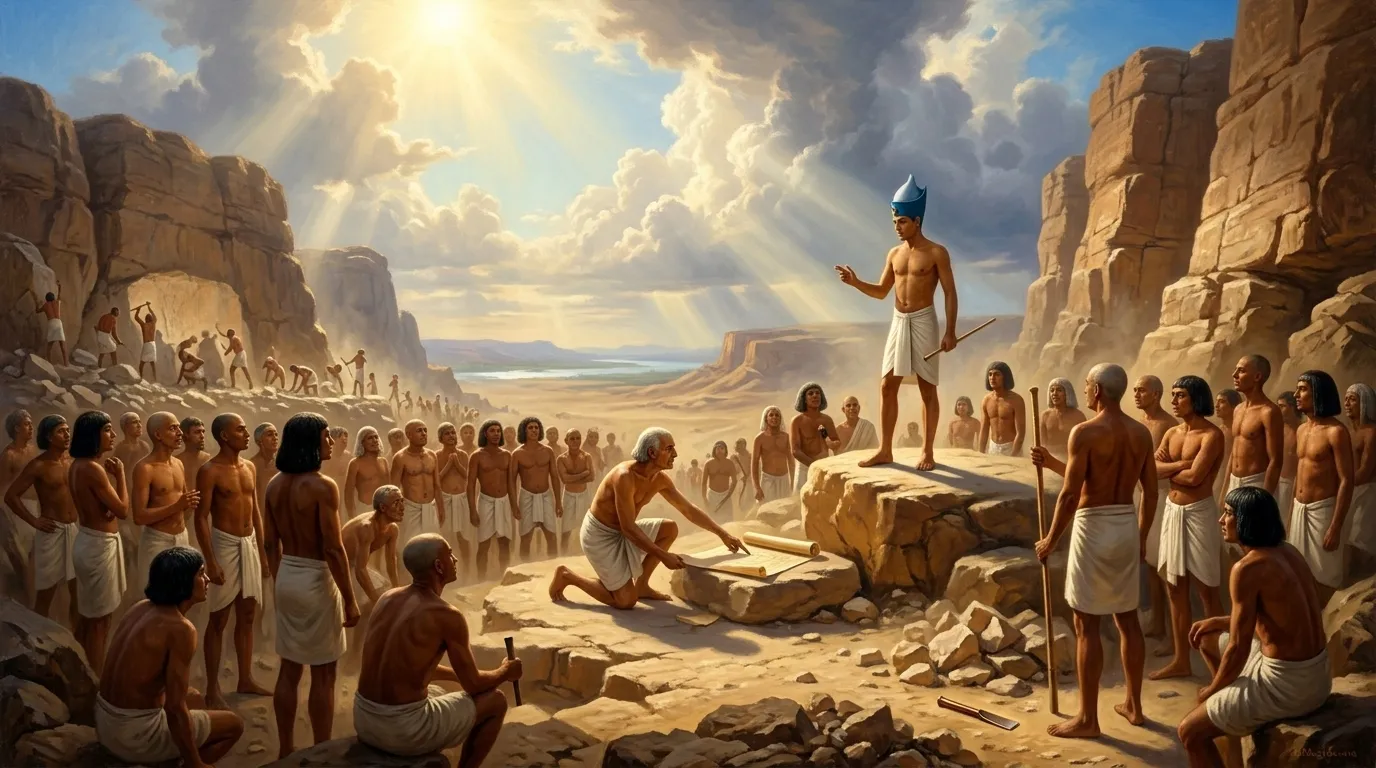
Around 1490 BC, a crisp morning wind carried the dust of fresh excavation through the newly designated Valley of the Kings. Thutmose I, a mature man in his early forties, stood on a rocky outcrop, his gaze sweeping across the burgeoning necropolis. His vision was clear: a hidden valley, its tombs inviolable, carved deep into the living rock, unlike the vulnerable pyramids of old. The chief of works, a formidable man named Ineni, an aged and respected official with decades of service, knelt beside a rolled papyrus plan, his finger tracing a rough schematic. The conversation was hushed, but its weight was profound; it charted the future of royal burial and the dedicated workforce needed to achieve it. This ambitious undertaking would require not just laborers, but skilled artisans, scribes, and administrators—a permanent community devoted solely to this sacred task, far from the bustling capital. The foundation of the 'Place of Truth' began with such moments, charting the unseen pathways to eternity. “The mountain will yield, Ineni. Ensure secrecy, ensure provision. Their homes will rise from this very stone, their hands will shape eternity.”
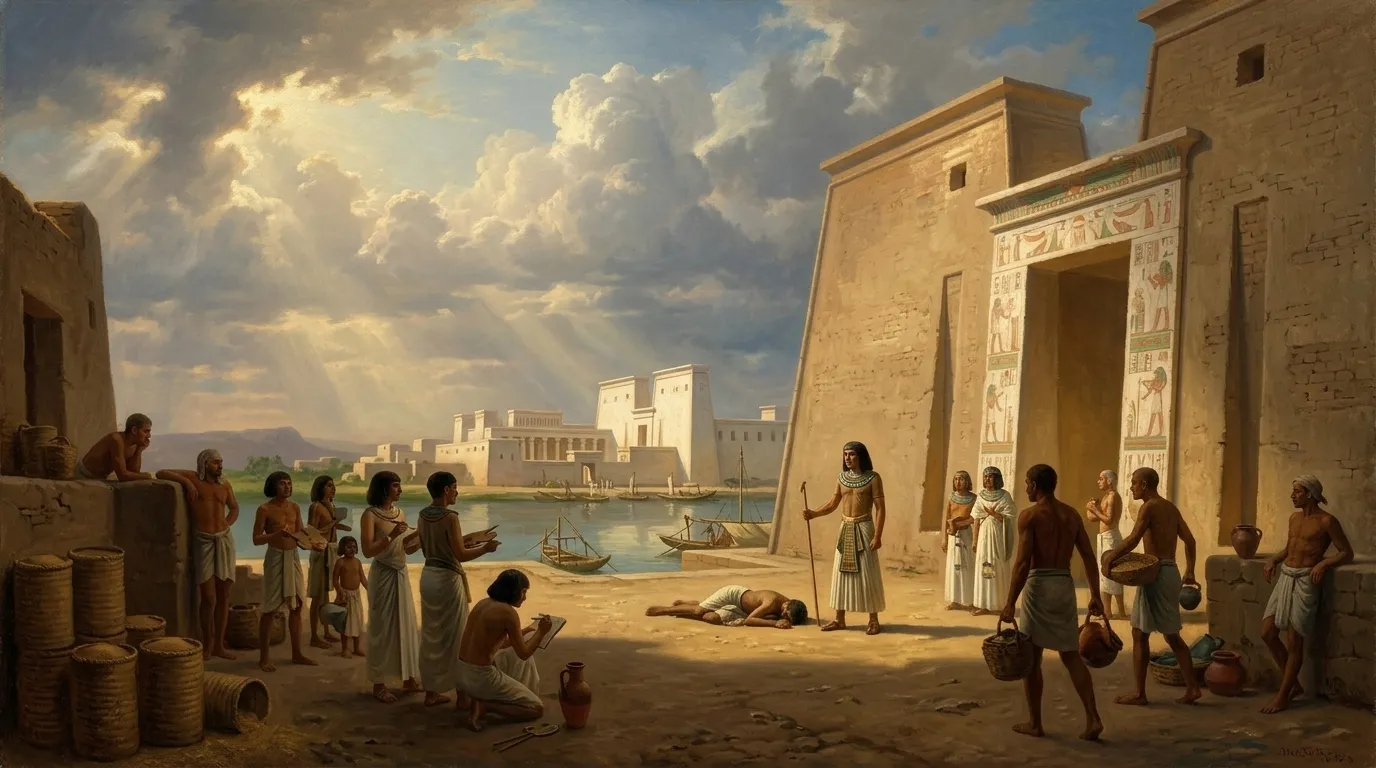
بعد قرون، حوالي عام ألف ومئتين وثمانين قبل الميلاد، في عهد رمسيس الثاني، كان القلب الإداري ل "مكان الحقيقة" يخضع لتدقيق مستمر. داخل المبنى الإداري الرئيسي لدير المدينة، وقف الوزير باسر، وهو رجل ذو حضور مهيب في أوائل الخمسينات من عمره، وجهه محفور بأعباء منصبه، أمام كومة عالية من الألواح الطينية ولفائف البردي. كانت نظرته الثاقبة مثبتة على كبير كتبة المقبرة، وهو رجل أصغر سنا ومتوتر في أواخر الثلاثينات من عمره، والذي قدم دفترا يسجل تفاصيل مؤن القرية. علقت رائحة الحبوب المجففة وزيت المصابيح في الهواء. أشار باسر، المعروف بدقته، بعصا إلى إدخال معين، مطالبا بتوضيح بشأن عجز قمح الإيمر، وهو غذاء أساسي. كانت سلامة سلسلة التوريد ذات أهمية قصوى؛ فقوة عاملة جائعة تعني تأخير المقابر الملكية، وهو وصمة عار على إرث الفرعون. كانت صوامع طيبة الشاسعة تغذي هذا المجتمع المنعزل، لكن اللوجستيات المعقدة غالبا ما كانت تتعثر، وكانت المساءلة تقع على عاتق رجال مثل هؤلاء، تحت العين الصارمة للوزير. "هذا النقص في الإيمر... اشرح وجوده. يجب ألا يجوع عمال الملك. عملهم، ومكانتنا، يعتمدان على هذا الحساب."
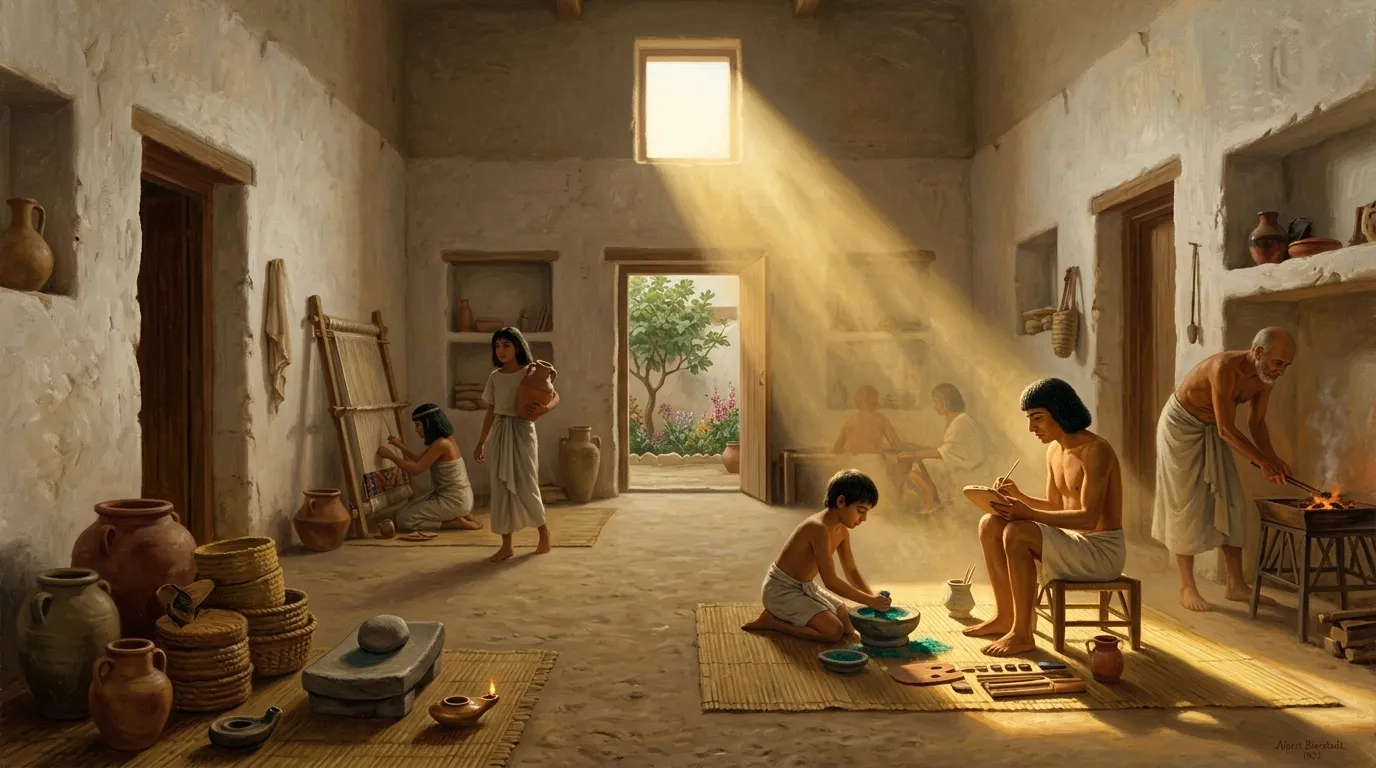
Within the ordered chaos of a scribe’s house in Deir el-Medina, around 1270 BC, Amennakht, the esteemed Scribe of the Tomb, a man in his early fifties with keen, intelligent eyes, sat cross-legged on a low stool. The late morning sun filtered through a high window, illuminating the fine dust motes in the air and highlighting the hieroglyphs he carefully inscribed onto a fresh ostracon. His eldest son, a boy of ten, sat beside him on a reed mat, diligently grinding pigments in a small stone mortar, learning the ancient craft. The rhythmic scrape of the pestle was the only sound, save for the occasional rustle of papyrus. Amennakht was not merely a record-keeper; he was a literate leader, a keeper of knowledge, and often an arbitrator of disputes within the community. His writings, on everything from daily attendance logs to legal documents and religious texts, formed the backbone of the village’s documented life, offering unparalleled insights into their world. “Each stroke, my son, is a link in a chain of words. These marks shall speak long after our voices fade, bearing witness to the King’s will and our devotion.”
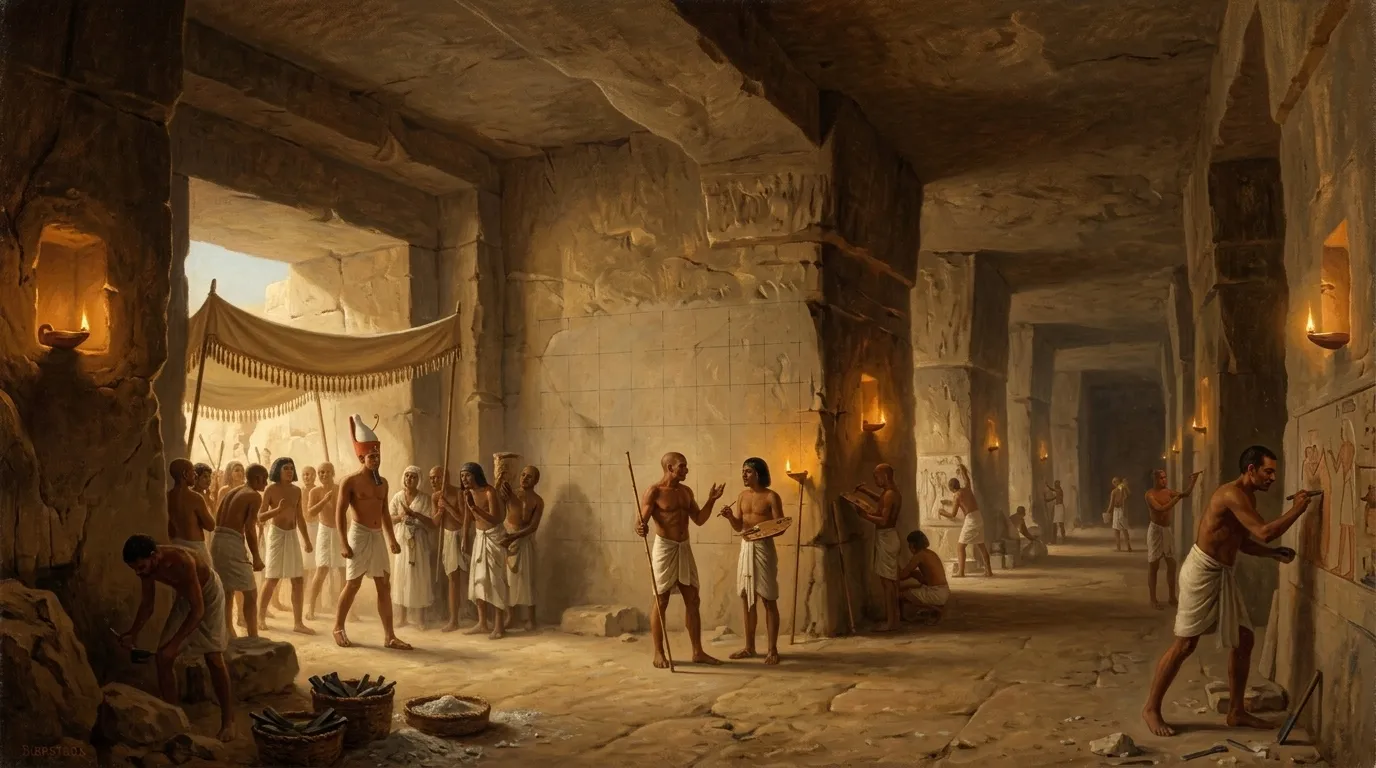
في عمق الحجرات الباردة والمنحوتة بدقة لمقبرة ملكية في وادي الملوك، حوالي عام ألف ومئتين وخمسين قبل الميلاد، كان الهواء ثقيلا برائحة غبار الصخور والرائحة النفاذة للأصباغ المعدنية. وقف نفر حتب، رئيس عمال الجانب الأيسر المحترم، وهو رجل قوي في أواخر الأربعينات من عمره، أكتافه عريضة من سنوات العمل الشاق، وسط مجموعة من الحرفيين. كان يرتدي مئزرا بسيطا ملطخا بالغبار، وكانت يداه القويتان، المعتادتان على الإزميل، تحملان الآن خطة من ورق البردي. وبنظرة جادة، أشار إلى قسم تم تسويته حديثا من الجدار، حيث كان رسام ماهر، في أوائل الثلاثينات من عمره، يرسم الشبكة الأولية لمشهد. كان صوت الطرق المستمر للمطارق والأزاميل يتردد من عمق المقبرة، حيث كان عمال آخرون لا يزالون يوسعون الممرات. كانت مسؤولية نفر حتب هائلة: ترجمة النصوص المقدسة والصور الإلهية من ورق البردي إلى الحجر، لضمان الكمال والالتزام بالتقاليد، وتوجيه الأيدي التي ستحفر الأبدية للملك. "يجب أن يكون الخط مستقيما يا أخي. لا انحراف. رحلة الإله الملك تعتمد على كمال هذه الصور، تماما كما تعتمد الشمس على مسارها اليومي."
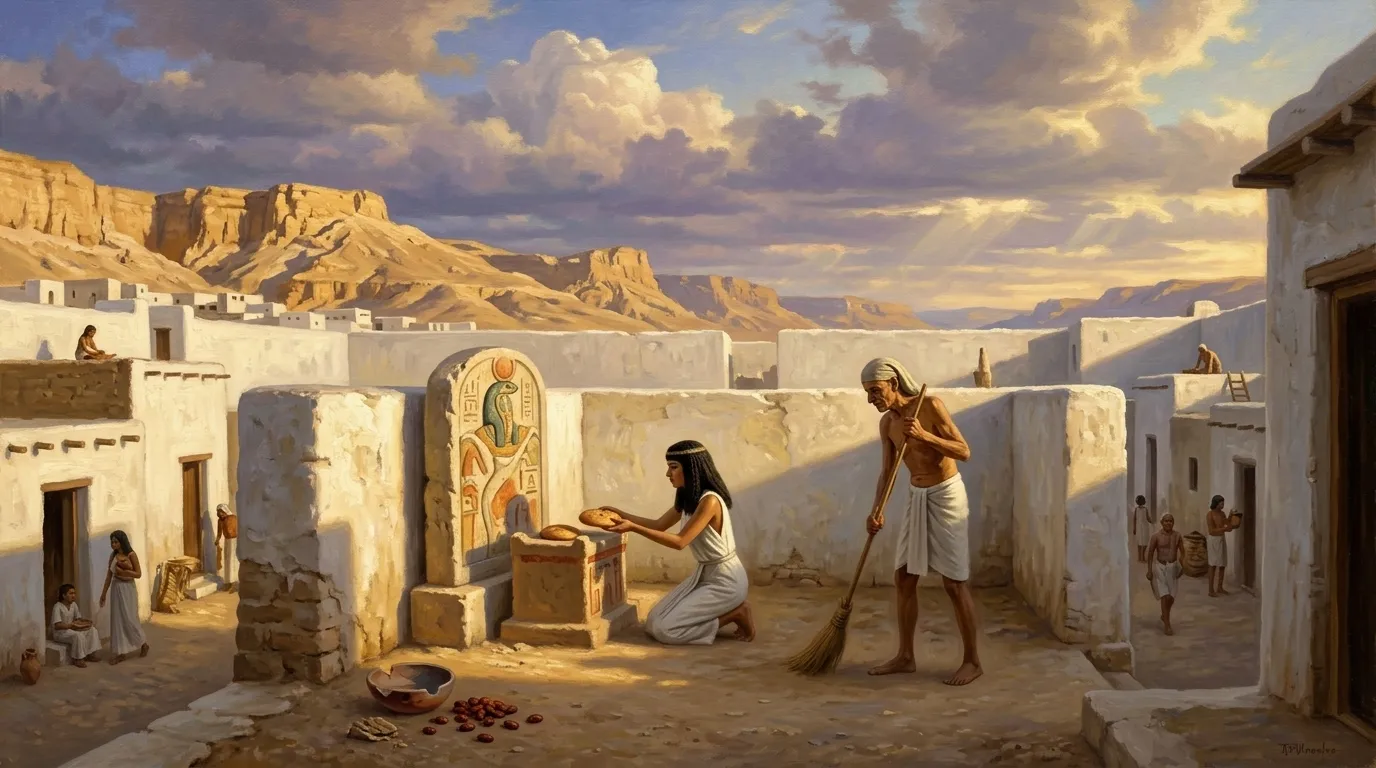
The sun, relentless even in the late afternoon, cast long shadows across the small, public shrine dedicated to Meretseger, 'She Who Loves Silence,' the patron goddess of the Theban necropolis. Within the enclosed courtyard of the Deir el-Medina village, around 1230 BC, a small group of villagers gathered. A woman, mid-thirties, in a simple white linen sheath dress, her hair bound in a dark wig, knelt before a small, carved stela, placing an offering of a small, fresh loaf of bread. Nearby, an older man, perhaps a retired workman, early sixties, frail but with a serene expression, meticulously swept the sandy ground with a palm frond broom. The air was filled with the quiet murmurs of prayer and the dry rustle of the broom. This personal piety, separate from the grand state temples, was a crucial part of life in the village, offering solace and protection from the perceived dangers of their sacred, yet isolated, world. Life here was a constant negotiation between the demanding royal work and the deeply held personal beliefs of its inhabitants. “Mother Meretseger, protect our hands, guide our sons, and guard the secrets of the West. May our work be true, and our offerings pleasing.”
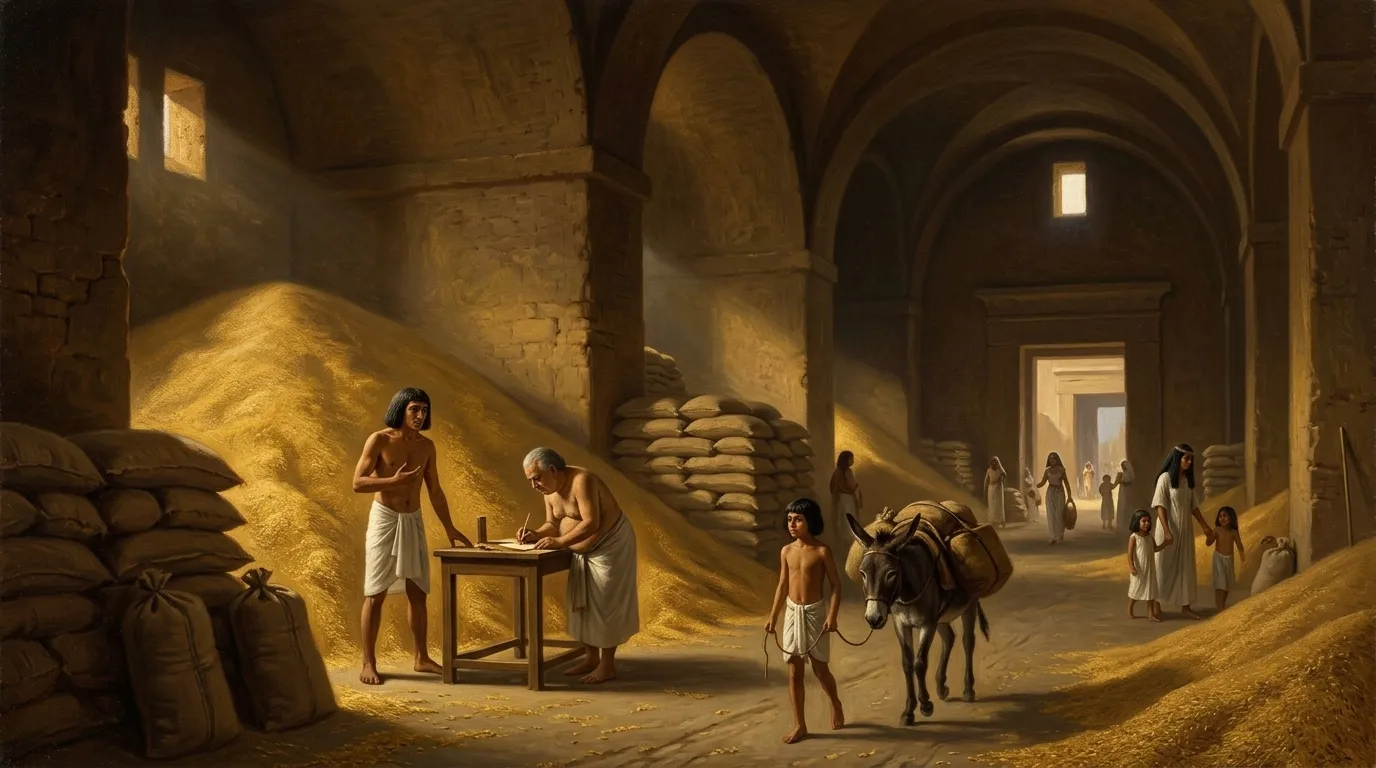
By the reign of Ramesses II, around 1220 BC, the vast enterprise of tomb construction, combined with the king's extensive building programs elsewhere, began to place significant strain on the state’s resources. Within the cavernous royal granary on the East Bank of Thebes, the air was thick with the scent of stored grain and the rustle of sacks. The Vizier, no longer Paser but a new, younger official, Overseer of the Royal Granaries, a man in his late thirties, stood before towering piles of harvested emmer and barley. His face was drawn with worry as he consulted with an older, corpulent scribe, early fifties, who meticulously tallied figures on a wax-covered tablet. The convoys of supplies destined for Deir el-Medina, once abundant and regular, now arrived with increasing delays and diminished quantities. The King's ambitious vision demanded more than the Nile could always provide, and the implications for the isolated workers were dire, foreshadowing a period of escalating hardship and discontent. “The harvest reports are grim. The allocation for the West Bank artisans is insufficient once more. How long can their hunger be appeased with empty promises?”
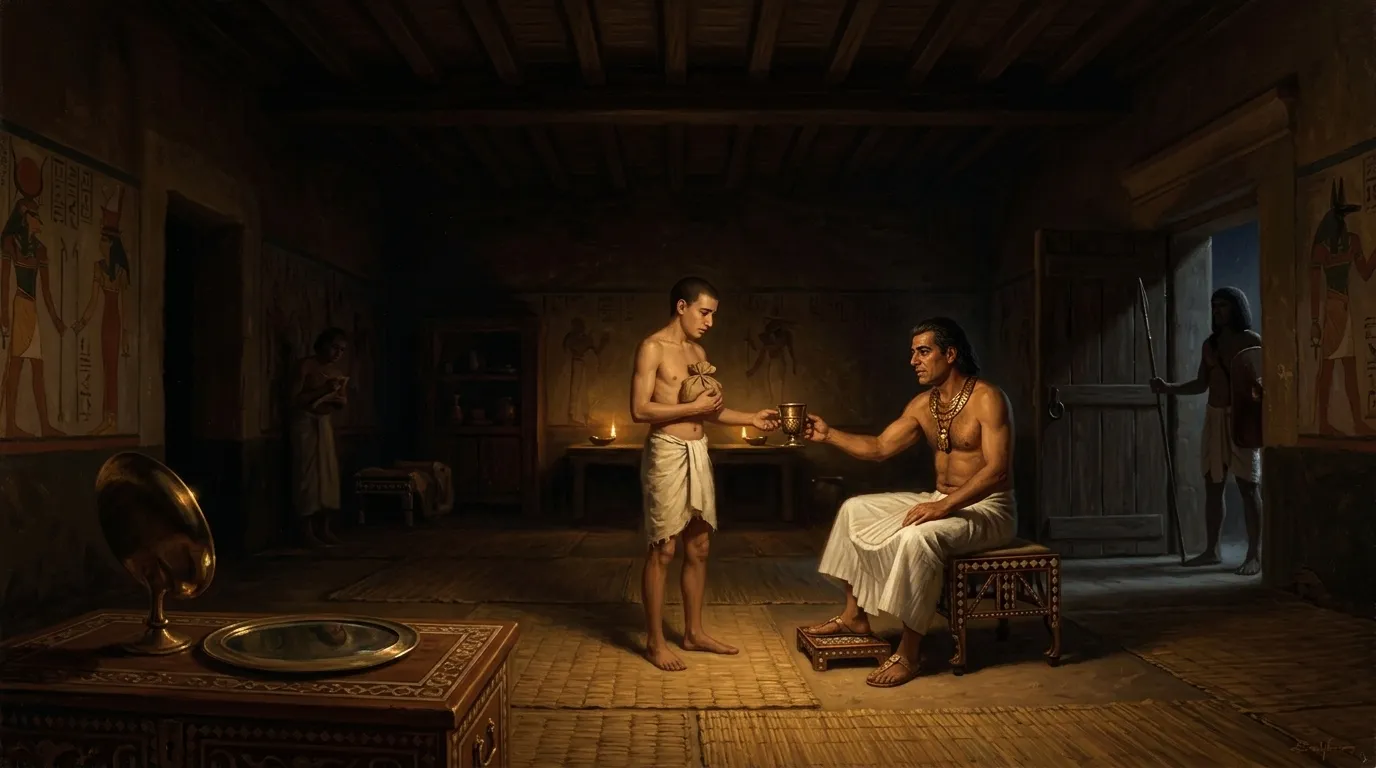
مع اقتراب نهاية الأسرة التاسعة عشرة، حوالي عام ألف ومئة وتسعين قبل الميلاد، ساد تيار أكثر قتامة دير المدينة. داخل المسكن الخاص للمشرف بانب، وهو شخصية قوية ومثيرة للجدل في أواخر الأربعينات من عمره، كان الجو مشحونا بالتوتر، على الرغم من رائحة الزيوت العطرية. جلس بانب، وهو رجل ذو حضور جسدي مهيب ولكن بسمعة طموح عديم الضمير، على طاولة منخفضة، وأصابعه تعبث بتميمة جعران برونزية ثقيلة. أمامه، وقف عامل شاب وقلق، ربما قريب أو تلميذ، في أوائل العشرينات من عمره، متوترا، قابضا على حزمة صغيرة ملفوفة بالكتان. كانت نظرة المشرف ثاقبة ومحسوبة، وهو يستمع إلى تقرير همس يتعلق بمنافس. لقد تميز صعود بانب إلى السلطة باتهامات بالسرقة والاعتداء وحتى تدنيس القبور، وهو تناقض صارخ مع النزاهة المتوقعة من زعيم القرية. وقد أدى وجوده إلى مناخ من الخوف والصراع الداخلي، مما أدى إلى تآكل الثقة التي كانت تربط المجتمع معا، وهو نذير للفساد الأوسع الذي كان يعصف بالدولة. "إذن، يجرؤ المشرف الأكبر على التشكيك في سلطتي؟ اتهاماته ليست سوى همسات في الريح. تأكدوا من أنها ستبقى كذلك، وإلا فسيجد صوته ضائعا في الصحراء."
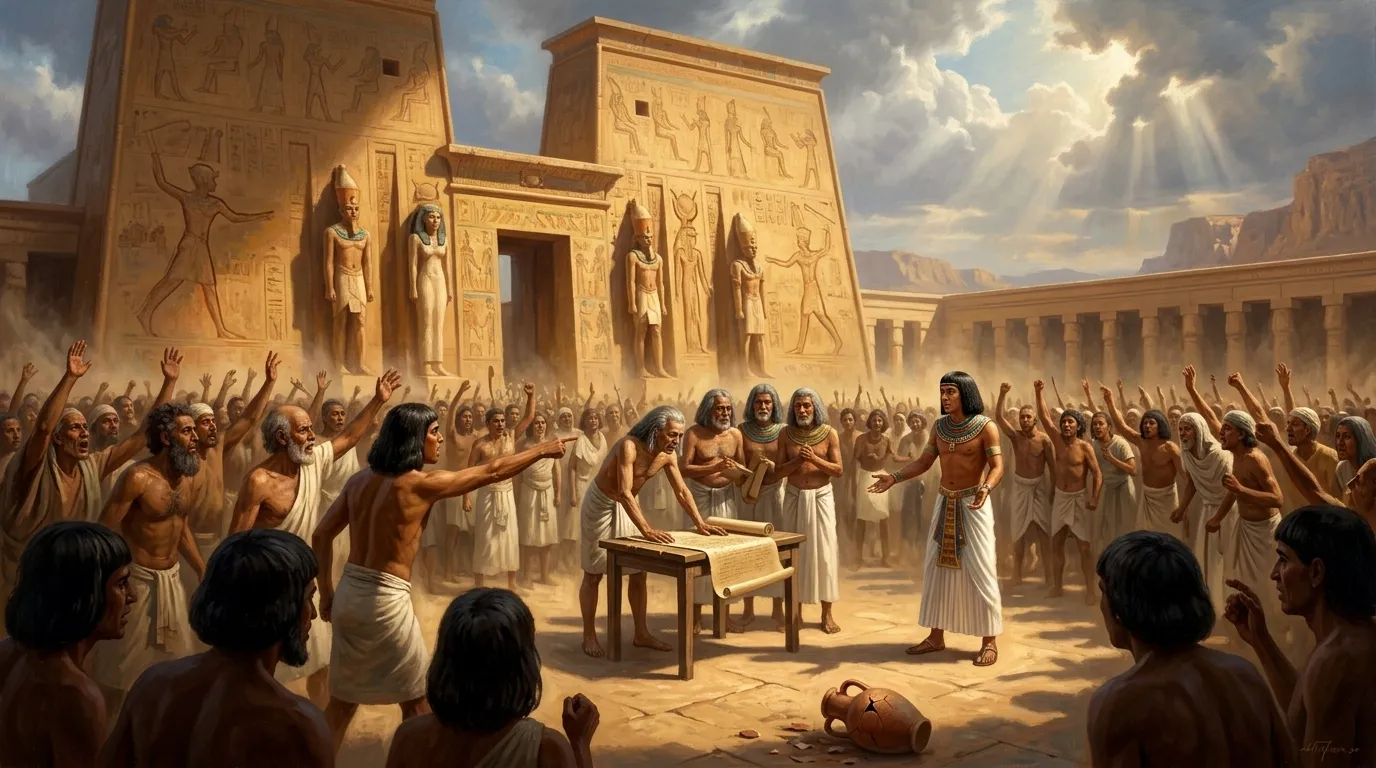
The morning of November 14, 1159 BC, broke not with the usual rhythm of chisels, but with an unprecedented silence from the Valley of the Kings. In the Year 29 of Ramesses III, a pharaoh nearing the end of a long, embattled reign, the 'servants in the Place of Truth' laid down their tools. Across a wide, dusty plaza before the grand mortuary temple of Medinet Habu, hundreds of workers, men and women, dark-haired and sun-baked, gathered, their anger palpable. A group of foremen and scribes, including figures like Qenherkhepeshef, the Scribe of the Tomb, a man in his sixties, stood at the forefront, their voices rising in protest over the lack of provisions and delayed wages. A distraught temple official, pale and sweating, in his fifties, attempted to calm the furious crowd, but his words were drowned out by shouts of 'We are hungry!' This was no mere grumbling; it was the world’s first documented labor strike, a profound moment that laid bare the failing administrative structure of a once-mighty empire. “Our stomachs are empty, our families starve! No grain has come in days, and our wages are long overdue! We will not carve eternity on an empty belly!”
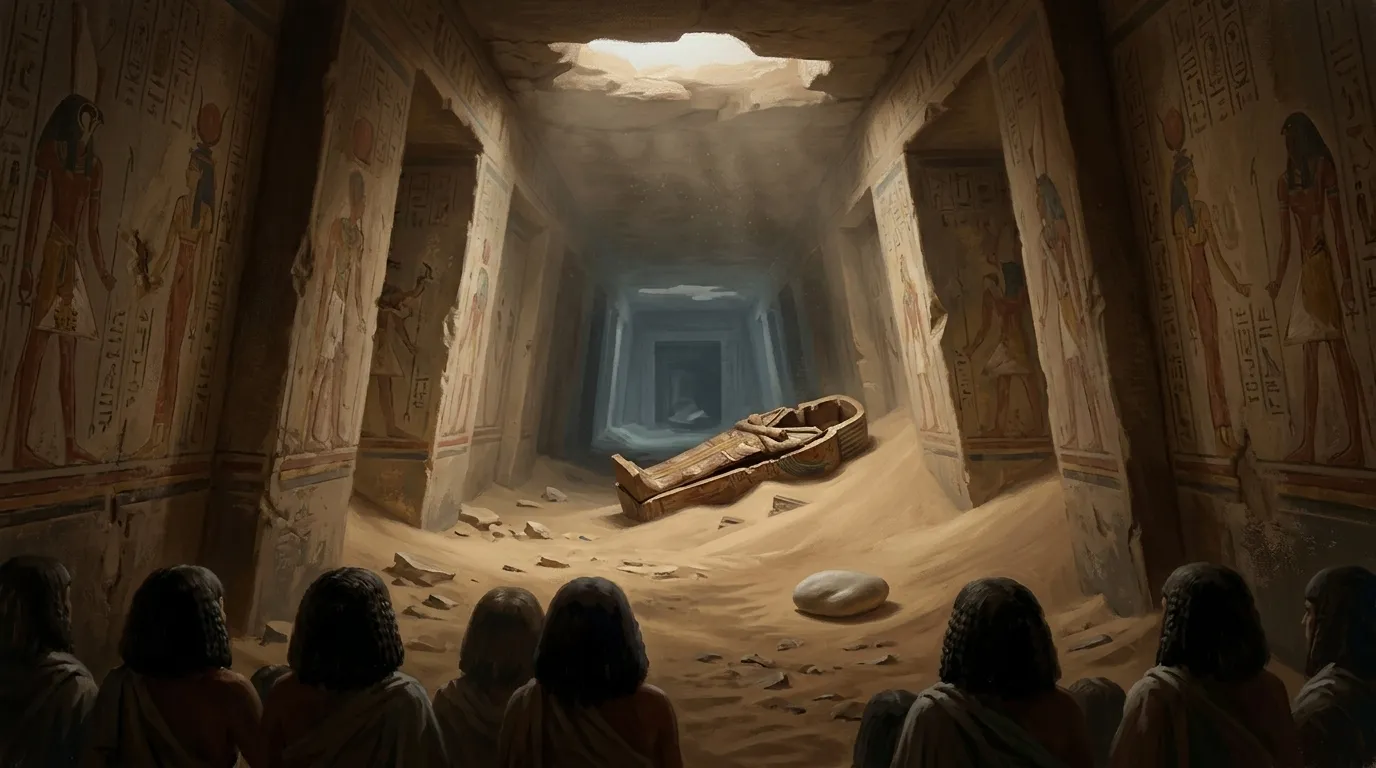
The strike of Ramesses III's reign was a harbinger of decline. By 1070 BC, as the 20th Dynasty faltered and the New Kingdom fragmented, the vibrant life of Deir el-Medina slowly ebbed away. The grand enterprise of royal tomb building ceased, its purpose rendered obsolete by a new era of vulnerable rulers and the widespread looting of the Valley of the Kings. Within a long-abandoned and sand-choked tomb in the Valley of the Queens, the wind whispered through dusty corridors. A single, broken wooden sarcophagus, its painted surface faded and peeling, lay half-buried in drifted sand. The meticulous work of generations of artisans, once considered eternal, now bore the marks of time and neglect. The unique social experiment of Deir el-Medina, with its unparalleled glimpse into ancient Egyptian daily life, had run its course. The 'Place of Truth' became a place of echoes, its legacy not in its continued existence, but in the extraordinary memory it left behind, preserved by the very desert that ultimately claimed it.