نظام المترو: تاريخ الابتكار تحت الأرض
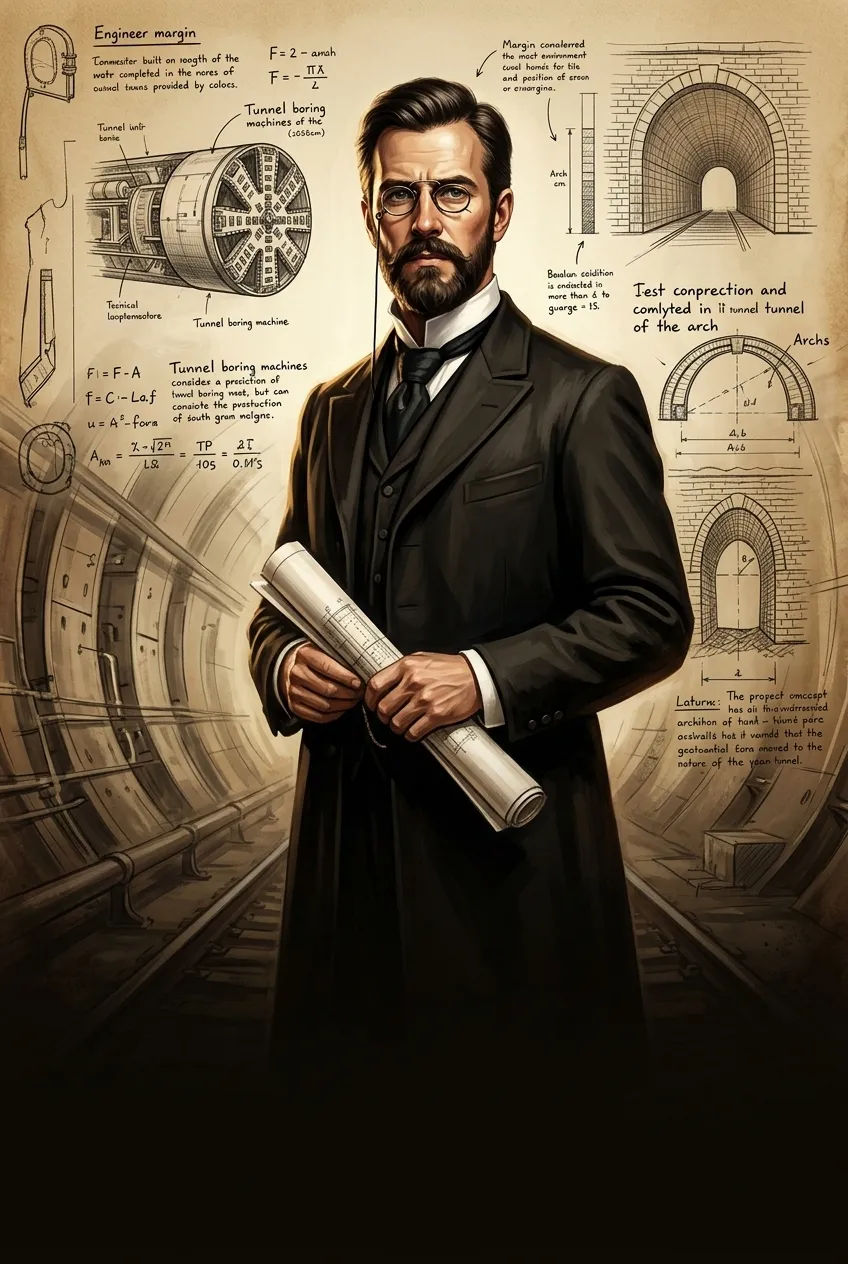
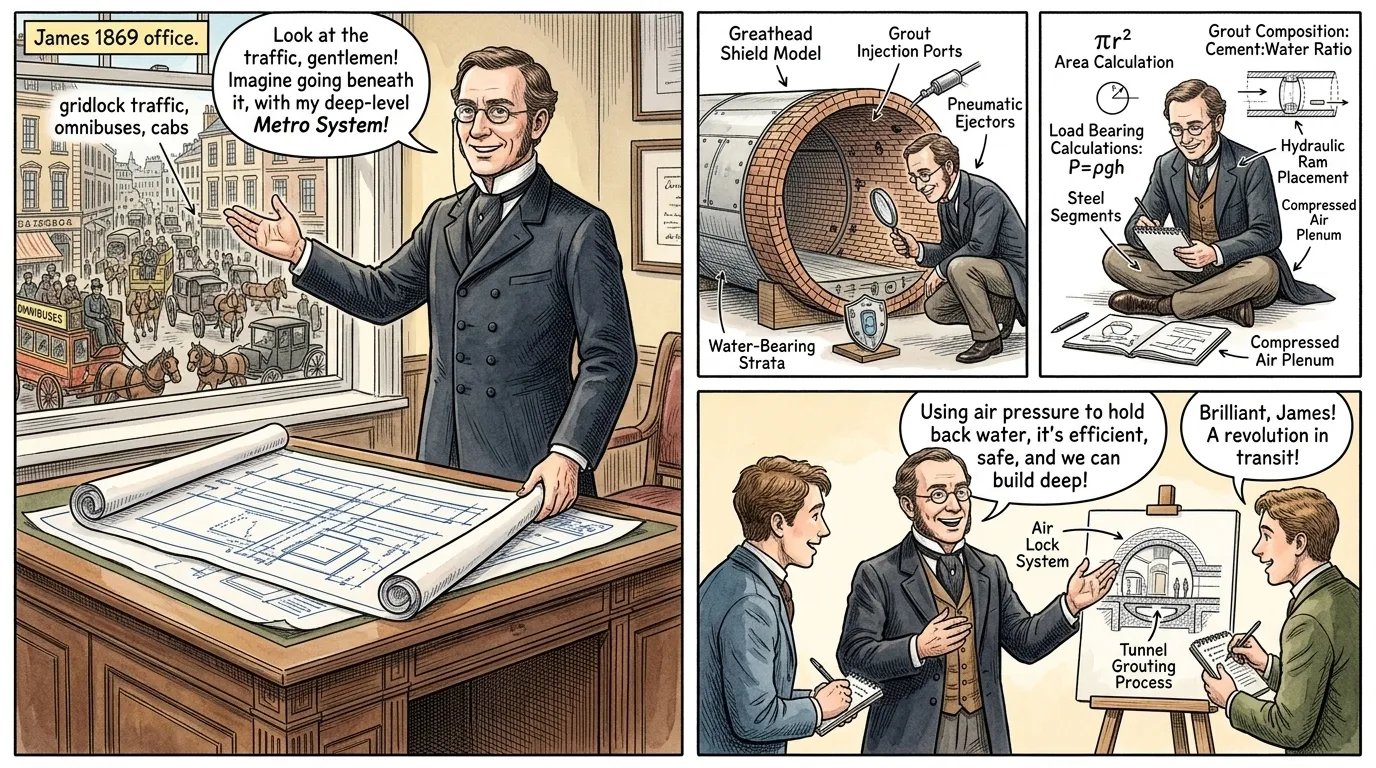
العام هو ألف وثمانمئة وتسعة وستون، ولندن، القلب النابض للإمبراطورية البريطانية، تختنق تحت وطأة نجاحها. لقد وصل النقل السطحي، وهو رقصة فوضوية من حافلات الأومنيبوس وعربات الأجرة التي تجرها الخيول، إلى حالة اختناق لا تُطاق، مما يتطلب حلاً ثورياً تحت شوارعها. وهنا، تصور جيمس هنري جريتهيد، المهندس المدني اللامع من جنوب إفريقيا، "نظام المترو" - شبكة من السكك الحديدية العميقة، مبنية بدرع حفر أنفاق ثوري، لإعادة تعريف التنقل الحضري. وقد وعدت براءة اختراعه، التي حصل عليها هذا العام، بنحت مسارات نظيفة ومستقرة عبر طين المدينة المعروف بعدم استقراره، وهو إنجاز سينقذ لندن حرفياً من نفسها. "أيها السادة، لندن تخنق نفسها"، أعلن جيمس هنري جريتهيد، المهندس المدني الحازم، مشيراً إلى الشوارع المزدحمة من نافذة مكتبه في عام ألف وثمانمئة وتسعة وستين. "السطح لا يستطيع تحمل عربة أخرى؛ يجب أن نبحث عن ممر في الأسفل". وكشف عن رسومات لنظام المترو الثوري الخاص به، موضحاً كيف سينحت سككاً حديدية مستقرة وعميقة عبر أرض العاصمة الصعبة. "كما لاحظ توماس جيفرسون ذات مرة، 'الأرض هي الشيء الوحيد الذي يملكه سكان البلد'، وإلى هذه الأرض بالذات يجب أن نغامر الآن بسلامة غير مسبوقة".

{ "translation": "قال مسؤول بارز في المدينة، السيد أثيرتون، لغريتهيد خلال تفقده لموقع حفر وتغطية في عام ألف وثمانمئة واثنين وسبعين: \"إن أسس لندن نفسها تهتز تحت الضغط\". وأضاف: \"إن سككنا الحديدية الحالية التي تعمل بنظام الحفر والتغطية تمزق الممتلكات، وتسبب اضطرابًا لا نهاية له، ولا تعالج سوى جزء يسير من مشكلتنا\". أومأ غريتهيد برأسه، وهو يراقب العمال الذين يكافحون بالدعامات الخشبية لمنع الانهيارات، وأضاف: \"بالفعل، كلما تعمقنا أكثر، أصبح تسرب المياه أكثر خطورة؛ وتأمين الأنفاق ضد تأثير نهر التايمز دون فيضانات هائلة هو كابوس هندسي\". وظلت الصعوبة الهائلة في حفر الأنفاق تحت المباني القائمة وعبر الطين المشبع بالمياه هي العقبة الكأداء." }
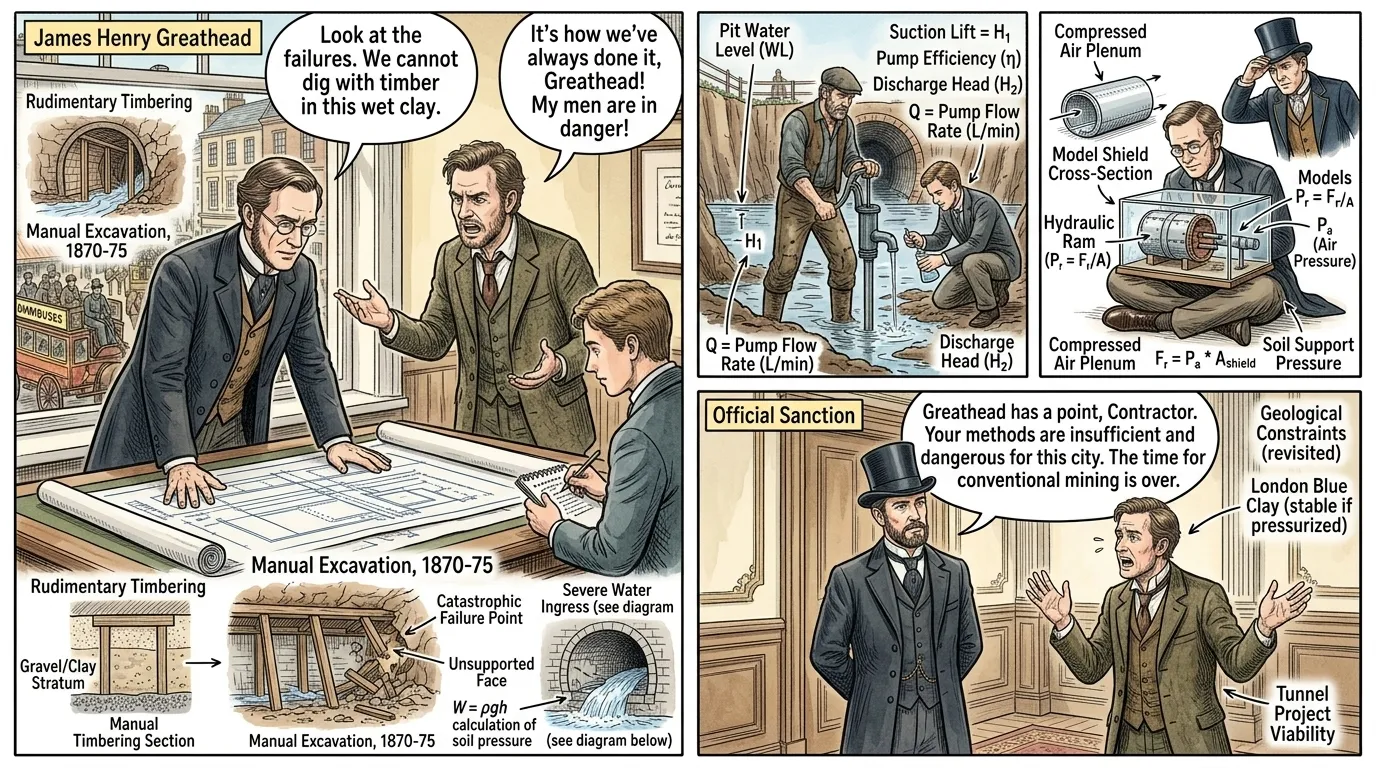
"لقد أثبتت المحاولات السابقة لحفر الأنفاق العميقة أنها باهظة التكلفة وخطيرة للغاية يا سيد جريتهيد"، هكذا أوضح مقاول مستاء، مشيراً إلى رسم تخطيطي على مكتبه في عام ألف وثمانمئة وخمسة وسبعين، يصور أنفاقاً متداعية. "بدون طريقة لدعم واجهة الحفر بشكل مستمر وإغلاقها ضد الماء، سيصبح أي حفر عميق قبراً مائياً لكل من رأس المال والرجال." درس جريتهيد الرسم البياني باهتمام، ملاحظاً تقنيات التدعيم الخشبية البدائية والحفر اليدوي التي كانت غير كافية بشكل واضح لجيولوجيا لندن الفريدة. لقد عرف أن الانحراف الجذري عن التعدين التقليدي كان ضرورياً للغاية.
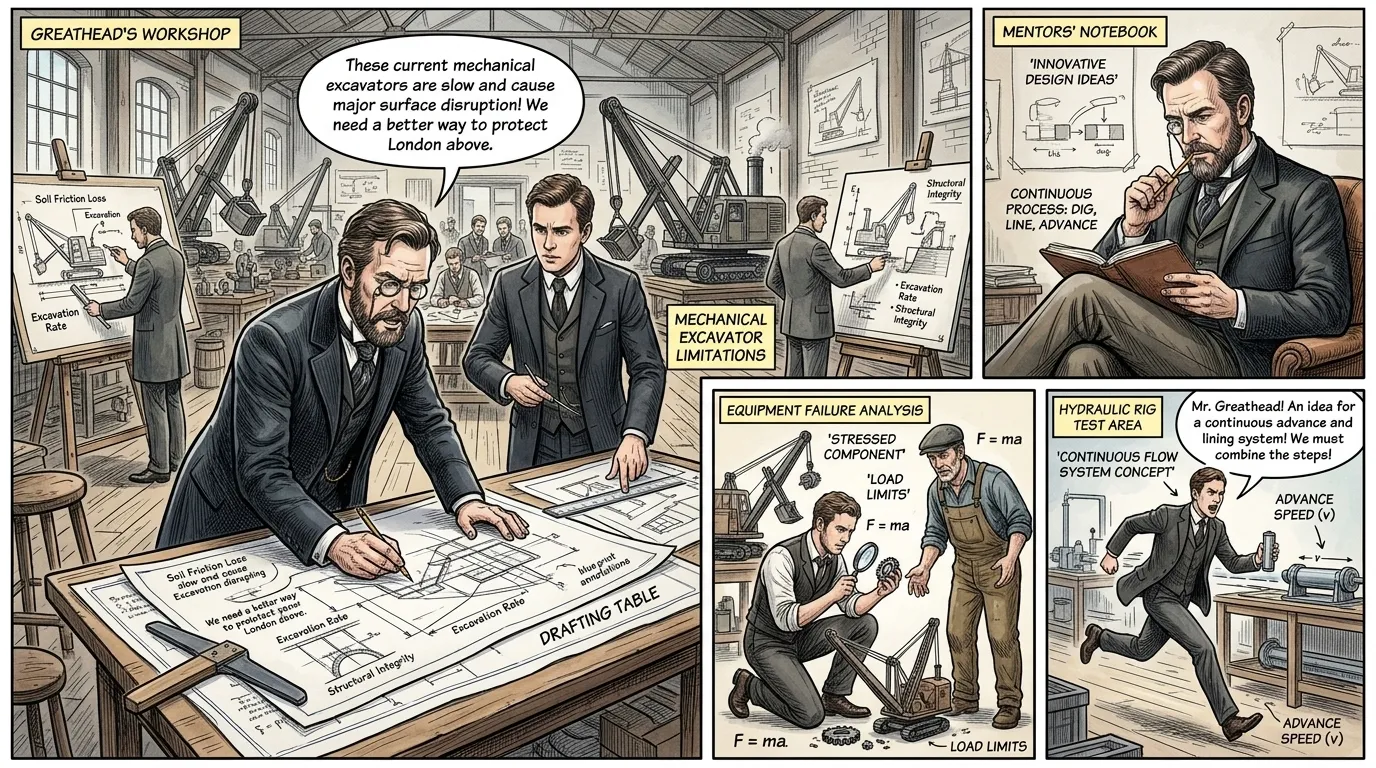
The true challenge lies not just in boring through earth, but in doing so without disturbing the fragile city above, Greathead mused aloud to his design team in 1879, sketching furiously on a large drafting table. We need something that can advance like a mole, protecting as it digs, and stabilizing as it moves. His team, two younger engineers with serious expressions, discussed the limitations of contemporary mechanical excavators, which lacked the necessary structural integrity for London's particular strata. Greathead envisioned a solution that would integrate excavation and lining into a continuous, self-supporting process. ""The true challenge lies not just in boring through earth, but in doing so without disturbing the fragile city above," Greathead mused aloud to his design team in 1879, sketching furiously on a large drafting table. "We need something that can advance like a mole, protecting as it digs, and stabilizing as it moves." His team, two younger engineers with serious expressions, discussed the limitations of contemporary mechanical excavators, which lacked the necessary structural integrity for London's particular strata. Greathead envisioned a solution that would integrate excavation and lining into a continuous, self-supporting process."
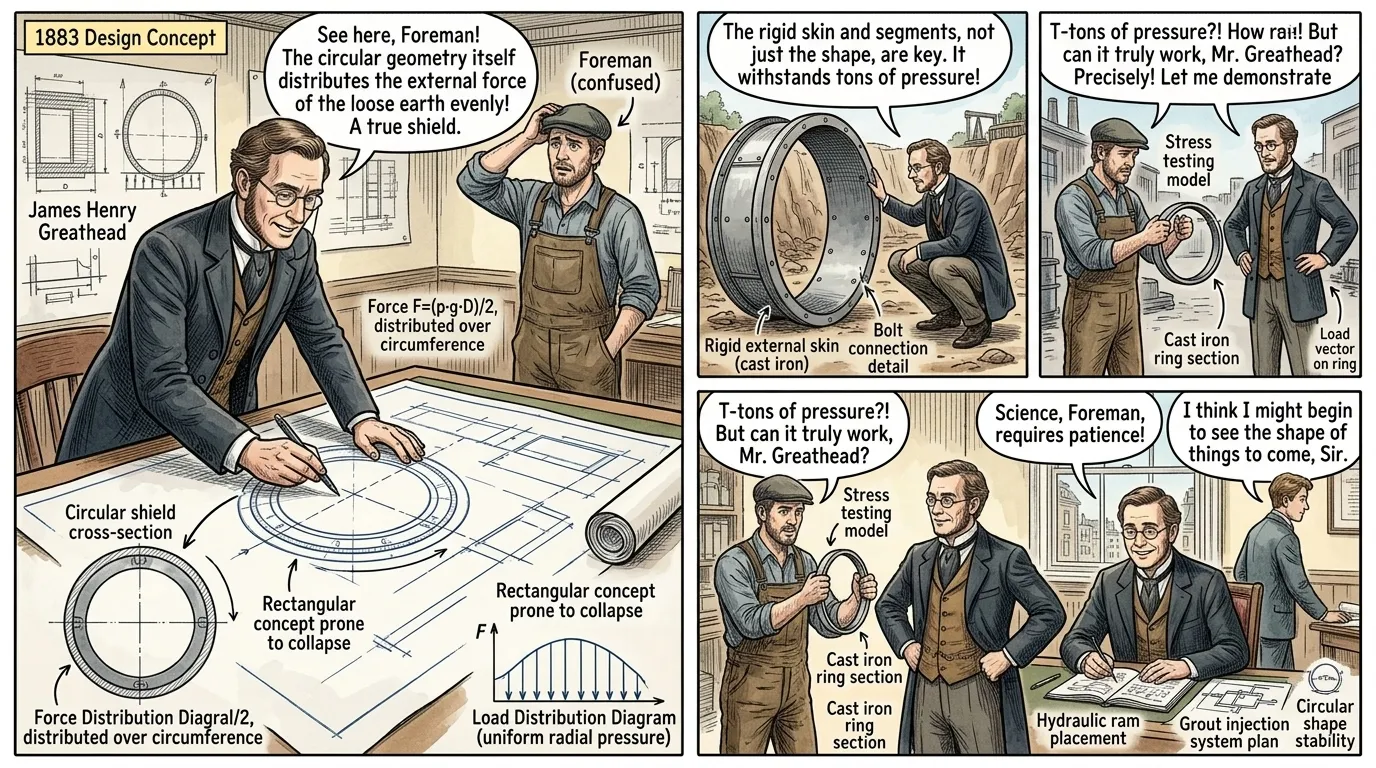
Greathead's early designs grappled with the problem of maintaining structural integrity, often showing timber frameworks that were either too cumbersome or insufficiently robust. A rigid, external skin, capable of withstanding immense pressure from all sides, is fundamental, he explained to a bewildered foreman reviewing a prototype concept in 1883, pointing to its circular profile. This circular geometry, he theorized, would distribute external forces evenly, a crucial departure from the rectangular, prone-to-collapse shafts of prior attempts. His focus shifted from resisting forces to cleverly redirecting them. "Greathead's early designs grappled with the problem of maintaining structural integrity, often showing timber frameworks that were either too cumbersome or insufficiently robust. "A rigid, external skin, capable of withstanding immense pressure from all sides, is fundamental," he explained to a bewildered foreman reviewing a prototype concept in 1883, pointing to its circular profile. This circular geometry, he theorized, would distribute external forces evenly, a crucial departure from the rectangular, prone-to-collapse shafts of prior attempts. His focus shifted from resisting forces to cleverly redirecting them."
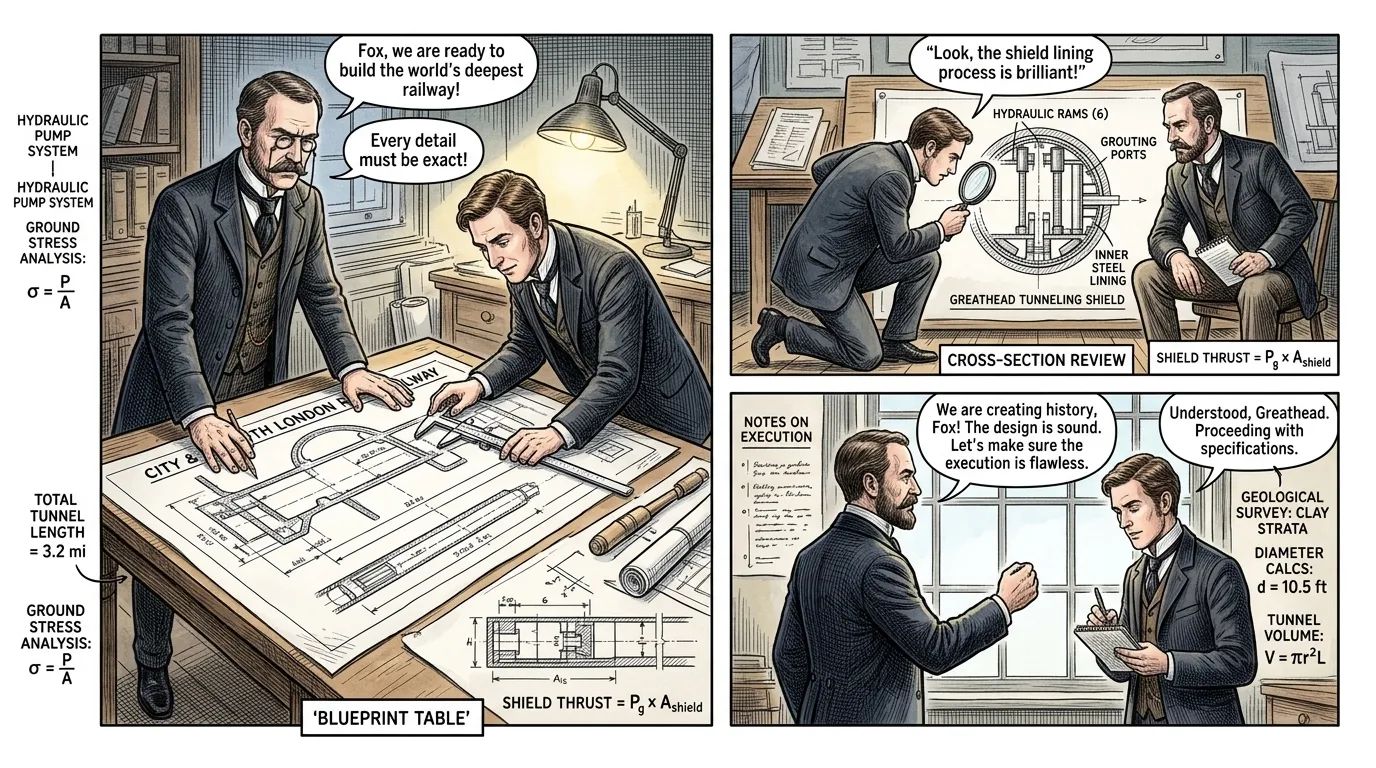
The core principle, then, is continuous support and immediate lining, Greathead articulated to his lead engineer, Francis Fox, in late 1884, overseeing the final drawings for the City & South London Railway project. His innovative tunneling shield acted as a mobile, temporary support, creating a safe chamber for workers at the cutting face. It's a fortress that moves, Fox noted, admiring the detailed blueprints, excavating earth, pushing forward with hydraulic power, and leaving behind a permanent cast-iron cylinder. This seamless integration of excavation and structural reinforcement was the genius of his design. ""The core principle, then, is continuous support and immediate lining," Greathead articulated to his lead engineer, Francis Fox, in late 1884, overseeing the final drawings for the City & South London Railway project. His innovative tunneling shield acted as a mobile, temporary support, creating a safe chamber for workers at the cutting face. "It's a fortress that moves," Fox noted, admiring the detailed blueprints, "excavating earth, pushing forward with hydraulic power, and leaving behind a permanent cast-iron cylinder." This seamless integration of excavation and structural reinforcement was the genius of his design."
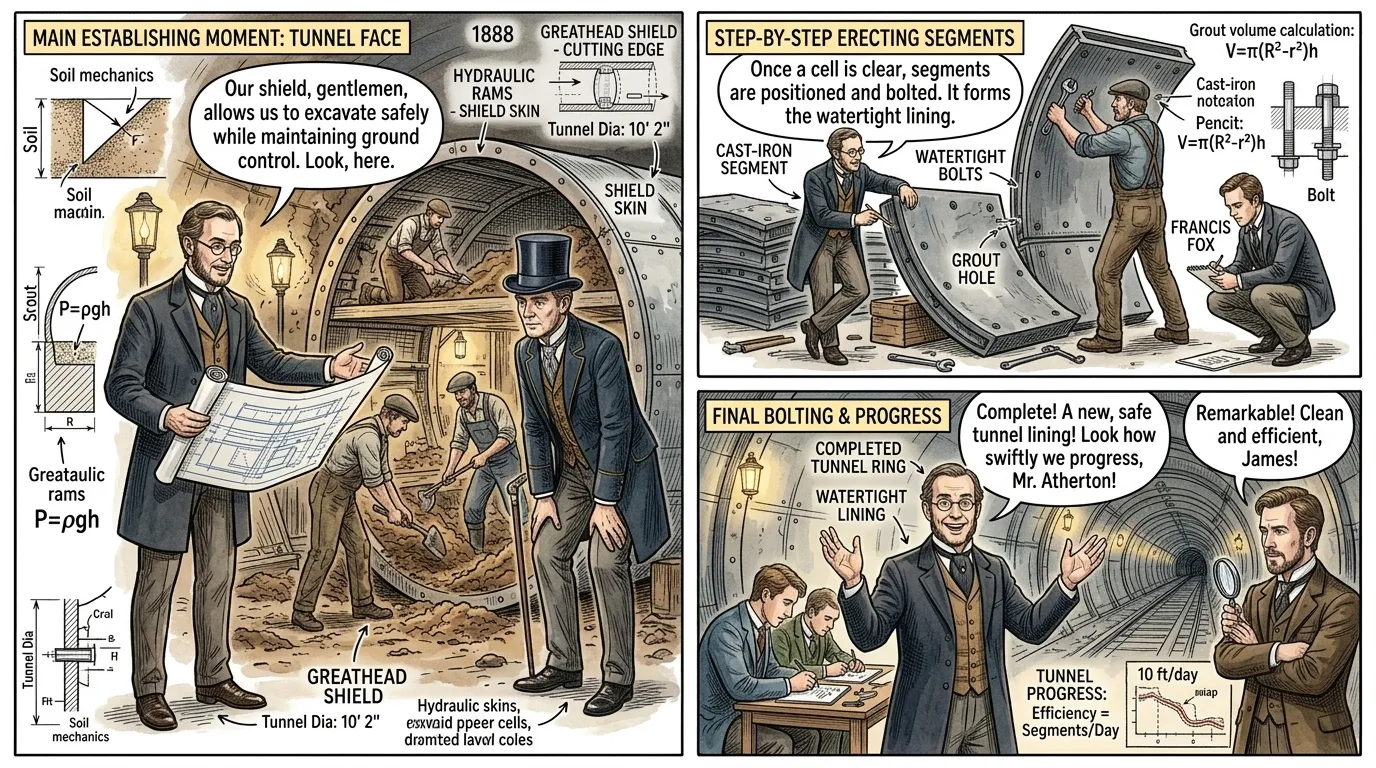
كان درع جريت هيد في الأساس عبارة عن غلاف فولاذي سميك أسطواني الشكل، مصمم بحافة أمامية حادة لتخترق الأرض. داخل هذا الغلاف الواقي، كان بإمكان العمال حفر التربة بأمان، محميين من الانهيار الفوري، بينما كانت مكابس هيدروليكية قوية تدفع الهيكل بأكمله إلى الأمام. وكما أوضح جريت هيد لأحد كبار الشخصيات الزائرة في عام ألف وثمانمئة وثمانية وثمانين، خلال مرحلة مبكرة من البناء، "مع تقدم الدرع، يتم ربط قطع مسبقة الصنع من الحديد الزهر معًا خلفه، لتشكيل البطانة الدائمة والمقاومة للماء للنفق". أدت هذه الطريقة إلى تحسين السلامة والسرعة بشكل كبير، وغيرت البناء تحت الأرض بشكل جذري.
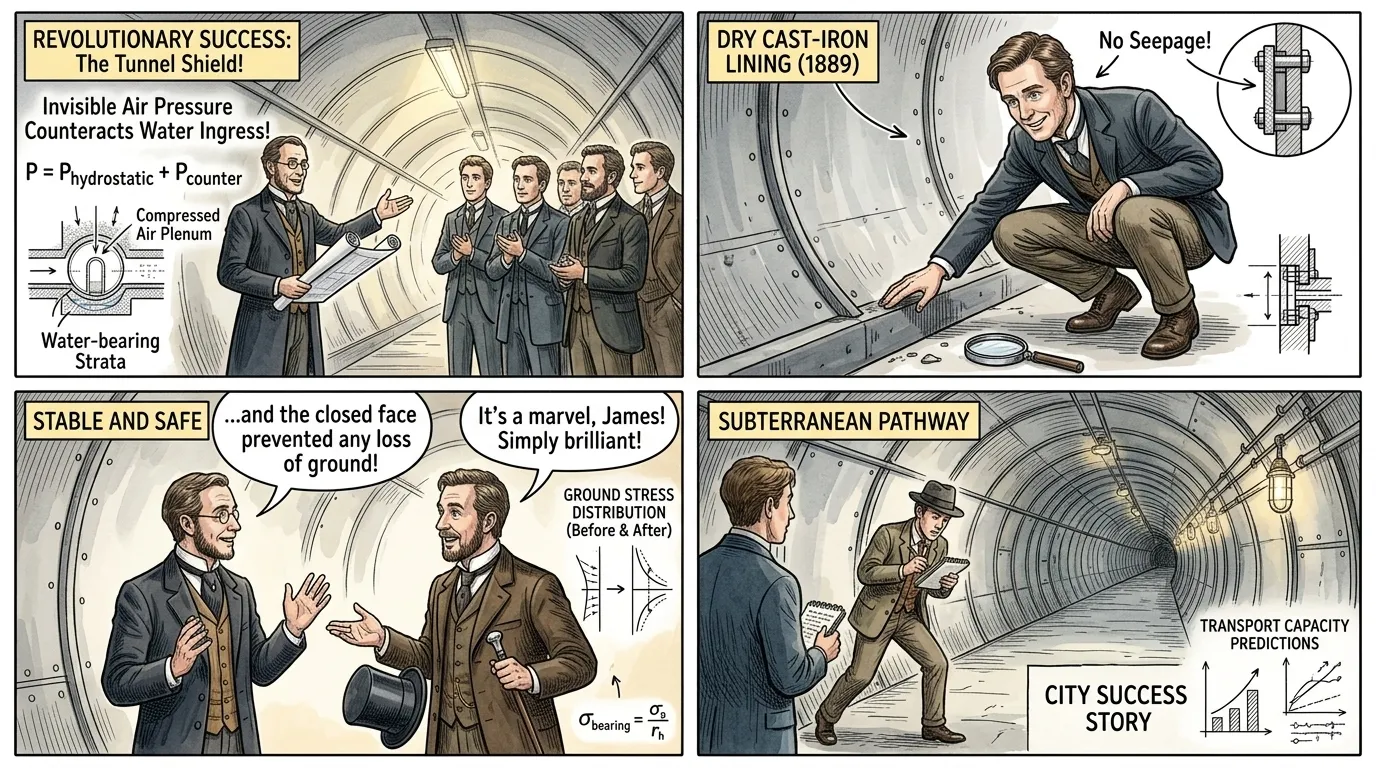
"الأهم من ذلك، أن تصميم الدرع ذي الواجهة المغلقة وتطبيق الهواء المضغوط داخل غرفة العمل أثبتا أنهما ثوريان"، هكذا أعلن جريتهيد بفخر لمجموعة من المهندسين الذين كانوا يتفقدون جزءًا مكتملًا من النفق في عام ألف وثمانمئة وتسعة وثمانين. "لقد عارض هذا الضغط الهائل لطين لندن المشبع بالمياه، مما منع بدقة تسرب المياه الذي ابتليت به المحاولات السابقة". دفع الهواء المضغوط الماء إلى الخلف، مما أبقى الحفر جافًا ومستقرًا، وسمح بالتركيب السريع والآمن للبطانة المصنوعة من الحديد الزهر. وقد عالج هذا الانتصار بشكل مباشر "كابوس الهندسة" المتمثل في تسرب المياه الذي ناقشوه قبل سنوات.
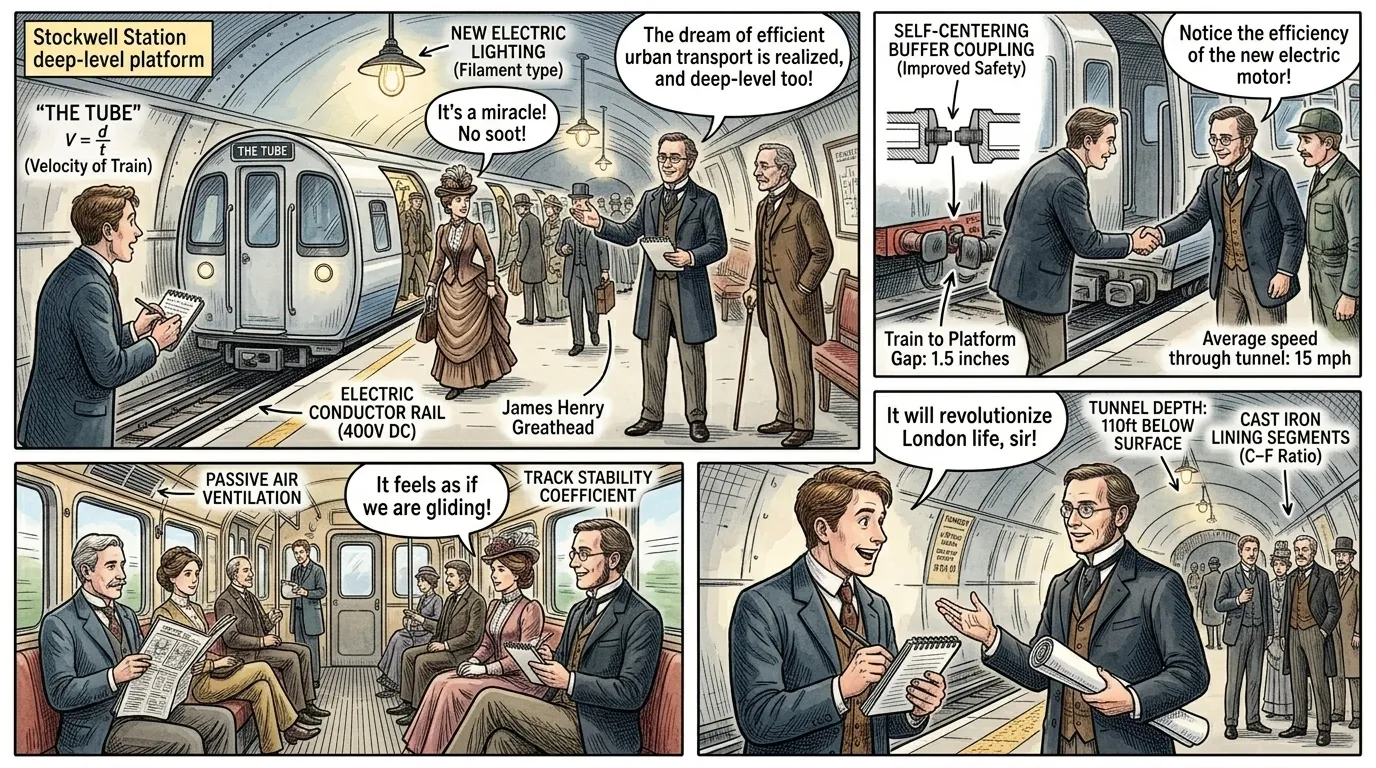
افتتح خط سكة حديد مدينة وجنوب لندن في عام ألف وثمانمئة وتسعين، مما أحدث تحولاً فورياً في الحياة الحضرية من خلال توفير مخرج لسكان لندن من الازدحام السطحي. "إنه إنجاز مذهل حقاً، رحلة سلسة تحت المدينة"، هكذا هتف مراسل صحفي بانبهار بينما نزل الركاب الأوائل في محطة ستوكويل. وقد أتاح نظام "الأنبوب" العميق، الذي أصبح ممكناً بفضل درع جريتهيد، بناء الخطوط دون الحاجة إلى شراء عقارات سطحية باهظة الثمن، مما قلل بشكل كبير من التكاليف والاضطراب. وسرعان ما أصبح هذا النموذج هو المخطط الأساسي لشبكات النقل تحت الأرض في جميع أنحاء العالم.
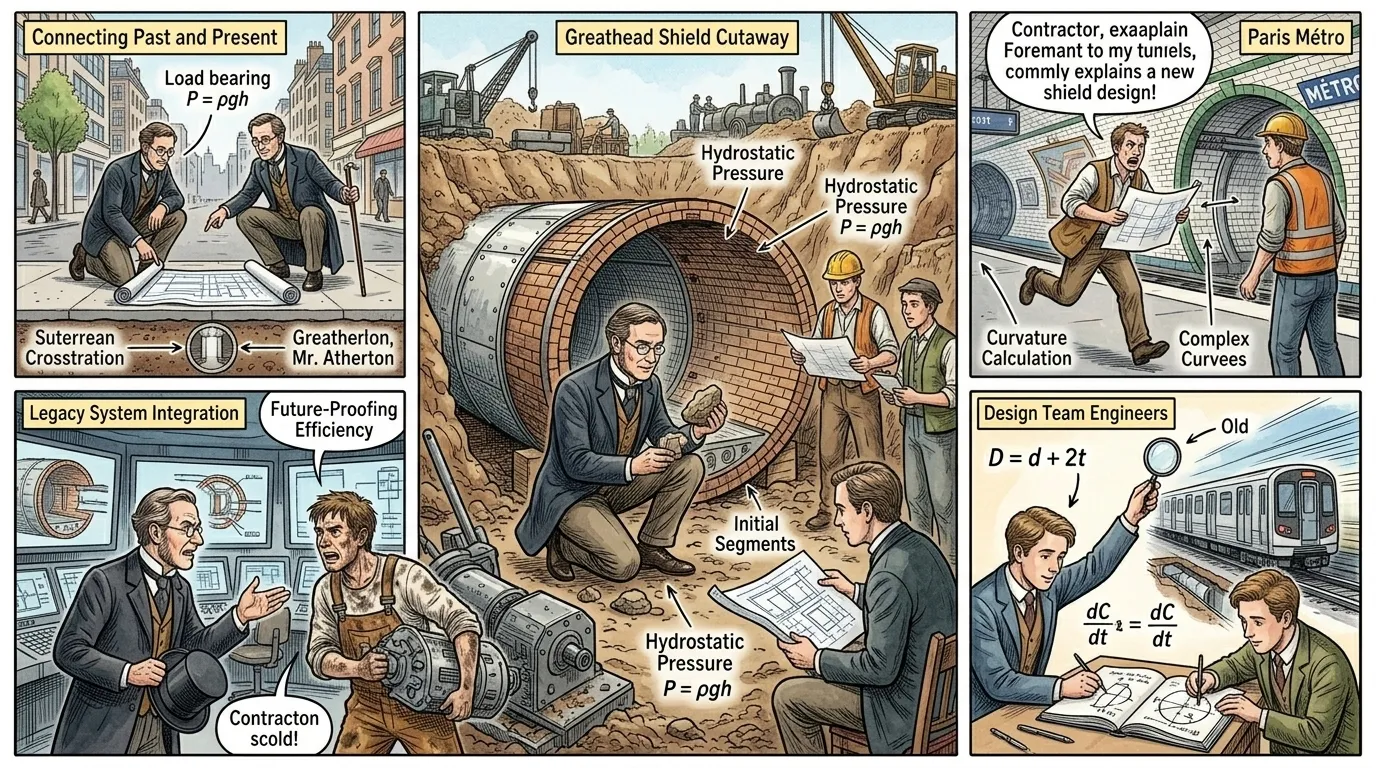
"يتردد صدى إرث درع نظام مترو جريت هيد عالميًا، ويُشكّل المدن الحديثة ويُمكّن من التوسع الحضري غير المسبوق. فمن مترو باريس إلى مترو أنفاق نيويورك، وعدد لا يحصى من الأنظمة الأخرى، تُسهّل هذه الشرايين الجوفية الحياة اليومية لمليارات البشر. إنها تجسد براعة الإنسان، وتحوّل الحواجز الجيولوجية التي كانت لا يمكن التغلب عليها في السابق إلى مسارات للتقدم. ويُعد العمل الرائد لـ جيمس هنري جريت هيد أساسًا للشبكات غير المرئية التي تستمر في دفع عجلة المدن الكبرى العالمية."