Il Sistema Metro: Una Storia Sotterranea di Innovazione
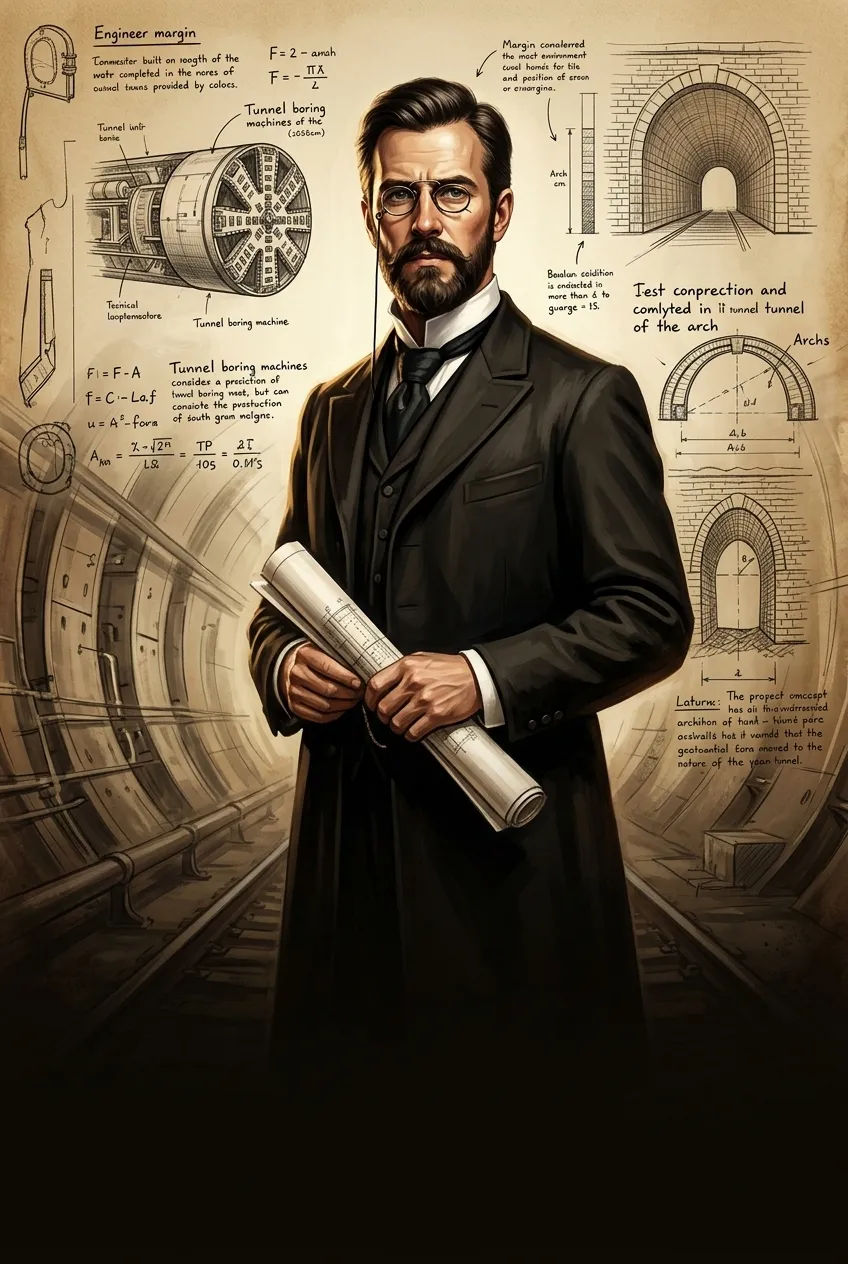
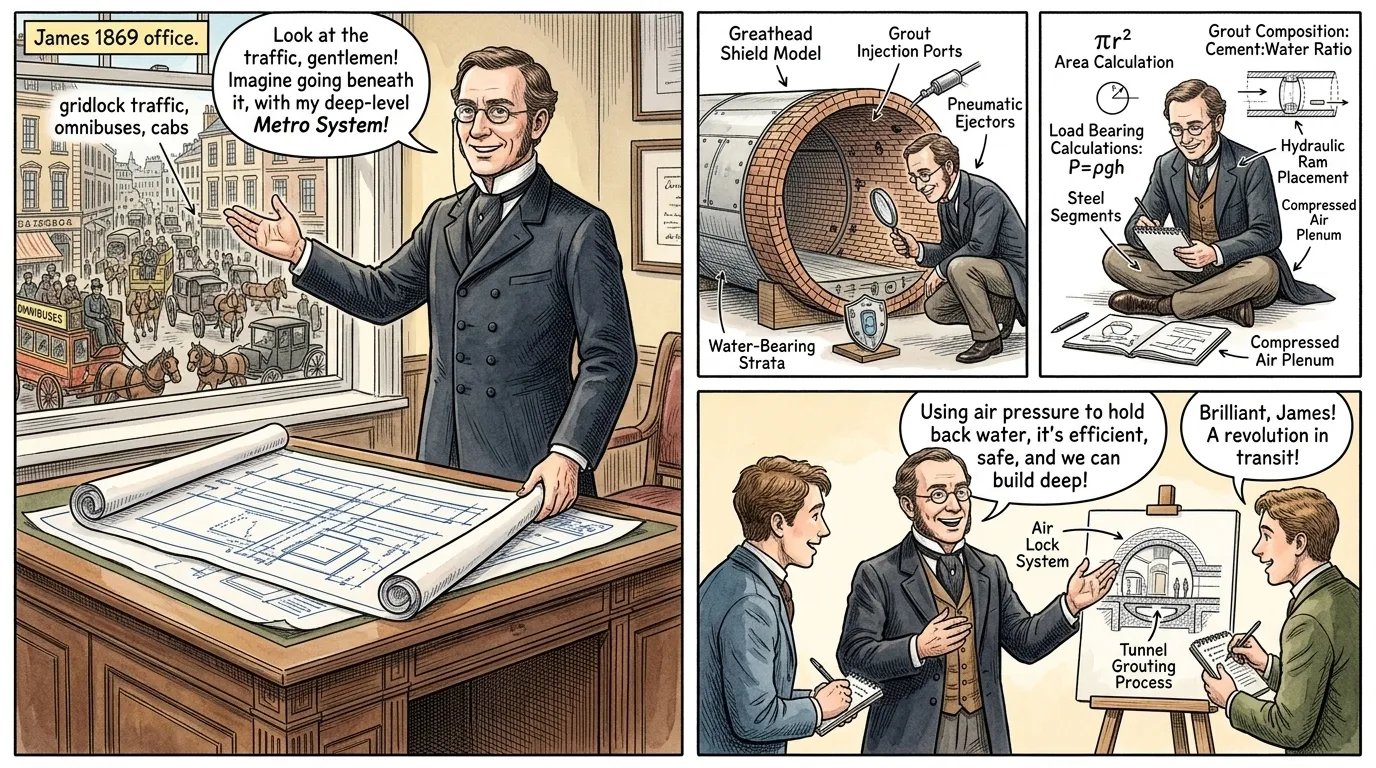
L'anno è il milleottocentosessantanove e Londra, il cuore pulsante dell'Impero Britannico, soffoca sotto il peso del proprio successo. Il trasporto di superficie, un caotico balletto di omnibus e taxi trainati da cavalli, ha raggiunto un ingorgo insostenibile, richiedendo una soluzione rivoluzionaria sotto le sue stesse strade. Fu qui che James Henry Greathead, un brillante ingegnere civile dal Sudafrica, ideò il "Metro System" – una rete di ferrovie profonde, costruita con un rivoluzionario scudo di perforazione, per ridefinire la mobilità urbana. Il suo brevetto, ottenuto quest'anno, prometteva di scavare percorsi puliti e stabili attraverso la notoriamente instabile argilla della città, una svolta per salvare letteralmente Londra da sé stessa. "Signori, Londra si sta strangolando", dichiarò James Henry Greathead, un risoluto ingegnere civile, indicando le strade intasate dalla finestra del suo ufficio nel milleottocentosessantanove. "La superficie non può sopportare un'altra carrozza; dobbiamo cercare un passaggio sotto." Svelò gli schizzi del suo rivoluzionario Metro System, spiegando come avrebbe scavato ferrovie stabili e profonde attraverso il difficile terreno della capitale. "Come osservò una volta Thomas Jefferson, 'Il terreno è l'unica cosa che appartiene agli abitanti di un paese', ed è proprio in questo terreno che dobbiamo ora avventurarci con una sicurezza senza precedenti."
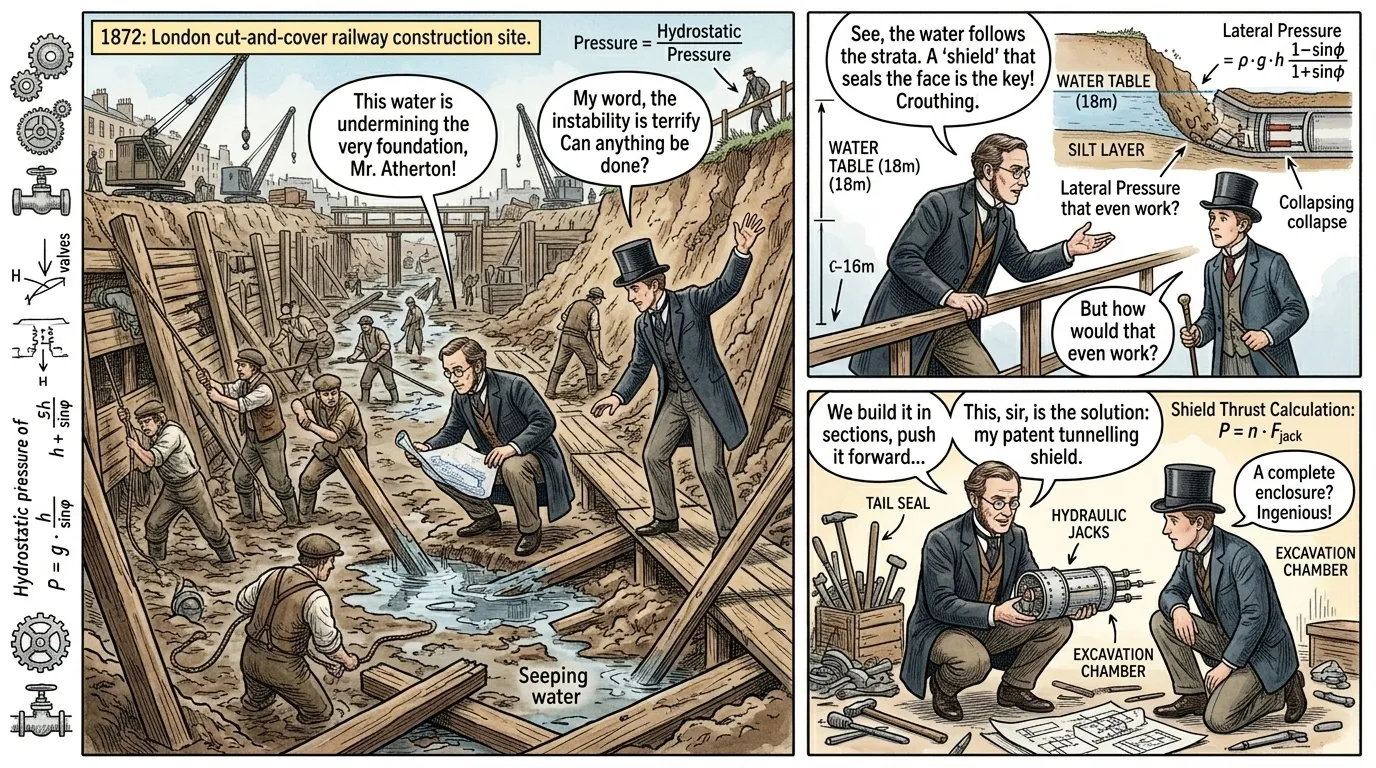
The very foundations of London vibrate under the strain, remarked a prominent city official, Mr. Atherton, to Greathead during an inspection of a cut-and-cover site in 1872. Our current 'cut-and-cover' railways tear through property, cause endless disruption, and only scratch the surface of our problem. Greathead nodded, observing workers struggling with wooden shoring to prevent cave-ins, and added, Indeed, the deeper one goes, the more perilous the water ingress becomes; securing shafts against the Thames' influence without massive flooding is an engineering nightmare. The sheer difficulty of tunneling beneath established buildings and through water-saturated clay remained the formidable obstacle. ""The very foundations of London vibrate under the strain," remarked a prominent city official, Mr. Atherton, to Greathead during an inspection of a cut-and-cover site in 1872. "Our current 'cut-and-cover' railways tear through property, cause endless disruption, and only scratch the surface of our problem." Greathead nodded, observing workers struggling with wooden shoring to prevent cave-ins, and added, "Indeed, the deeper one goes, the more perilous the water ingress becomes; securing shafts against the Thames' influence without massive flooding is an engineering nightmare." The sheer difficulty of tunneling beneath established buildings and through water-saturated clay remained the formidable obstacle."
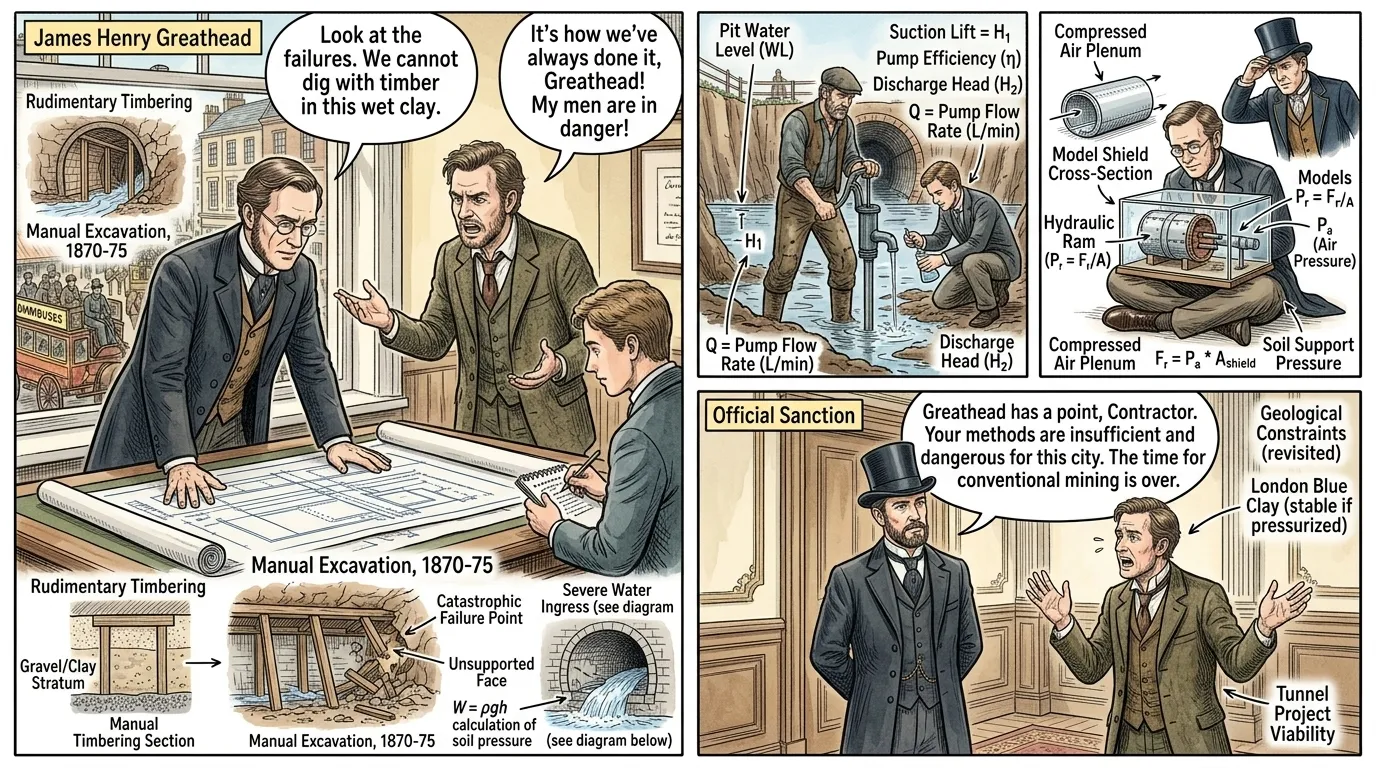
"I precedenti tentativi di scavo profondo si sono rivelati troppo costosi e pericolosi, signor Greathead", spiegò un appaltatore esasperato, indicando uno schema sulla sua scrivania nel milleottocentosettantacinque, che raffigurava tunnel in crollo. "Senza un metodo per sostenere continuamente il fronte di scavo e sigillare contro l'acqua, qualsiasi perforazione profonda diventerà una tomba acquatica sia per il capitale che per gli uomini". Greathead studiò attentamente il diagramma, notando le rudimentali tecniche di armatura in legno e di scavo manuale che erano chiaramente inadeguate per la geologia unica di Londra. Sapeva che una radicale deviazione dall'estrazione mineraria convenzionale era assolutamente essenziale.
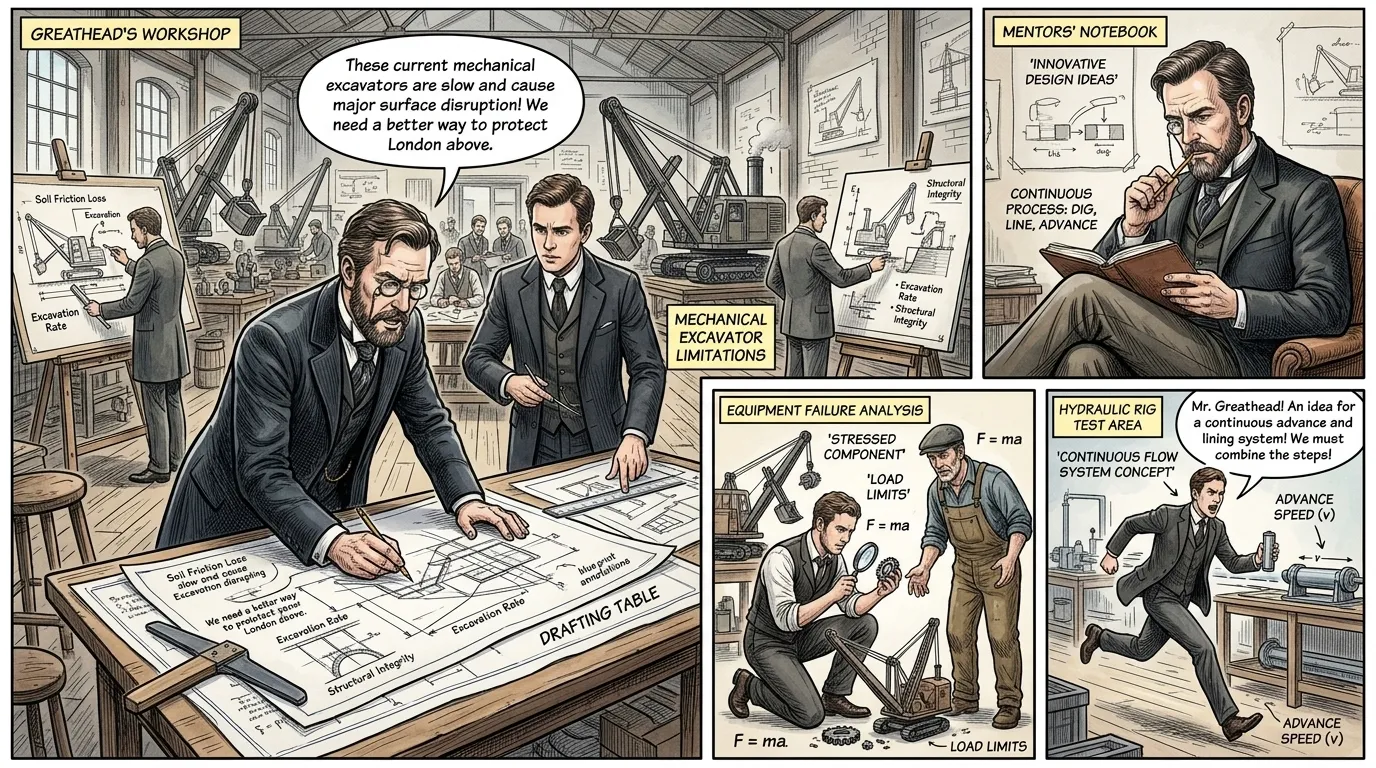
The true challenge lies not just in boring through earth, but in doing so without disturbing the fragile city above, Greathead mused aloud to his design team in 1879, sketching furiously on a large drafting table. We need something that can advance like a mole, protecting as it digs, and stabilizing as it moves. His team, two younger engineers with serious expressions, discussed the limitations of contemporary mechanical excavators, which lacked the necessary structural integrity for London's particular strata. Greathead envisioned a solution that would integrate excavation and lining into a continuous, self-supporting process. ""The true challenge lies not just in boring through earth, but in doing so without disturbing the fragile city above," Greathead mused aloud to his design team in 1879, sketching furiously on a large drafting table. "We need something that can advance like a mole, protecting as it digs, and stabilizing as it moves." His team, two younger engineers with serious expressions, discussed the limitations of contemporary mechanical excavators, which lacked the necessary structural integrity for London's particular strata. Greathead envisioned a solution that would integrate excavation and lining into a continuous, self-supporting process."
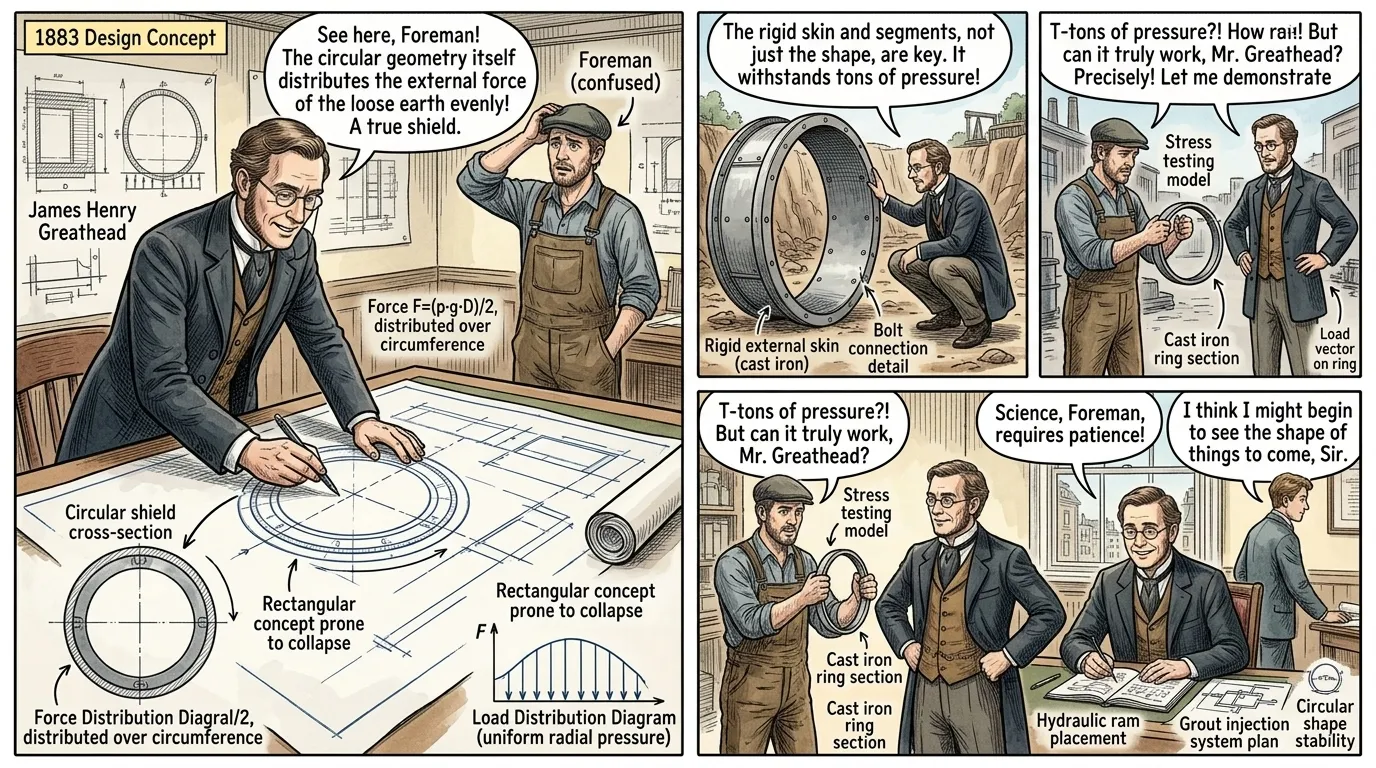
Greathead's early designs grappled with the problem of maintaining structural integrity, often showing timber frameworks that were either too cumbersome or insufficiently robust. A rigid, external skin, capable of withstanding immense pressure from all sides, is fundamental, he explained to a bewildered foreman reviewing a prototype concept in 1883, pointing to its circular profile. This circular geometry, he theorized, would distribute external forces evenly, a crucial departure from the rectangular, prone-to-collapse shafts of prior attempts. His focus shifted from resisting forces to cleverly redirecting them. "Greathead's early designs grappled with the problem of maintaining structural integrity, often showing timber frameworks that were either too cumbersome or insufficiently robust. "A rigid, external skin, capable of withstanding immense pressure from all sides, is fundamental," he explained to a bewildered foreman reviewing a prototype concept in 1883, pointing to its circular profile. This circular geometry, he theorized, would distribute external forces evenly, a crucial departure from the rectangular, prone-to-collapse shafts of prior attempts. His focus shifted from resisting forces to cleverly redirecting them."
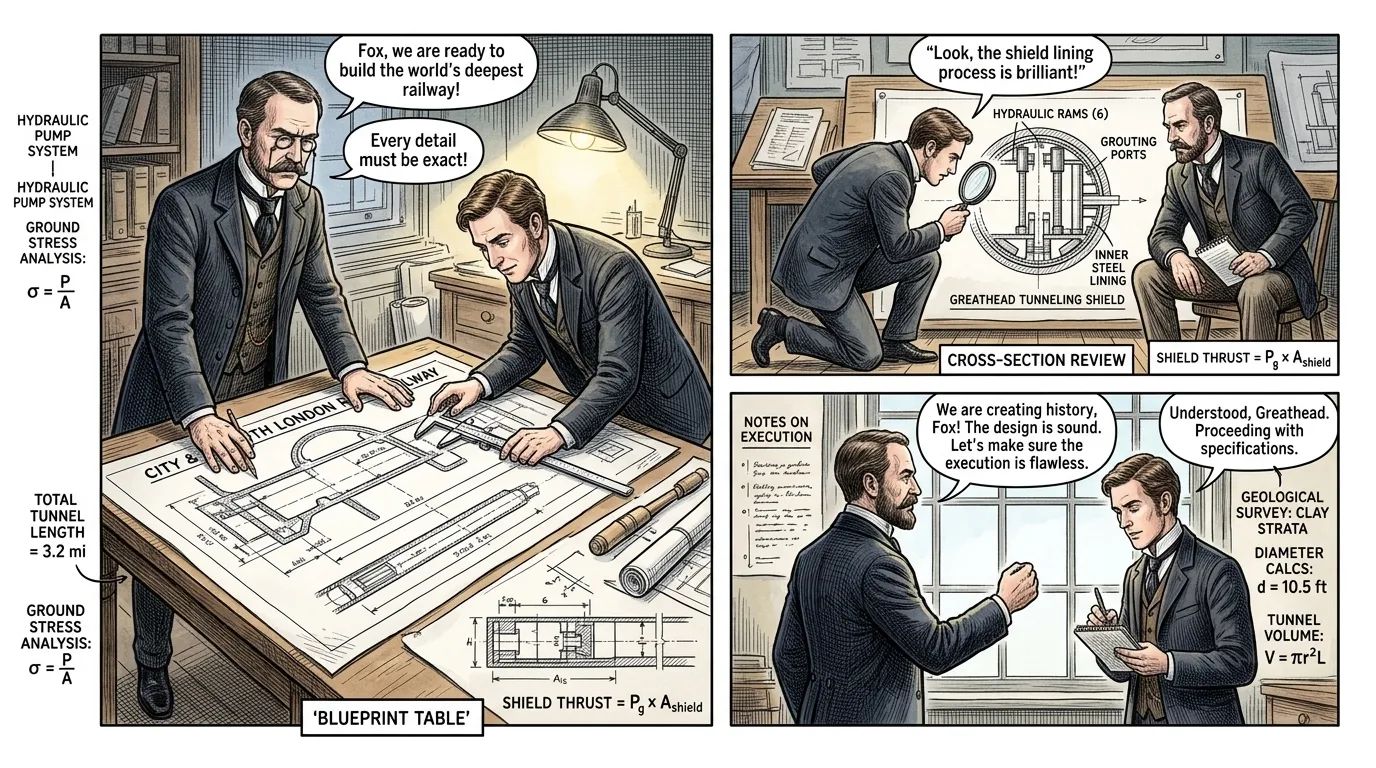
The core principle, then, is continuous support and immediate lining, Greathead articulated to his lead engineer, Francis Fox, in late 1884, overseeing the final drawings for the City & South London Railway project. His innovative tunneling shield acted as a mobile, temporary support, creating a safe chamber for workers at the cutting face. It's a fortress that moves, Fox noted, admiring the detailed blueprints, excavating earth, pushing forward with hydraulic power, and leaving behind a permanent cast-iron cylinder. This seamless integration of excavation and structural reinforcement was the genius of his design. ""The core principle, then, is continuous support and immediate lining," Greathead articulated to his lead engineer, Francis Fox, in late 1884, overseeing the final drawings for the City & South London Railway project. His innovative tunneling shield acted as a mobile, temporary support, creating a safe chamber for workers at the cutting face. "It's a fortress that moves," Fox noted, admiring the detailed blueprints, "excavating earth, pushing forward with hydraulic power, and leaving behind a permanent cast-iron cylinder." This seamless integration of excavation and structural reinforcement was the genius of his design."
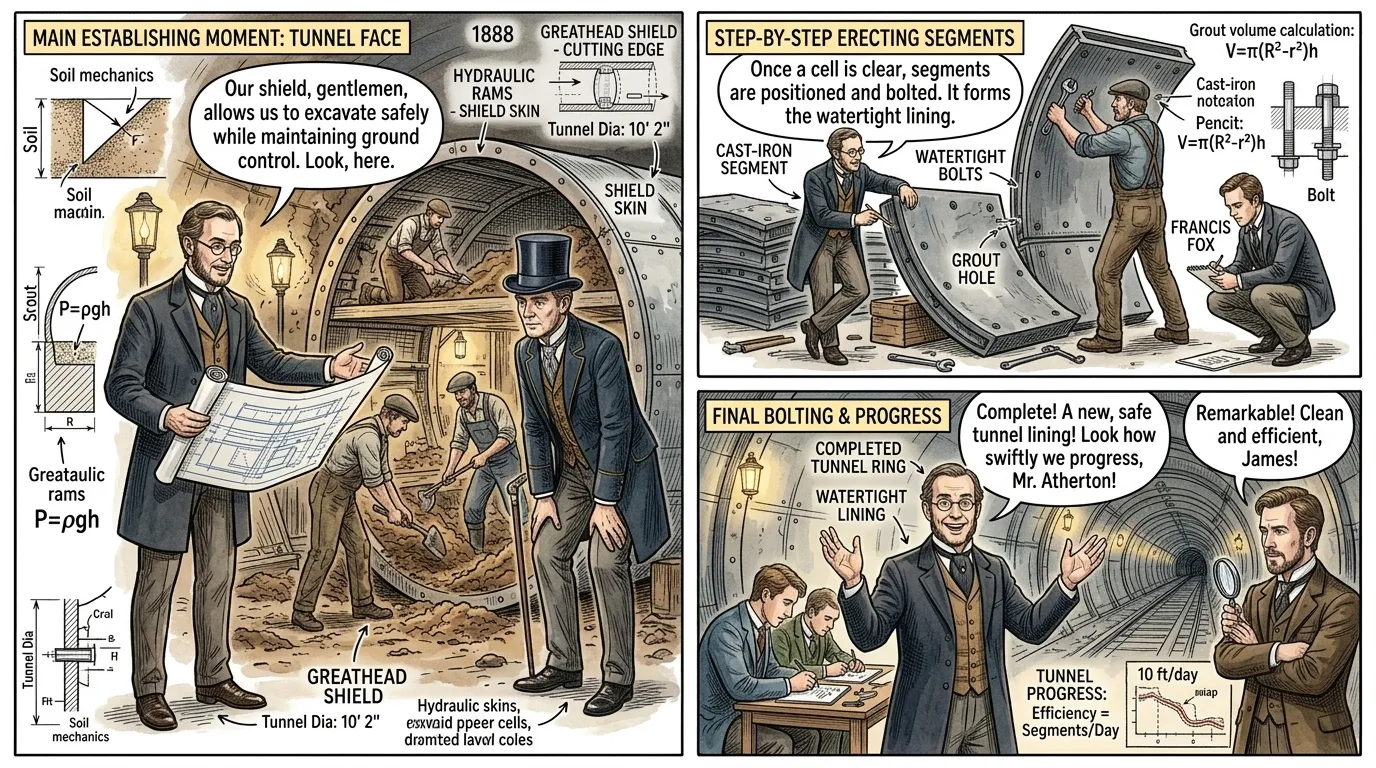
Lo scudo Greathead era essenzialmente un guscio d'acciaio spesso e cilindrico, il cui bordo anteriore affilato era progettato per mordere la terra. All'interno di questo rivestimento protettivo, i lavoratori potevano scavare il terreno in sicurezza, protetti da un crollo immediato, mentre potenti martinetti idraulici spingevano l'intera struttura in avanti. "Man mano che lo scudo avanza", spiegò Greathead a un dignitario in visita nel milleottocentottantotto, durante una fase iniziale di costruzione, "segmenti prefabbricati in ghisa vengono imbullonati dietro di esso, formando il rivestimento permanente e impermeabile del tunnel." Questo metodo ha migliorato drasticamente la sicurezza e la velocità, cambiando fondamentalmente la costruzione sotterranea.
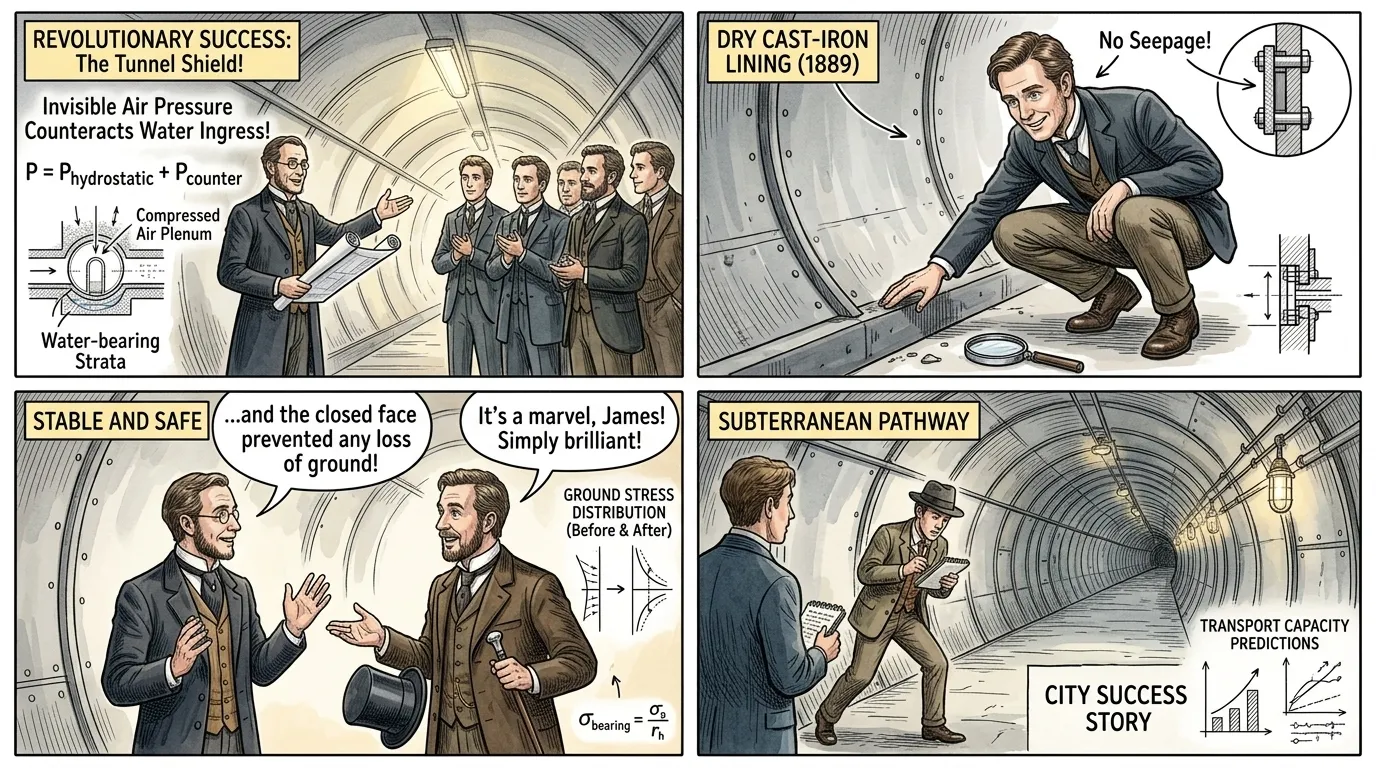
Crucially, the shield's closed-face design and the application of compressed air within the working chamber proved revolutionary, Greathead proudly declared to a group of engineers inspecting a completed tunnel section in 1889. This counteracted the immense pressure of London's water-logged clay, precisely preventing the ingress that plagued earlier attempts. The compressed air pushed back against the water, keeping the excavation dry and stable, allowing the rapid, secure installation of the cast-iron lining. This triumph directly addressed the "engineering nightmare" of water ingress they had discussed years prior. ""Crucially, the shield's closed-face design and the application of compressed air within the working chamber proved revolutionary," Greathead proudly declared to a group of engineers inspecting a completed tunnel section in 1889. "This counteracted the immense pressure of London's water-logged clay, precisely preventing the ingress that plagued earlier attempts." The compressed air pushed back against the water, keeping the excavation dry and stable, allowing the rapid, secure installation of the cast-iron lining. This triumph directly addressed the "engineering nightmare" of water ingress they had discussed years prior."
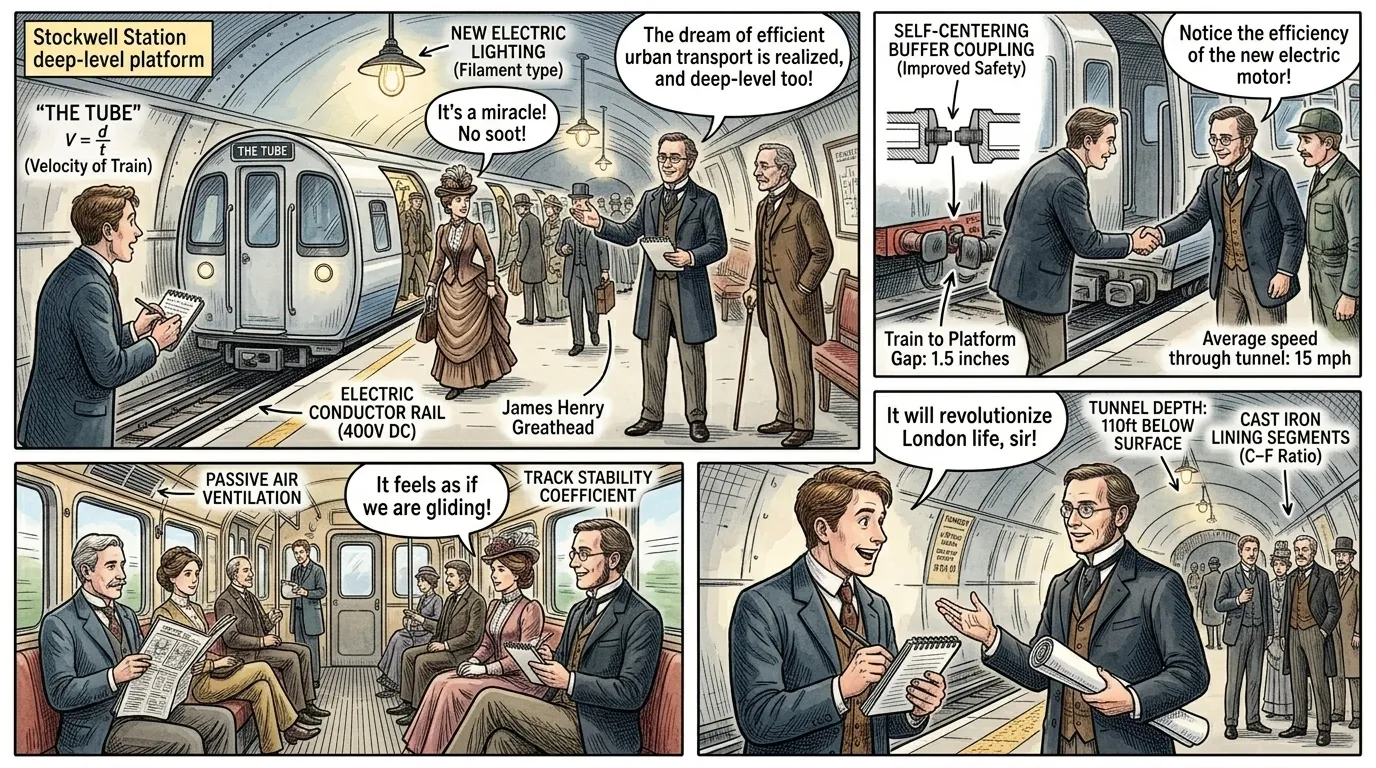
The City & South London Railway opened in 1890, instantly transforming urban life by offering Londoners an escape from surface congestion. It's a truly astonishing feat, a seamless journey beneath the city, exclaimed a newspaper reporter in awe as early passengers disembarked at Stockwell station. The deep-level "tube" system, made possible by Greathead's shield, allowed for lines to be built without acquiring expensive surface property, significantly reducing costs and disruption. This model quickly became the blueprint for subterranean transport networks worldwide. "The City & South London Railway opened in 1890, instantly transforming urban life by offering Londoners an escape from surface congestion. "It's a truly astonishing feat, a seamless journey beneath the city," exclaimed a newspaper reporter in awe as early passengers disembarked at Stockwell station. The deep-level "tube" system, made possible by Greathead's shield, allowed for lines to be built without acquiring expensive surface property, significantly reducing costs and disruption. This model quickly became the blueprint for subterranean transport networks worldwide."
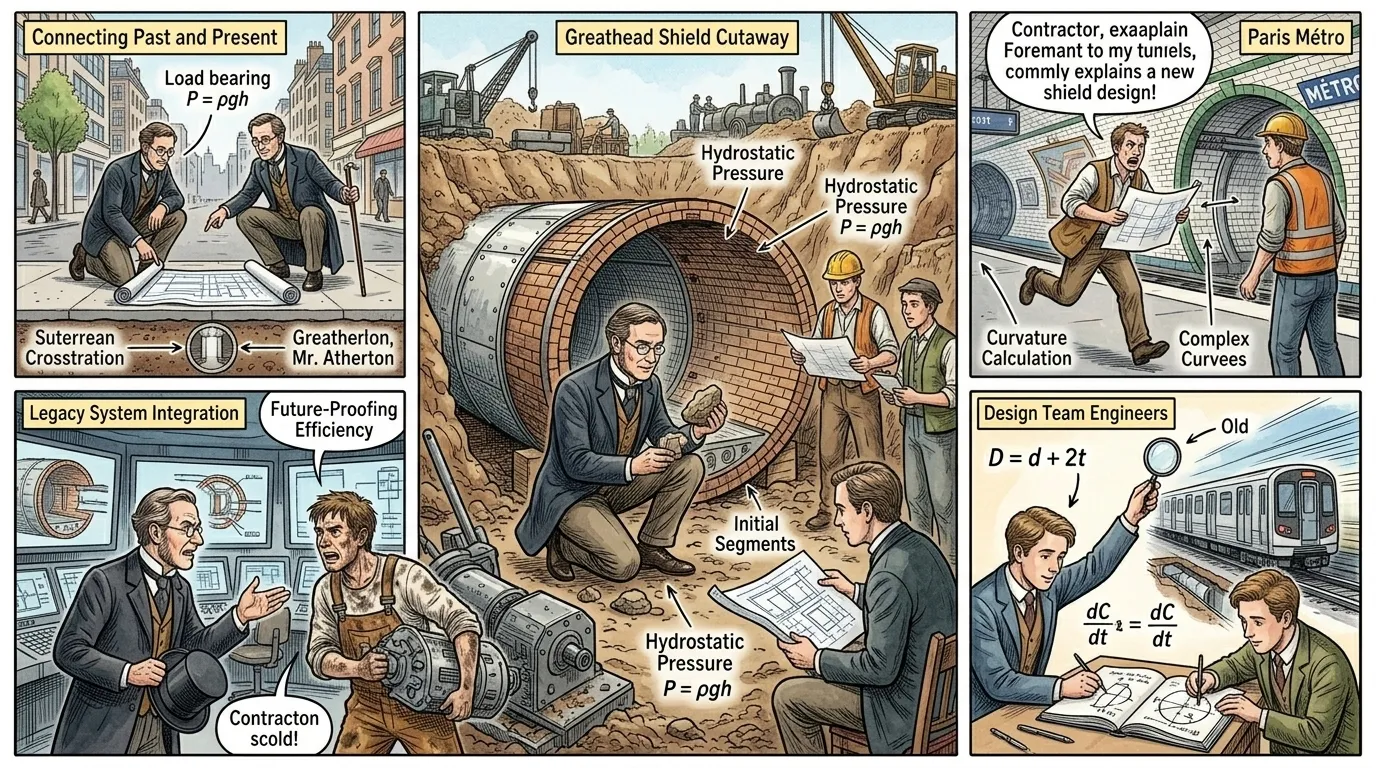
The legacy of Greathead's Metro System shield reverberates globally, shaping modern cities and enabling unprecedented urban expansion. From the Paris Métro to the New York Subway, and countless others, these subterranean arteries facilitate the daily lives of billions. They exemplify human ingenuity, transforming once-insurmountable geological barriers into pathways of progress. The pioneering work of James Henry Greathead underpins the invisible networks that continue to drive global metropolises. "The legacy of Greathead's Metro System shield reverberates globally, shaping modern cities and enabling unprecedented urban expansion. From the Paris Métro to the New York Subway, and countless others, these subterranean arteries facilitate the daily lives of billions. They exemplify human ingenuity, transforming once-insurmountable geological barriers into pathways of progress. The pioneering work of James Henry Greathead underpins the invisible networks that continue to drive global metropolises."