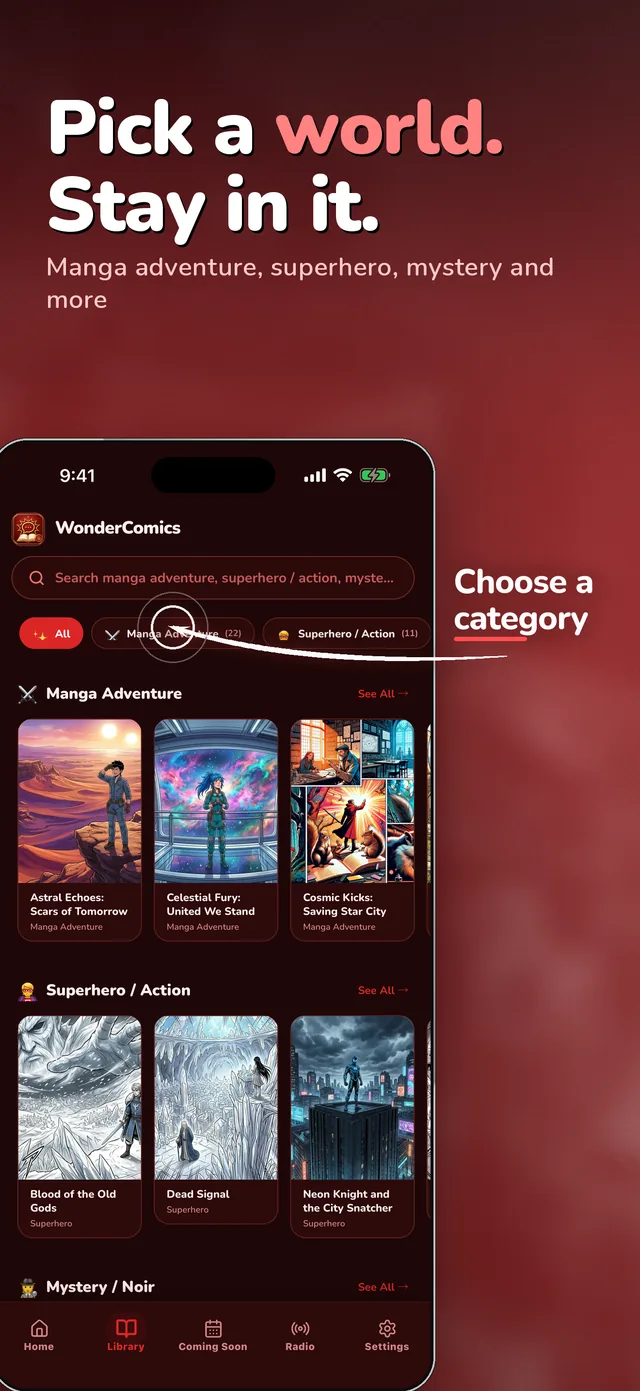
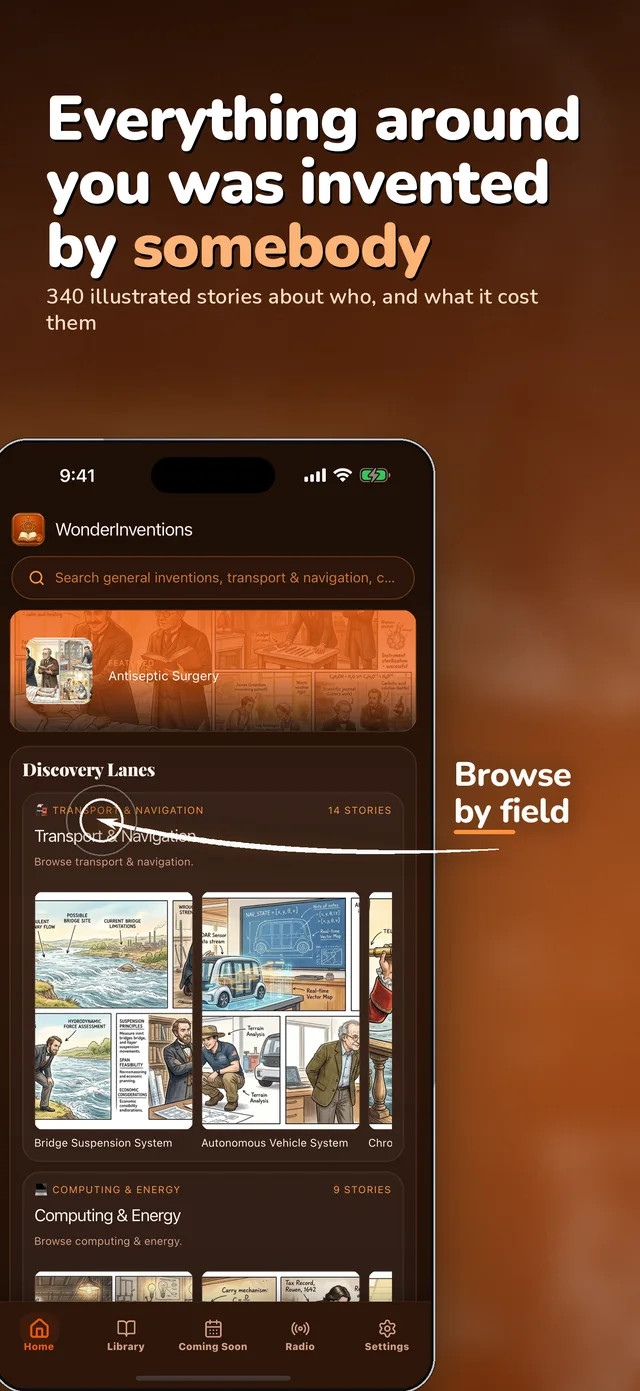
Twelve libraries. 24,000+ pages painted one at a time. 13 languages, each with its own narrator. Created and directed by founder Amr El Fangary, who sets the vision, the story structure, the art direction and the narration style — illustrated and narrated with AI tools under his direction.
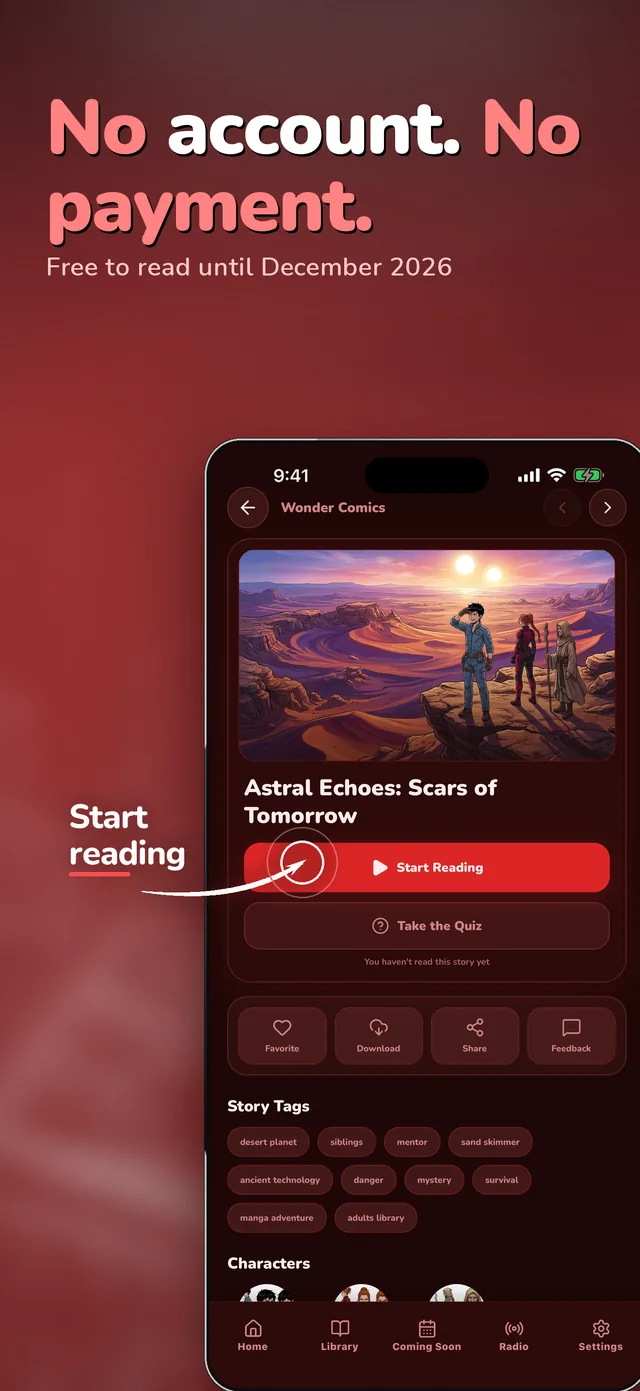
There's a free library you can read without paying. No login to start.
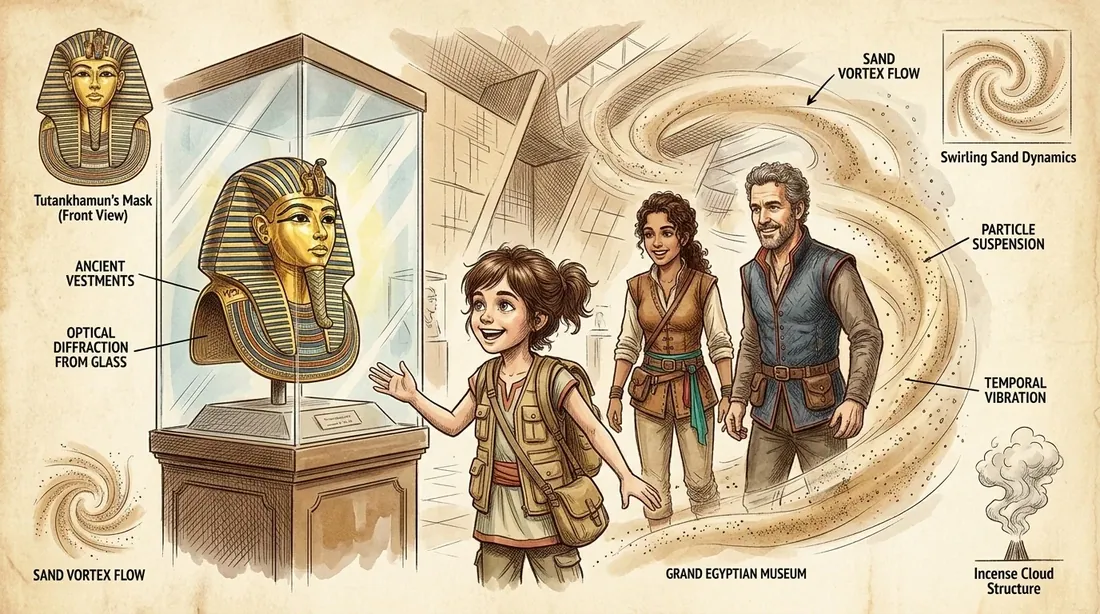
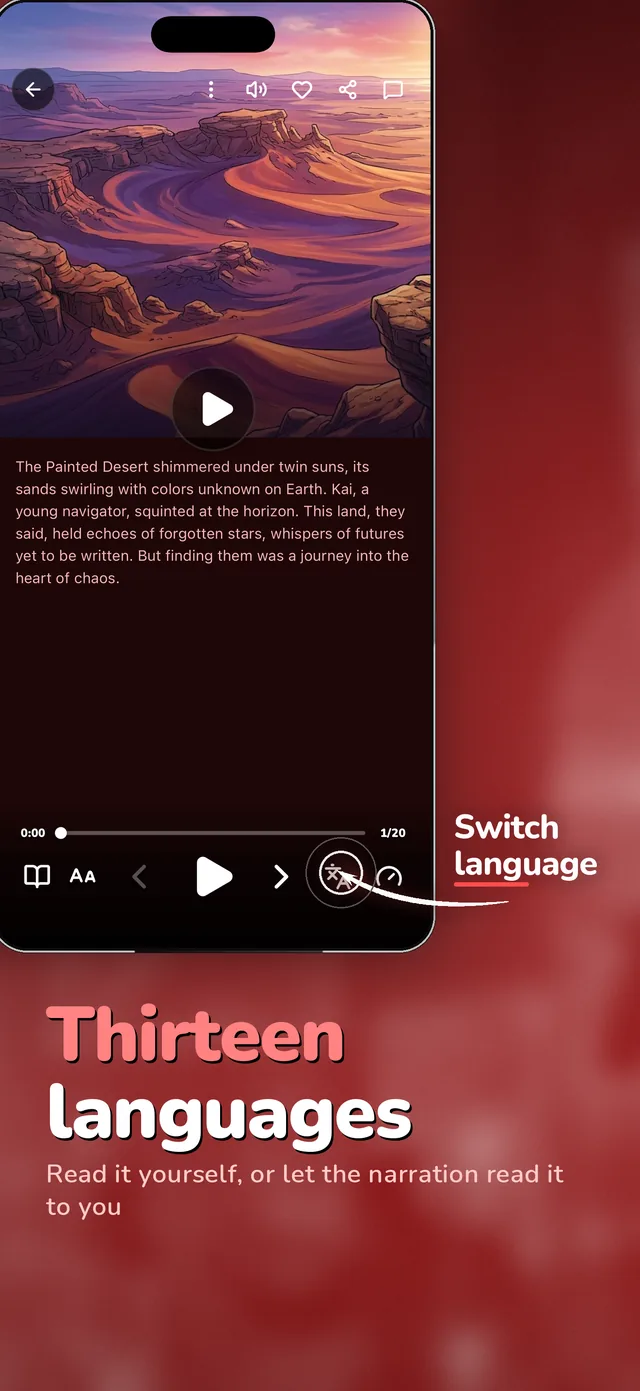
A real page from the library — illustration, text and narration, made together.
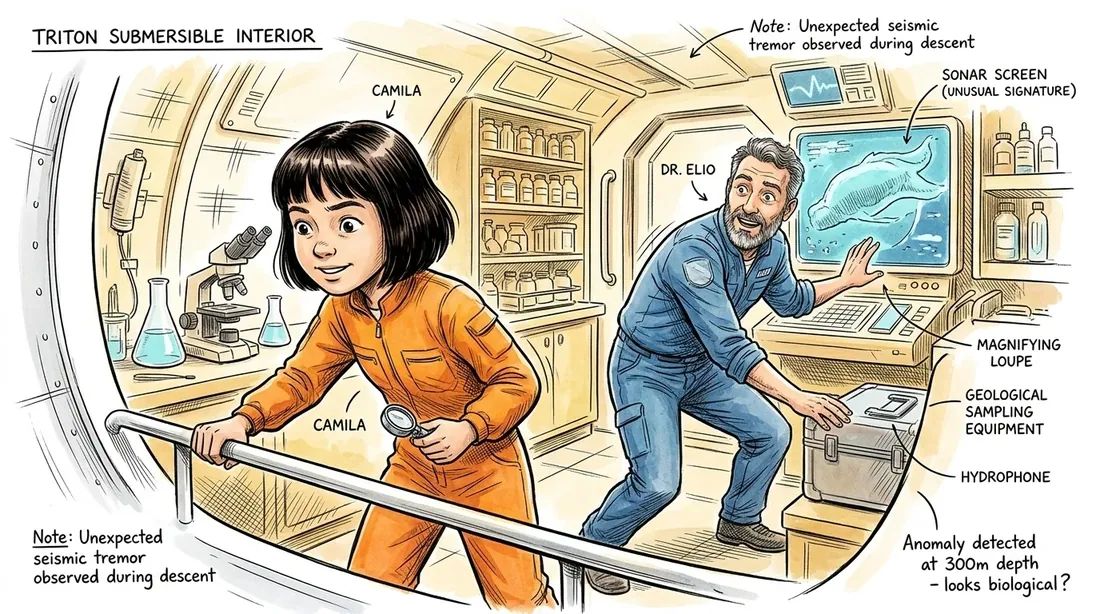
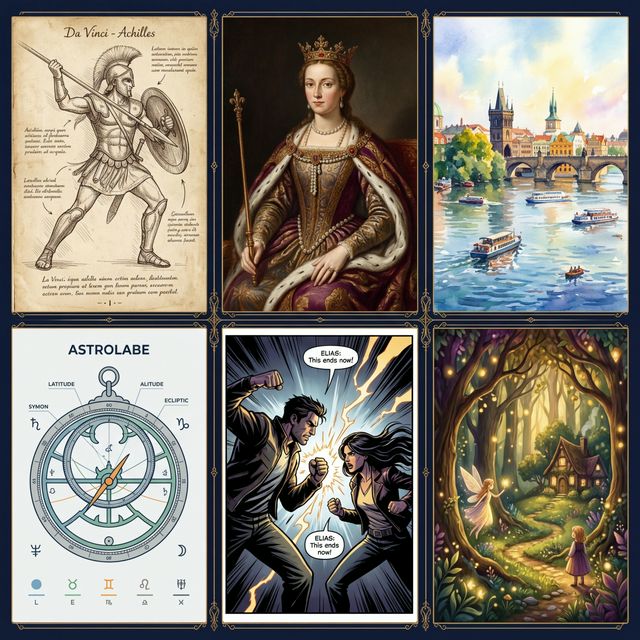
Every cover above is a real book in the library, painted for that book alone. Nothing here is stock art.
A child in Cairo and a child in Tokyo open the same story, each in their own language, and feel the same thing at the same page. Different countries, different alphabets, different faiths — the same catch in the throat. That was the whole belief in 2016, when the first app was one person, a handful of tales and a recording microphone.
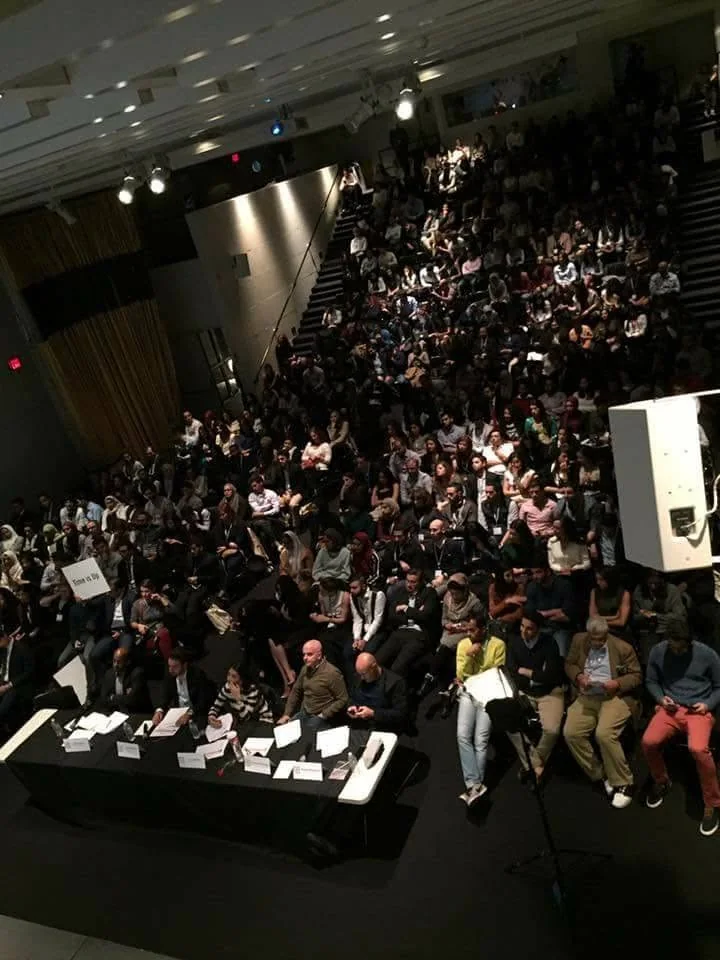
It found 255,988 readers and 975 ratings on its own, and it was picked top 10 of around 155 startups to pitch at Harvard Arab Weekend in November 2016. Then it hit the wall every small publisher hits: one person can only write, paint and narrate so many books, in so many languages, in one lifetime.
The belief did not change. The tools did. The same idea now reaches twelve libraries in thirteen languages — directed by the same person who started it, and illustrated and narrated with AI tools under his direction.
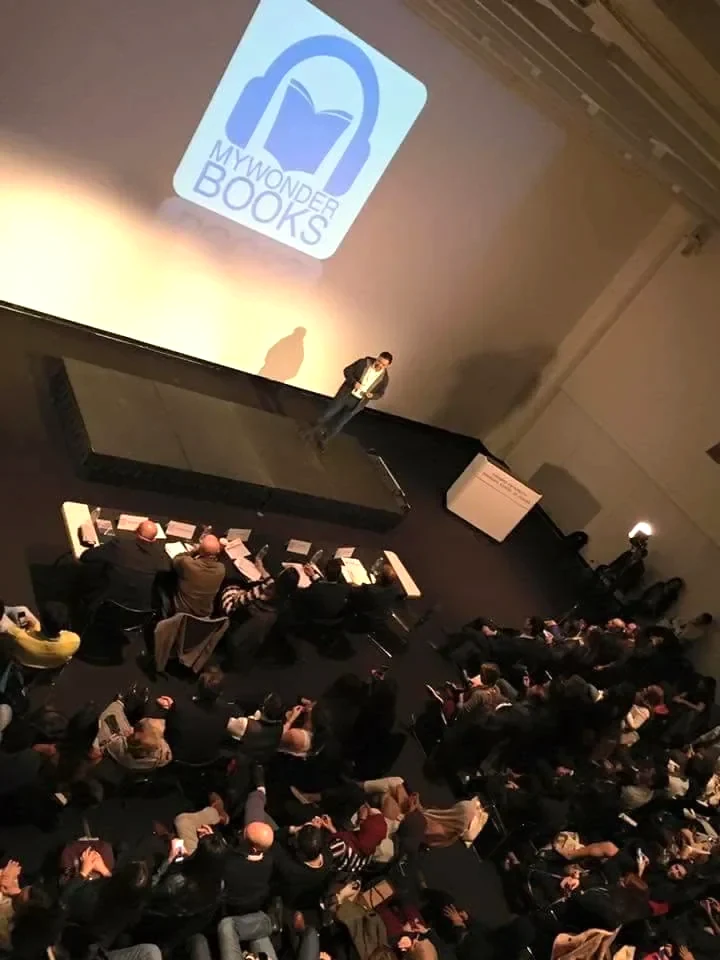
Harvard Arab Weekend, 12 November 2016. A full house, and our own name on the screen. Ten startups were chosen from about 155 — both photographs were published by the conference itself, not by us.
Every number below was measured in the live library, not estimated. It is what one founder's direction, with AI tools, has produced — and it keeps growing steadily, not in a sprint.
Complete illustrated books across eleven libraries — story, cover, ten painted pages, quiz and narration. Not chapters, not samples: finished books.
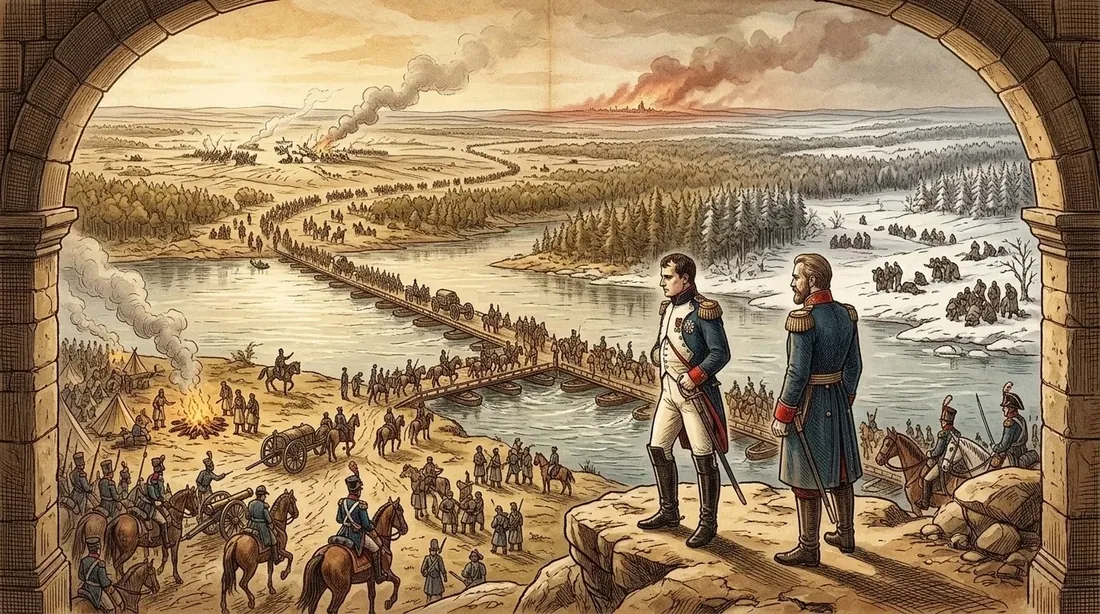
One per page, composed for that page's exact moment. Nobody has a stock photo of the Battle of Marathon — so it gets painted.
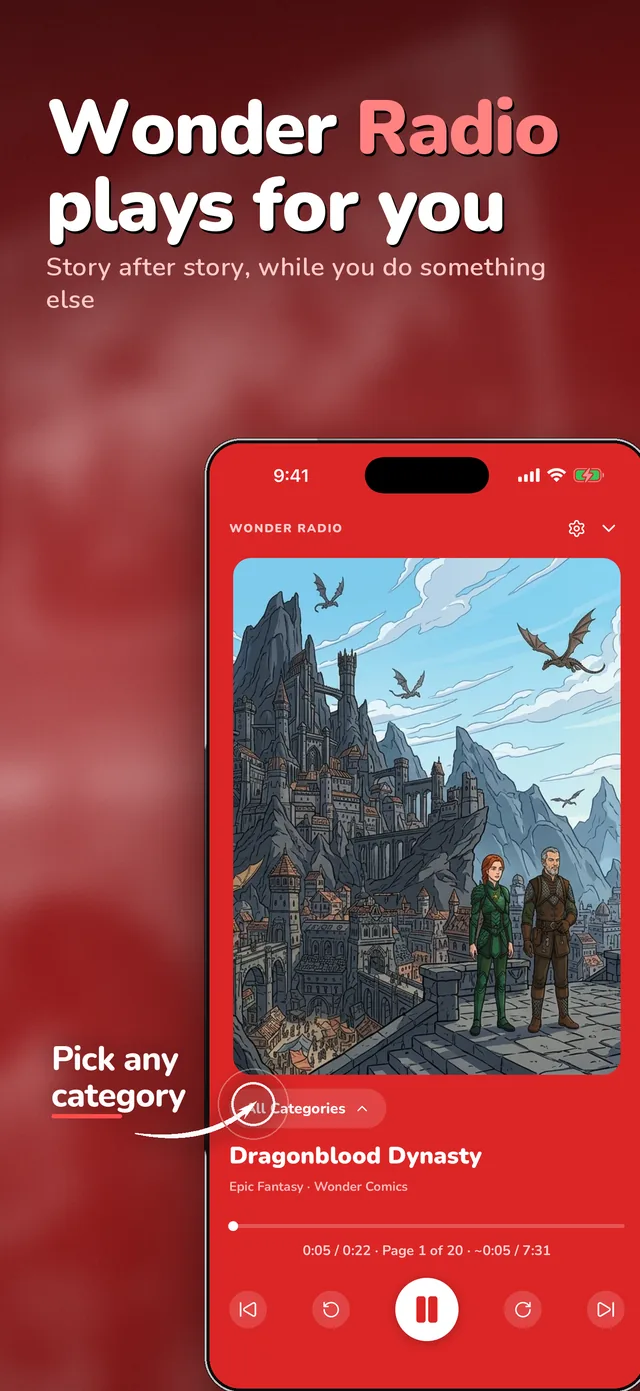
Read aloud page by page with the words highlighting as they're spoken, so a reader can listen hands-free with the illustration panning along.
Each one translated and re-narrated in a native voice — Arabic, Hindi, Japanese, Korean, Russian and more. Not captions over an English track.
Twelve iOS apps and twelve Android apps — one library each — from a single shared codebase, plus native builds for watch, TV, desktop and headset.
One founder working directly on every library: the vision, the story structure, the art direction, the narration style, and a daily review of the work.
Every library has its own colour and its own catalogue — and every one of them is painted by the same production line, to the same standard.
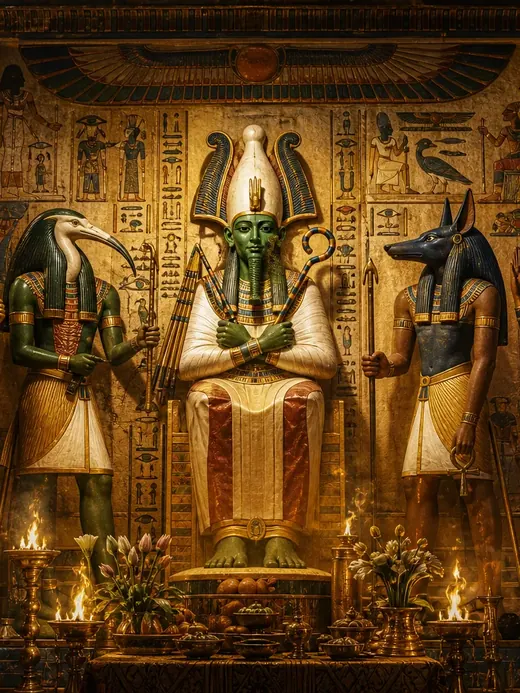
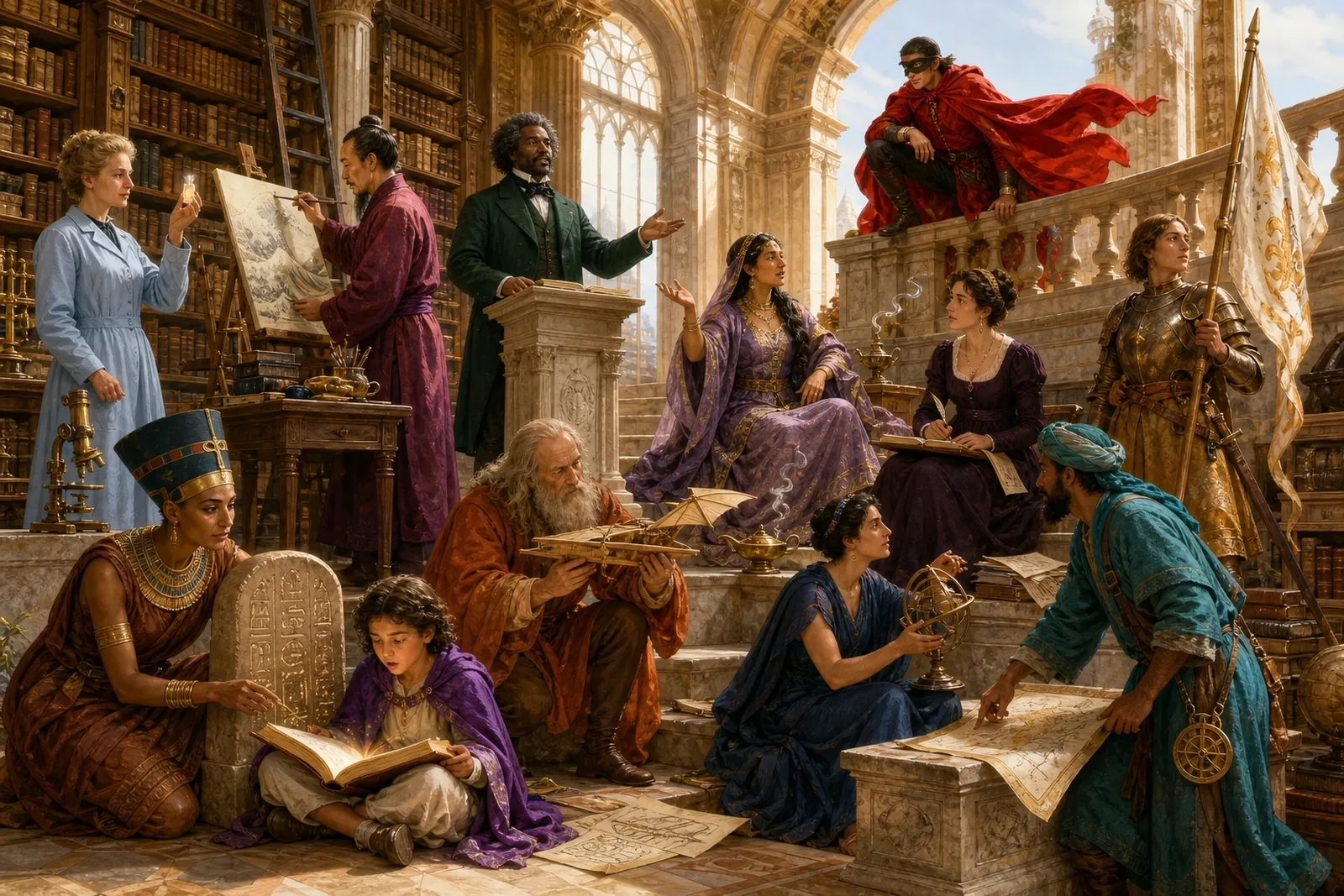
Key art from the WonderBooks brand set.
Every library is a separate universe — its own art direction, its own shelves, its own app on the store. They open to readers one after another, and the book count under each name is what is written and illustrated today.
Real events told as illustrated true stories — wars, empires, revolutions and the turning points between them.
How the universe actually works — discoveries, experiments and the big ideas, told as stories.
The machines and ideas that changed everything, and the stubborn people who built them.
Painters, composers and masterpieces — the story behind the art, not the label beside it.
Folk tales and fables from every culture, retold in plain words and freshly illustrated.
Places, cultures and journeys — the world’s wonders, one illustrated trip at a time.
The flagship shelf — the best of every world in one place, for readers who want the range.
Big questions made readable — thinkers and ideas as living stories, not lecture notes.
The full sweep of ancient Egypt — pharaohs, temples, the Nile and three thousand years.
This is a genuine page from the library — the same illustration, the same story, translated and then re-narrated in each language. Pick a language and press play.
Every language is generated the same way: the page is translated, checked, then spoken by a native voice with its own timing. Open this book →
A book is not translated once. Every page is translated, checked, then narrated again by a native voice with its own timing — so a reader in Cairo, Seoul or São Paulo gets what an English reader gets.
This is the production line the founder designed. A book starts as a title on a curated list and finishes as an illustrated, narrated, translated, quality-checked volume on eleven shelves and two app stores. He sets the standard at every stage and reviews the work as it comes through.
The founder decides which subjects the library is missing, working from a 2,050-book reference index and the library's own catalogue, and the next batch is set down as a real book list.
Before a single sentence is written, a factual brief is produced and locked in as an anchor — the fix that stopped a story about D-Day drifting into the Suez Canal.
Ten short pages under the founder's written story law: dialogue and feeling live in the text, scenery lives in the illustration, and no two books reuse the same shape.
Character sheets lock every face, age and build before any page is painted, so the person you meet on page one is the same person on page ten.
Each page gets a written shot: camera at the edge of the room so you always know where you are, characters caught mid-action, one committed style for the whole book.
The illustration is made for that page alone. A safety filter strips anything frightening from a kids prompt before it is ever sent.
A studio voice reads the page, with word timings so the text highlights in sync and the illustration pans to the position of the audio.
Thirteen languages, each translated and then spoken again by a native voice. A language only ships when its translation score and voice error rate pass the bar.
Quality score, metadata integrity, audience policy and a per-book cost meter. A book that fails the gate does not reach a shelf.
Straight onto the web reader and into twelve iOS and twelve Android apps — then analytics and reader feedback decide what the next cycle writes.
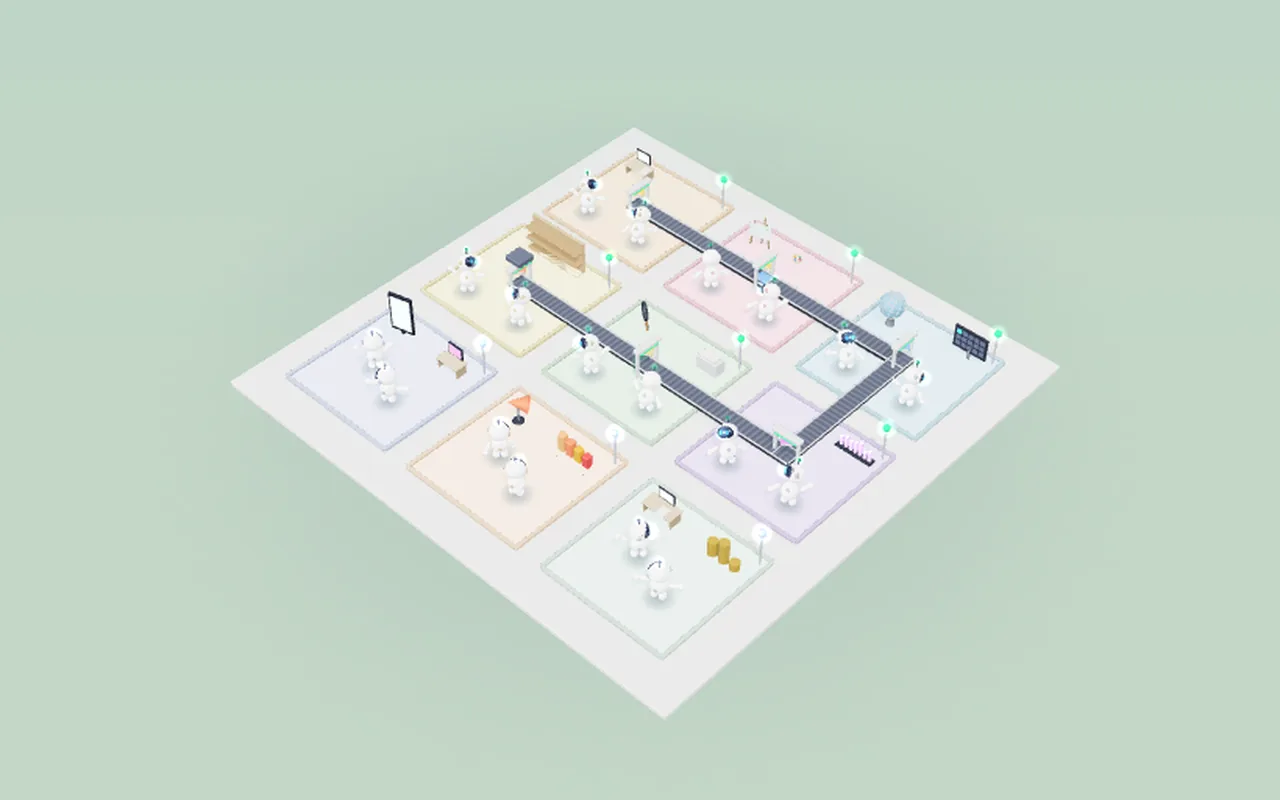
A stylised 3D model of how a WonderBooks book is made: nine departments, from first idea to a narrated, illustrated book. It is an illustration of the process, not a live feed. Tap a room to look inside, or press play for the tour.
An illustration of how a book is made, not live data.
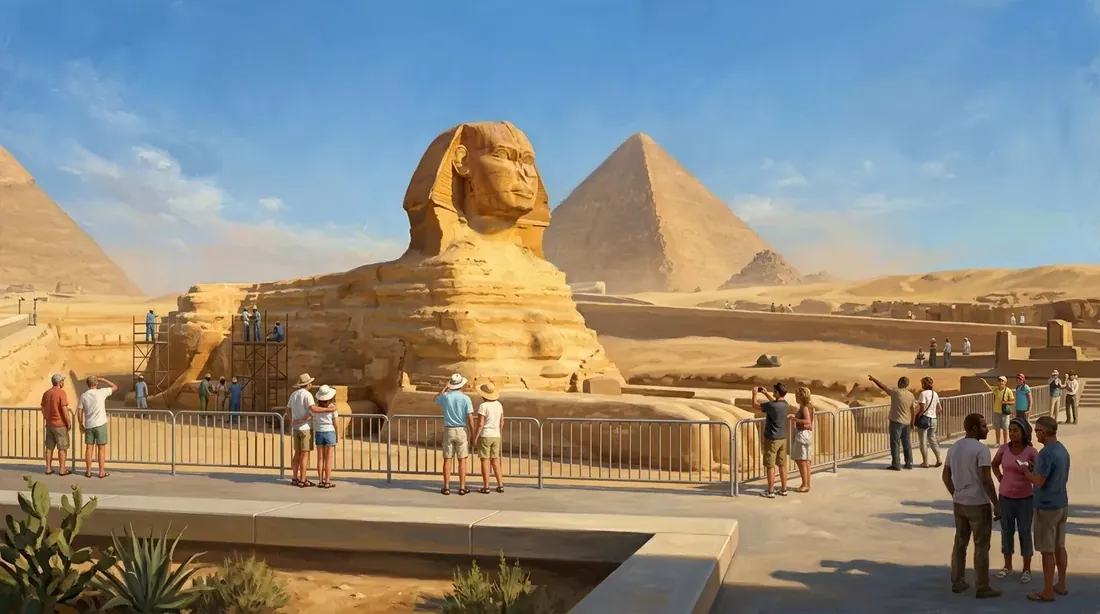
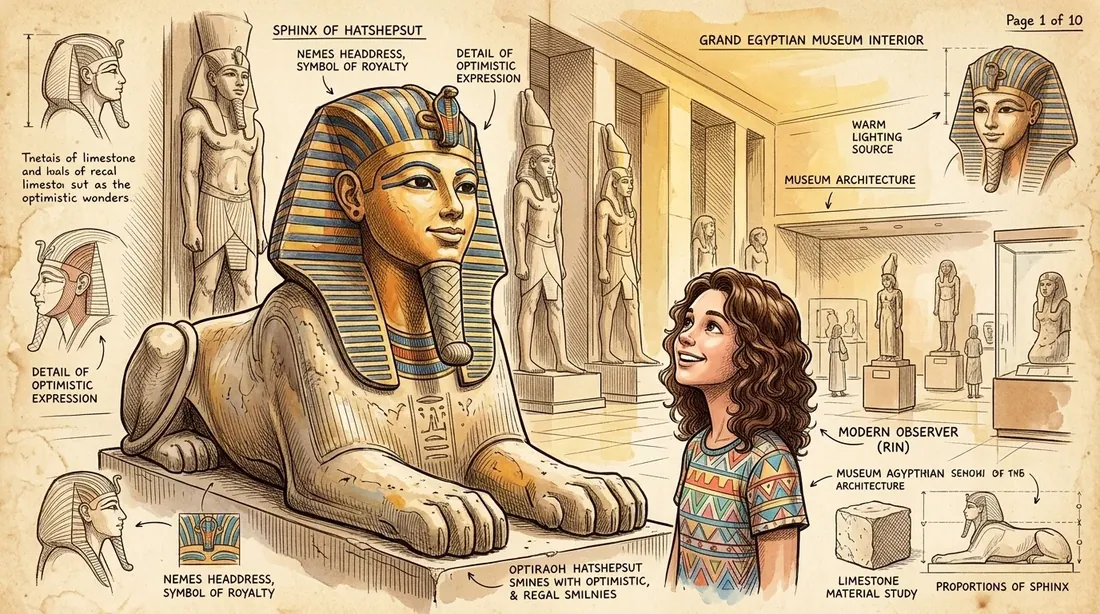
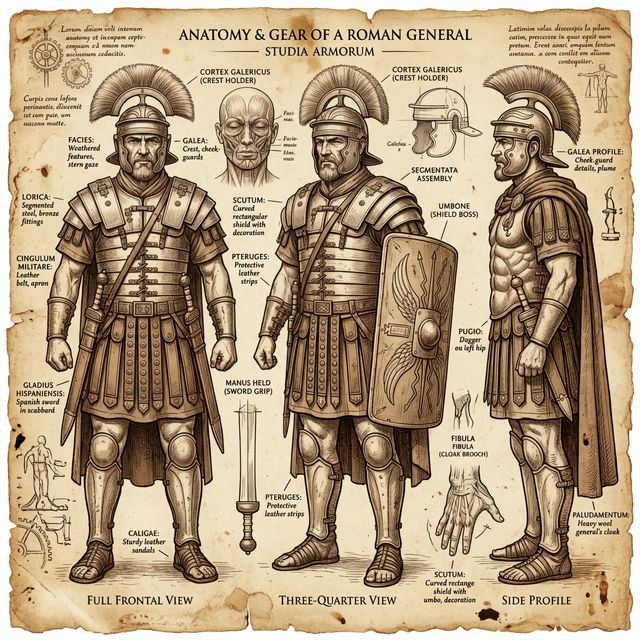
No archive, no photo library, no reuse. Each one was painted for a single page of a single book — the right room, the right year, the right faces — and then never used again.
From the WonderBooks library.
So it gets painted. Everything below is real output from the production line — the covers, the pages, the character sheets, the styles. Nothing staged, nothing borrowed.

Not clip-art, not a stock library, not a reused background. The picture exists because that page of that story needed it — which is why 24,000+ of them had to be made, one at a time, before a single reader saw them.

Character sheets anchor each hero before the first page is painted, so nobody quietly becomes a different person halfway through the book.

Baroque oil, ligne claire, painterly gouache — a book commits to a single look and holds it cover to cover. Kids does not mean cartoon.

Pages narrate one after another, the words light up as they're spoken, and the illustration pans with the audio position — not a zoom, a slow camera move.

They are two separate worlds end to end — separate writing, separate art rules, separate shelves. Nothing frightening ever reaches a kids prompt, let alone a kids page.
And one real page from each of the twelve libraries, pulled live as you loaded this page. Click any one to see it full size.
Because every page is produced digitally, every page can be improved. A printed book cannot fix a wrong date. An ordinary app cannot repaint a weak illustration. This one does both.
Every page carries a feedback button — a wrong date, a weak picture, a clumsy sentence. One tap files it against that exact page.
→The flagged page enters the repair queue, is redone, re-checked and republished — in days, not in a new edition three years later.
→In-app polls ask what should be written next, and the answers become the next batch. The library grows in the direction its readers point.
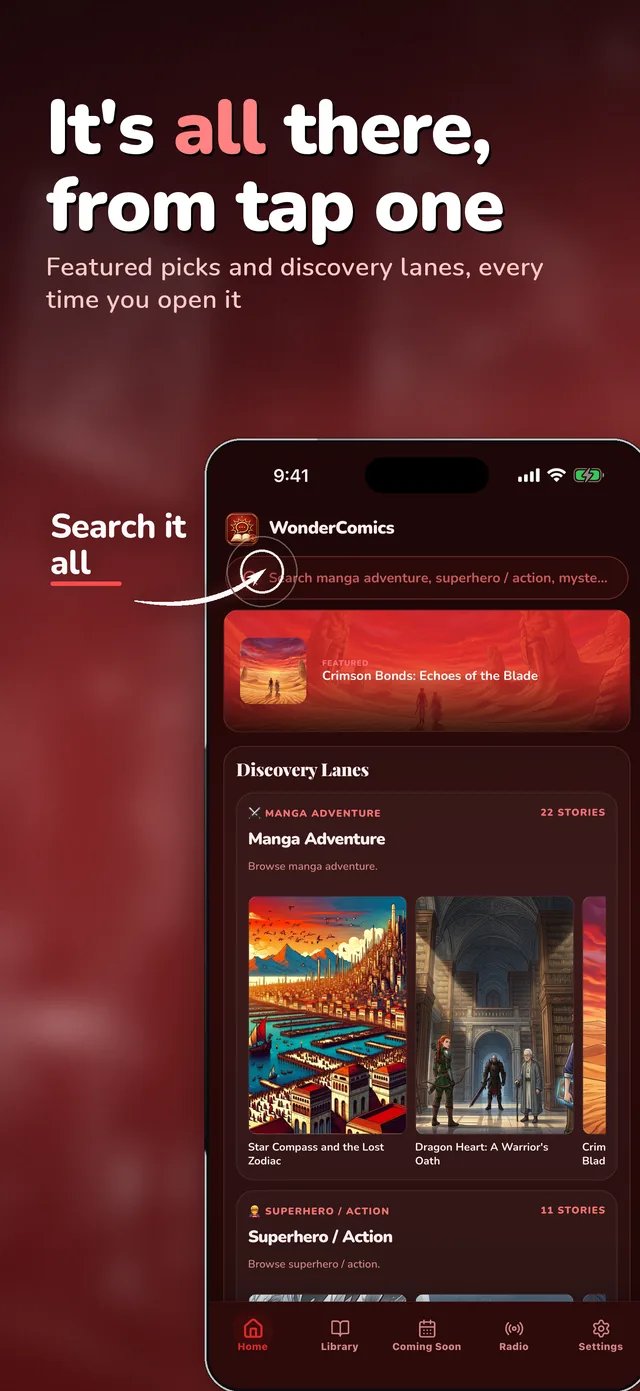
The phone app, the watch app, the television and the headset are not four different products with four different menus — they are the same reader, adapted to the input each device has.


The same screenshots a reader sees on the App Store and Google Play — not a separate set made for this page.
Cloud models where quality demands it, local models on Apple Silicon where volume demands it, and one shared codebase behind every screen a reader can hold.
AI tools do the heavy production. The decisions are the founder's: what each library holds, how every story is structured, how every page is drawn, how each narrator sounds — documentary, action, soft or for kids — and what to build next. Nothing is published unreviewed.
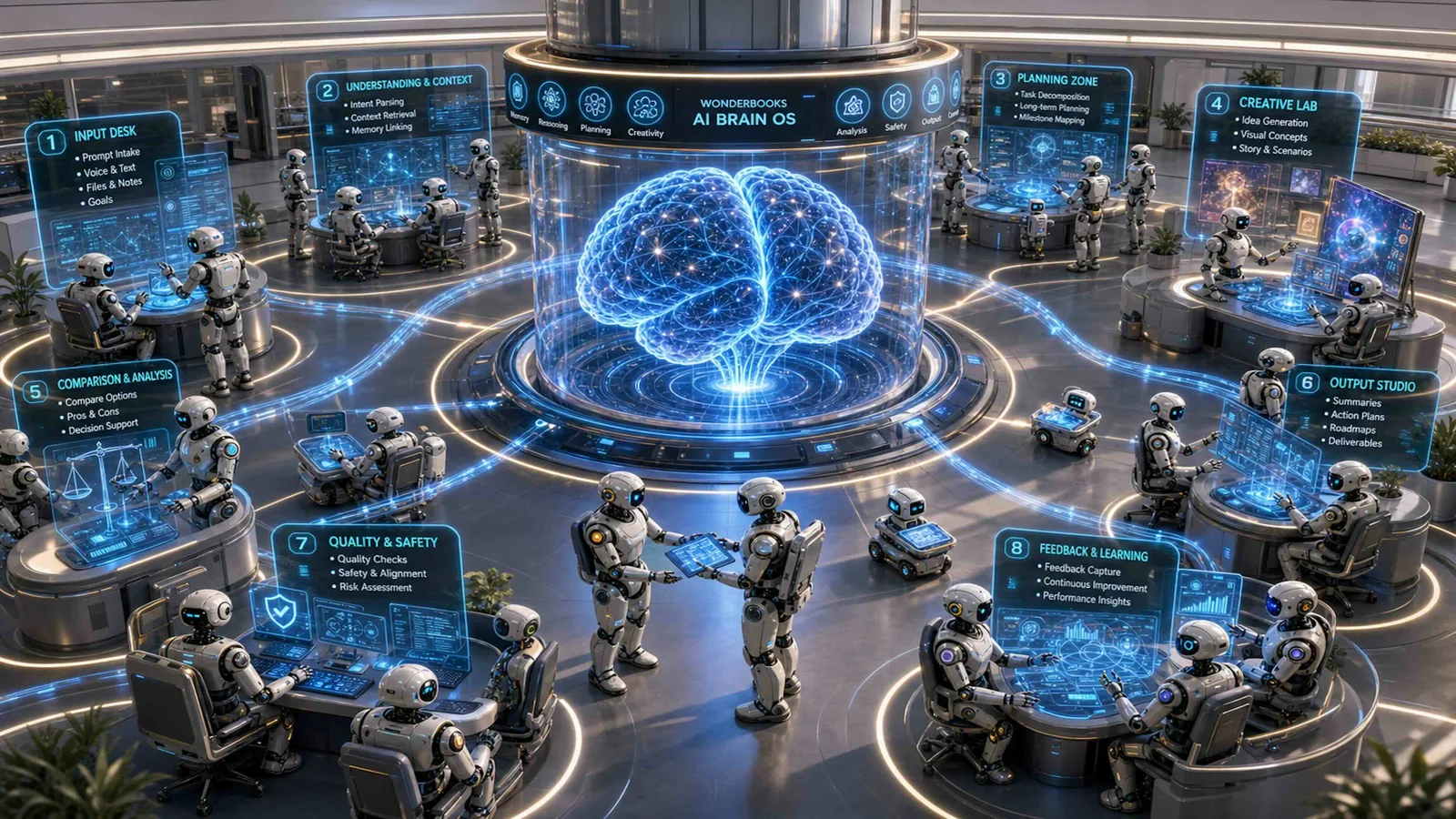
That is how one founder can direct twelve libraries and twenty-four apps. The work is organised as eight standing departments, each with its own charter, its own audits and its own decision log, and each answering to him.
One brief goes in at the intake desk. What comes out the other side is a finished book — written, painted, narrated and translated — after planning, drafting, and a quality and safety pass, with the founder reviewing the result and reader feedback shaping what is made next.
Eight stations, the same eight departments listed above.
No account, no trial, no card. There's a free library you can read without paying — start with Wonder History and see what a page looks like when it was painted for itself.
© 2026 NVIDIA, the NVIDIA logo, and NVIDIA Inception are trademarks and/or registered trademarks of NVIDIA Corporation in the U.S. and other countries.