Metro System — 用中文阅读
故事标题目前仍是英文,正文是中文。
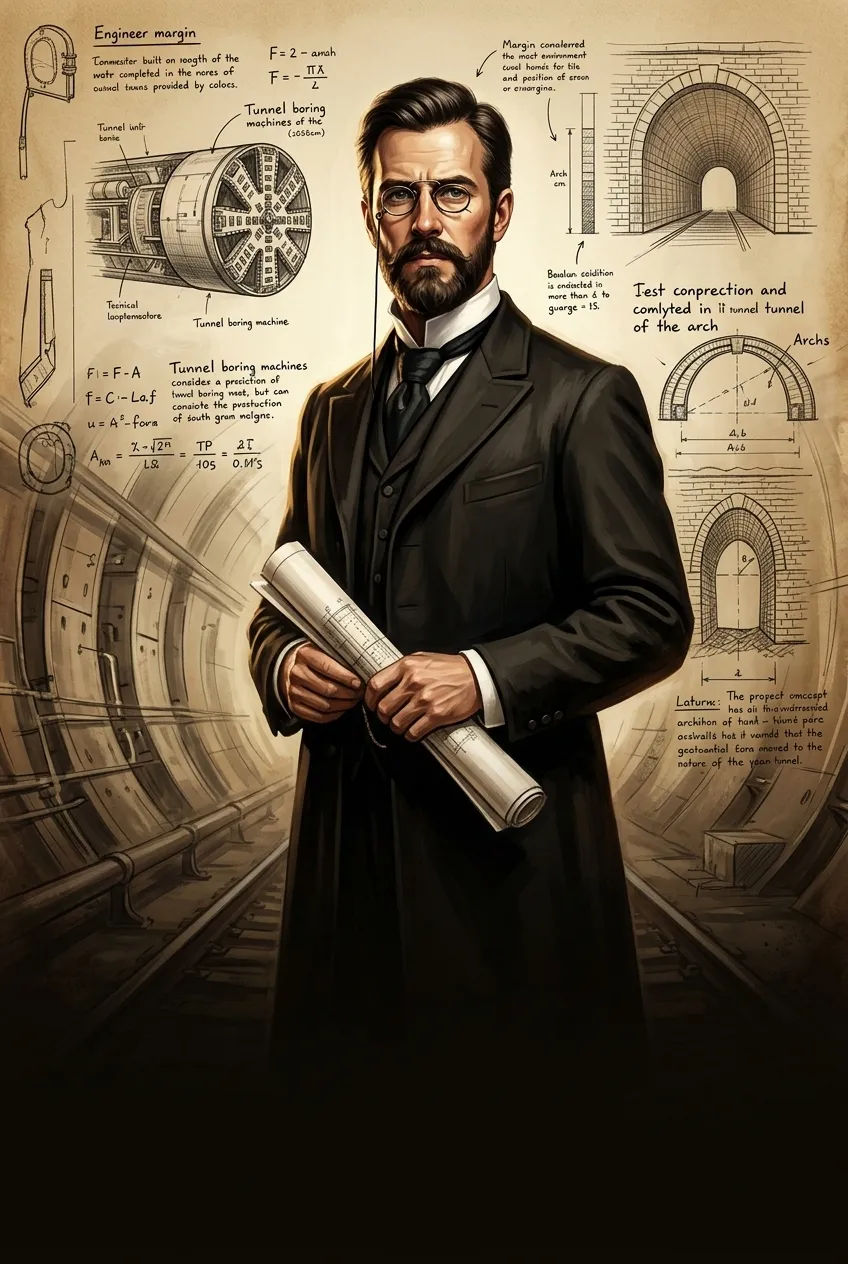
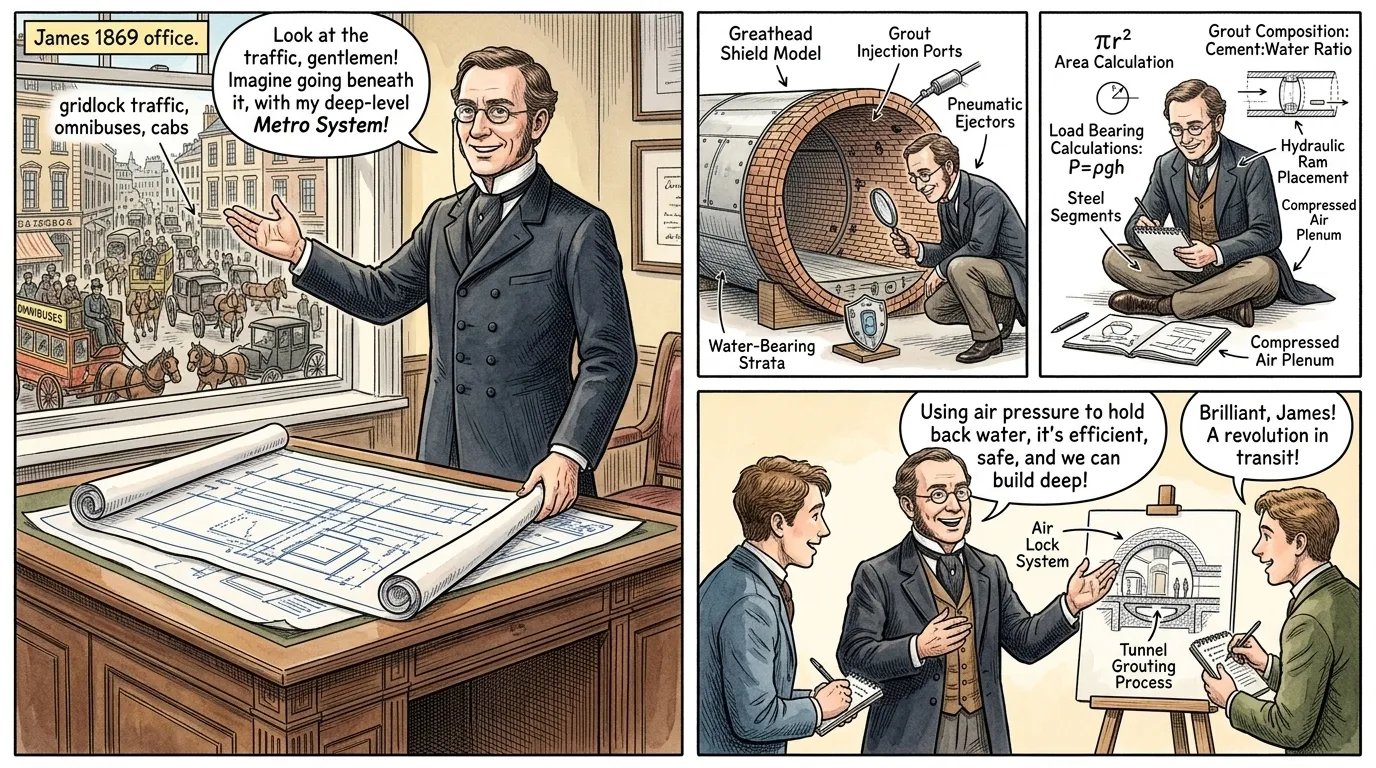
时值一八六九年,大英帝国的心脏伦敦,正因自身的成功而窒息。地面交通,由马车和出租车组成的混乱芭蕾,已达到无法承受的堵塞程度,迫切需要一个革命性的地下解决方案。正是在这里,来自南非的杰出土木工程师詹姆斯·亨利·格雷特黑德构想了“地铁系统”——一个深层铁路网络,采用革命性的盾构法建造,旨在重新定义城市交通。他于同年获得的专利,承诺在伦敦臭名昭著的不稳定黏土中开辟出干净、稳定的通道,这一突破将从字面上将伦敦从自身困境中解救出来。 “先生们,伦敦正在扼杀自己,”詹姆斯·亨利·格雷特黑德,一位坚定的土木工程师,在一八六九年从他的办公室窗户指向拥堵的街道时宣称。“地面无法再承受一辆马车;我们必须寻求地下通道。”他展示了他的革命性地铁系统的草图,解释了它将如何在首都充满挑战的地下开辟出稳定、深层的铁路。“正如托马斯·杰斐逊曾经说过,‘土地是国家居民唯一拥有的东西,’而我们现在必须以前所未有的安全方式进入这片土地。”
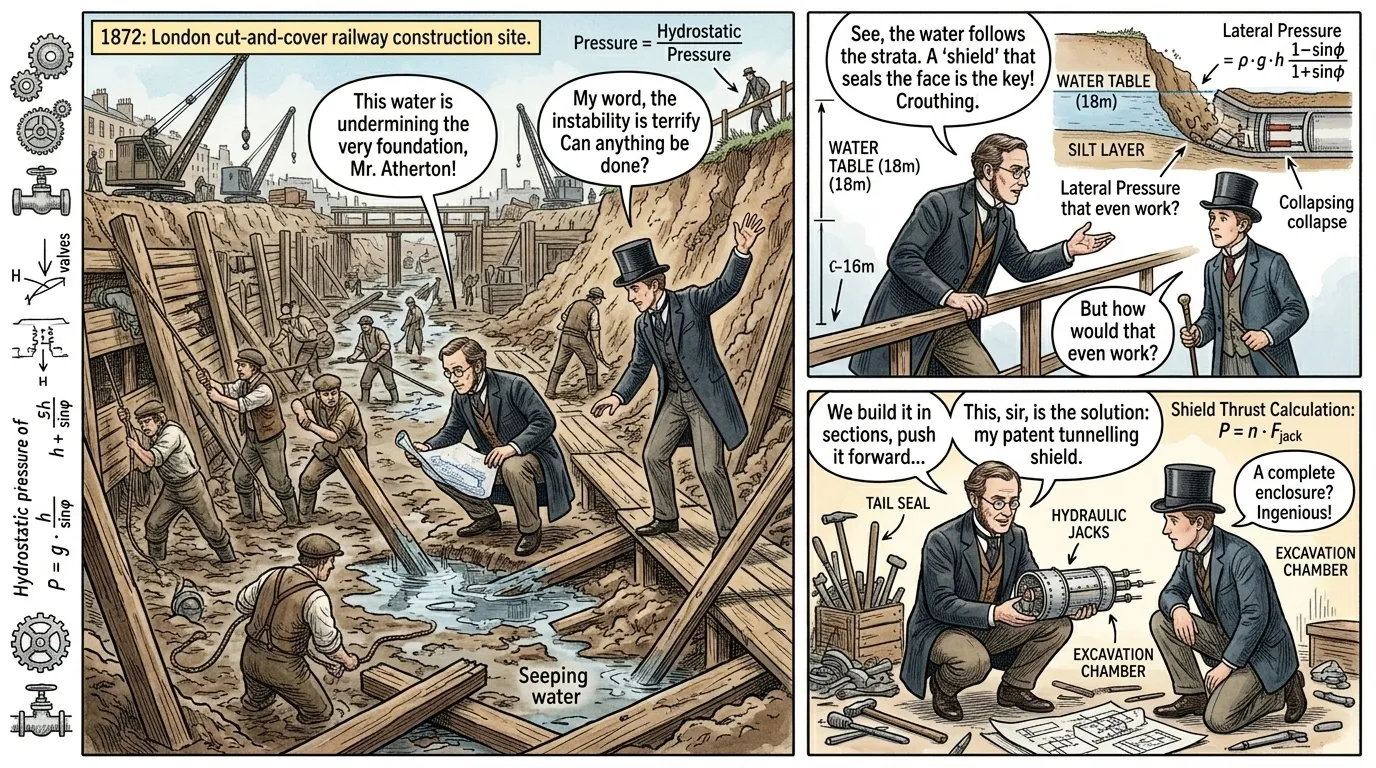
The very foundations of London vibrate under the strain, remarked a prominent city official, Mr. Atherton, to Greathead during an inspection of a cut-and-cover site in 1872. Our current 'cut-and-cover' railways tear through property, cause endless disruption, and only scratch the surface of our problem. Greathead nodded, observing workers struggling with wooden shoring to prevent cave-ins, and added, Indeed, the deeper one goes, the more perilous the water ingress becomes; securing shafts against the Thames' influence without massive flooding is an engineering nightmare. The sheer difficulty of tunneling beneath established buildings and through water-saturated clay remained the formidable obstacle. ""The very foundations of London vibrate under the strain," remarked a prominent city official, Mr. Atherton, to Greathead during an inspection of a cut-and-cover site in 1872. "Our current 'cut-and-cover' railways tear through property, cause endless disruption, and only scratch the surface of our problem." Greathead nodded, observing workers struggling with wooden shoring to prevent cave-ins, and added, "Indeed, the deeper one goes, the more perilous the water ingress becomes; securing shafts against the Thames' influence without massive flooding is an engineering nightmare." The sheer difficulty of tunneling beneath established buildings and through water-saturated clay remained the formidable obstacle."
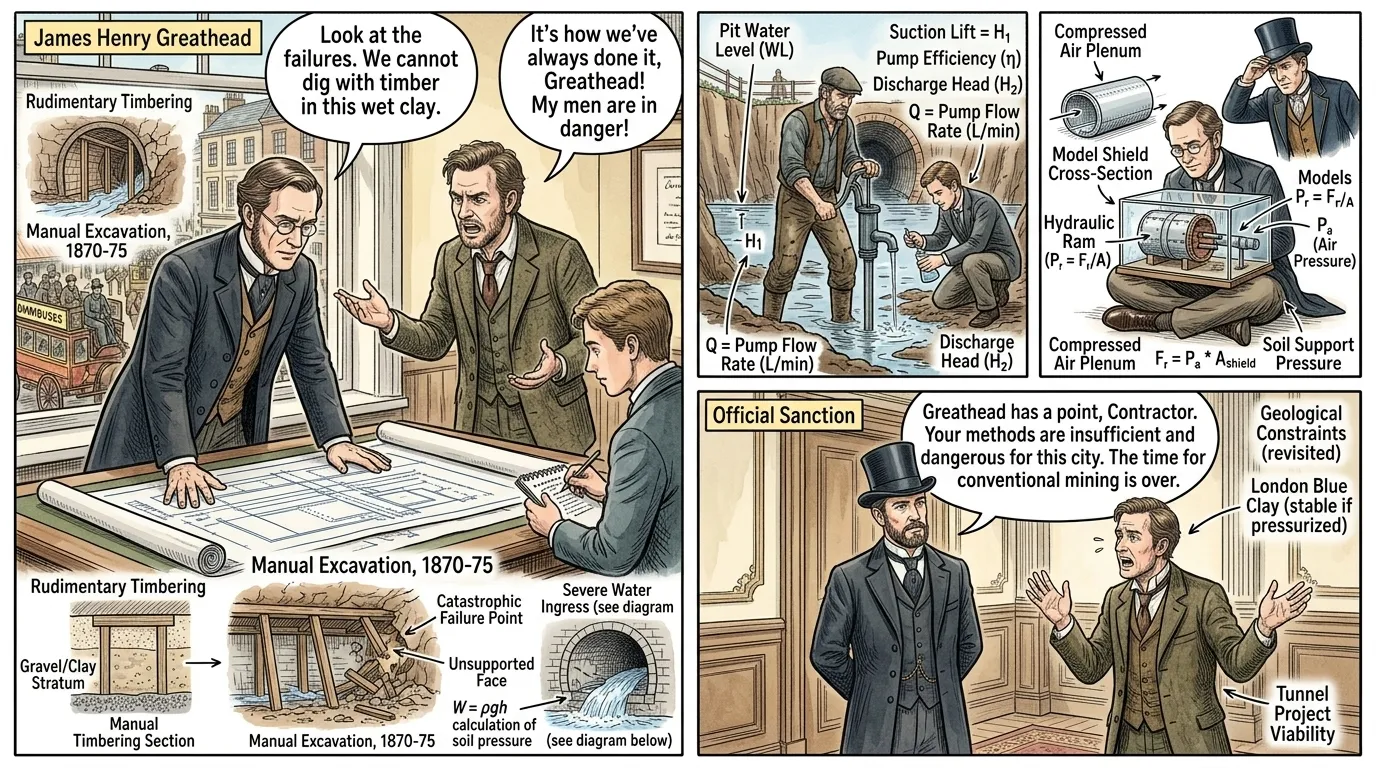
Previous attempts at deep tunneling proved too costly and dangerous, Mr. Greathead, an exasperated contractor explained, pointing to a schematic on his desk in 1875, depicting collapsing tunnels. Without a method to continuously support the excavation face and seal against water, any deep bore will become a watery grave for both capital and men. Greathead intently studied the diagram, noting the rudimentary timbering and manual excavation techniques that were clearly inadequate for London's unique geology. He knew a radical departure from conventional mining was absolutely essential. ""Previous attempts at deep tunneling proved too costly and dangerous, Mr. Greathead," an exasperated contractor explained, pointing to a schematic on his desk in 1875, depicting collapsing tunnels. "Without a method to continuously support the excavation face and seal against water, any deep bore will become a watery grave for both capital and men." Greathead intently studied the diagram, noting the rudimentary timbering and manual excavation techniques that were clearly inadequate for London's unique geology. He knew a radical departure from conventional mining was absolutely essential."
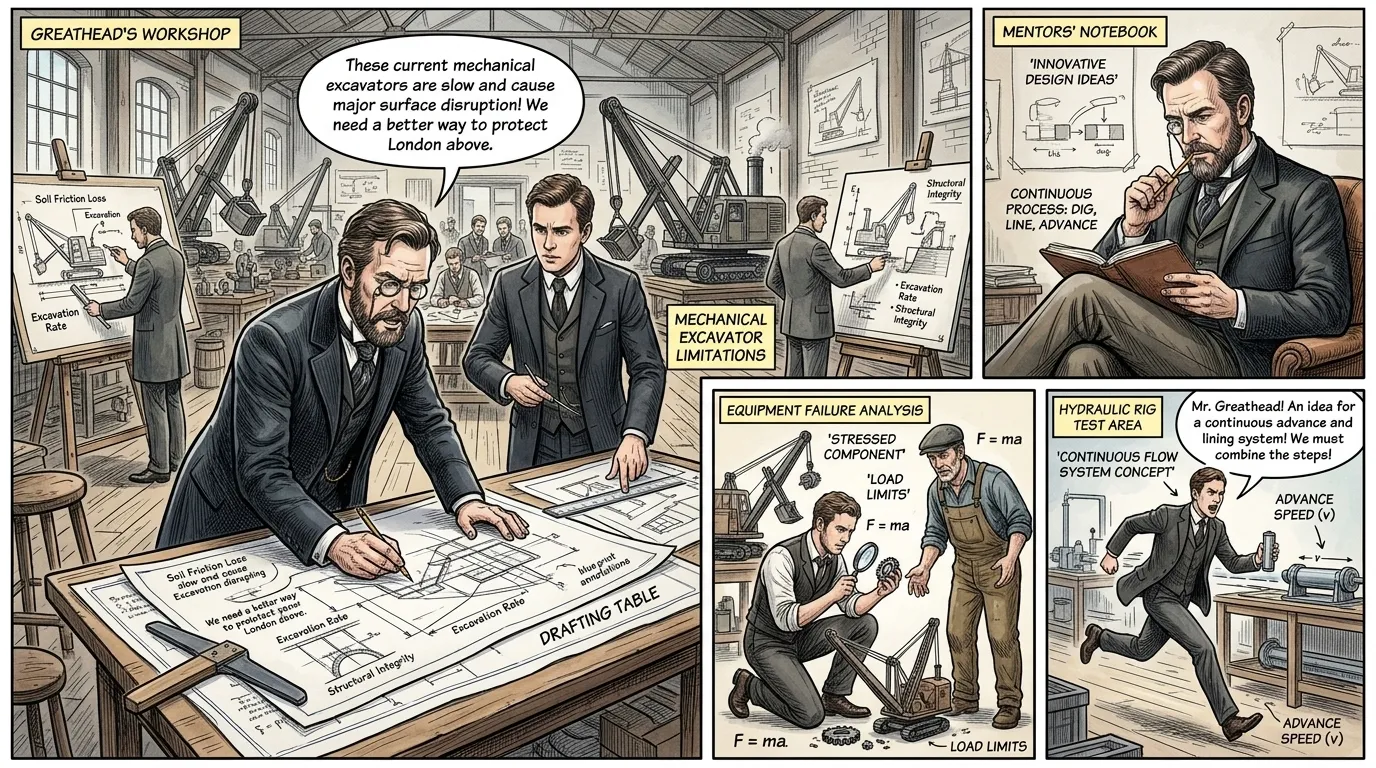
The true challenge lies not just in boring through earth, but in doing so without disturbing the fragile city above, Greathead mused aloud to his design team in 1879, sketching furiously on a large drafting table. We need something that can advance like a mole, protecting as it digs, and stabilizing as it moves. His team, two younger engineers with serious expressions, discussed the limitations of contemporary mechanical excavators, which lacked the necessary structural integrity for London's particular strata. Greathead envisioned a solution that would integrate excavation and lining into a continuous, self-supporting process. ""The true challenge lies not just in boring through earth, but in doing so without disturbing the fragile city above," Greathead mused aloud to his design team in 1879, sketching furiously on a large drafting table. "We need something that can advance like a mole, protecting as it digs, and stabilizing as it moves." His team, two younger engineers with serious expressions, discussed the limitations of contemporary mechanical excavators, which lacked the necessary structural integrity for London's particular strata. Greathead envisioned a solution that would integrate excavation and lining into a continuous, self-supporting process."
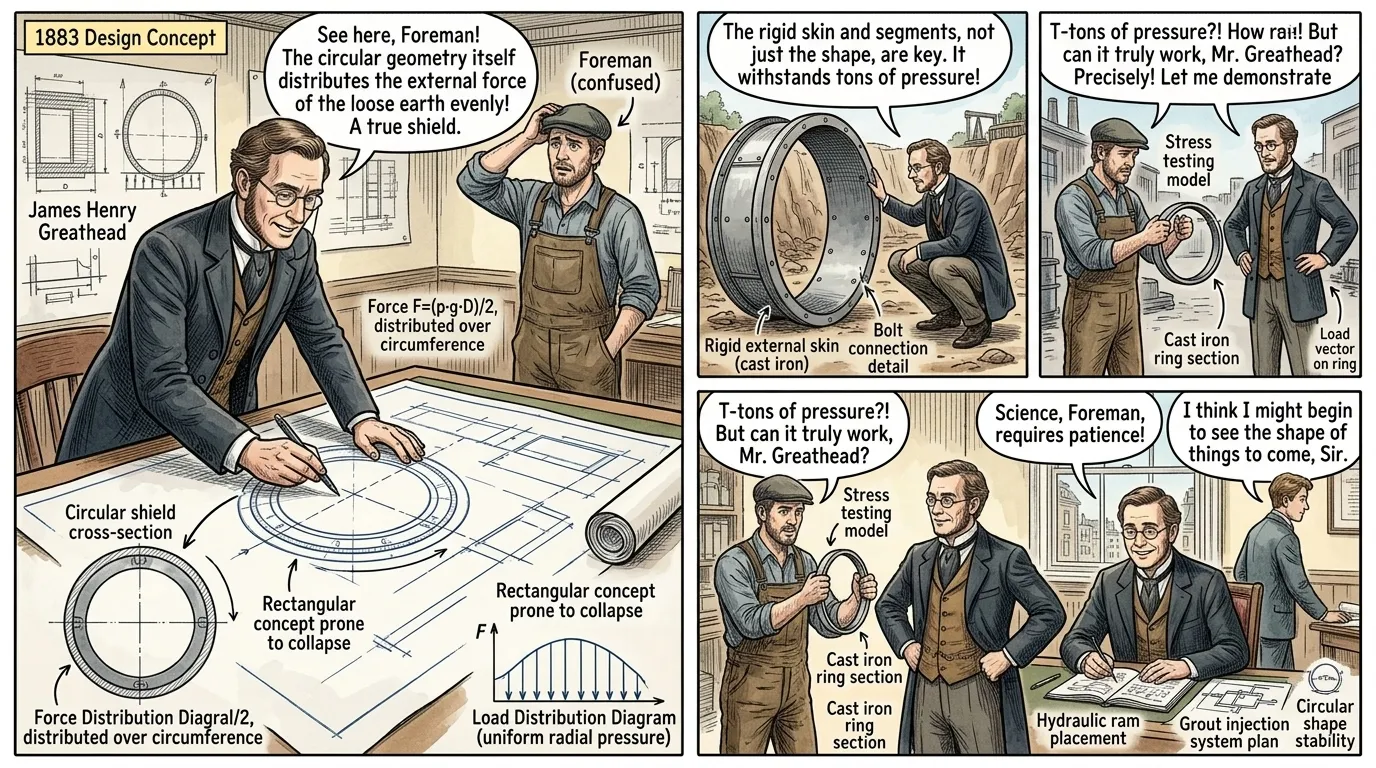
Greathead's early designs grappled with the problem of maintaining structural integrity, often showing timber frameworks that were either too cumbersome or insufficiently robust. A rigid, external skin, capable of withstanding immense pressure from all sides, is fundamental, he explained to a bewildered foreman reviewing a prototype concept in 1883, pointing to its circular profile. This circular geometry, he theorized, would distribute external forces evenly, a crucial departure from the rectangular, prone-to-collapse shafts of prior attempts. His focus shifted from resisting forces to cleverly redirecting them. "Greathead's early designs grappled with the problem of maintaining structural integrity, often showing timber frameworks that were either too cumbersome or insufficiently robust. "A rigid, external skin, capable of withstanding immense pressure from all sides, is fundamental," he explained to a bewildered foreman reviewing a prototype concept in 1883, pointing to its circular profile. This circular geometry, he theorized, would distribute external forces evenly, a crucial departure from the rectangular, prone-to-collapse shafts of prior attempts. His focus shifted from resisting forces to cleverly redirecting them."
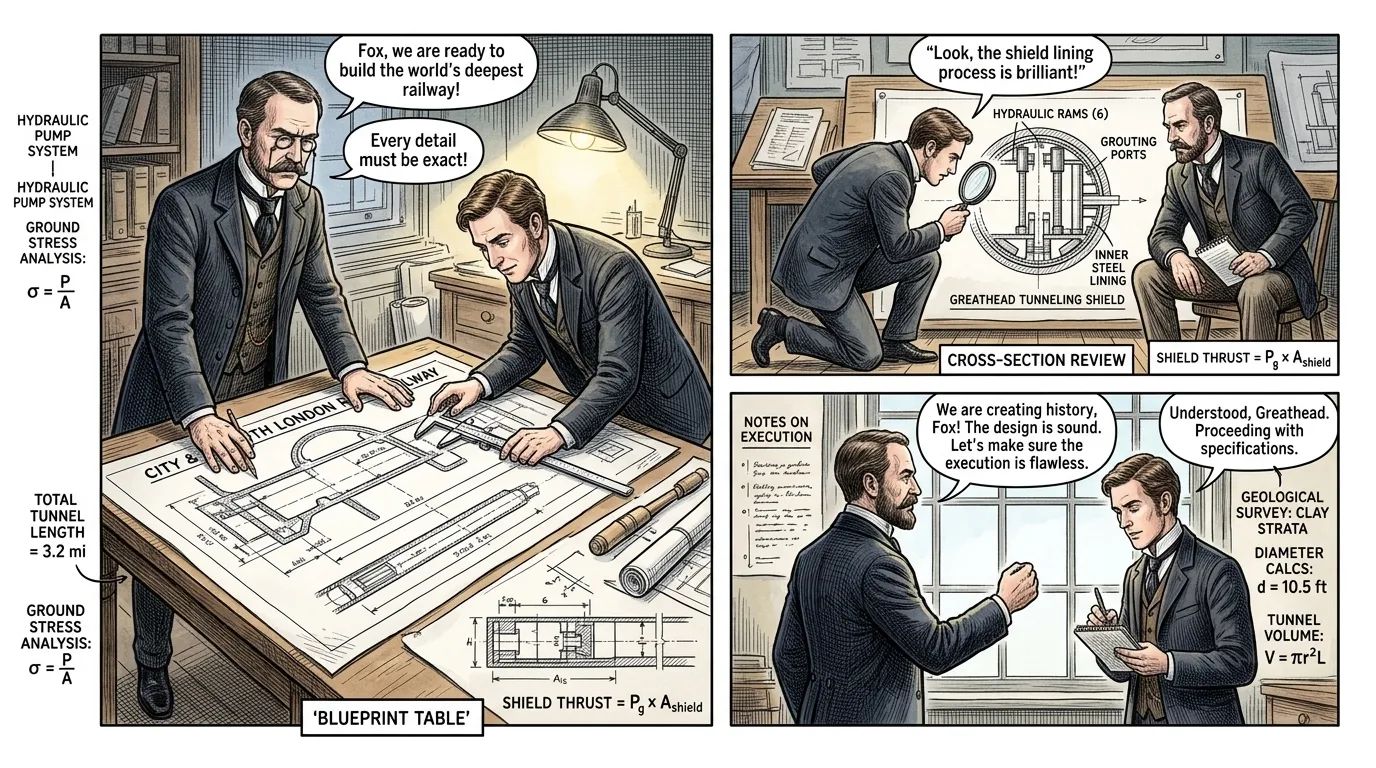
The core principle, then, is continuous support and immediate lining, Greathead articulated to his lead engineer, Francis Fox, in late 1884, overseeing the final drawings for the City & South London Railway project. His innovative tunneling shield acted as a mobile, temporary support, creating a safe chamber for workers at the cutting face. It's a fortress that moves, Fox noted, admiring the detailed blueprints, excavating earth, pushing forward with hydraulic power, and leaving behind a permanent cast-iron cylinder. This seamless integration of excavation and structural reinforcement was the genius of his design. ""The core principle, then, is continuous support and immediate lining," Greathead articulated to his lead engineer, Francis Fox, in late 1884, overseeing the final drawings for the City & South London Railway project. His innovative tunneling shield acted as a mobile, temporary support, creating a safe chamber for workers at the cutting face. "It's a fortress that moves," Fox noted, admiring the detailed blueprints, "excavating earth, pushing forward with hydraulic power, and leaving behind a permanent cast-iron cylinder." This seamless integration of excavation and structural reinforcement was the genius of his design."
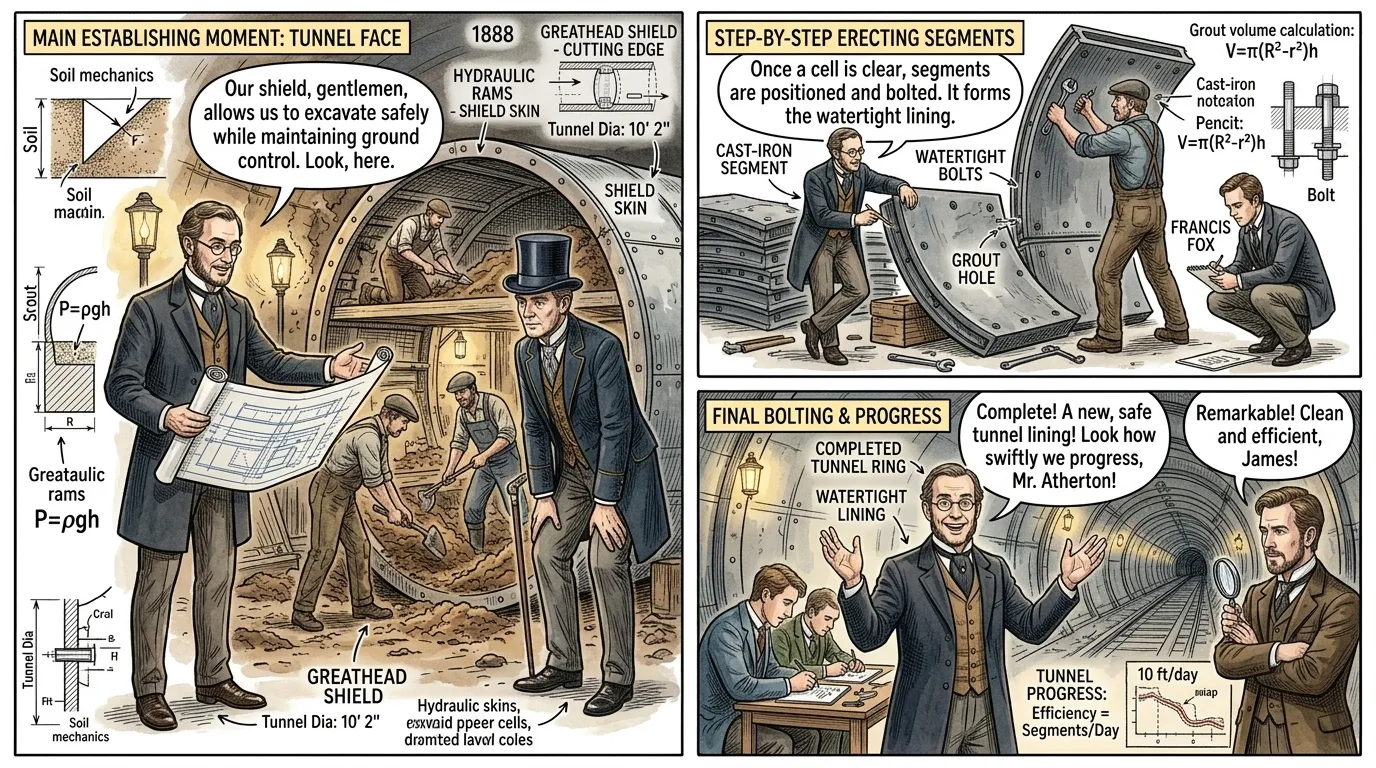
The Greathead Shield was essentially a thick, cylindrical steel shell, its sharp forward edge designed to bite into the earth. Within this protective casing, workers could excavate soil safely, shielded from immediate collapse, while powerful hydraulic rams pushed the entire structure forward. As the shield advances, Greathead explained to a visiting dignitary in 1888, during an early construction phase, pre-fabricated cast-iron segments are bolted together behind it, forming the permanent, watertight tunnel lining. This method drastically improved safety and speed, fundamentally changing subterranean construction. "The Greathead Shield was essentially a thick, cylindrical steel shell, its sharp forward edge designed to bite into the earth. Within this protective casing, workers could excavate soil safely, shielded from immediate collapse, while powerful hydraulic rams pushed the entire structure forward. "As the shield advances," Greathead explained to a visiting dignitary in 1888, during an early construction phase, "pre-fabricated cast-iron segments are bolted together behind it, forming the permanent, watertight tunnel lining." This method drastically improved safety and speed, fundamentally changing subterranean construction."
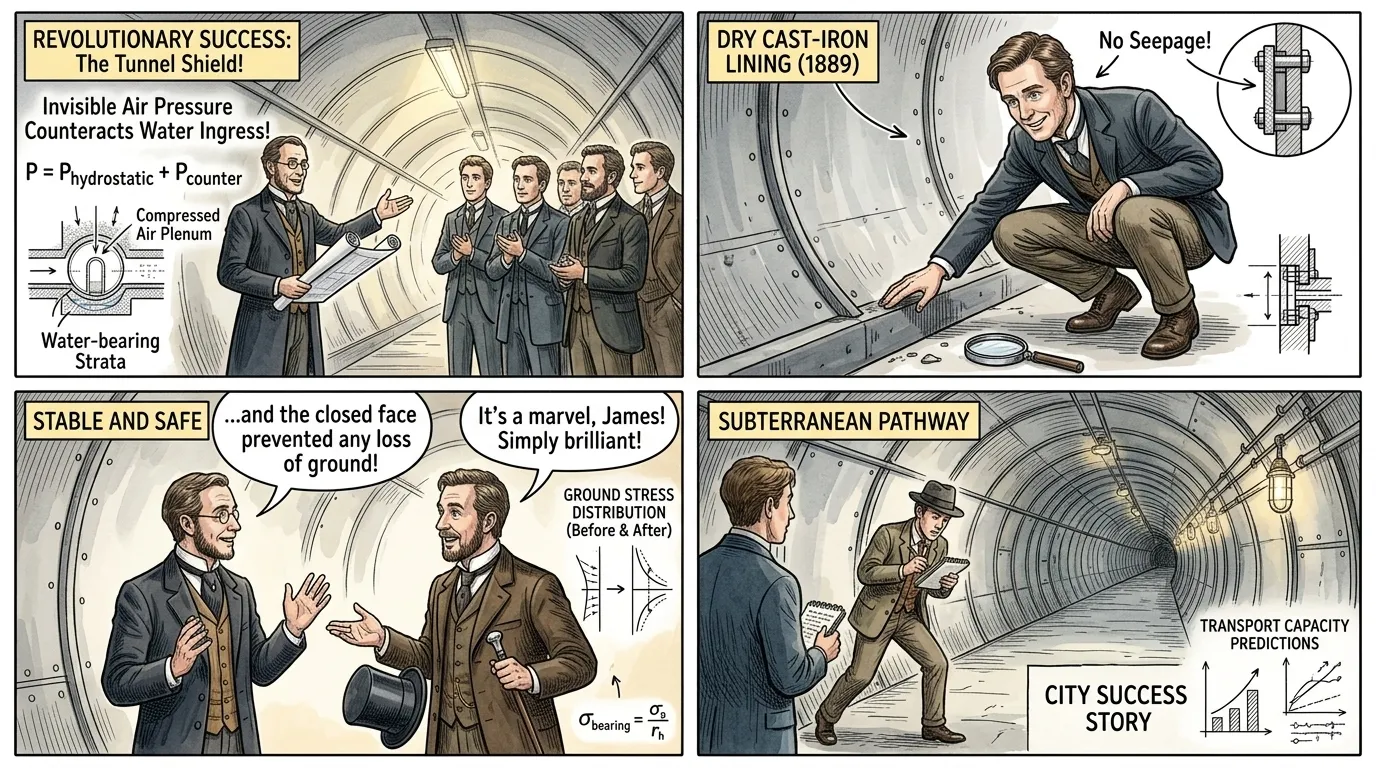
Crucially, the shield's closed-face design and the application of compressed air within the working chamber proved revolutionary, Greathead proudly declared to a group of engineers inspecting a completed tunnel section in 1889. This counteracted the immense pressure of London's water-logged clay, precisely preventing the ingress that plagued earlier attempts. The compressed air pushed back against the water, keeping the excavation dry and stable, allowing the rapid, secure installation of the cast-iron lining. This triumph directly addressed the "engineering nightmare" of water ingress they had discussed years prior. ""Crucially, the shield's closed-face design and the application of compressed air within the working chamber proved revolutionary," Greathead proudly declared to a group of engineers inspecting a completed tunnel section in 1889. "This counteracted the immense pressure of London's water-logged clay, precisely preventing the ingress that plagued earlier attempts." The compressed air pushed back against the water, keeping the excavation dry and stable, allowing the rapid, secure installation of the cast-iron lining. This triumph directly addressed the "engineering nightmare" of water ingress they had discussed years prior."
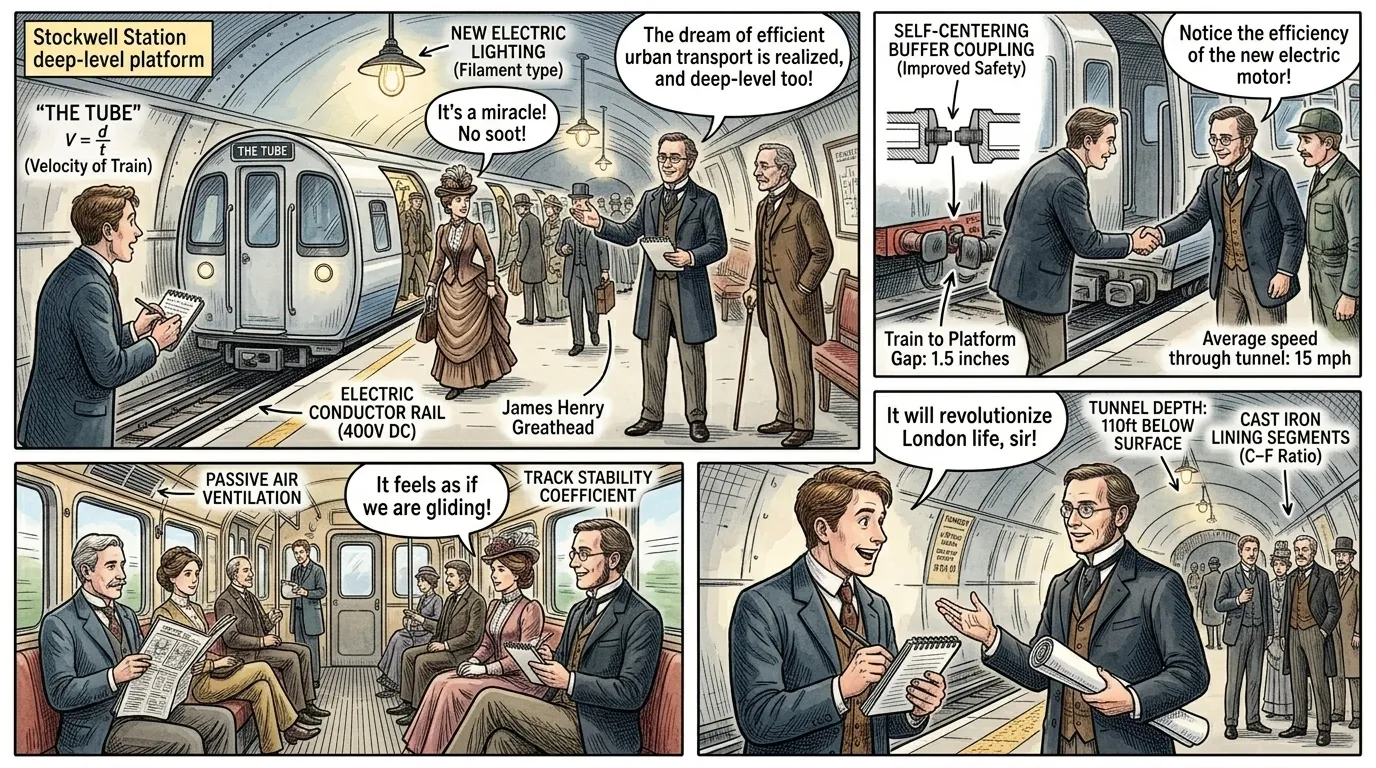
The City & South London Railway opened in 1890, instantly transforming urban life by offering Londoners an escape from surface congestion. It's a truly astonishing feat, a seamless journey beneath the city, exclaimed a newspaper reporter in awe as early passengers disembarked at Stockwell station. The deep-level "tube" system, made possible by Greathead's shield, allowed for lines to be built without acquiring expensive surface property, significantly reducing costs and disruption. This model quickly became the blueprint for subterranean transport networks worldwide. "The City & South London Railway opened in 1890, instantly transforming urban life by offering Londoners an escape from surface congestion. "It's a truly astonishing feat, a seamless journey beneath the city," exclaimed a newspaper reporter in awe as early passengers disembarked at Stockwell station. The deep-level "tube" system, made possible by Greathead's shield, allowed for lines to be built without acquiring expensive surface property, significantly reducing costs and disruption. This model quickly became the blueprint for subterranean transport networks worldwide."
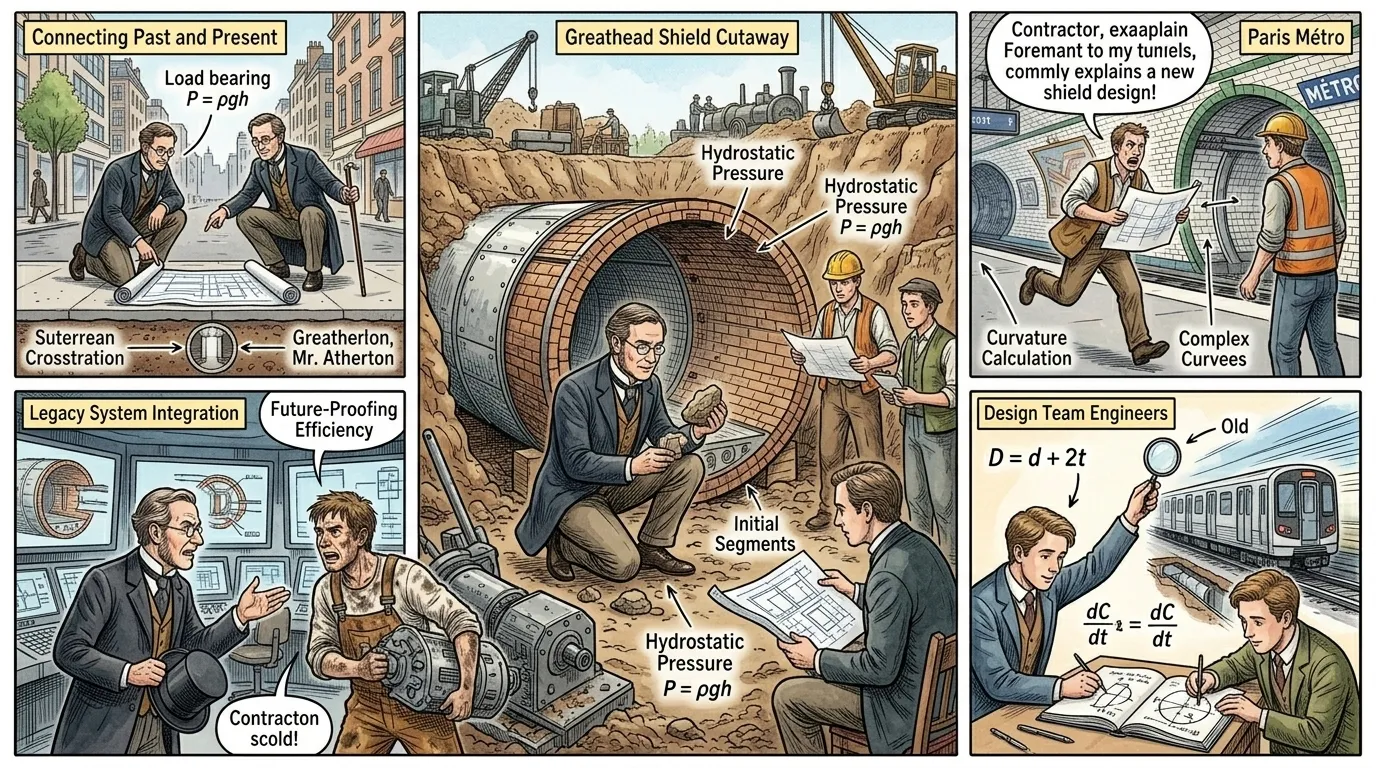
The legacy of Greathead's Metro System shield reverberates globally, shaping modern cities and enabling unprecedented urban expansion. From the Paris Métro to the New York Subway, and countless others, these subterranean arteries facilitate the daily lives of billions. They exemplify human ingenuity, transforming once-insurmountable geological barriers into pathways of progress. The pioneering work of James Henry Greathead underpins the invisible networks that continue to drive global metropolises. "The legacy of Greathead's Metro System shield reverberates globally, shaping modern cities and enabling unprecedented urban expansion. From the Paris Métro to the New York Subway, and countless others, these subterranean arteries facilitate the daily lives of billions. They exemplify human ingenuity, transforming once-insurmountable geological barriers into pathways of progress. The pioneering work of James Henry Greathead underpins the invisible networks that continue to drive global metropolises."