What are the top 10 comics of all time?
Discover the ten most influential and critically acclaimed comics that have shaped the medium, from superhero epics to groundbreaking graphic novels.
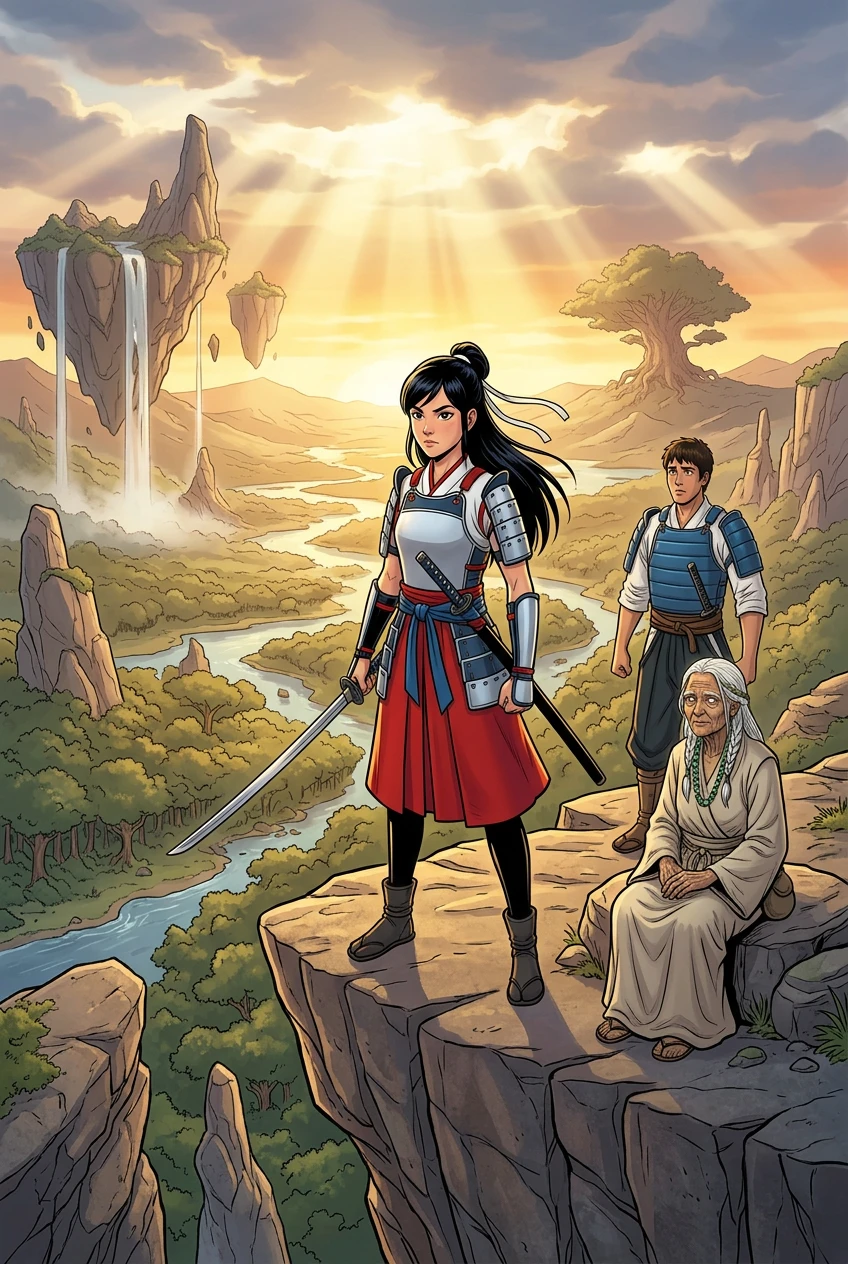
When considering the "top 10 comics of all time," we're looking at works that have profoundly influenced the medium, garnered critical acclaim, and resonated deeply with readers across generations. This list prioritizes impact and artistic merit over pure sales figures, focusing on works that broke new ground, told compelling stories, or redefined what comics could be. Our selections include Watchmen, Maus, The Dark Knight Returns, Sandman, Persepolis, Fun Home, Akira, Saga, Bone, and Blankets.
Comics are a medium, not a genre. They can tell any story.
Watchmen by Alan Moore and Dave Gibbons (1986-1987)
Watchmen is often cited as a landmark in comic book history, earning a Hugo Award and being the only graphic novel to appear on Time magazine's list of the 100 best English-language novels. It deconstructed the superhero archetype, presenting complex, morally ambiguous characters in a gritty, realistic alternate history. Its non-linear narrative and intricate panel layouts pushed the boundaries of visual storytelling, profoundly influencing subsequent comic creators and even inspiring our own Neon Knight and the City Snatcher, which explores similar themes of justice and morality in a futuristic setting.
Maus by Art Spiegelman (1980-1991)
Art Spiegelman's Maus is a powerful, Pulitzer Prize-winning graphic novel that recounts his father's experiences as a Holocaust survivor. By portraying Jews as mice and Nazis as cats, Spiegelman created a deeply personal yet universally resonant narrative about trauma, memory, and survival. It solidified the graphic novel's place as a serious literary form capable of tackling profound historical subjects. This work set a high bar for autobiographical comics and historical storytelling within the medium. For another perspective on history and conflict, readers might explore Blood of the Old Gods.
The Dark Knight Returns by Frank Miller (1986)
Frank Miller's The Dark Knight Returns reimagined Batman for a mature audience, portraying an aging, retired Bruce Wayne forced back into action in a dystopian Gotham. This mini-series was instrumental in defining the grim and gritty tone that dominated superhero comics for decades. Its stark artwork and cynical outlook on heroism left an indelible mark on the character and the industry, paving the way for more complex superhero narratives. Many contemporary superhero stories, including those found in Wonder Comics, owe a debt to this influential work.
Sandman by Neil Gaiman (1989-1996)
Neil Gaiman's Sandman is a sprawling, mythological epic that explores themes of dreams, stories, and the nature of existence. Its protagonist, Dream of the Endless, journeys through various realms, encountering figures from folklore, history, and literature. The series is celebrated for its literary depth, intricate plotting, and stunning artwork by a rotating team of artists. It transcended traditional comic book genres, appealing to a wider literary audience and earning numerous awards, including the World Fantasy Award, a first for a comic book. Its rich world-building can be seen as an inspiration for tales like Robo-Pup Rescues Rocket Town, which similarly builds a unique universe.
Persepolis by Marjane Satrapi (2000-2003)
Marjane Satrapi's Persepolis is an autobiographical graphic novel depicting her childhood in Tehran during the Islamic Revolution and her adolescence in Europe. Told with striking black-and-white artwork, it offers a poignant and often humorous look at cultural identity, political upheaval, and personal growth. The book received widespread critical acclaim and was adapted into an Oscar-nominated animated film, further cementing the graphic novel's artistic and educational value. It stands as a powerful example of how comics can illuminate complex historical and personal narratives. While many excellent comics were considered for this list, including other acclaimed independent works like Saga, Bone, and Blankets, these ten represent a diverse cross-section of the medium's most impactful achievements. You can explore more diverse stories and unique artistic styles in the articles section.
常见问题
What is the difference between a comic book and a graphic novel?
While the terms are often used interchangeably, a comic book typically refers to a serialized publication, often released monthly, forming part of a larger story arc. A graphic novel, on the other hand, is generally a self-contained story published as a single volume, similar to a novel, often with a more complex narrative and artistic ambition. However, many classic comic book runs are collected into graphic novel formats.
Are superhero comics the only type of comics?
Absolutely not. While superhero comics are a very popular and visible genre, the comic medium encompasses a vast array of genres, including autobiography, history, fantasy, science fiction, romance, horror, and more. Works like Maus and Persepolis are prime examples of non-superhero graphic novels that have achieved widespread critical and commercial success.
How long have comics been around?
The origins of comics can be traced back to ancient Egyptian murals and medieval tapestries, but modern comics, with sequential panels and speech bubbles, began to emerge in the late 19th and early 20th centuries. The Yellow Kid, published in American newspapers in the 1890s, is often cited as one of the earliest examples of what we recognize as a comic strip. The first true comic books as we know them appeared in the 1930s.