Rudin
A man of great ideas and no will, who lived a life of brilliant failures
Page 1
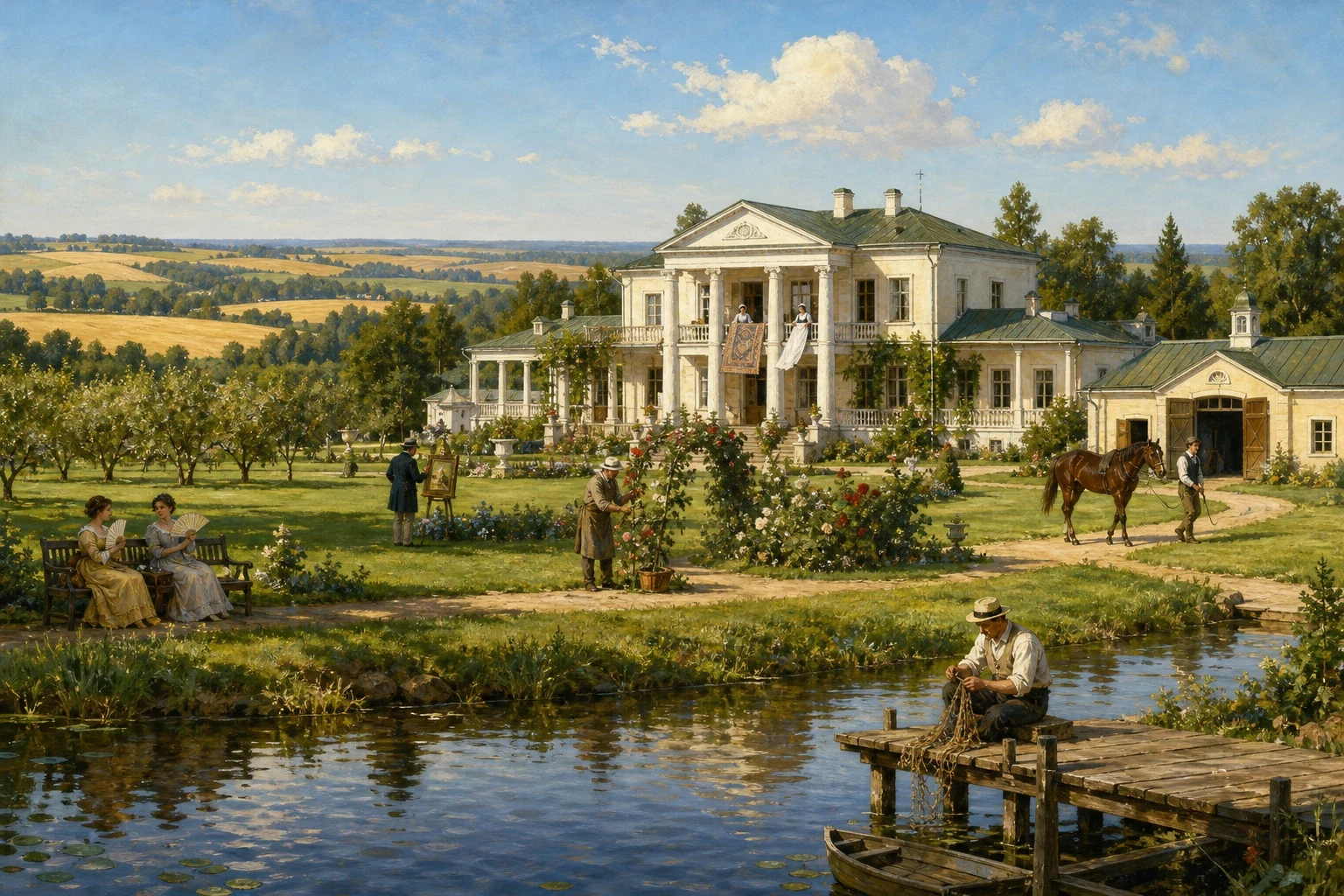
In the heart of Russia stood the fine country house of Darya Mikhailovna Lasunskaya, a magnet for the district's thinkers and aristocrats. On this afternoon, a current of excitement ran through the household as they awaited a new guest, Dmitry Rudin. His reputation for brilliance had arrived long before he had. In the drawing room, guests murmured over their teacups. "He is a genius, they say," whispered a young student. "A true poet of ideas!" His companion, a cynical older man, smiled thinly. "Or a charlatan, more likely. These Moscow intellectuals are all talk." A third guest, a lady fanning herself by the window, added, "We shall soon see which. Darya Mikhailovna has a gift for finding lions—or exposing bores." The samovar hissed, the chairs were arranged, and all waited for the man who was said to possess a truly extraordinary mind.
Page 2
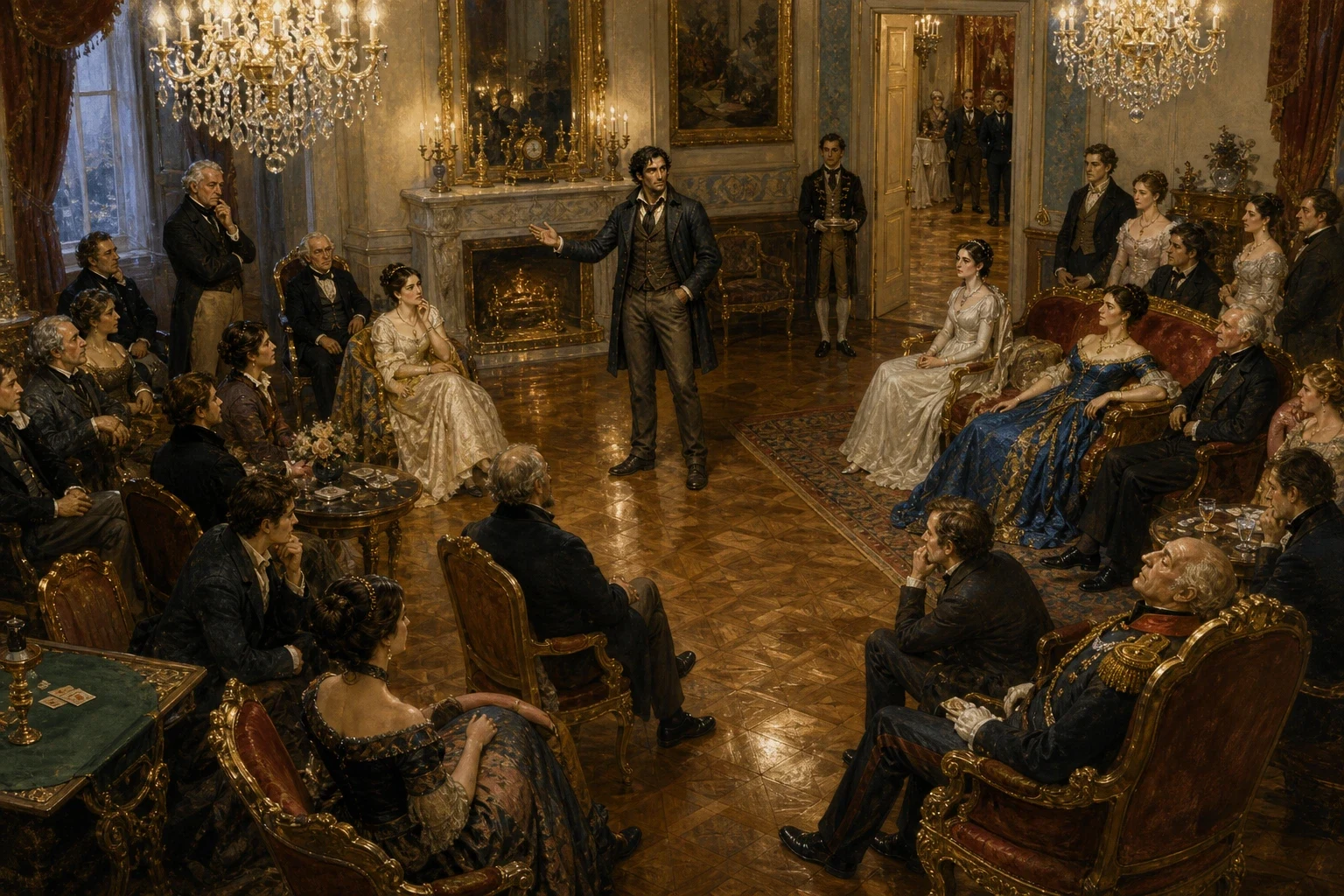
Rudin arrived and, within an hour, had conquered the salon. The resident cynic, Pigasov, tried to interrupt. "You idealists speak of grand truths," he sneered, "but all I see is vanity!" Rudin turned on him, his voice not loud but ringing with passion. "And what do you believe in, sir? To tear down everything is not a belief, it is a void! A man must have something to hold sacred!" Pigasov, for once, had no reply. A murmur of approval went through the room. Darya Mikhailovna beamed from her sofa. "Bravo, Dmitry Nikolaich! Bravo!" Her daughter, Natalya, sat perfectly still, her hands clasped in her lap. She had never heard anyone speak like this. His words were not just ideas; they felt like the truth itself, a call to a higher, nobler life she had only ever dreamed of.
Page 3
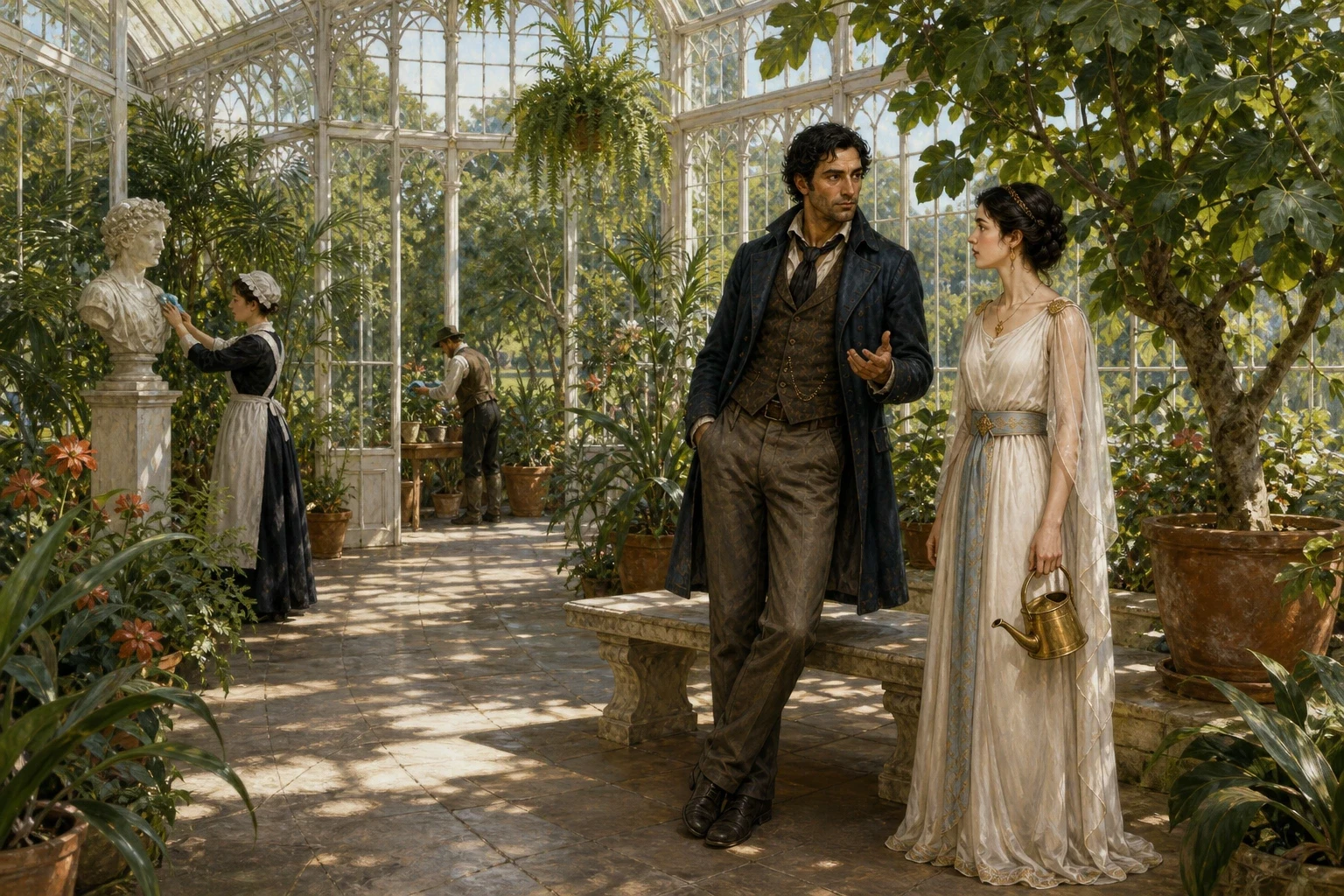
In the days that followed, Rudin sought out Natalya, finding her one morning in the sun-filled conservatory. He was tired of performing. "Most people either applaud or mock," he confessed, leaning against a stone bench. "They do not truly listen." He expected a compliment, but she offered a serious question instead. "But your ideas... they are so powerful. Where do they come from? What must one *do* with them?" Rudin looked at her with surprise and delight. Here was a soul that did not just hear his words. "Ah, you ask the right question! That is the only question! One must *live* them, Natalya! One must dedicate one's entire being to them!" He saw in her quiet intensity a fellow believer, a spirit as serious and passionate as his own.
Page 4
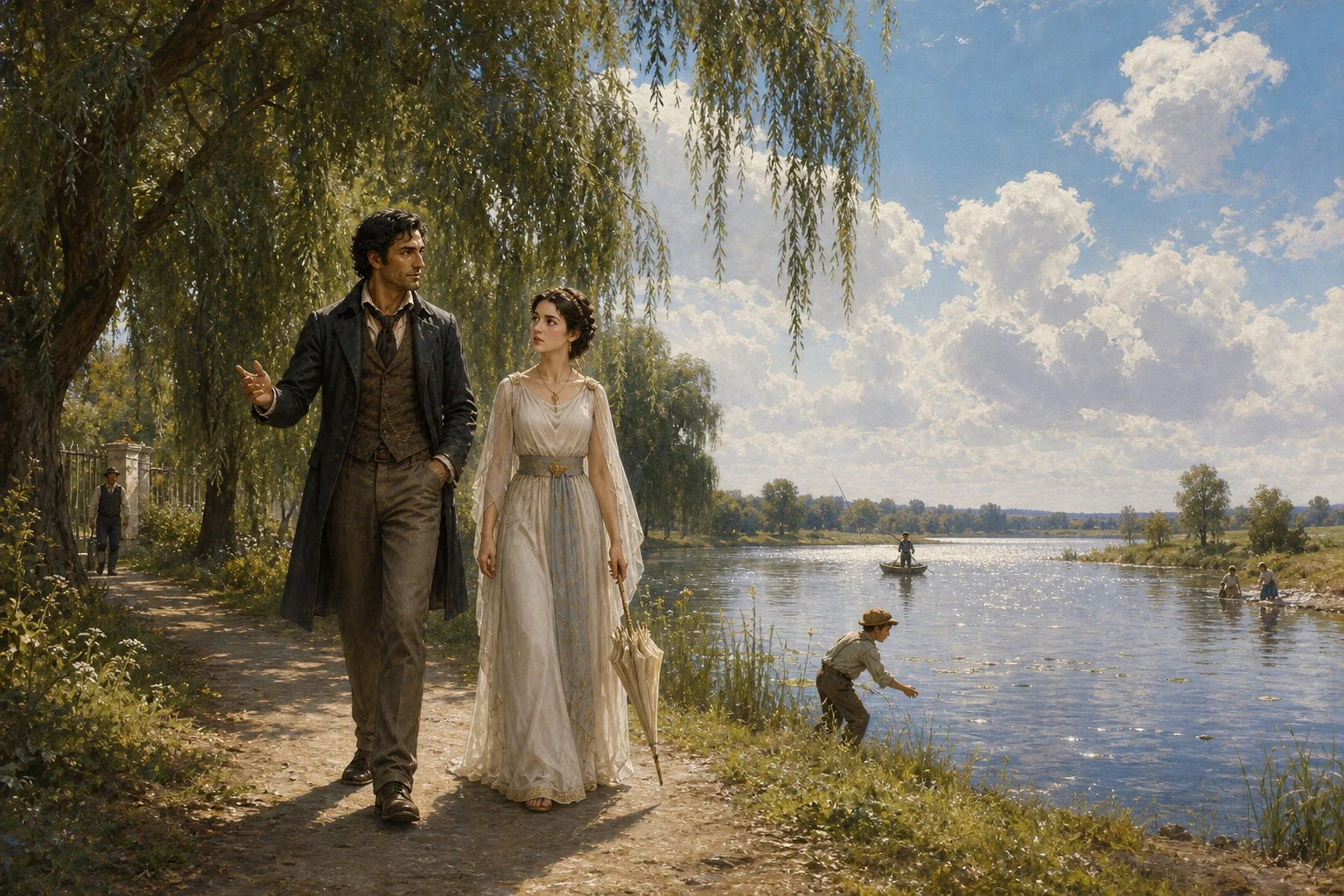
Their talks moved outdoors. As they walked by the estate's large, still pond, Rudin’s words took on a new power. "To live for oneself is to die slowly," he declared, his gaze fixed on the horizon. "The only true life is in sacrifice for a great cause!" Natalya listened, her heart beating fast. This was the language her soul had been waiting for. "But how does one find such a cause?" she asked, her voice barely a whisper. Rudin stopped and turned to her, his eyes blazing. "You do not find it. You feel it! It calls to the noble soul, and you must answer, whatever the cost!" He was no longer just a brilliant man; he was becoming her ideal, the embodiment of courage, promising a heroic world she desperately wanted to enter.
Page 5
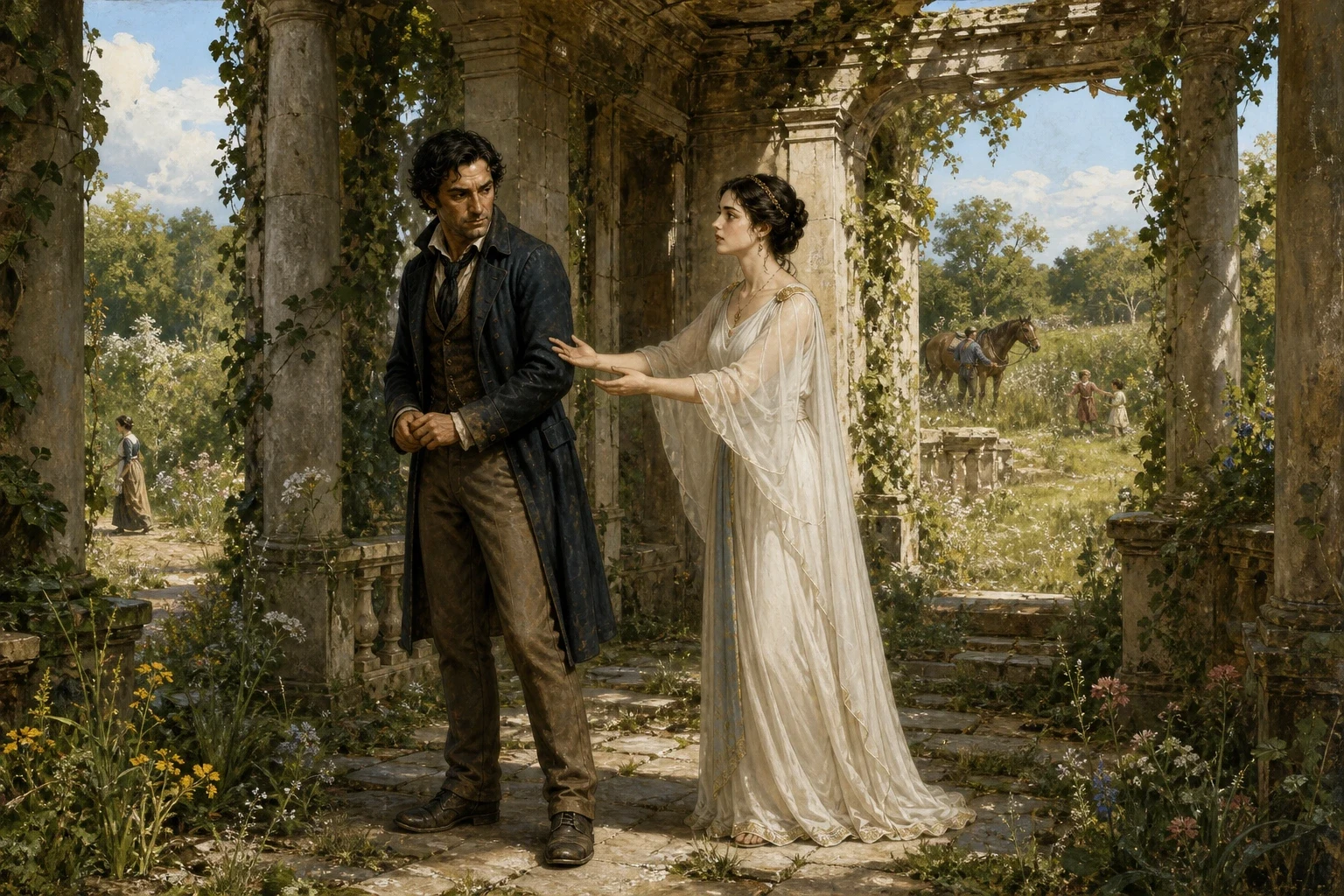
In a ruined gazebo at the far end of the garden, Natalya confessed her love. With the simple courage of her convictions, she placed her entire future in his hands. "I love you," she said, her voice clear and steady. "I will follow you anywhere. Tell me what we must do!" This was the moment for the hero to act. But faced with a genuine sacrifice, Rudin crumbled. Panic replaced the passion in his face. "Natalya... this is impossible," he stammered, stepping back. "We must submit." Natalya stared at him, bewildered. "Submit? To whom? I am not afraid!" But the man of great words had no action to offer. He could only talk of caution and duty, his hands twisting nervously. In the face of her strength, he could only offer weakness.
Page 6
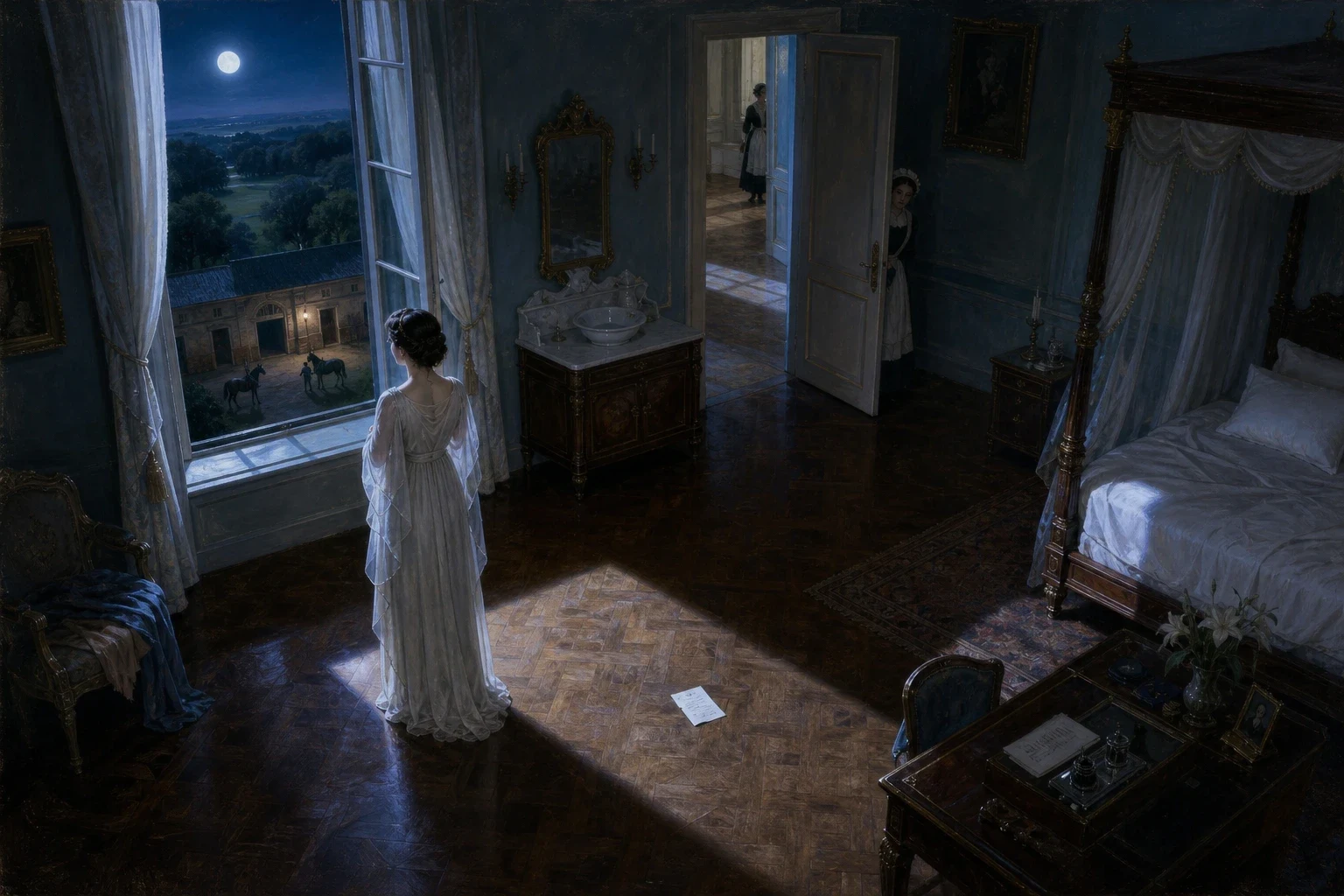
Her mother furiously forbade her from seeing Rudin again. Natalya accepted the lecture with quiet defiance, certain her hero would act. She waited all evening in her room, ready to fly to him. Instead, a servant brought a letter. Her hands trembled as she read his long, eloquent confession of weakness. She read a few lines aloud into the silent room, her voice hollow. "'I am not the man you think I am... I am not worthy...' He is not worthy? Or he is a coward?" She continued to the end, to his final, devastating words of submission. "'I must obey your mother. Forgive me and farewell.'" She did not cry. All feeling seemed to have frozen inside her. The letter, the physical proof of his failure, drifted from her numb fingers and landed on the floor in a patch of cold moonlight.
Page 7
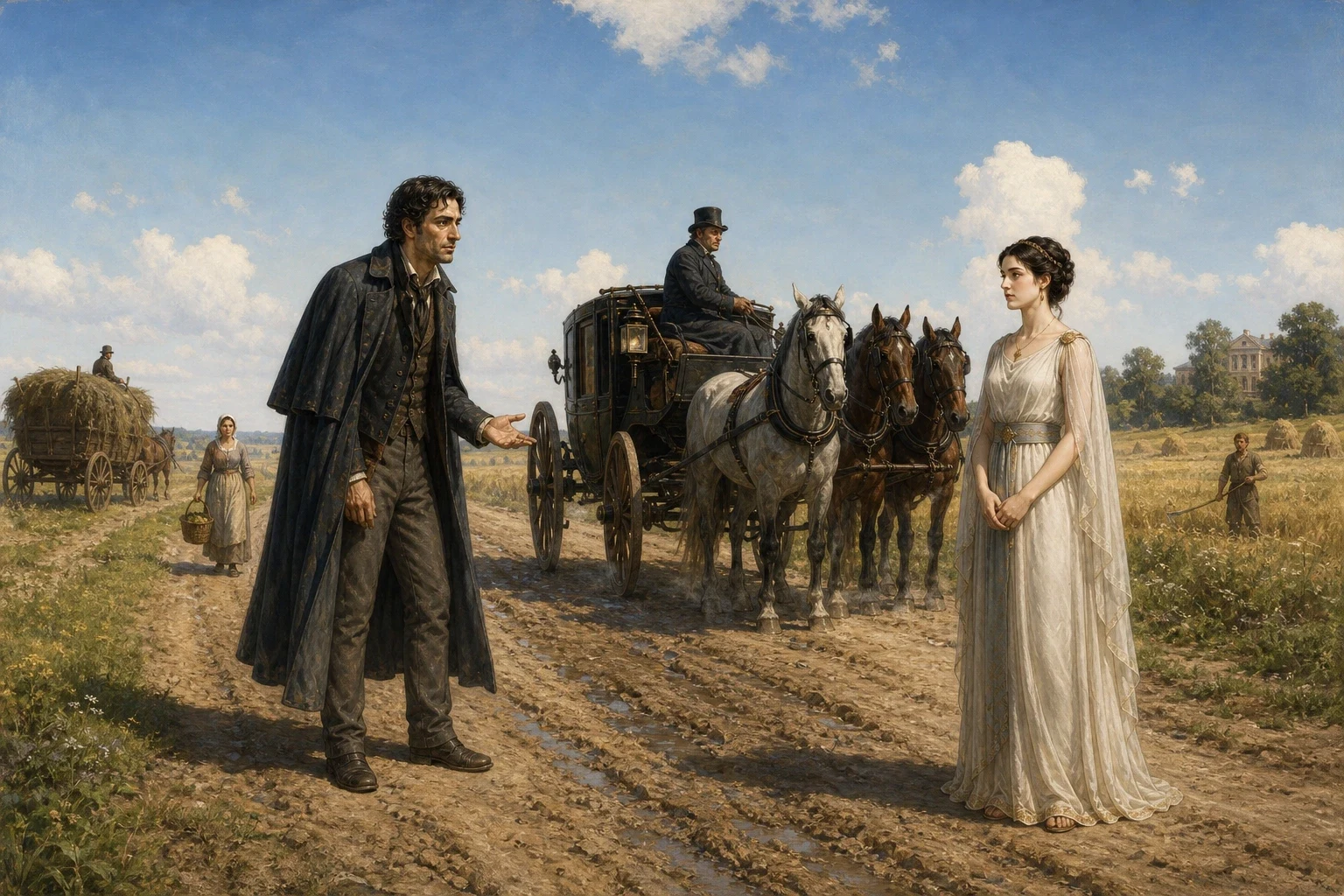
As Rudin’s carriage left the estate, he saw Natalya walking on the main road. He stopped the carriage and hurried to her side, launching into a final, pleading speech. "Forgive me, Natalya," he began. "My fate is to be a wanderer. I would only bring you misery." She listened patiently until he finished. His words were just words now, hollow and self-pitying. Her face was pale and composed. "I did not ask about your fate," she said, her voice quiet but clear as glass. "I ask only one thing." Rudin looked at her, confused. "What is it?" Her question cut through all his excuses, leaving him utterly exposed. "Why did you come here?" He had no answer. He bowed stiffly, returned to his carriage, and was gone.
Page 8
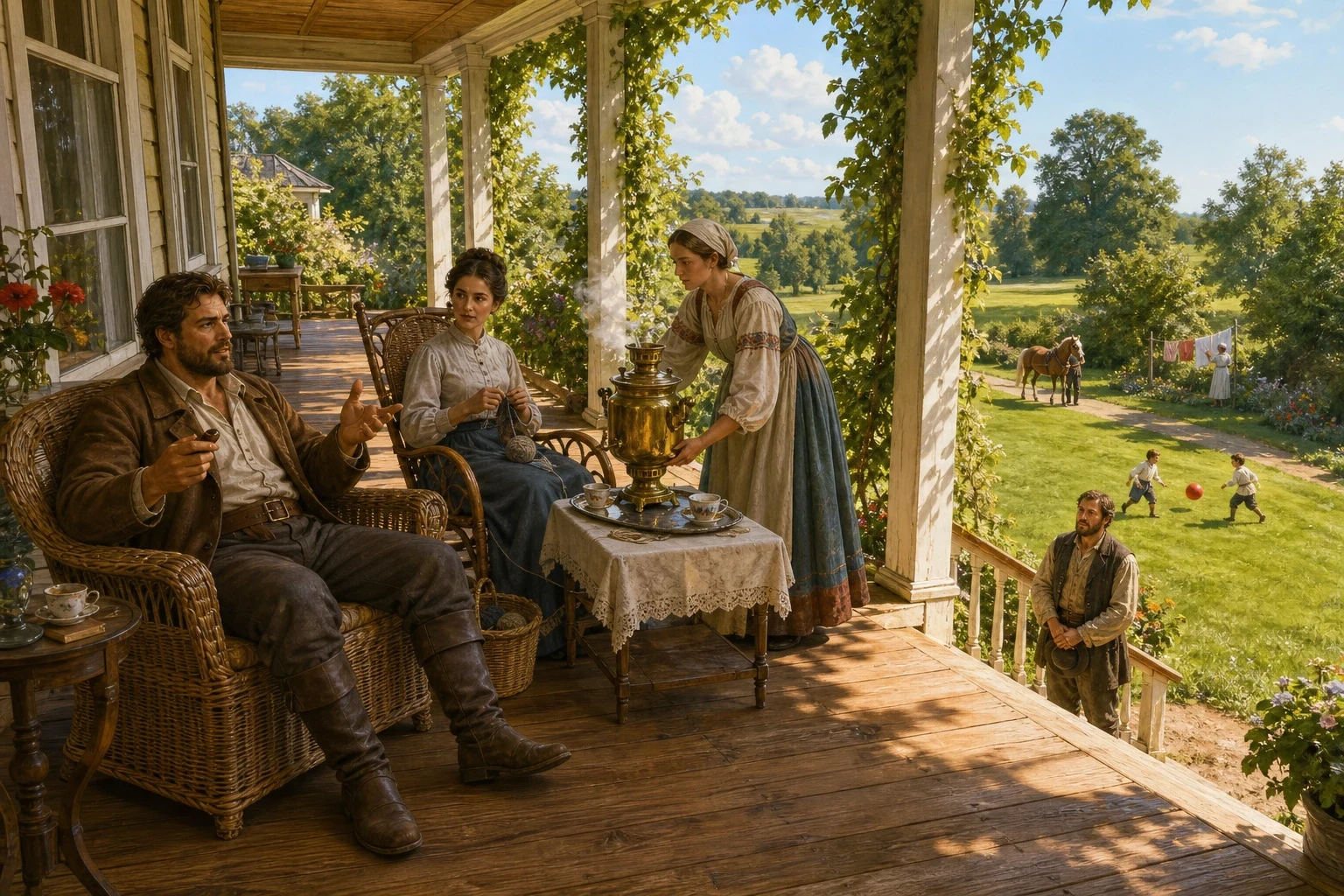
Two years passed. On a neighboring estate, Mikhailo Lezhnyov sat on his veranda with his wife, Alexandra. "You seem to pity him now," she said, looking up from her knitting. "But you used to despise him." Lezhnyov drew on his pipe. "I was young. I didn't understand. He is a genius at waking people up, but a disaster at everything else. His words can plough a young soul deeper than any tool." His wife considered this. "So he is... useful, then?" Lezhnyov nodded slowly, watching his children play on the lawn. "Yes. In his own tragic way. He is like a storm that clears the air but destroys its own house. Other men must come after him to do the sowing and building." His final judgment was not one of condemnation, but of deep, compassionate sorrow.
Page 9
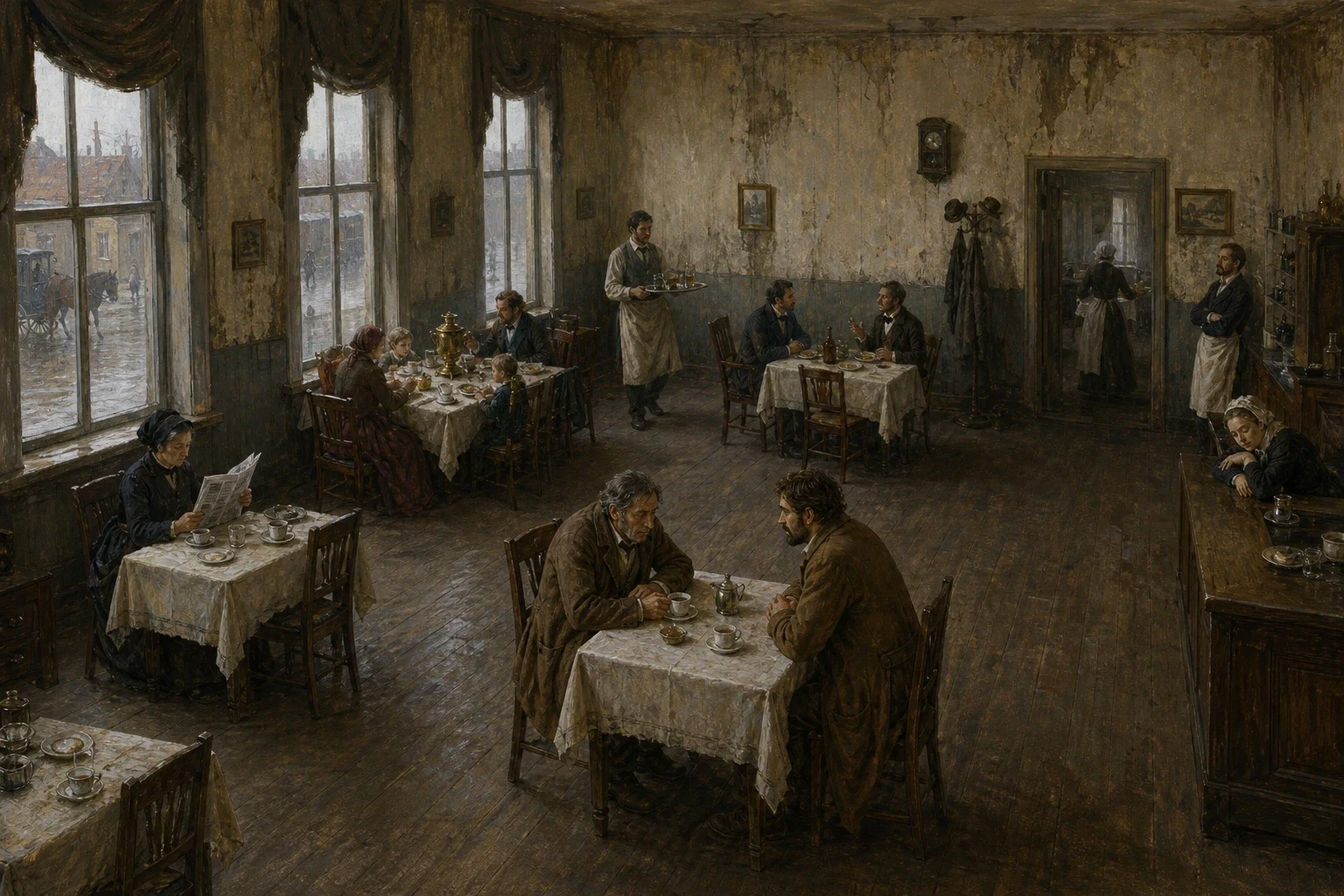
Years later, Lezhnyov was in a dreary hotel when he saw a man with grey hair and a weary posture. It was Rudin. "Dmitry!" Lezhnyov cried. "What are you doing in this place?" Rudin gave a tired smile. "Wandering, my friend. Always wandering. I tried farming, you know. It ended in ruin." He recounted a long story of failed ventures, each begun with grand passion and ending in collapse. "And what now?" Lezhnyov asked gently. Rudin stirred his tea, his hand trembling slightly. "Now? I am on my way to nowhere in particular. I have talked my life away, Lezhnyov, and built nothing. I will leave nothing behind me but words." His voice was calm, without a trace of his old fire, only a profound and weary resignation.
Page 10
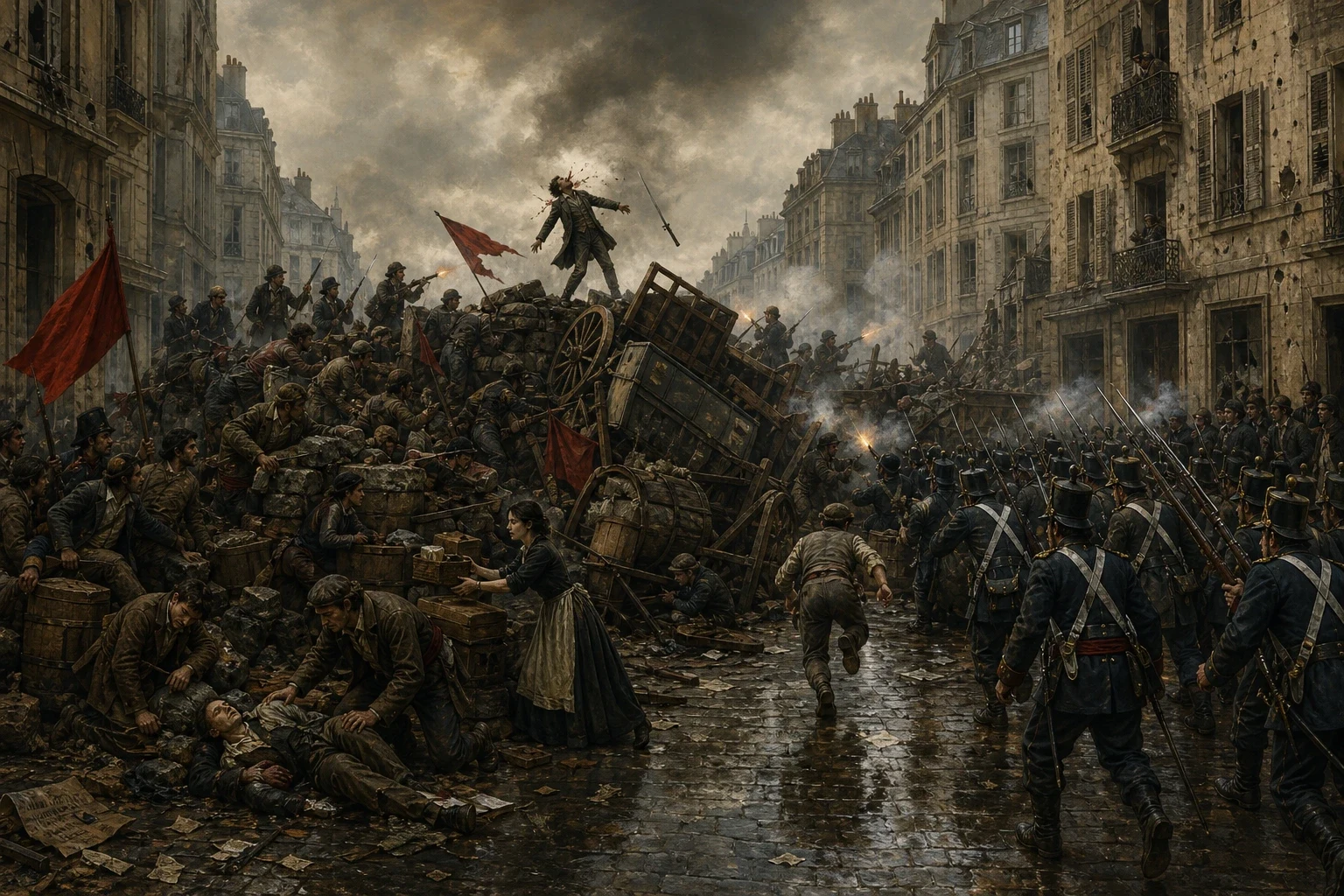
The last time anyone who knew him saw Dmitry Rudin was years later, in a smoke-choked Paris street during the uprising of 1848. A tall, grey-haired man in an old coat climbed a barricade of paving stones and overturned carts. He waved a small red flag and a rusty sabre, and shouted something lost in the din. An officer's cry was heard: "Fire!" A single shot rang out. The man clutched his chest and fell. As government troops stormed the barricade, a rebel paused to look at the body. "They've killed the Pole," he said to his comrade, not giving the body a second glance. "Come on!" He ran on, leaving the man who had spent his life on words to die anonymously for a moment of action, a stranger in a foreign rebellion.
About this story
- Audience: general readers
Read Wonder Novels on your phone
Wonder Novels is available on Android. Get Wonder Novels on Google Play.