The Strange Case of Dr Jekyll and Mr Hyde
A London lawyer, a locked door, and the one man who was also his own worst enemy
Page 1
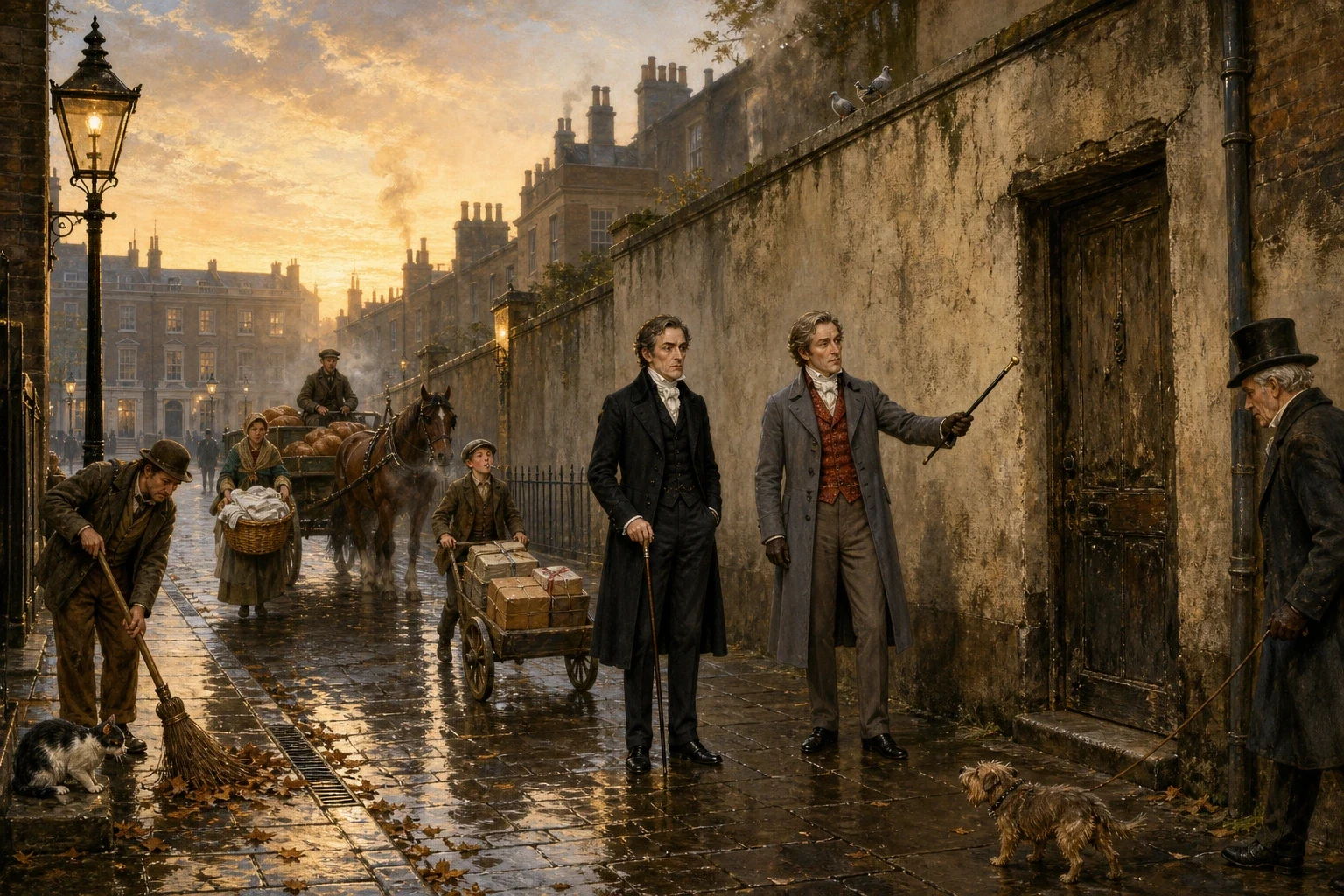
In London there is a quiet bystreet, shabby and forgotten, that runs off a busy road full of shops. Along it stands one door with no bell and no knocker, blistered and stained, set into a windowless wall. One Sunday, walking that way as they always did, Mr Utterson the lawyer and his cousin Mr Richard Enfield stopped in front of it. 'Did you ever notice that door?' asked Enfield, and told how, coming home at three in the morning once, he had seen a small hurrying man knock down a running child at the corner and trample calmly over her body, leaving her screaming on the stones, while he himself went for the man and dragged him back to face the furious crowd. To be rid of them all, the man had written out a cheque for a hundred pounds — signed with a name Utterson knew well: Henry Jekyll.
Page 2
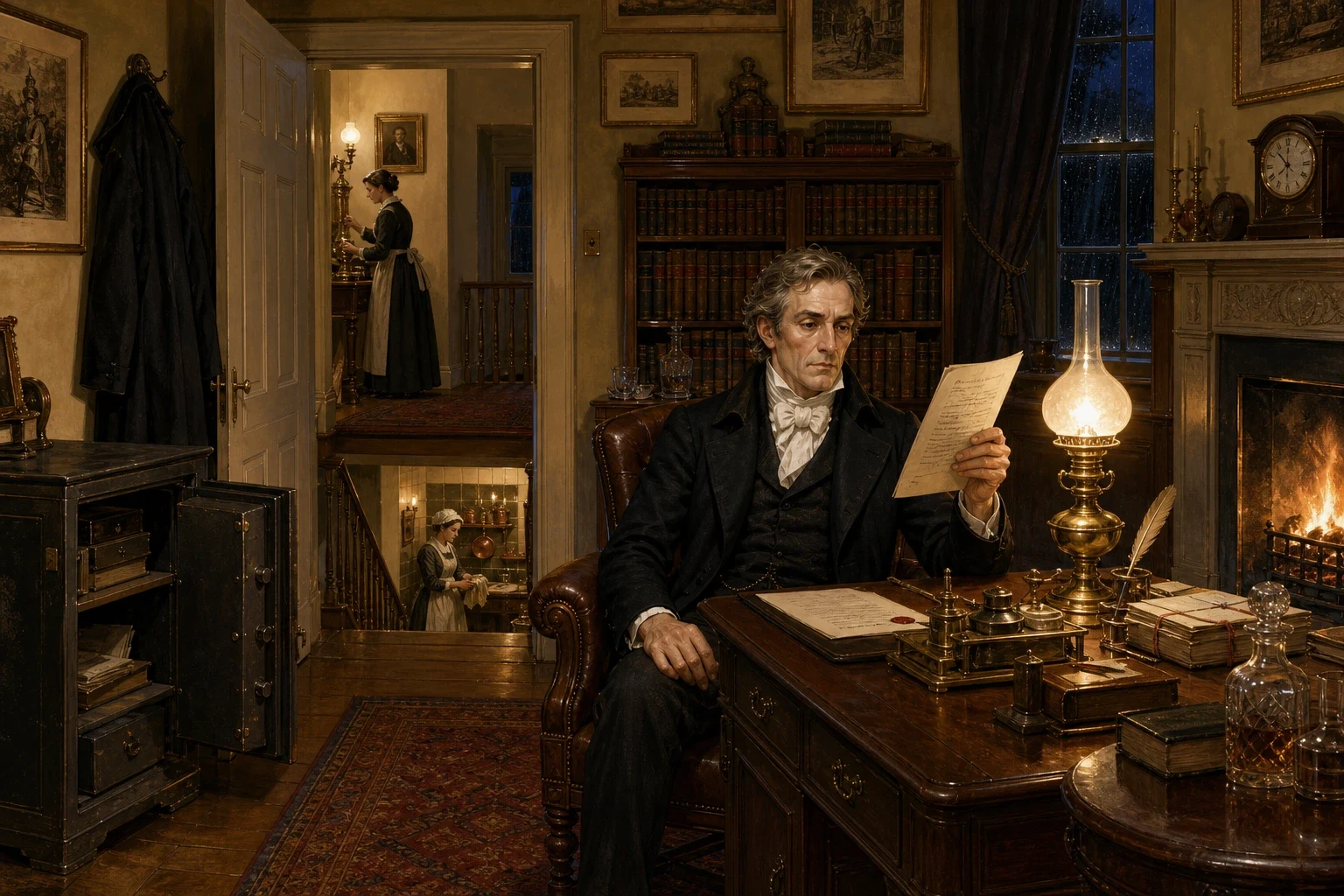
That evening, alone in his study as was his lonely bachelor habit, Mr Utterson took a key from his desk and brought out a document he had drawn up himself, though it had always displeased him: the will of his client and old friend, Dr Henry Jekyll. It stated, in Jekyll's own hand, that in the event of the doctor's death or disappearance for more than three calendar months, all of his possessions should pass at once into the hands of his 'friend and benefactor, Edward Hyde.' Utterson had disliked the document from the day it was drawn, but it was Enfield's story of the trampled child, and that name signed to the cheque, that turned his old distaste into something sharper. He resolved, sitting there by the fire, that he would find this Mr Hyde for himself.
Page 3
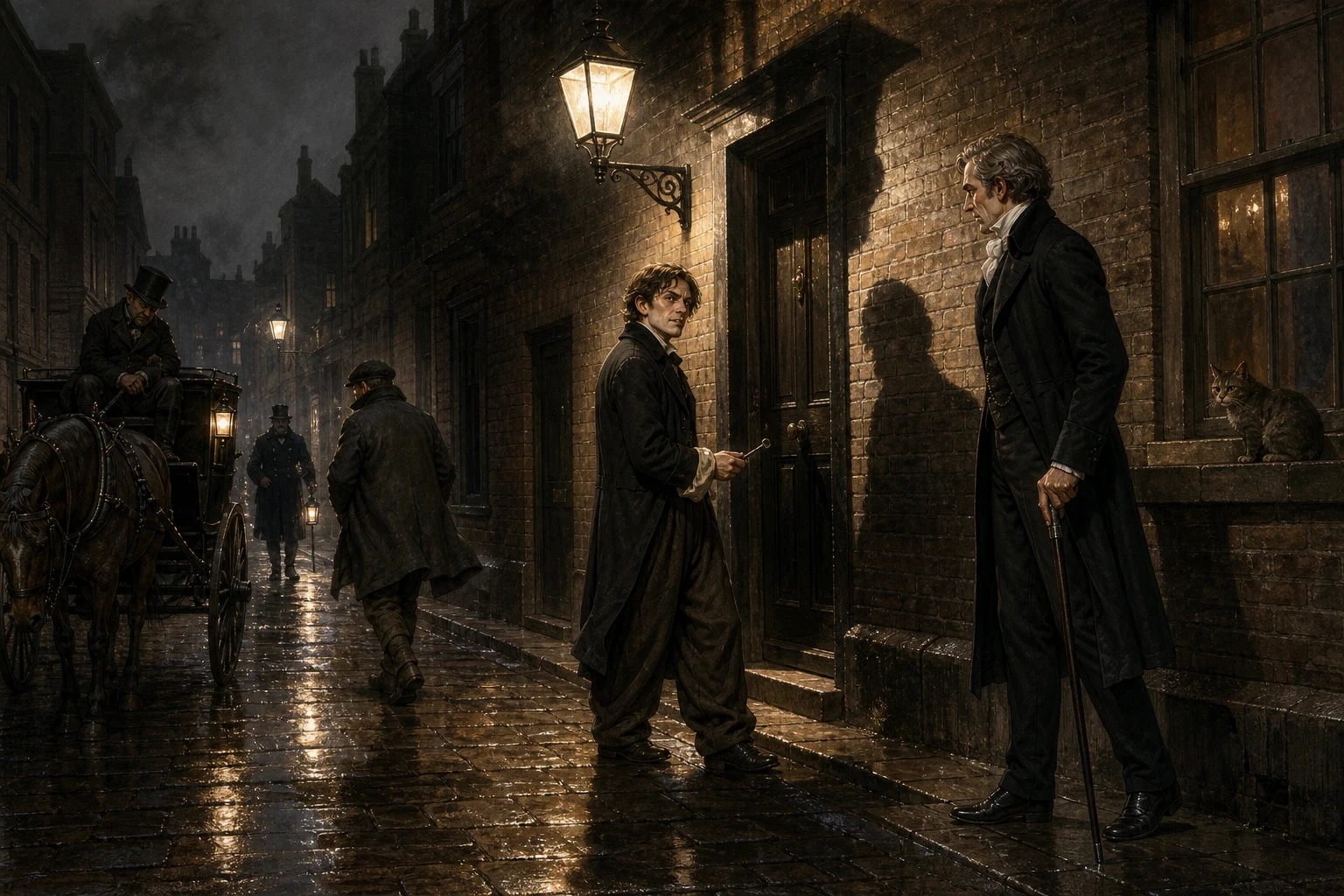
For many nights after that, Utterson took to watching the blistered door from the corner of the street, and at last, on a clear cold night, he saw a small figure come up the lane, cross to the door, and take out a key. Utterson stepped out and spoke his name. The man turned sharply, drew in his breath, and did not answer at first — but when he did, his voice was husky and whispering. 'That is my name,' said the man. 'What do you want?' Utterson asked to see his face, and the man stepped, after a pause, into the full light of the lamp. Utterson felt, looking at him, a sudden, instinctive, deep-seated disgust he could put no name to, as if he were looking at something that had no right to be walking about London at all.
Page 4
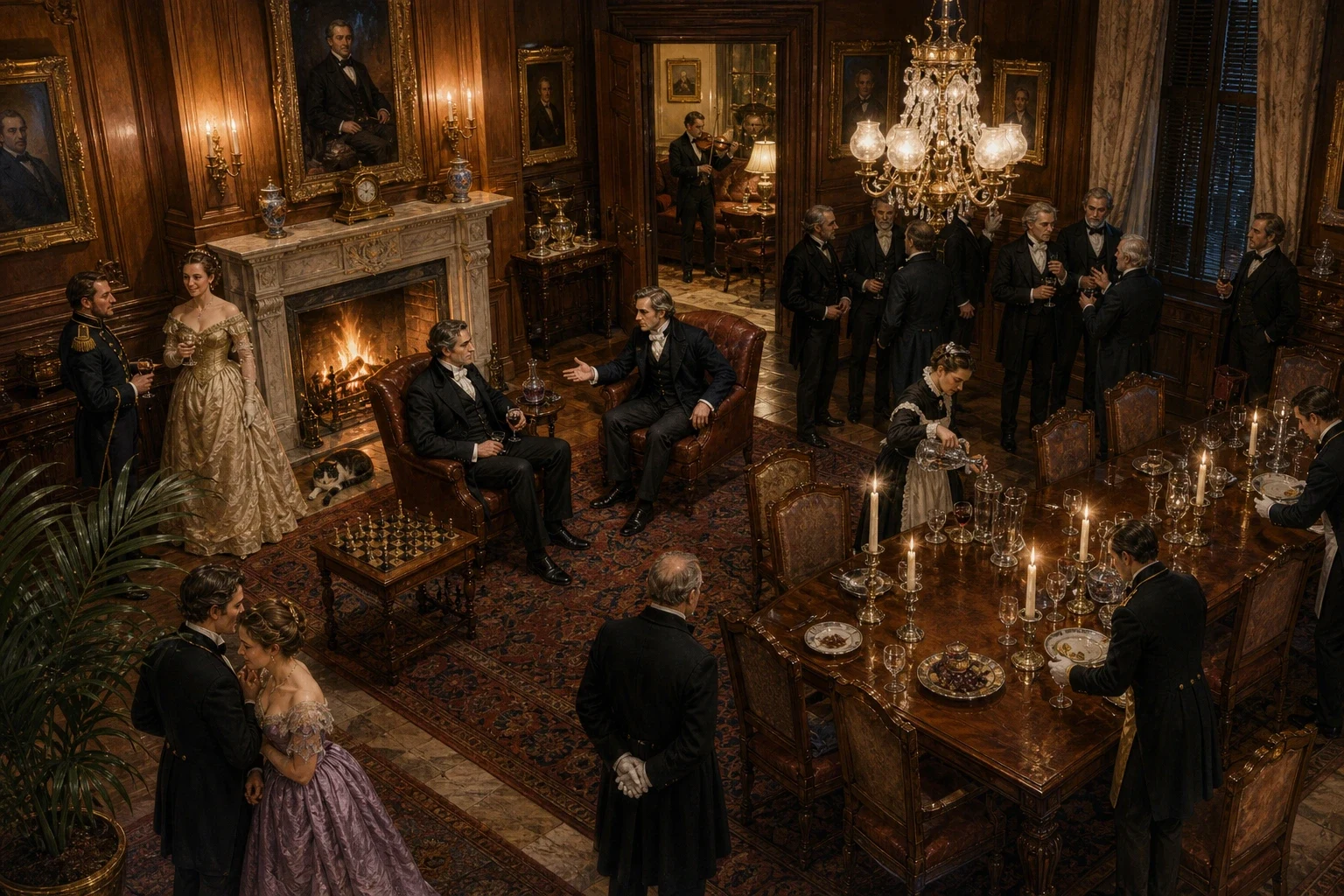
Some weeks later, Utterson dined at Jekyll's own table, in the fine old house on the square, and stayed on after the other guests had left. By the fire, over the last of the wine, he brought himself to speak of the will. Jekyll's good-humoured face turned a little pale, but he waved the subject off, saying it was a private matter of his own and that Utterson worried too much over Mr Hyde. 'I know he is a hard case,' Jekyll said, 'but I am very sure I can be rid of Mr Hyde the moment I choose.' Utterson pressed him only a little further, reminding him he had once known Jekyll since they were young men together, and that he would help in any trouble — but Jekyll only laughed and said there was nothing wrong, nothing at all, and changed the talk to other things.
Page 5
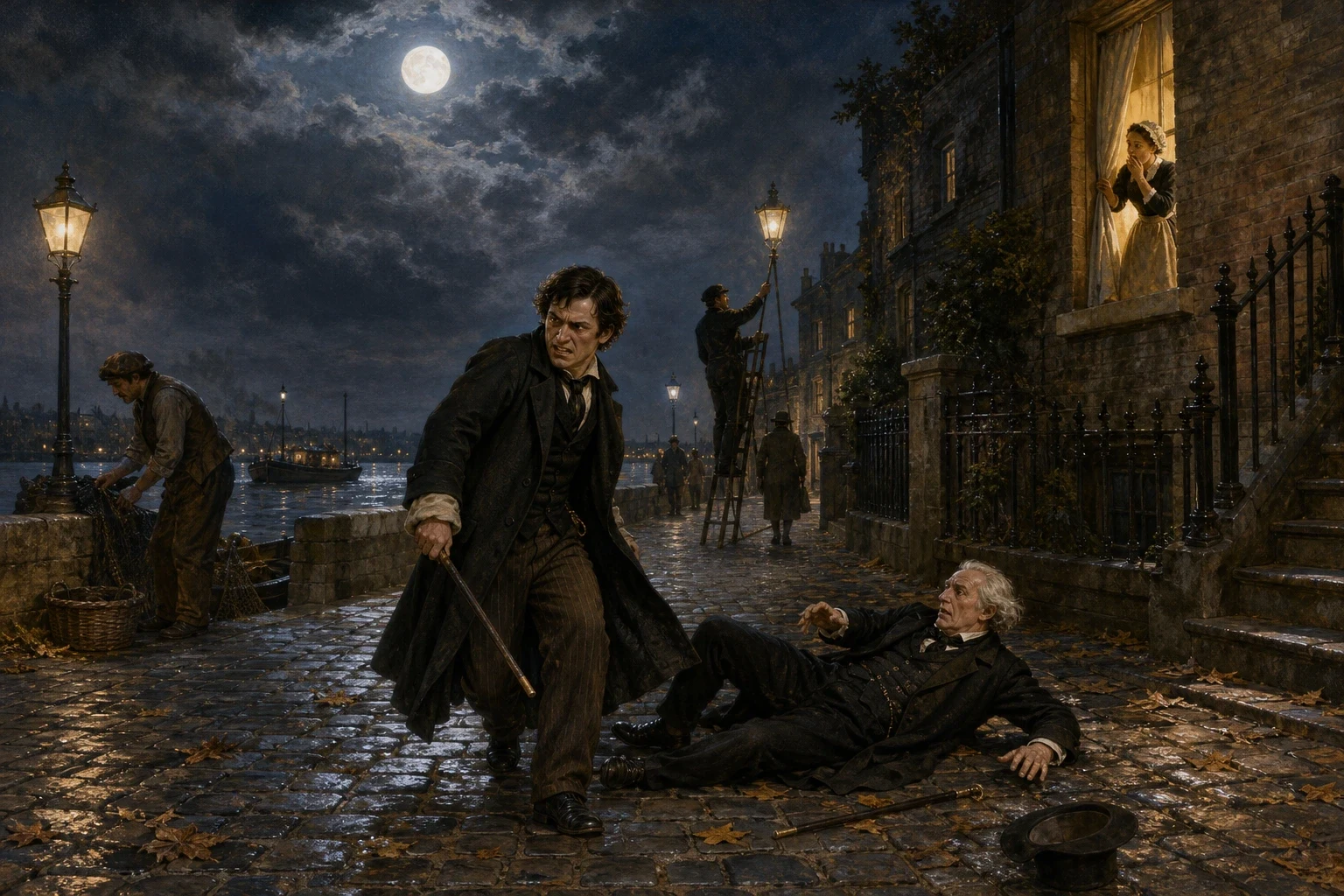
Nearly a year later, late on a clear moonlit night, a maid sitting at her window above a lonely lane near the river saw an old, white-haired gentleman stop and speak a few civil words to a small man walking the other way. The small man answered with sudden, ungovernable anger, and before the maid's eyes he struck the old gentleman down and did not stop until he lay still upon the cobbles. The maid screamed and the small man ran. When the police came they found, lying near the body, half of a heavy cane, broken clean across — and in the dead man's pocket, a letter addressed to Mr Gabriel Utterson. The old gentleman was Sir Danvers Carew, a kindly, respected man known to everyone in that part of London, and the small man was never in doubt to anyone who had seen him: it was Edward Hyde.
Page 6
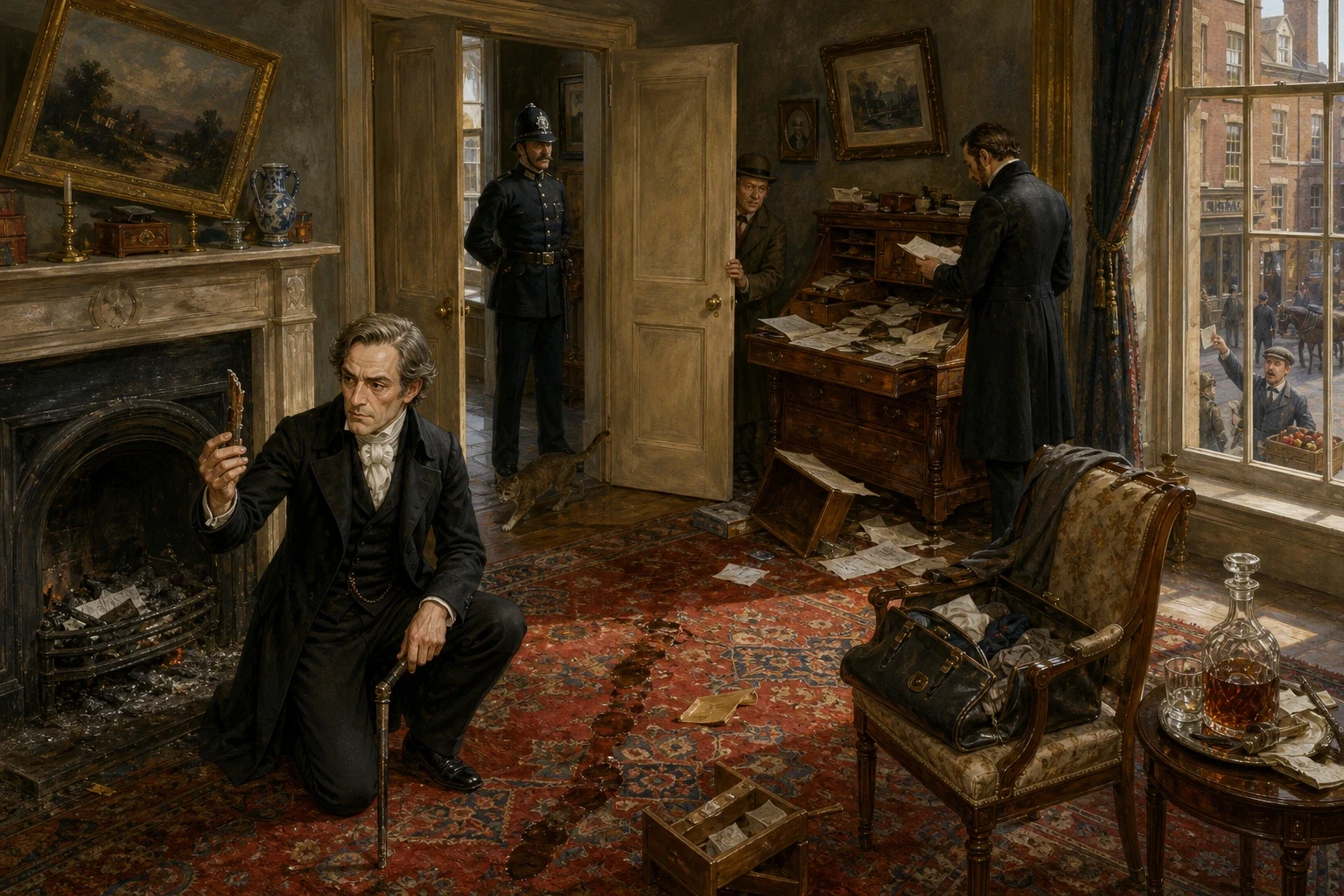
The police traced Hyde to a set of rooms in Soho, and Utterson went with the inspector to search them. The rooms were furnished with real taste — good pictures, a fine carpet, well-chosen wine — but everything had been torn through in a hurry. The grate was full of grey ash where papers had been burnt, among them the cover of a cheque-book. On the floor near the hearth lay the other half of the broken cane from the lane by the river, and Utterson, turning it over, knew it at once: he himself had given that very stick to Henry Jekyll many years before. There was no other sign of Hyde anywhere, no trace of where he had gone, only the proof, plain and undeniable, that the two men's lives were tangled together far more closely than anyone outside that room yet understood.
Page 7
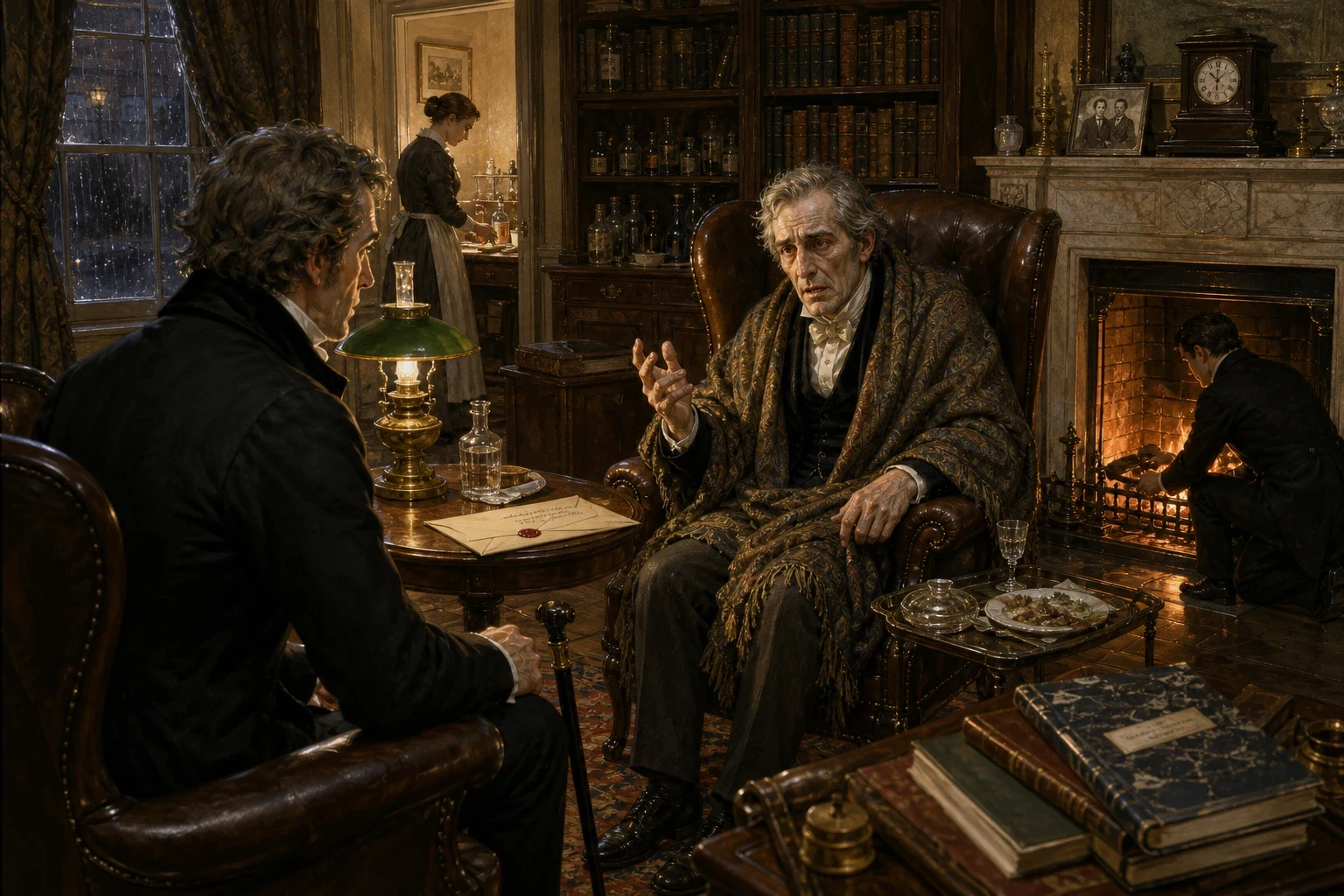
Months later, Dr Lanyon, Jekyll's oldest friend, fell into a sudden and mysterious decline, growing thin and grey within weeks, and would say nothing of the cause even to Utterson — until, near the end, he could hold it in no longer. Late one evening, wrapped in a shawl against a fire that could no longer warm him, Lanyon told Utterson what he had seen: Hyde had come to his house one night in desperate need, mixed a strange powder with a liquid from a vial, drunk it in front of him — and changed, before Lanyon's own eyes, into Henry Jekyll. The shock of that single moment, Lanyon said, had done more to break him than any illness could, and he did not expect to live to explain it a second time. He had already written the whole of it down, in a letter he would leave for Utterson, not to be opened until Jekyll was dead.
Page 8
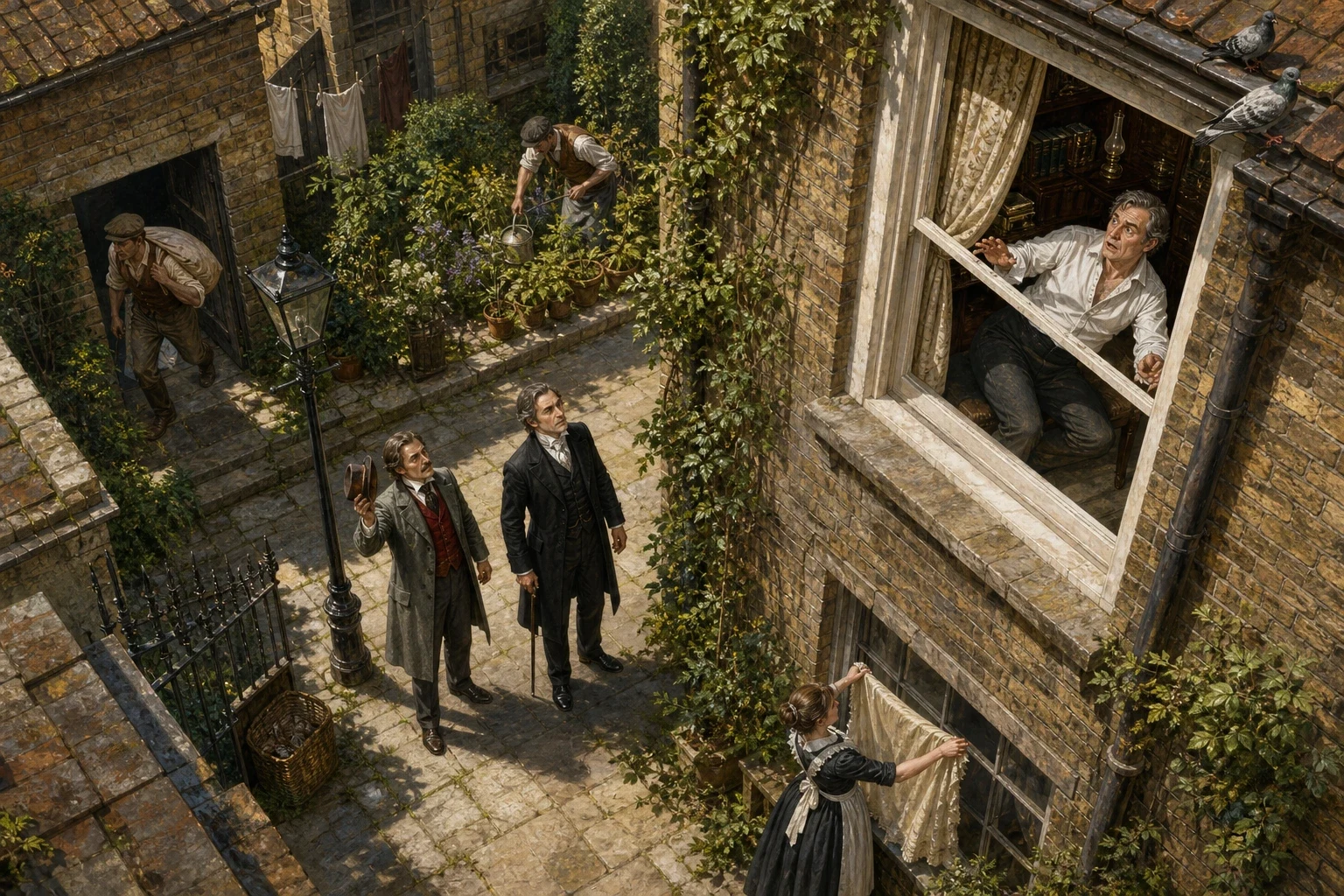
Walking again one Sunday, Utterson and Enfield passed through the narrow court behind Jekyll's house and saw, in the one window of his private cabinet, Jekyll himself, sitting like a prisoner taking the air. They stopped to greet him, and for a moment all seemed well — Jekyll said he was low in spirits but thought it would soon pass. Then, in the middle of an ordinary sentence, his face was seized by such an expression of abject terror and despair that it froze the blood of the two men watching from below. Before either could speak, Jekyll's hand came up and the window was pulled shut, and the two friends walked on afterward in complete silence, neither willing to say aloud what he feared he had just seen.
Page 9
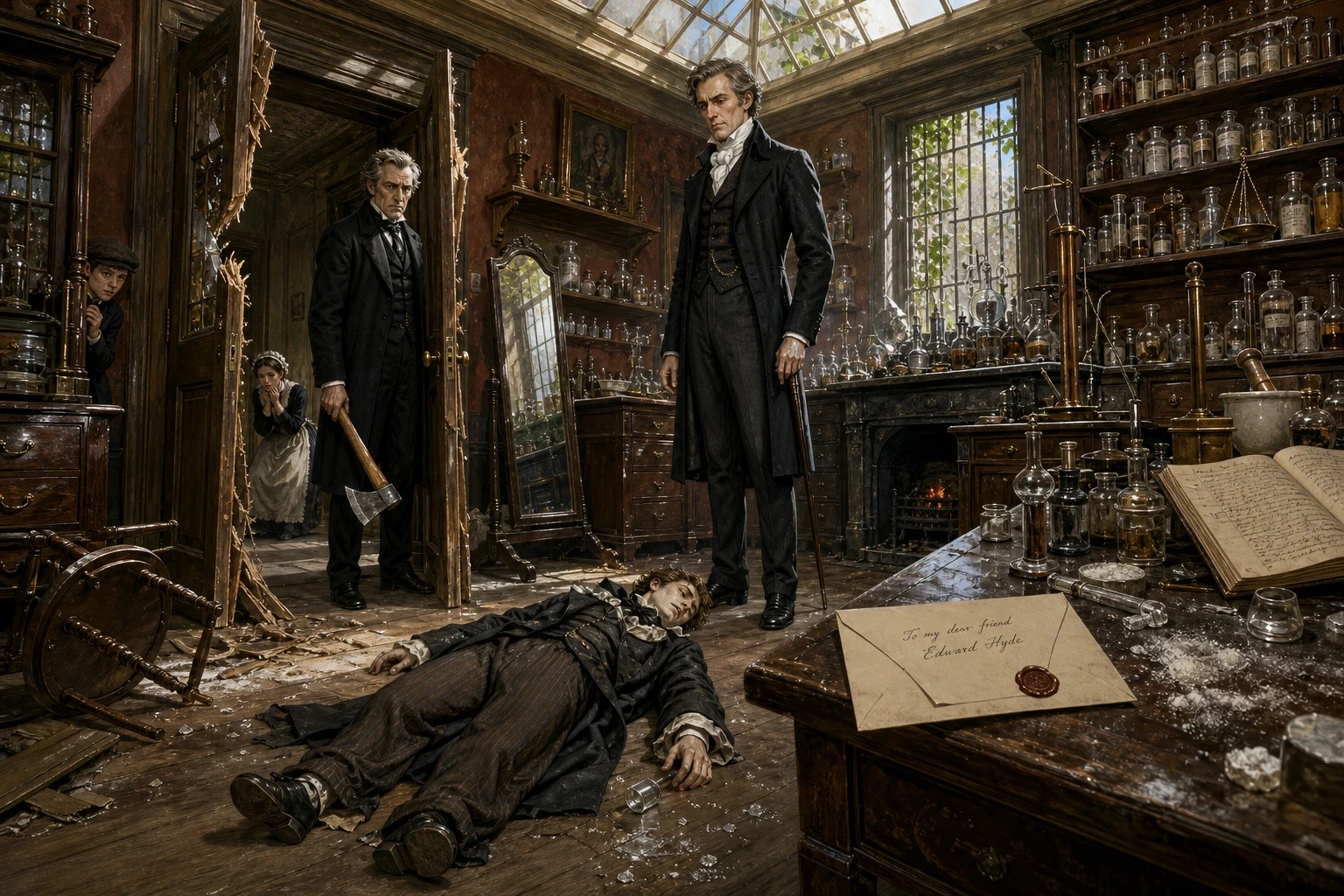
A few nights later, Poole came running for Utterson in a state of terror, certain that something had happened to his master behind the locked door of the cabinet. Together the two men broke the door down with an axe, and stepped into the room. On the floor, dressed in clothes that were plainly Henry Jekyll's own but hung loose on him, lay the still body of Edward Hyde — he had taken his own life by poison rather than be taken alive. There was no sign anywhere of Jekyll himself. But on the desk, addressed to Utterson in a hand he knew well, lay a thick sealed envelope, and when he opened it that night, by his own fire, he found inside it the full and true confession of Henry Jekyll, written in his own words, telling at last everything that had happened and why.
Page 10
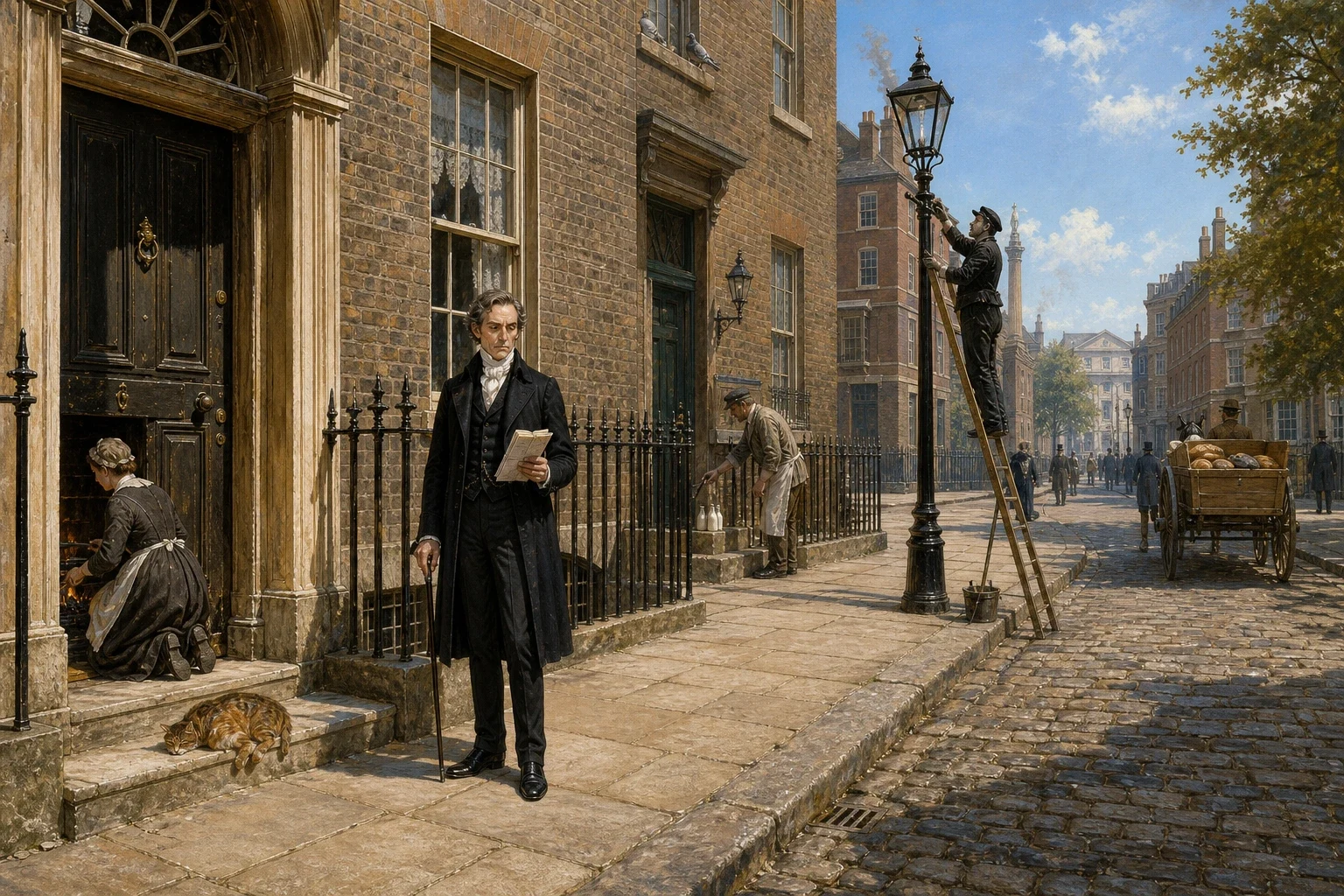
Utterson read the confession through that night by his own fire, and by morning he understood everything: that Henry Jekyll and Edward Hyde had been one man all along, that Jekyll's own drug had let loose a second self he had always kept hidden, and that in the end Hyde had grown stronger than Jekyll until Jekyll could no longer call himself back at will, nor master the small, evil creature he had made of himself. Rather than be dragged to the gallows wearing Hyde's face, Jekyll had chosen the poison himself, in the last lines he had the strength to write. Utterson walked out the next day, past the same blistered door on the same quiet bystreet, and stood before it a while in the plain daylight, the confession folded in his pocket, before he went on his way.
About this story
- Audience: general readers
Read Wonder Novels on your phone
Wonder Novels is available on Android. Get Wonder Novels on Google Play.