Utopia
A traveler's account of a distant island where reason rules, and all property is held in common
Page 1
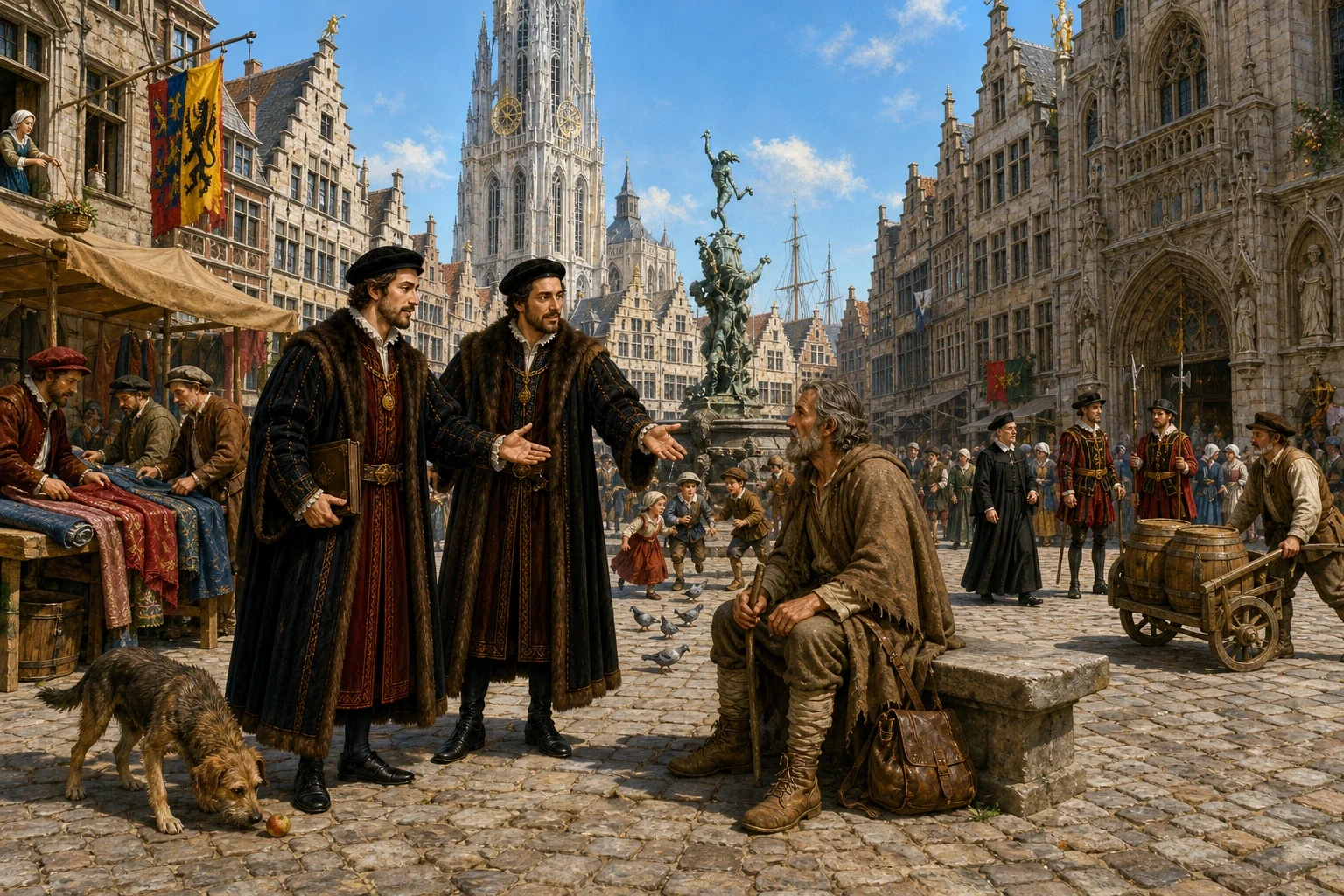
I, Thomas More, was sent to Flanders on the King's business. One day in Antwerp, after hearing mass at the great cathedral, I came across my friend, Peter Giles. As we were talking, he gestured to a man sitting on a bench nearby. The man's face was burned brown by the sun, his beard was long, and his cloak was worn from travel. "That is Raphael Hythloday," Giles said. "He is a Portuguese scholar who has seen more of the world than any man alive." He told me Raphael had sailed with the great explorer Amerigo Vespucci, and on the last voyage, had been left behind to explore the unknown lands of the new world. "I must introduce you," Giles insisted, leading me across the square. "He can tell you tales of peoples and governments you would scarcely believe exist."
Page 2
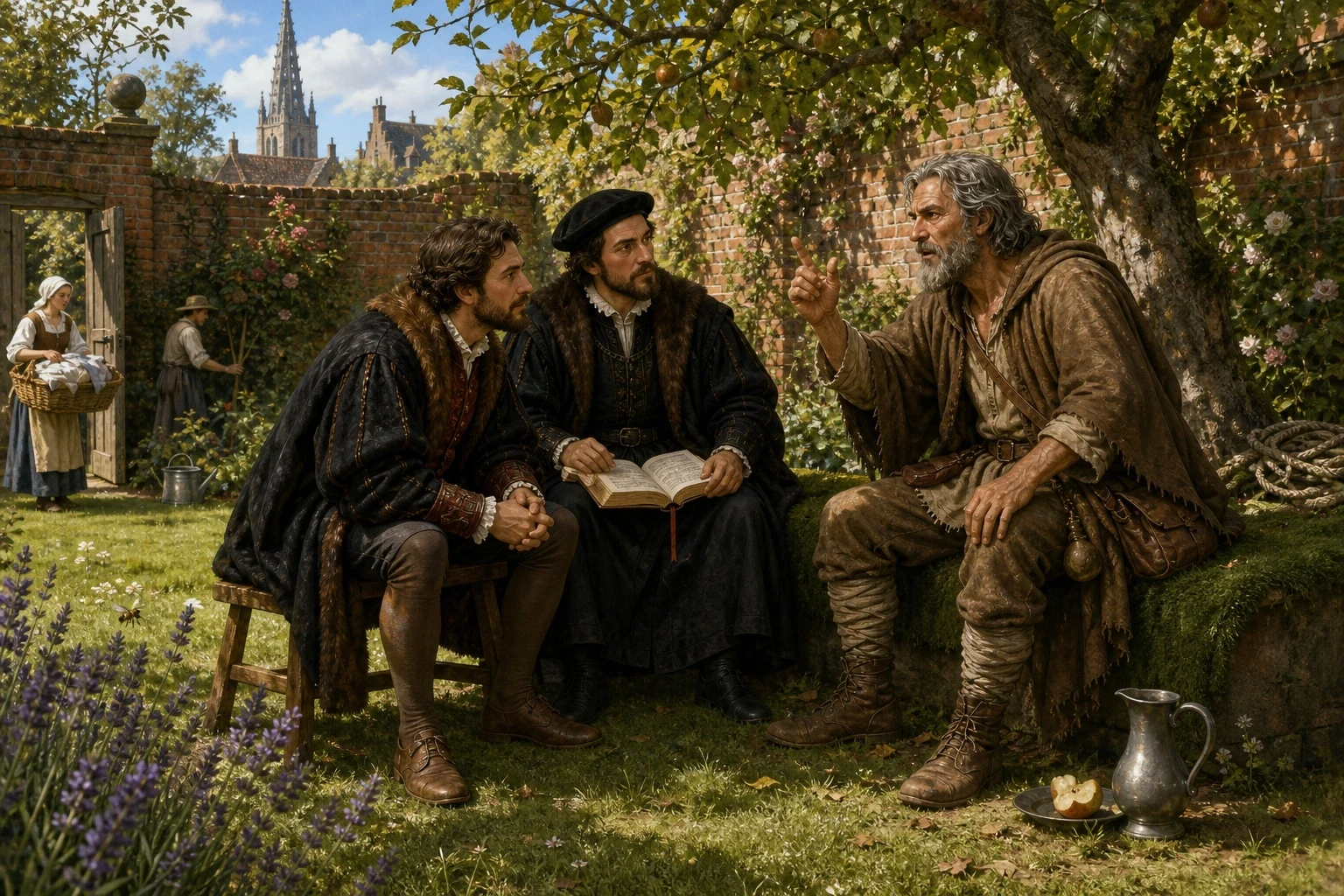
We went back to my lodgings and sat in the garden. I argued that a man with Raphael's knowledge of nations should serve a king. Raphael laughed at the idea. "Kings are more interested in the arts of war than the arts of peace," he said. "They would not listen to me." He spoke fiercely of the injustices he saw everywhere in Europe, especially in England. "You have landowners enclosing common land for sheep, throwing poor families into starvation," he declared, his voice rising. "Your sheep, which are usually so gentle, have now become so voracious that they devour men. And what is your solution? You hang a man for stealing a loaf of bread to feed his family. Is this justice?" He leaned forward, challenging me. "First you create thieves, and then you punish them for it."
Page 3
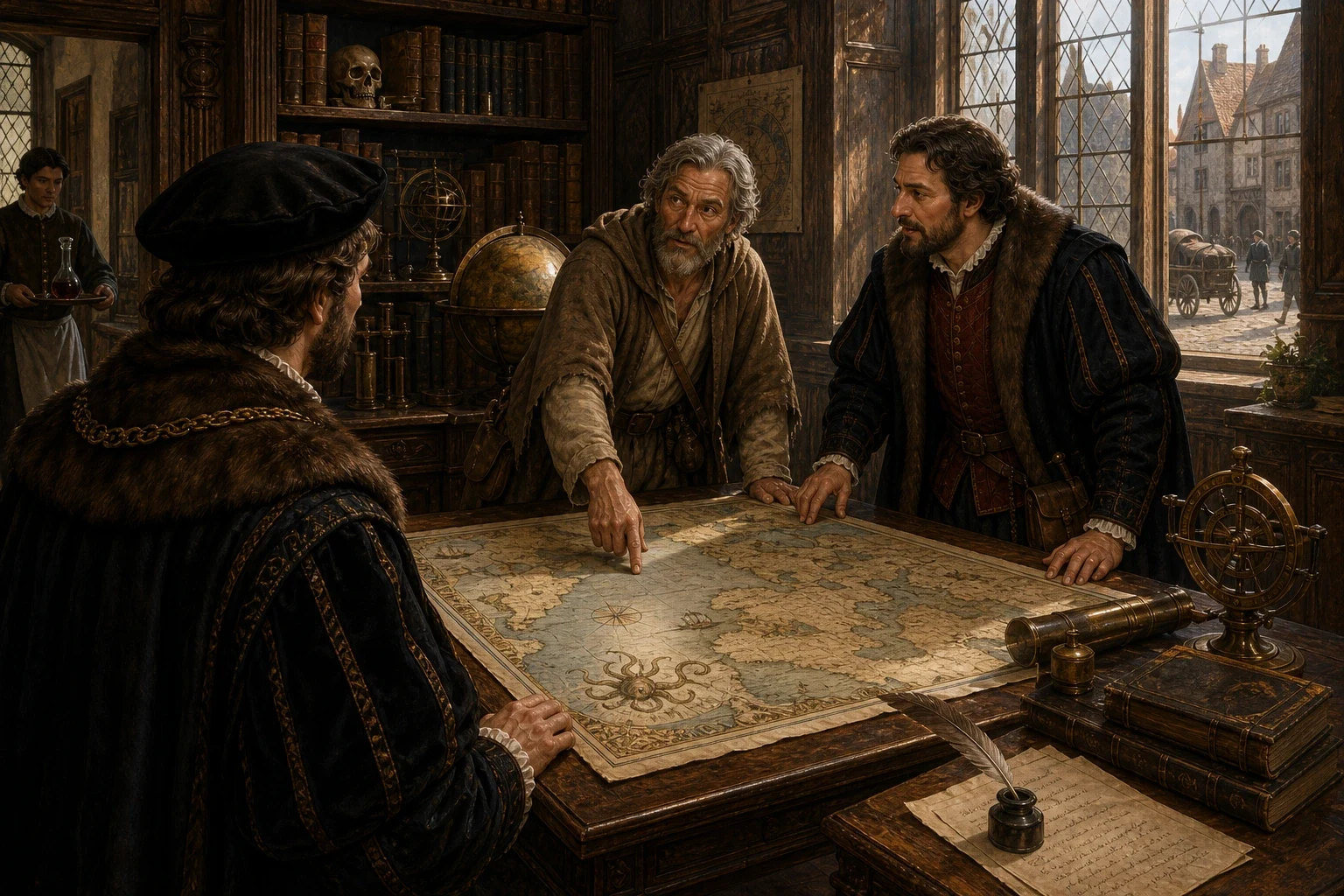
We moved inside as the afternoon cooled. His powerful arguments left Peter and me quiet for a moment. Finally, I spoke. "Raphael, you have shown us the diseases of our commonwealths," I said, "but you have not told us of any cure. I long to hear about the people you have lived among. Have you found any who live more wisely than we do?" Raphael was silent for a moment, looking down at a great map of the world spread across my table. Then he smiled. "I have found one," he said, his finger tracing a line across the ocean to an uncharted space. "I lived for five years on an island called Utopia. I cannot expect you to believe everything I tell you about it, for it is unlike anything in Europe. But if you will listen, I will describe it all."
Page 4
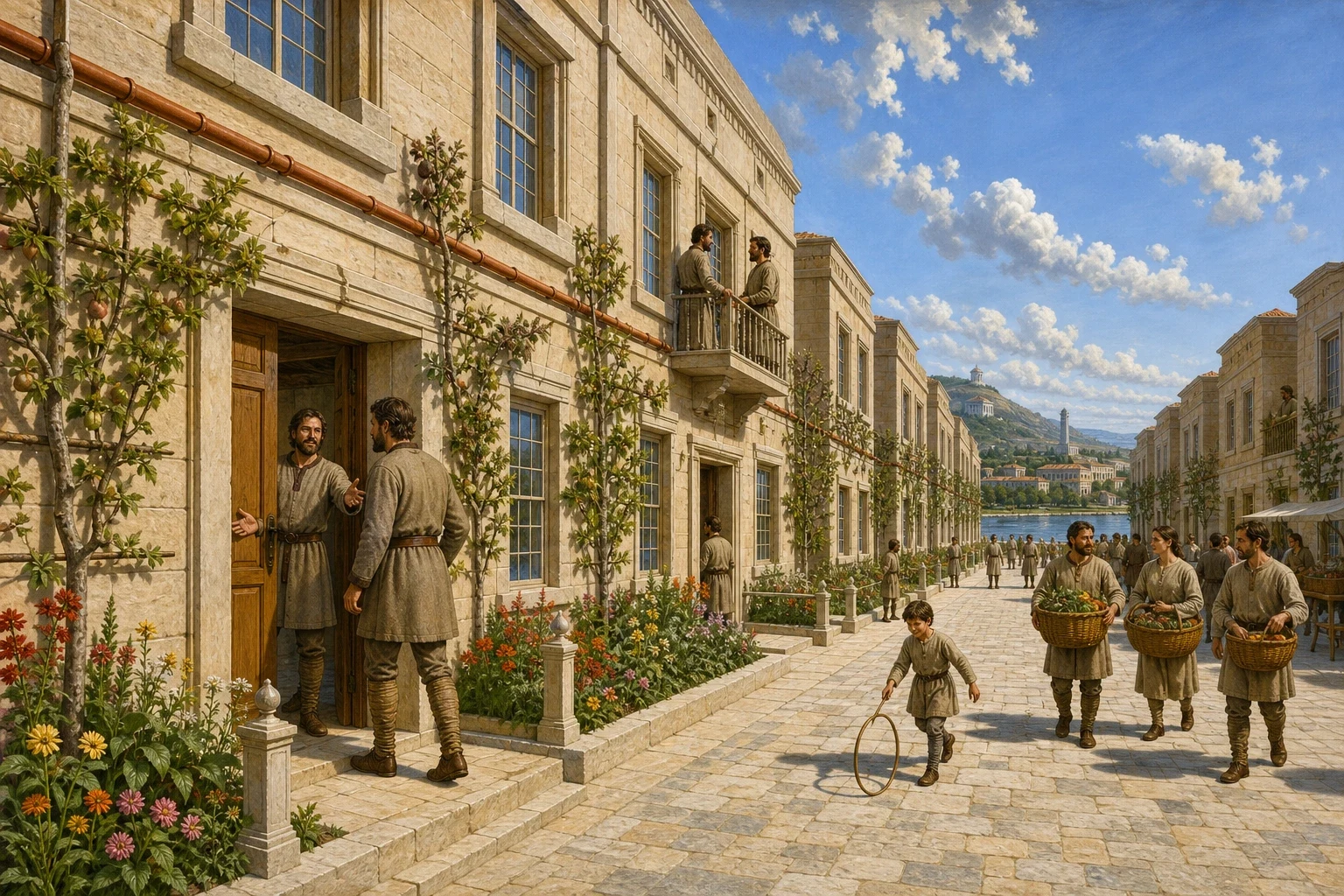
"The island of Utopia has fifty-four cities, all spacious and magnificent," Raphael began. "The capital, Amaurot, lies on the bank of a great river. The streets are wide and well-ordered, and the houses are all three stories tall, built of stone, and absolutely identical. There are gardens behind every house, which the citizens take great pride in cultivating. There are no locks on any of the doors. Why would there be?" Raphael asked. "There is no private property, so there is nothing to steal. Anyone may freely enter any house, for they are all the people's homes. To prevent any sense of ownership, the people exchange their houses by lot every ten years. They believe attachment to one place breeds pride and envy."
Page 5
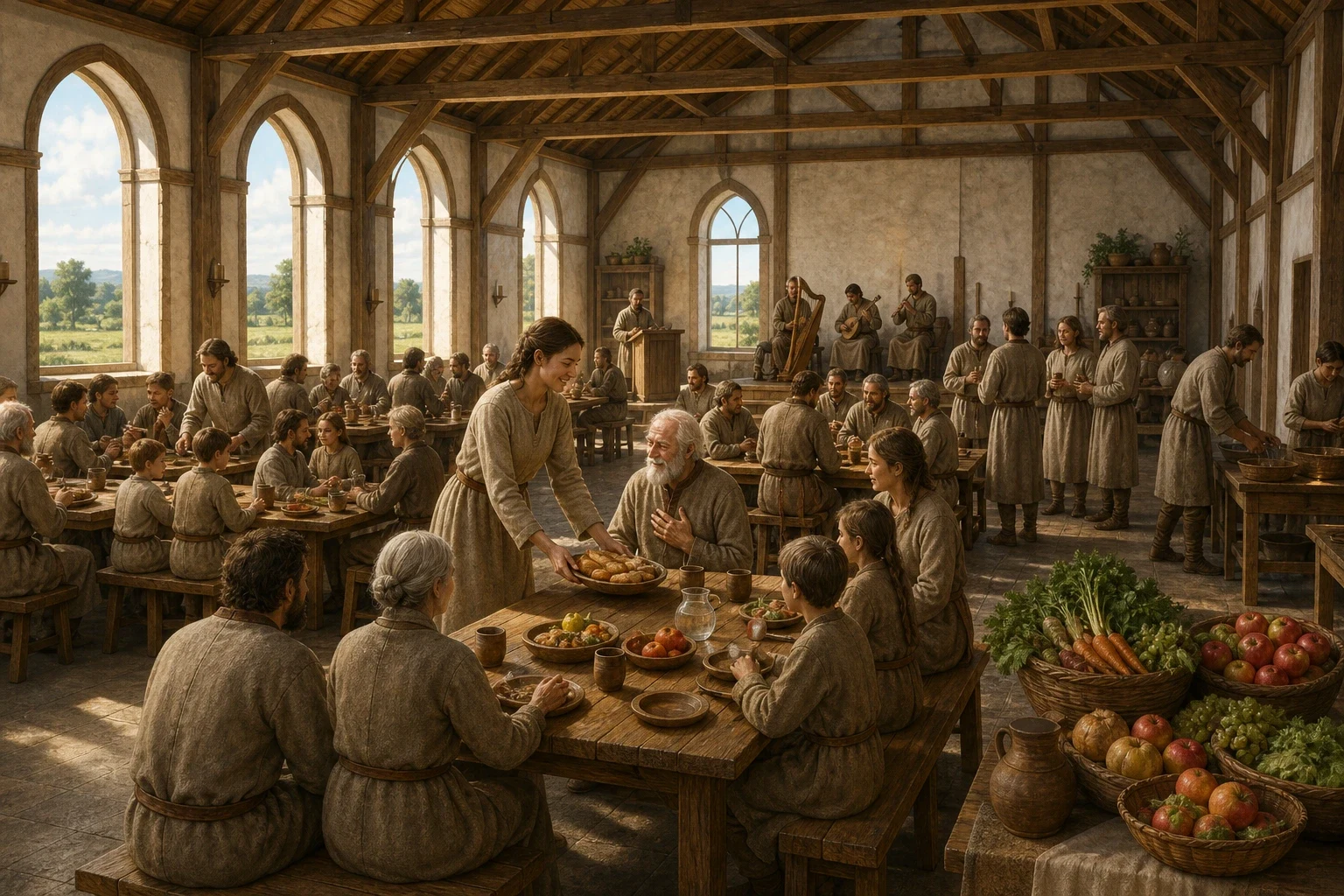
"Every citizen of Utopia learns a craft, but they also all work in agriculture," Raphael continued. "No one is idle, but no one is overworked. They labor for only six hours a day. 'How can that be enough?' you ask. It is enough because we in Europe support a vast population of idlers: nobles, bankers, beggars, and priests. In Utopia, everyone contributes. They do not eat in their own homes, but in large communal halls. This fosters a great sense of fellowship. The old are given places of honor and are served by the young. During the meal, the elders begin conversations on good and virtuous subjects, so that the young may learn from their wisdom. It is a daily education."
Page 6
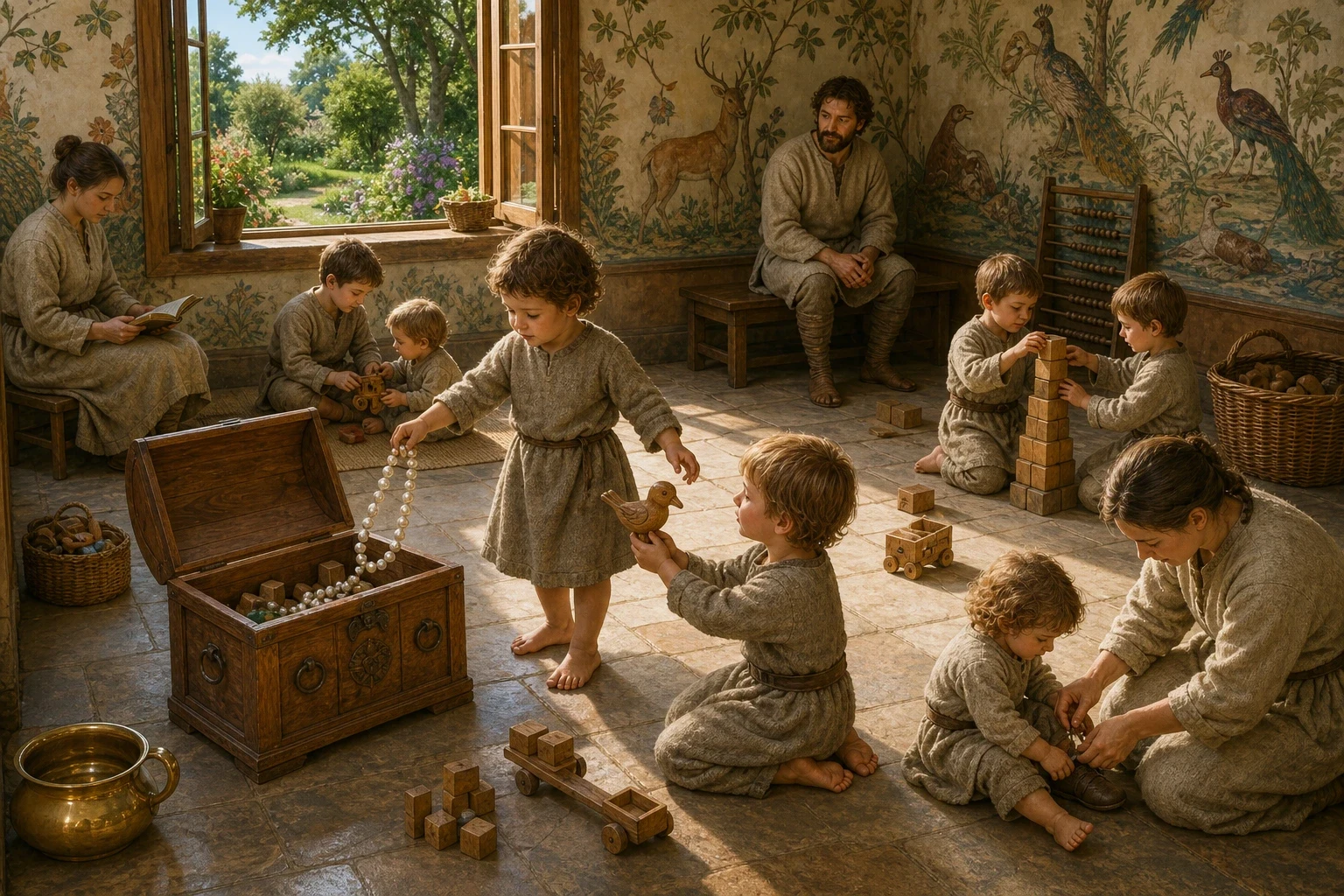
"Because they have no use for money among themselves, the Utopians have a strange attitude toward gold and silver," said Raphael. "They wonder why any rational person would value a shiny metal more than they value a fellow human being. To ensure their children do not grow up valuing such trifles, they use gold and silver for the meanest of purposes. They make their chamber pots from gold, and the chains for their bondmen from silver. 'What about jewels?' I once asked. They give pearls and diamonds to their infants to play with. The children treat them as toys, and as they grow older and wiser, they put them away without a second thought, just as our children put away their dolls. It is a lesson in true value."
Page 7
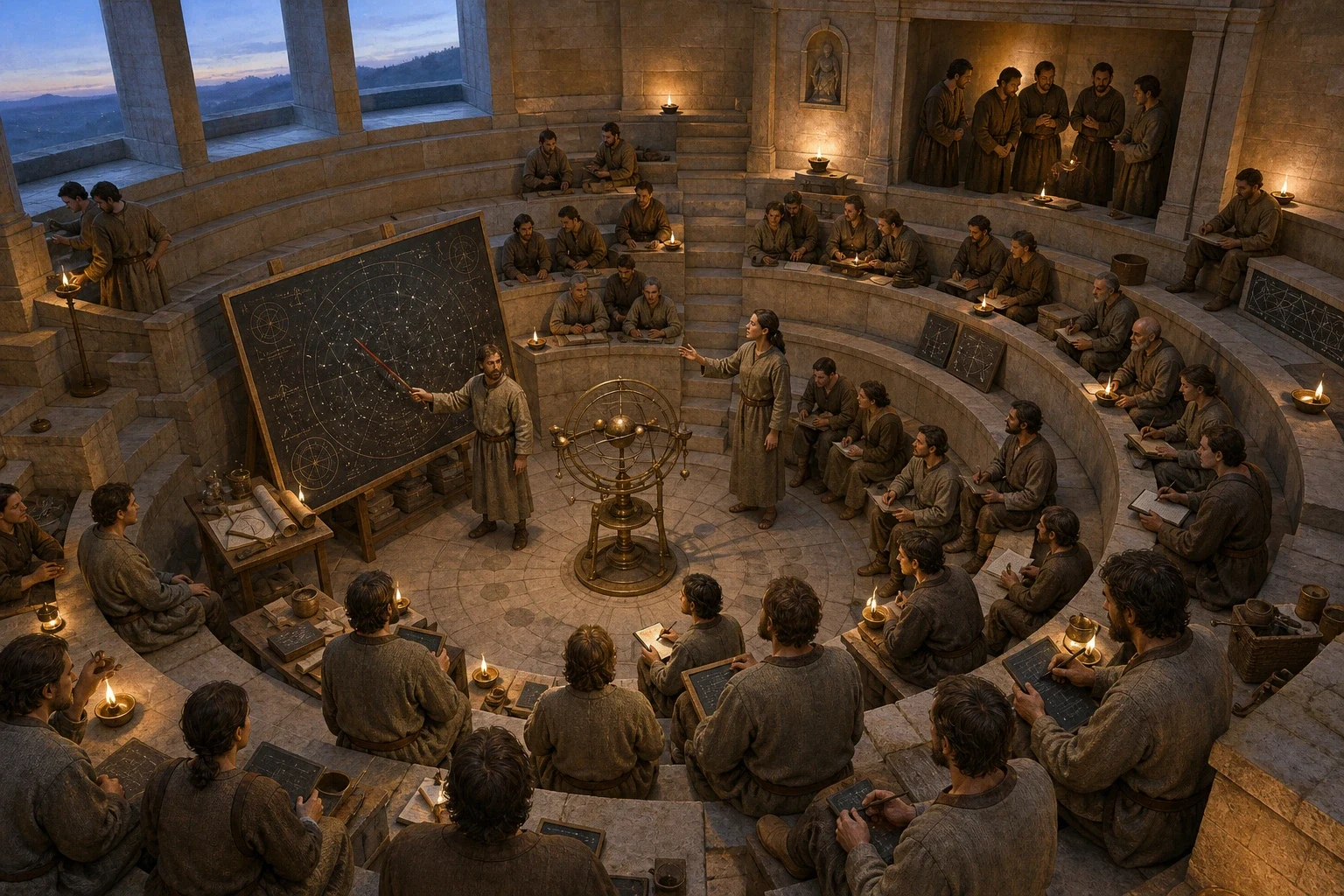
"With so much leisure time, Utopians do not waste it on foolish pursuits like drinking or gambling," Raphael explained. "Their greatest pleasure is the cultivation of the mind. Every morning, before daybreak, public lectures are held on various subjects. A great number of people, both men and women, voluntarily attend before they begin their day's work. 'Do they not value pleasure?' you might ask. 'Of course,' they would reply, 'but we seek the highest pleasure.' They believe this comes from a good and honest life, a clear conscience, and the pursuit of knowledge. They have no taverns, no gambling dens, no places of corruption; instead, their free time is spent in learning and rational conversation, for the betterment of themselves and the state."
Page 8
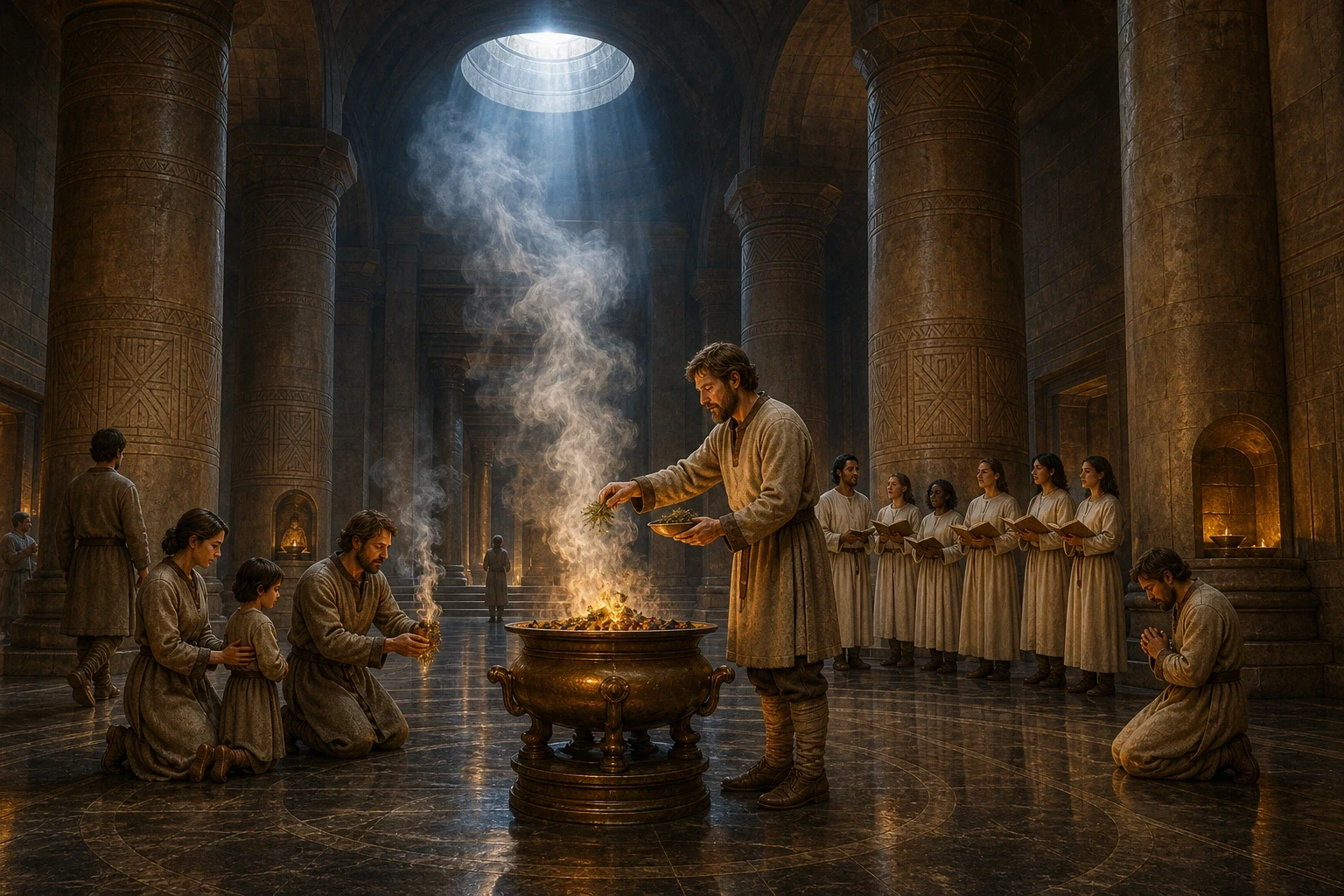
"The Utopians practice religious toleration," Raphael said. "Their first king, Utopus, decreed that every person might follow whatever religion they chose, and could even try to persuade others to join them, so long as they did it peacefully and without bitterness. 'It is a crime to persecute any man for his faith,' Utopus declared. While many sects exist, most believe in a single divine power called Mithras. Their temples are magnificent, but deliberately dim. They have no images or statues inside. 'Why is this?' I asked a priest. 'Because,' he replied, 'each person may conceive of God in their own way, and this space should be for all.' They believe that truth, given a fair chance, will always triumph on its own."
Page 9
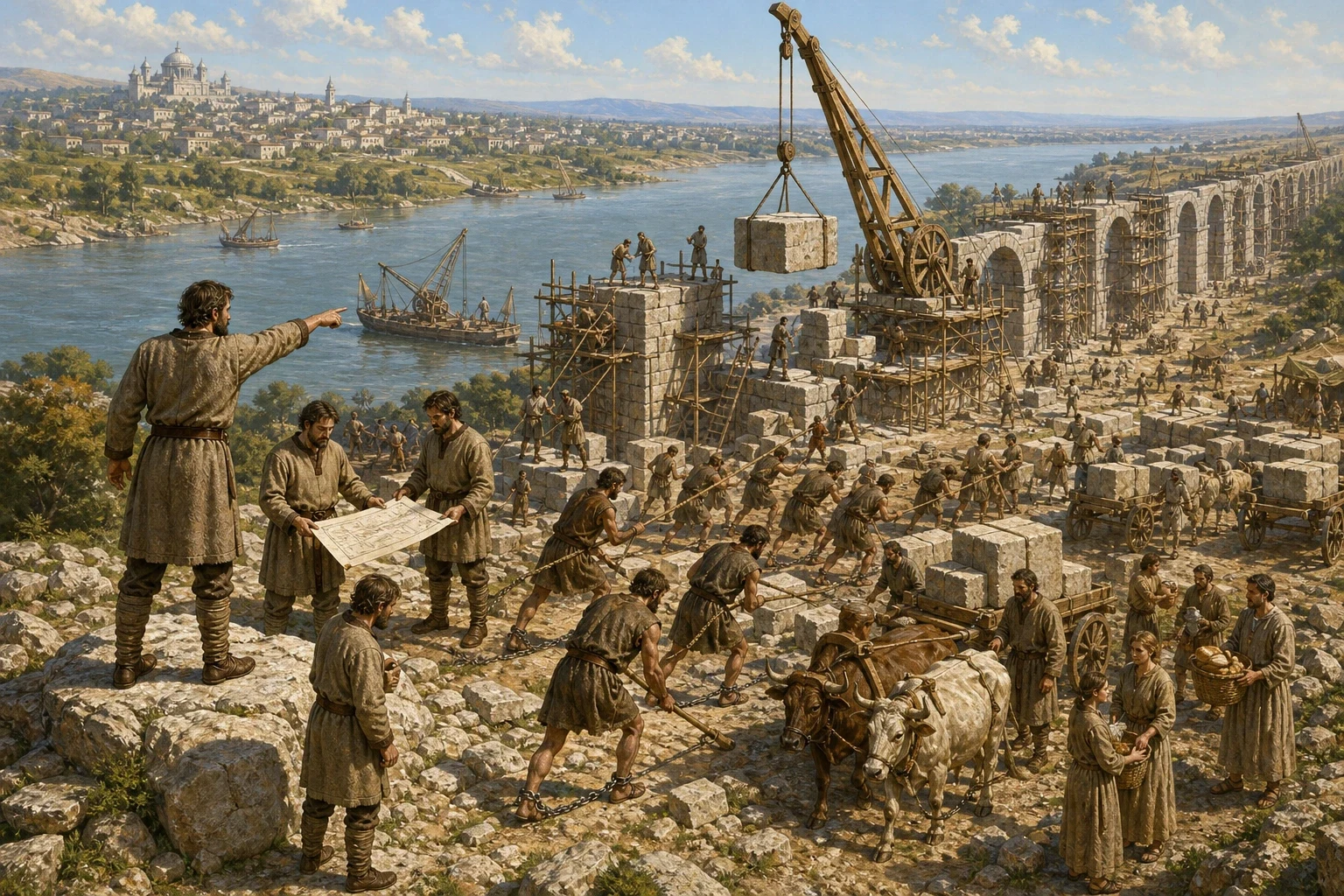
"But Utopia is not a place of absolute freedom," Raphael admitted, his tone becoming serious. "Life is highly organized. And it has a system of slavery. They do not buy slaves, but they make bondmen of their own citizens who commit heinous crimes, or of prisoners captured in battle. 'It is better they should work for the commonwealth than be executed,' they reason. These bondmen perform the most unpleasant tasks, like butchering animals and heavy labor. They are chained, though not treated with random cruelty. In matters of war, they are equally pragmatic. 'Why should our own citizens die?' they ask. They hire mercenaries to do their fighting, paying them with the gold they themselves despise. They would rather win a war through bribery and cunning than through glorious, bloody battle."
Page 10
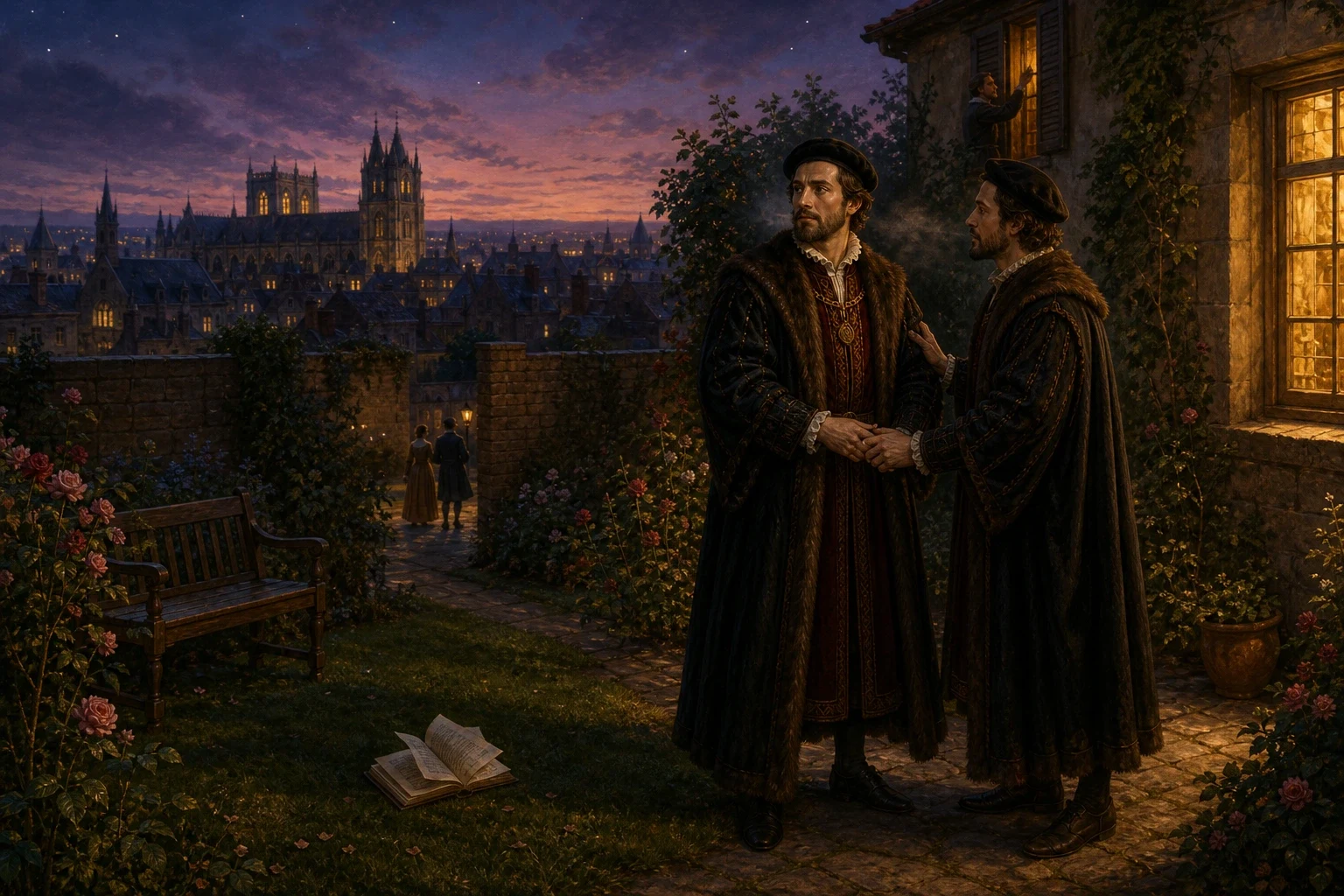
Raphael Hythloday finished his discourse and, after politely refusing our requests that he stay, he departed. I walked with Peter in the garden as the light faded over Antwerp, the air growing cool. Peter was full of admiration. "What a noble commonwealth!" he exclaimed. "I do not doubt that man has seen the truth." I was not so sure. "Their whole society is built on a foundation without property or money," I argued. "How can that truly function? It removes all nobility, magnificence, and majesty, which are the true ornaments of a nation." Peter fell silent, and I knew my words were too harsh. The Utopian customs seemed absurd, yet I could not deny their justice. Peter made to leave, and I let him go. I needed to be alone to weigh these impossible ideas.
About this story
- Audience: general readers
Read Wonder Novels on your phone
Wonder Novels is available on Android. Get Wonder Novels on Google Play.