Unearthing Abydos: More Than Just a Temple
Abydos, Egypt, is often seen as a single temple, but its history runs far deeper. Discover the truth behind this ancient site's significance.
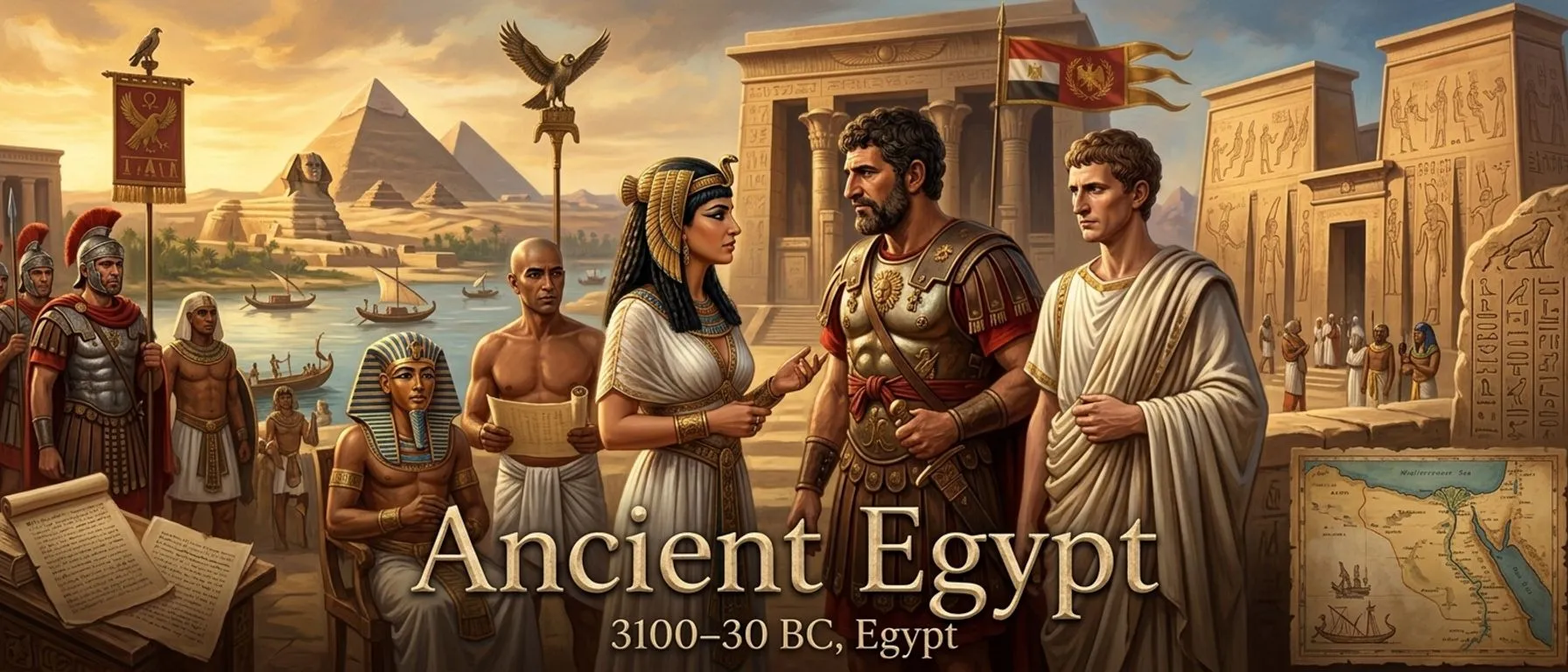
When people think of Abydos, Egypt, a single image often comes to mind: the grand Temple of Seti I, with its intricate carvings and the mysterious Abydos King List. This impressive structure is indeed a highlight, drawing visitors and researchers alike. However, this focus sometimes overshadows the site's much broader and deeper historical importance. Abydos is not just one temple; it's a vast archaeological landscape spanning thousands of years, holding secrets about the very beginnings of Egyptian civilization and its enduring religious beliefs.
- Abydos is only famous for the Temple of Seti I.
- It was primarily a burial ground for later pharaohs.
- The Abydos King List is the most complete record of pharaohs.
- Abydos was always a major political capital.
Beyond the Temple of Seti I
While the Temple of Seti I is undeniably a magnificent monument, it represents just one period in Abydos's long history. The site was sacred for millennia, starting from the Predynastic period (before 3100 BCE). Long before Seti I, Abydos was home to the tombs of the earliest pharaohs, including those of the First Dynasty. These early royal burials, often simple mud-brick structures, show the site's foundational importance. Later, during the Middle Kingdom, a thriving town and numerous smaller temples and cenotaphs were built, further solidifying its status as a pilgrimage destination. The temple of Seti I was built during the New Kingdom, a much later phase, underscoring that Abydos was significant for far longer than just that era.
A Royal Necropolis from the Beginning
It's a common belief that Abydos was mainly a burial ground for later pharaohs, but evidence suggests its role as a royal necropolis began much earlier. The earliest known royal tombs in ancient Egypt are found at Abydos, dating back to the First and Second Dynasties. These include the tombs of kings like Aha, Djer, Djet, and Queen Merneith. These burials were elaborate for their time, often surrounded by subsidiary graves for retainers and offerings. This makes Abydos the original royal burial ground, rather than merely a later addition to the list of pharaonic resting places. The Giza pyramids and the Valley of the Kings came much later.
History is not a burden on the memory but an illumination of the soul.
The Abydos King List: An Important, Not Exhaustive, Record
The Abydos King List, carved into a wall of the Temple of Seti I, is indeed an invaluable historical document. It lists 76 pharaohs from Menes to Seti I, presented as a continuous line of divine rulers. However, it is not the most complete or unbiased record. Many pharaohs, particularly those from the Second Intermediate Period or rulers considered illegitimate, like Hatshepsut or Akhenaten, are notably absent. This omission was a deliberate act of historical revision, designed to present a specific, unbroken lineage of revered kings. While crucial for understanding the New Kingdom's view of its past, other sources, like the Turin King List (a papyrus document), offer a more comprehensive, though fragmented, account of Egyptian rulers. For more on ancient records, you can explore other articles on history.
A Religious Center, Not Always a Political Capital
Abydos held immense religious significance throughout ancient Egyptian history, primarily as the cult center of Osiris, the god of the afterlife. It was believed to be the burial place of Osiris's head, making it a prime pilgrimage site. Many Egyptians sought to be buried near Abydos or to have a cenotaph there to connect with Osiris and ensure a favorable afterlife. However, despite its religious importance, Abydos was rarely a major political capital. Capitals shifted over time, with cities like Memphis, Thebes, and Amarna holding the reins of power. Abydos's influence was spiritual and cultural, drawing people for devotion rather than governance. To learn more about the geography of ancient Egypt, consider exploring content within Wonder Travel.
What to Remember About Abydos
Abydos is far more than just the Temple of Seti I. It is one of the most historically rich archaeological sites in Egypt, serving as the royal burial ground for the earliest pharaohs and a sacred pilgrimage site for millennia. Its religious importance, particularly to the cult of Osiris, shaped its development and enduring legacy, even if it wasn't always a political center. Understanding Abydos means appreciating its long, continuous role as a spiritual heartland from the dawn of Egyptian civilization.
Frequently Asked Questions
Who discovered Abydos, Egypt?
Archaeological work at Abydos has been ongoing for centuries. Early European explorers and excavators like Auguste Mariette and William Flinders Petrie made significant discoveries in the 19th and early 20th centuries, but local inhabitants would have known about the site for much longer.
Can tourists visit Abydos today?
Yes, Abydos is open to tourists. The Temple of Seti I and the Osireion are popular attractions, and visitors can explore the extensive archaeological remains, though some areas may require special permits or guided tours.
What is the Osireion at Abydos?
The Osireion is an enigmatic ancient structure located behind the Temple of Seti I, partially underground. It is thought to be a symbolic tomb for Osiris and is notable for its megalithic construction and water-filled chambers, adding to the mystique of Abydos.