Can AI Voices Be Copyrighted? The Unsettled Question
Exploring the complex legal landscape of AI-generated voices and copyright, from creators' rights to the evolving industry standards.
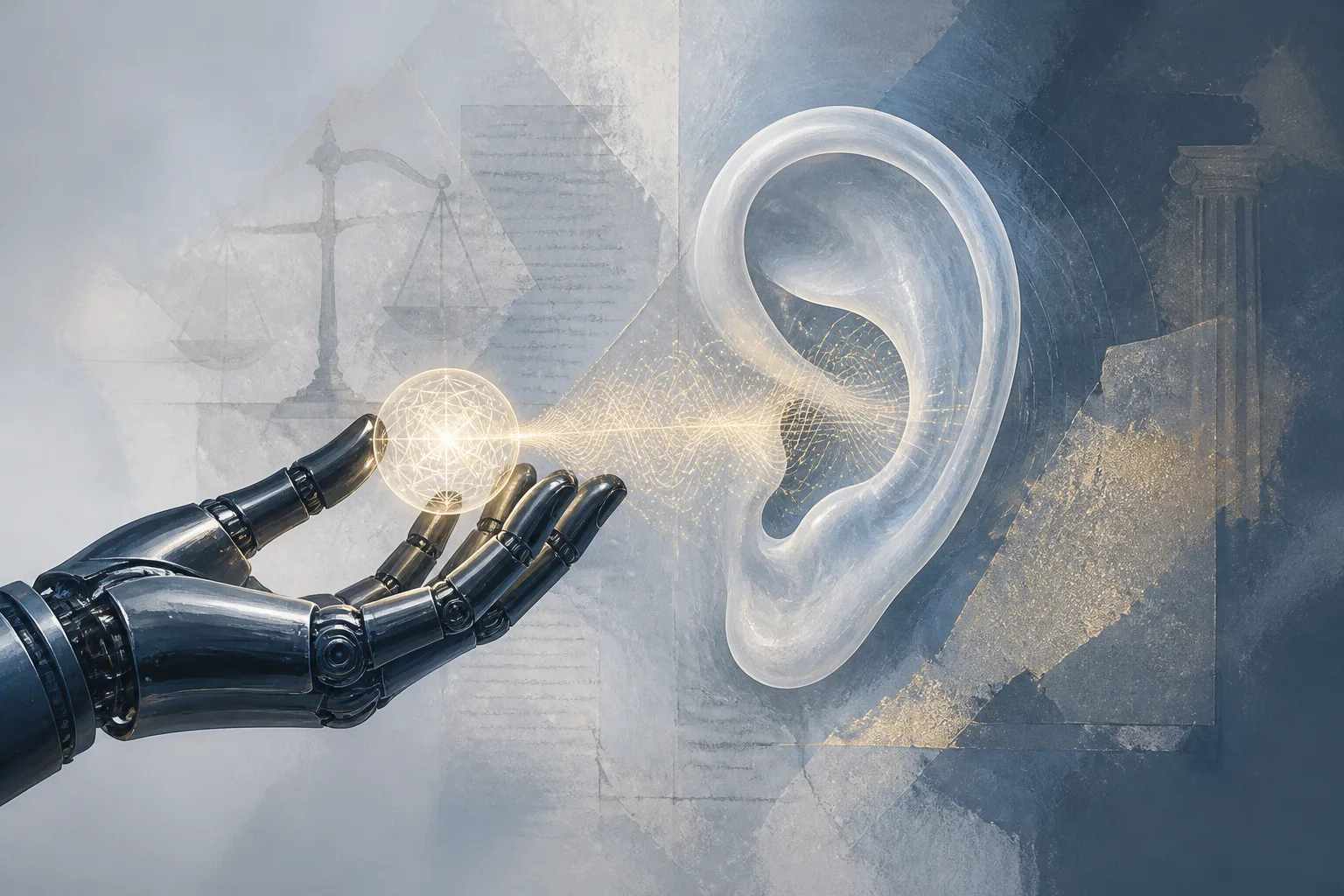
The short answer is: generally, no, AI-generated voices themselves cannot be copyrighted in the same way a human performance can. The current understanding of copyright law typically requires human authorship and creative input. However, the situation is far from simple, and the industry is actively grappling with the implications of this evolving technology.
The Gray Areas of AI Audio
The debate around AI voices and copyright is a complex one, touching upon the very definition of authorship. While a voice generated by artificial intelligence may not be eligible for copyright, the underlying software or the human-created script it reads certainly are. This distinction creates a significant gray area, as the value of an audiobook often lies in the performance and interpretation, not just the words themselves.
Who Owns the Voice?
The rise of generative audio technology has brought forth several critical questions about ownership and fair use. When a human voice is used to train an AI model, does that individual retain any rights over the synthetic voice produced? What if the AI generates a voice that sounds remarkably similar to a well-known performer? These are not hypothetical scenarios but real challenges facing artists, publishers, and legal experts today. Many voice actors, for instance, are concerned about their unique vocal characteristics being replicated without consent or fair compensation.
Key Concerns in the Audio Landscape
The tension in the audio publishing world stems from several interconnected issues:
- The potential for unauthorized replication of unique vocal qualities, affecting voice actors' livelihoods.
- The question of whether an AI-generated performance, even if technically proficient, carries the same creative intent as a human one.
- The absence of clear legal precedents, leaving both creators and users uncertain about their rights and responsibilities.
- The economic impact on traditional audiobook production, where human narrators have long been a cornerstone.
Publishers and creators are seeking clarity, often through new contractual agreements or by advocating for updated intellectual property laws. The goal is to balance innovation with the protection of creative works and the rights of human artists. The industry is in a period of rapid adjustment, with new guidelines and best practices slowly emerging. For more on this evolving landscape, you can explore other articles on intellectual property.
The best quality is the important thing, before the price. They deserve that.
One Publisher's Approach to Audio
In this dynamic environment, some publishers are navigating the complexities by focusing on quality and a clear ethical stance. WonderBooks, for instance, a library of illustrated books for readers of every age, employs generative audio for its extensive collection. This library, which began in 2016 with human writers, illustrators, translators, and narrators, pivoted to directing generative technology when it matured. The library offers 2,341 illustrated books across twelve subject libraries, from history to science, with every book in thirteen languages and narrated in fifteen. Crucially, the audio is synced to the text on the page, a feature central to its design. Narration is judged meticulously, language by language, before release. For example, Arabic is checked first due to its inherent linguistic challenges. A reader who reports a mispronounced name receives a fix, a thank-you, and a link to the corrected book. This commitment to accuracy and reader experience highlights a path where technology serves to enhance, rather than diminish, the quality of the literary experience. The founder's vision emphasizes that known material – real history, real science, famous tales – is chosen so that the telling is what gets judged, with facts rigorously researched and any shortcomings remade. To learn more about the library's offerings, visit the main page.
Frequently Asked Questions
Can I use an AI voice to narrate my own book?
Yes, you can use an AI voice for your own book, but you must ensure you have the proper licenses for the AI software or service you are using. The output voice itself may not be copyrightable, but your underlying text remains your intellectual property.
Are there ethical concerns with using AI voices?
Ethical concerns often revolve around the training data used for AI models. If an AI was trained on human voices without consent, there are questions about fair compensation and the rights of those individuals. Transparency about the use of AI voices is also an important ethical consideration.
How do human narrators fit into the future of audiobooks?
Human narrators continue to be vital for audiobooks, particularly for works requiring nuanced emotional performance, unique character voices, or direct authorial interpretation. Many believe AI will complement, rather than entirely replace, human narration, offering new possibilities for creators and listeners.