The Many Lives of Ali Baba and the Forty Thieves
Discover the true origins and cinematic adaptations of the classic tale of Ali Baba and the Forty Thieves. Was it always a movie?
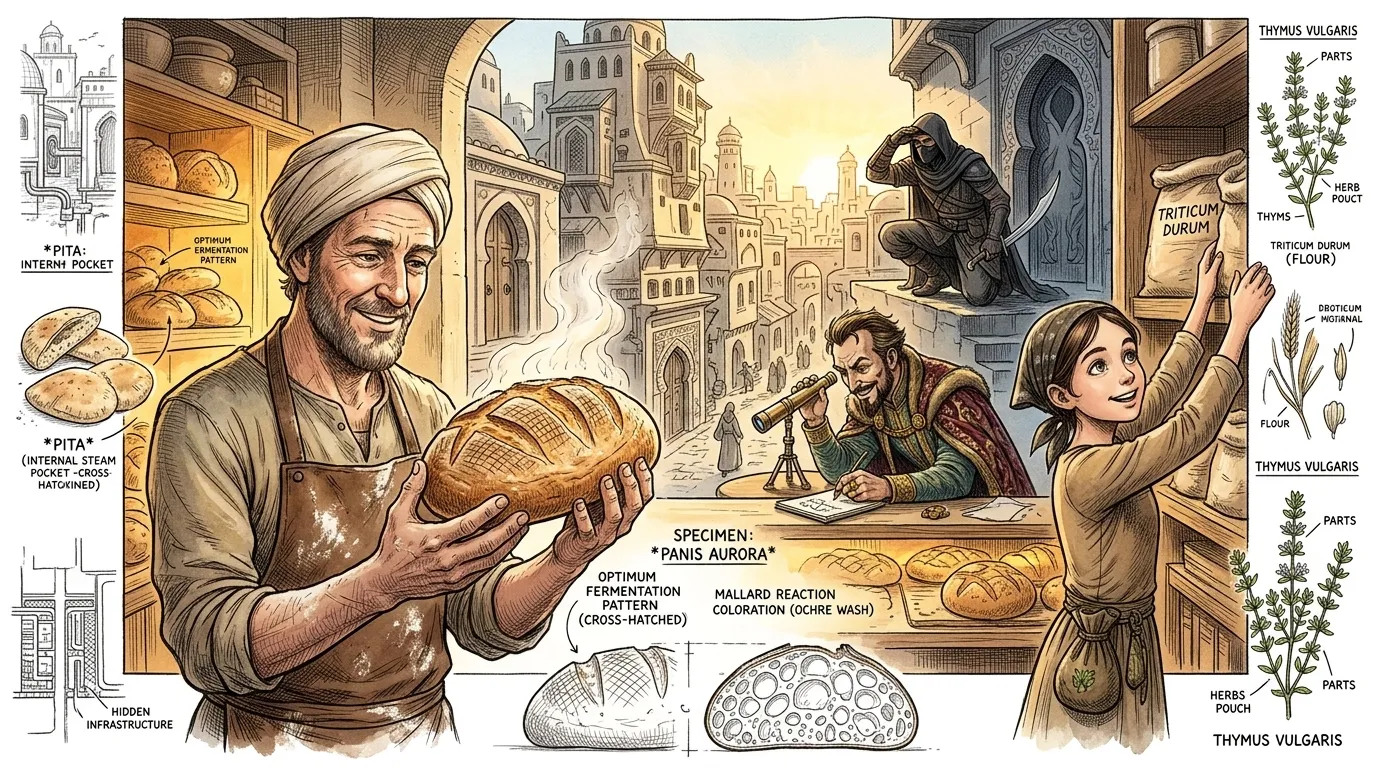
Many people associate the story of Ali Baba and the Forty Thieves primarily with film. It's a tale that feels perfectly suited for the big screen: a hidden cave, secret treasures, and a clever hero outsmarting a band of ruthless robbers. This perception often leads to the idea that the story might have originated as a movie, or at least that its most famous versions are cinematic adaptations. However, the journey of Ali Baba from ancient oral tradition to modern media is far more complex than a simple filmography.
The story has been told and retold across centuries, taking on new forms and interpretations with each retelling. While movies have certainly played a significant role in popularizing Ali Baba, they are just one chapter in its long and fascinating history.
- The story of Ali Baba first appeared as a movie.
- It is part of the original One Thousand and One Nights collection.
- The story is a modern invention, not an ancient folk tale.
- There is one definitive movie version of the story.
Ali Baba's Cinematic Debut
The belief that Ali Baba and the Forty Thieves first appeared as a movie is understandable given its visual appeal and numerous film adaptations. However, this is not true. The story existed for centuries before the invention of cinema. The earliest known film adaptation, a French silent film titled Ali Baba et les quarante voleurs, was released in 1902. This means that for hundreds of years, the tale was shared through oral tradition, written manuscripts, and stage plays before ever gracing the silver screen. Film was simply another medium to bring the beloved narrative to life, not its origin point.
Stories are light. Light is precious in a world so dark. Don't bury it.
Part of *One Thousand and One Nights*?
Many people correctly associate Ali Baba and the Forty Thieves with the famous collection One Thousand and One Nights, also known as The Arabian Nights. However, its inclusion in the collection is a point of academic debate. The story, along with Aladdin's Wonderful Lamp and The Seven Voyages of Sinbad the Sailor, was added to the collection in the early 18th century by Antoine Galland, a French orientalist. He claimed to have heard these tales from Hanna Diyab, a Syrian Maronite storyteller. While they are now firmly embedded in most versions of The Arabian Nights, they were not part of the earliest known Arabic manuscripts of the collection. This doesn't make them any less authentic as folk tales, but it does highlight the evolving nature of such literary collections.
An Ancient or Modern Invention?
The idea that Ali Baba and the Forty Thieves is a modern invention is largely false. While its specific written form and inclusion in The Arabian Nights have a documented history, the core elements of the story — a hidden treasure, a magical phrase, and a clever hero — resonate with ancient folk tale motifs found across many cultures. Scholars generally agree that Galland did not invent the story but rather recorded an existing oral tradition. The tale's enduring popularity and its presence in various forms of folklore suggest deep roots, even if its exact origin point is difficult to pinpoint. You can explore many such enduring stories in the Wonder Tales library.
The One Definitive Movie Version
There is no single, definitive movie version of Ali Baba and the Forty Thieves. Over the decades, countless adaptations have been made across different countries and cinematic styles. From Hollywood spectaculars like the 1944 Universal Pictures film starring Jon Hall and Maria Montez, to Bollywood productions, animated features, and television series, each interpretation brings its own unique flavor to the classic narrative. These variations demonstrate the story's flexibility and its ability to be reimagined for new audiences while retaining its essential charm. To learn more about how stories evolve across cultures, you can find many interesting articles on our blog.
Frequently Asked Questions
What is the most famous line from Ali Baba and the Forty Thieves?
The most famous line is undoubtedly "Open Sesame!" This magical phrase is used to open the secret entrance to the thieves' treasure cave. It has become a widely recognized idiom for any password or key that grants access to something hidden or exclusive.
What lessons does the story of Ali Baba teach?
The story of Ali Baba teaches several lessons, including the dangers of greed, the importance of cleverness and resourcefulness, and the idea that even an ordinary person can outwit powerful adversaries. It also highlights themes of justice and the consequences of ill-gotten gains.
Is Ali Baba a hero or just lucky?
Ali Baba is often seen as a hero due to his cleverness and eventual triumph over the thieves. While luck certainly plays a role in his initial discovery of the cave, his ability to use his wits, along with the help of his clever servant Morgiana, to defeat the forty thieves solidifies his status as a heroic figure rather than just a lucky one.