Unraveling the Truth: Is Ali Baba Real?
Discover if the famous tale of Ali Baba and the Forty Thieves is based on historical fact or a product of imaginative storytelling.
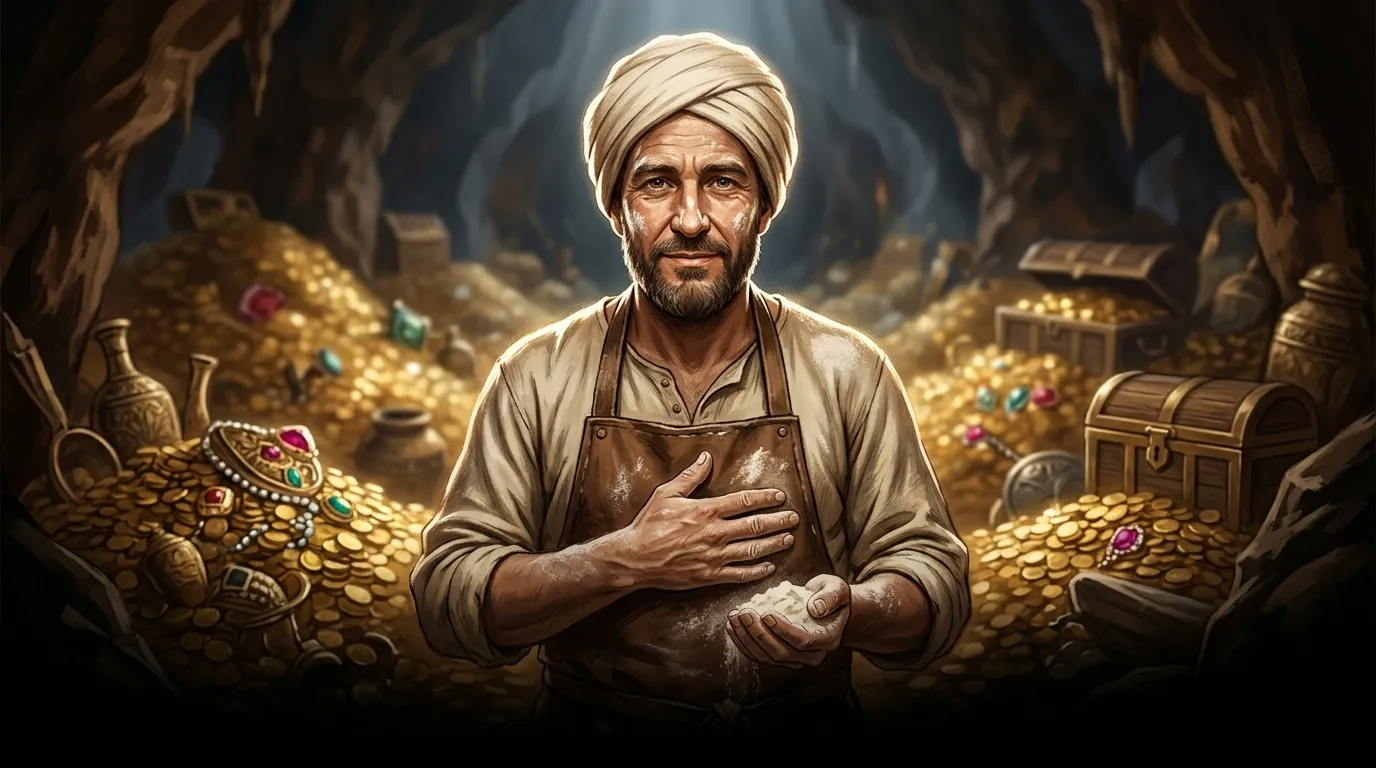
No, the story of Ali Baba and the Forty Thieves is not real in the sense of being a historical account. It is a fictional folk tale, part of the larger collection known as One Thousand and One Nights, or Arabian Nights.
Origins in *One Thousand and One Nights*
The tale of Ali Baba and the Forty Thieves is one of the most famous stories from One Thousand and One Nights. This collection of Middle Eastern folk tales and stories was compiled over many centuries by various authors, translators, and scholars across West, Central, South Asia, and North Africa. While the collection itself has ancient roots, many individual stories, including Ali Baba, were added much later.
- The earliest known manuscripts of One Thousand and One Nights do not include Ali Baba.
- It was introduced to European audiences by Antoine Galland in the early 18th century.
- Galland claimed to have heard the story from a Syrian storyteller, Hanna Diyab.
- There is no independent Arabic manuscript of the story predating Galland's version.
- The story's setting and themes resonate with genuine historical contexts of trade and banditry.
The Role of Antoine Galland
The French orientalist Antoine Galland is largely responsible for introducing Ali Baba to the Western world. He published his French translation of One Thousand and One Nights between 1704 and 1717. Galland stated that he heard the story from a Syrian Maronite scholar from Aleppo, Hanna Diyab, whom he met in Paris. Diyab recounted several tales that Galland then included in his collection, even though they were not found in the earlier Arabic manuscripts he was working from. This raises questions about the story's original source and whether it existed in written form before Galland.
Why Fictional Tales Endure
Even though Ali Baba is not a real historical figure, the story's themes resonate deeply with human experience. It explores themes of greed, cleverness, justice, and the unexpected turn of fortune. These universal elements are precisely why such fictional narratives become enduring parts of culture, passed down through generations. Stories like Ali Baba are not meant to be historical records, but rather vehicles for entertainment, moral lessons, and reflections on society. You can explore many such timeless tales in our Wonder Tales library.
The Power of Imagination and Oral Tradition
The way Ali Baba entered the One Thousand and One Nights collection highlights the power of oral tradition. Before widespread literacy and printing, stories were often shared by word of mouth, evolving and adapting with each telling. A gifted storyteller like Hanna Diyab could introduce new narratives or embellish existing ones, which then became part of a larger literary canon. This fluid nature of storytelling meant that tales could travel across cultures and time, picking up new details and interpretations along the way. Learning about these processes can be as fascinating as the stories themselves; you can find more articles on the subject of storytelling and its history in our articles section.
Frequently Asked Questions
Are other stories from *One Thousand and One Nights* real?
Most stories in One Thousand and One Nights, like Aladdin or Sindbad the Sailor, are also fictional folk tales. While they draw on cultural settings and historical periods, the characters and events are not historical.
What is the main moral of Ali Baba and the Forty Thieves?
The story often highlights themes of prudence, resourcefulness, and the dangers of greed. Ali Baba's cleverness and caution contrast with his brother Cassim's greed, leading to different fates.
Where does *One Thousand and One Nights* come from?
The collection has roots in ancient Persian, Indian, and Arabic storytelling traditions, compiled and refined over centuries in the Middle East, with various additions over time.