Alice Augusta Ball Did Not Die of Leprosy, But From a Chemical Accident
Many believe Alice Augusta Ball, a brilliant chemist, died from leprosy. However, historical records indicate her death was due to a chemical accident.
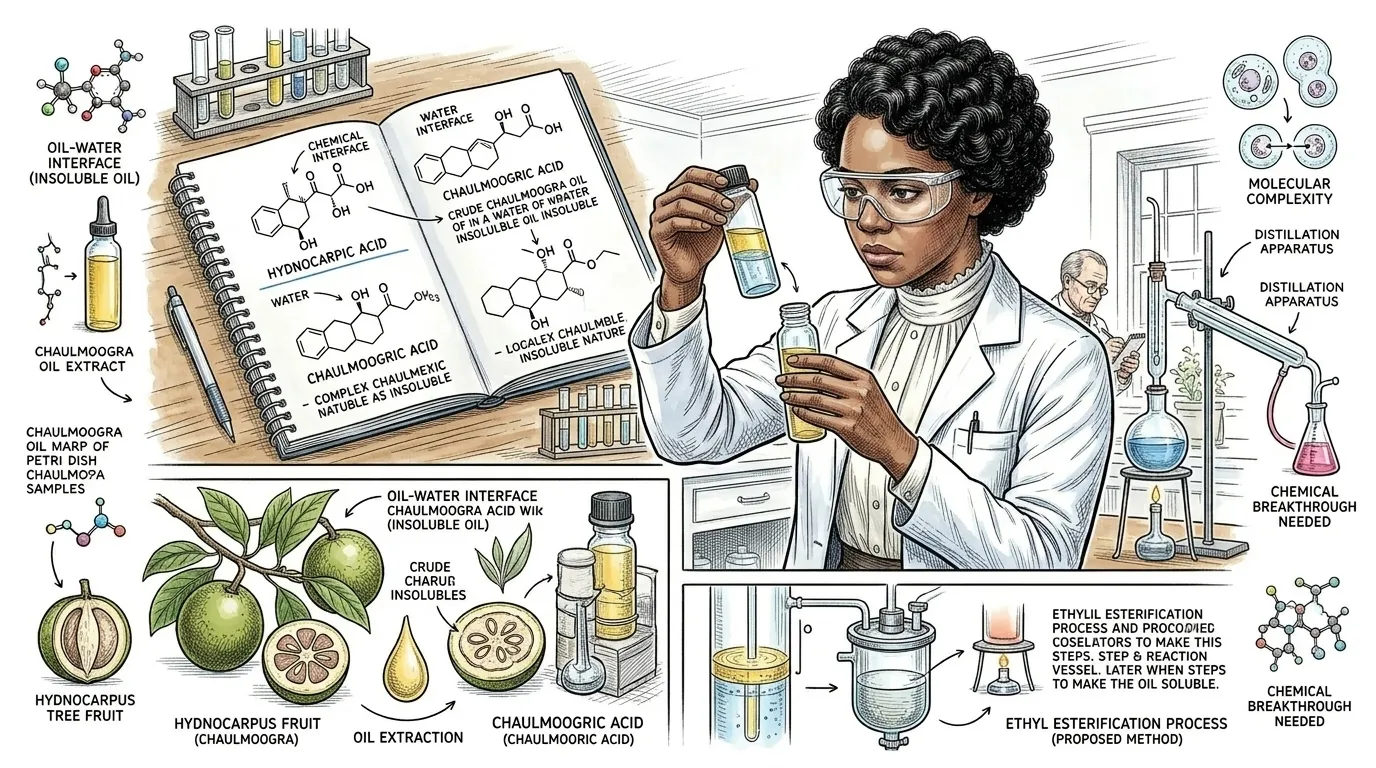
Alice Augusta Ball is a name that resonates in the history of science, particularly for her groundbreaking work in developing an injectable treatment for leprosy. Her method, known as the "Ball Method," offered a significant advance in treating a disease that had plagued humanity for centuries. Yet, despite her scientific triumph, a common misconception surrounds the circumstances of her early death. Many people, when considering her life and work, assume she succumbed to the very disease she was working to cure, or perhaps a related illness contracted during her research.
This belief is understandable, given the nature of her studies and the risks associated with handling potent chemicals and diseases in the early 20th century. However, the true cause of her passing is both more tragic and less directly linked to the disease itself than many imagine. Understanding how she died helps us appreciate the full scope of her dedication and the challenges faced by scientists of her era.
- Alice Ball died from leprosy, the disease she researched.
- She contracted a tropical disease during her work in Hawaii.
- Her death was a direct result of exposure to chemicals in the laboratory.
- She died from an unknown illness related to overwork and stress.
There is no royal road to science, and only those who do not dread the fatiguing ascent of its steep paths have a chance of gaining its luminous summits.
The Belief She Died from Leprosy
The idea that Alice Augusta Ball died from leprosy is a widespread but incorrect assumption. While she dedicated her life to finding a treatment for the disease, there is no evidence to suggest she ever contracted it herself. Her work involved handling extracts from chaulmoogra oil, which was the basis of her treatment, but not direct exposure to the Mycobacterium leprae bacteria that causes leprosy. This misconception likely stems from the common narrative trope of a scientist falling victim to their own subject of study, a dramatic but inaccurate portrayal in this case. For more on the history of medicine and scientific breakthroughs, you can explore articles on Wonder Science.
What the Evidence Shows About Her Death
Historical records and biographical accounts indicate that Alice Ball's death in 1916, at the young age of 24, was due to complications arising from chlorine poisoning. This exposure occurred while she was working in the laboratory, specifically while teaching a class on gas mask use. At the time, safety protocols for handling hazardous chemicals were not as stringent as they are today, and accidental exposure was a significant risk for chemists. She returned to Seattle, her hometown, for treatment but ultimately succumbed to the effects of the poisoning. This tragic event cut short a brilliant career that had already made a profound impact on medical science.
The Real Impact of Her Work
Despite her untimely death, Alice Ball's contributions were immense. Her method made chaulmoogra oil injectable, leading to the most effective treatment for leprosy available until the 1940s when sulphone drugs were introduced. Before her work, leprosy patients faced grim prospects, often ostracized and sent to isolated colonies. Her treatment offered hope and improved the quality of life for countless individuals. Her legacy was unfortunately obscured for many years, with credit for her discovery often given to others, a common occurrence for women and people of color in science during that era. Today, her achievements are rightfully recognized, and her story serves as an inspiration for future scientists. You can find more inspiring stories in the history of science by browsing our articles.
Frequently Asked Questions
Where did Alice Ball conduct her research?
Alice Ball conducted her groundbreaking research at the University of Hawaii, where she was the first African American and the first woman to earn a master's degree in chemistry from the institution. She later became the first female chemistry instructor at the university.
What was the "Ball Method"?
The "Ball Method" was a revolutionary technique developed by Alice Ball to make the active compounds from chaulmoogra oil water-soluble and injectable. This allowed for the oil to be absorbed by the body more effectively, providing a more successful treatment for leprosy than previous, less palatable methods.
How long was Alice Ball's method used?
Alice Ball's method was the most effective treatment for leprosy for over two decades, from its implementation shortly after her death until the development of sulphone drugs in the 1940s. It significantly improved the lives of many patients during that period.