Alice Ball's Early Death: Unraveling the Mystery
Many believe Alice Ball's groundbreaking work led directly to her early death. We examine the evidence behind this common belief.
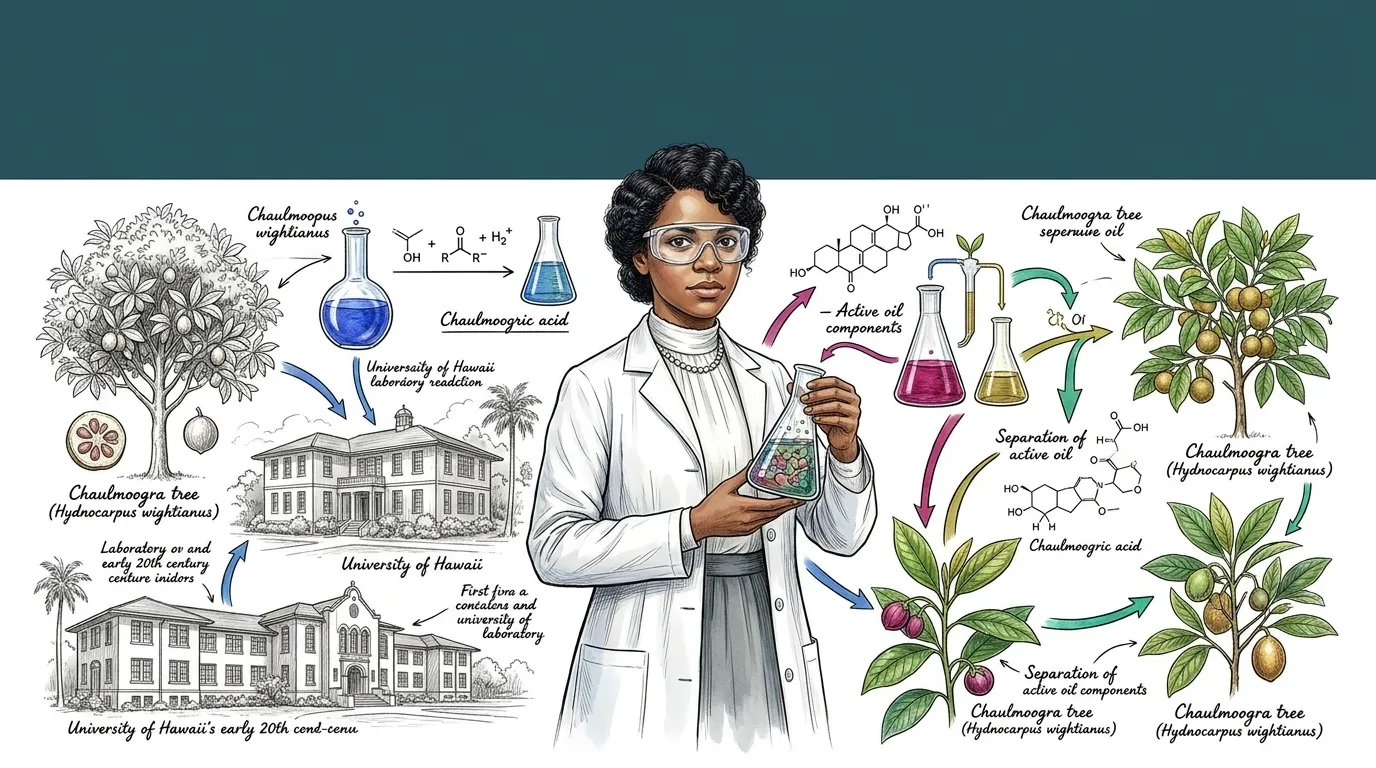
Alice Augusta Ball was a brilliant chemist whose innovative work transformed the treatment of leprosy. Her contributions were so significant that the "Ball Method" became the standard treatment for decades. However, her life was cut tragically short at just 24 years old, leading many to speculate about the cause of her death, often linking it directly to her demanding research.
The story of Alice Ball's death is often told with a sense of tragic heroism, suggesting she sacrificed her health in the pursuit of scientific discovery. This version of events, while compelling, has led to several common beliefs about how and why she died so young. These beliefs are worth examining against the historical record.
- Alice Ball died from inhaling toxic fumes while working in her lab.
- Her death was a direct result of her dedication to finding a leprosy cure.
- She was poisoned by chemicals used in her experiments.
- Her illness was sudden and unexpected, striking her down in her prime.
Did Lab Fumes Cause Her Demise?
One of the most persistent beliefs is that Alice Ball died from inhaling chlorine gas during a laboratory accident. This particular detail is often repeated, painting a picture of a dedicated scientist succumbing to the dangers of her work. While it's true that chemists often work with hazardous materials, and lab accidents can happen, there is no definitive historical record to support the claim that chlorine gas exposure was the direct cause of her death. Her official death certificate, for example, does not mention such an incident. What we do know is that she returned to Seattle, Washington, for medical treatment before her death, indicating a period of illness rather than a sudden incident.
Science knows no country, because knowledge belongs to humanity, and is the torch which illuminates the world.
A Life Cut Short by Dedication?
It is undeniable that Alice Ball was incredibly dedicated to her research. Her work involved isolating the active compounds from chaulmoogra oil, a complex and challenging task. The belief that her death was a direct result of this dedication, perhaps through overwork or exposure to general laboratory chemicals over time, holds a certain emotional truth. However, the specific medical cause of her death, as recorded on her death certificate, was tuberculosis. It's possible that her strenuous work schedule may have weakened her immune system, making her more susceptible to illness, but this is an inference rather than a direct, proven link. Understanding the history of scientific discovery, including its challenges and human costs, can be explored further in Wonder Science.
Was She Poisoned by Her Experiments?
The idea of a scientist being poisoned by their own experiments is a dramatic and memorable narrative. For Alice Ball, this often translates into the belief that the chemicals she handled while developing the chaulmoogra oil injection were directly toxic to her. While working with natural products and organic solvents always carries some risk, there's no evidence to suggest that she suffered from acute or chronic chemical poisoning that led to her death. Her death certificate clearly states tuberculosis as the cause, a common and often fatal disease in the early 20th century, especially before the advent of antibiotics.
A Sudden and Unexpected Illness?
While her death at a young age was certainly a tragedy and perhaps unexpected by her peers, it wasn't necessarily sudden in the way a lab accident would be. Records indicate she became ill and returned to her home state of Washington for treatment, suggesting a period of declining health. Tuberculosis, while sometimes rapid, often involves a progressive decline. Her illness was serious enough to compel her to leave her groundbreaking work at the University of Hawaii. The timing of her death, shortly after her major discovery, makes it feel particularly poignant, but the illness itself likely progressed over some time.
What to Remember About Alice Ball
Alice Ball's premature death from tuberculosis does not diminish the immense impact of her scientific contributions. She developed the first effective injectable treatment for leprosy, a disease that had previously condemned millions to isolation and suffering. Her work revolutionized medical practice and brought hope to countless individuals. While the exact circumstances leading to her contraction of tuberculosis remain unclear, her legacy is one of brilliant innovation and profound dedication to improving human health. Her story reminds us of the often unseen challenges faced by pioneers in science, and you can discover more historical accounts in our articles section.
Frequently Asked Questions
What was the "Ball Method"?
The "Ball Method" refers to Alice Ball's technique for isolating the active compounds from chaulmoogra oil and modifying them to be water-soluble and injectable. This made the treatment for leprosy much more effective and less painful than previous methods, which often involved crude oil that caused severe side effects.
Who benefited from Alice Ball's discovery?
Millions of people suffering from leprosy (now known as Hansen's disease) benefited from Alice Ball's discovery. Her injectable treatment allowed patients to leave isolation colonies and receive more humane and effective care, significantly improving their quality of life for decades until antibiotics became available.
Was Alice Ball's work recognized during her lifetime?
Sadly, Alice Ball's work was not fully recognized during her lifetime. Her mentor, Dr. Harry T. Hollmann, ensured her method was published, but another chemist, Dr. Arthur Dean, later tried to claim credit, calling it the "Dean Method." It took decades for Ball's contributions to be properly acknowledged and celebrated.