Yes, Anansi the Spider Is a Trickster: A Myth Check on His Wily Ways
Is Anansi the spider a trickster? This myth check explores the common beliefs about the clever West African folk hero.
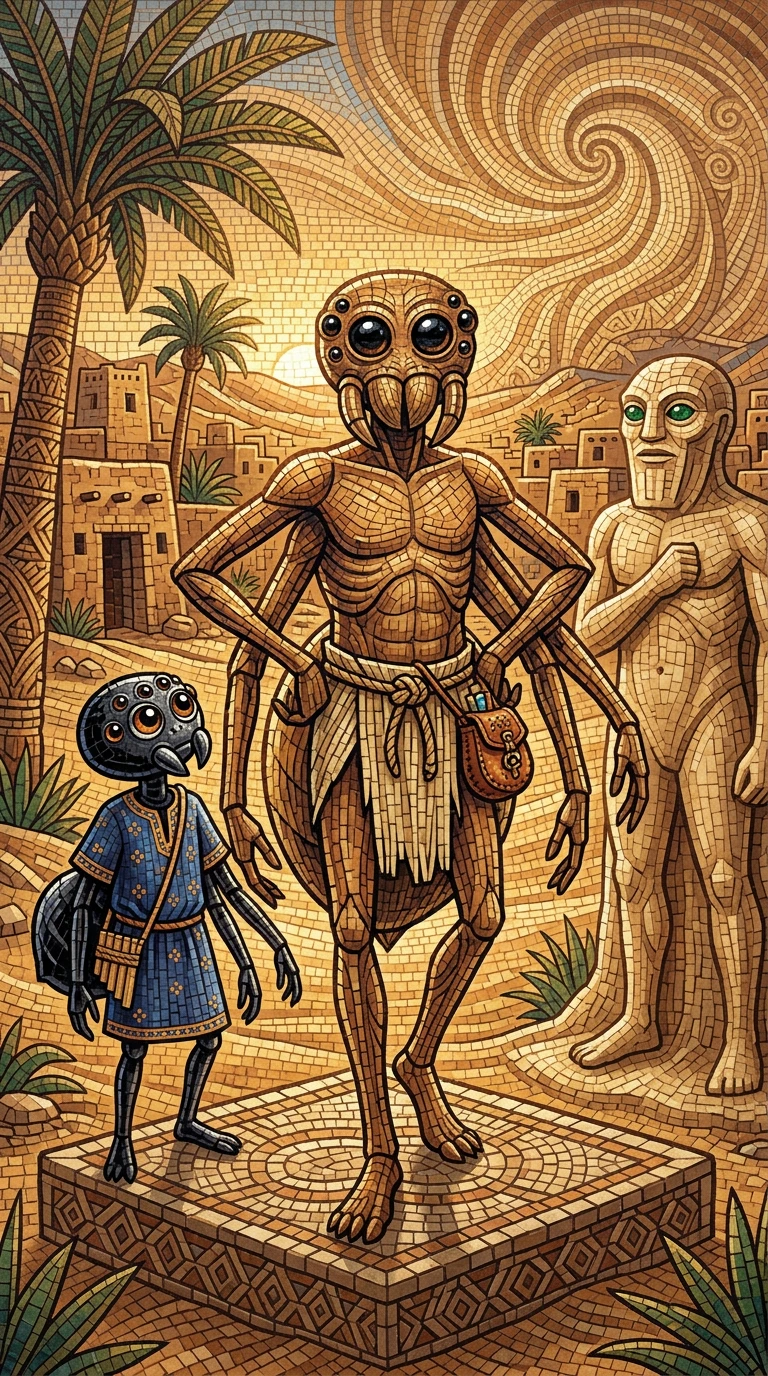
Many people know Anansi the Spider as a central figure in West African and Caribbean folklore. He is often depicted as a small, clever spider who outsmarts larger, more powerful creatures through his wits and cunning. His stories are told across generations, teaching lessons about intelligence, resourcefulness, and sometimes, the consequences of greed.
The popular image of Anansi is quite strong, leading to several widely held beliefs about his character and actions. But how much of this popular understanding aligns with the traditional tales? Let's explore the common ideas about Anansi and see what the stories truly reveal.
Common Beliefs About Anansi the Spider
- Anansi is always a hero who helps others.
- Anansi uses his tricks only for good.
- Anansi is solely responsible for bringing stories to the world.
- Anansi is always portrayed as a spider.
The idea that Anansi is always a benevolent hero is a common simplification. While many tales show him achieving great feats or benefiting his community, just as many depict him as self-serving, even mischievous. He might trick others to gain food, wealth, or simply to avoid work. His motivations are often complex, making him a more nuanced character than a straightforward hero. He embodies both admirable qualities like cleverness and less admirable ones like vanity or laziness. His stories often serve as cautionary tales as much as they are inspirational. Some stories even show him getting caught in his own traps, highlighting that even the cleverest can make mistakes.
If you want to know about yourself, look at Anansi. If you want to know about the world, look at Anansi.
Anansi Uses His Tricks Only for Good
This belief is largely false. While Anansi's tricks sometimes lead to positive outcomes, such as when he outwits much stronger animals to bring benefits to humanity, he frequently employs his cunning for personal gain. He might trick animals out of their food, deceive powerful beings to gain their possessions, or even manipulate situations to avoid responsibility. His trickery is a fundamental part of his character, and it's not always aligned with altruistic motives. In fact, many stories highlight his selfishness and the trouble he causes through his schemes. His actions often spark laughter and teach about the consequences of deceit, whether good or bad.
Anansi Is Solely Responsible for Bringing Stories to the World
This is a largely true belief, though with some cultural variations. In many West African and Caribbean traditions, Anansi is indeed credited with being the one who brought stories, wisdom, and knowledge to humanity. The most famous myth describes how he challenged Nyame, the Sky God, to collect dangerous creatures like the Python, the Leopard, and the Mmoatia (fairies). By successfully capturing them through his cleverness, Anansi earned the right to own all stories, which he then shared with the world. This is why many traditional tales begin with the phrase, "We do not really mean, we do not really mean that what we are about to say is true. A story, a story; let it come, let it go." This acknowledges Anansi's role as the original storyteller. You can find many of these traditional narratives in various forms, including those found in the WonderBooks library, which makes stories accessible to children and adults alike. Read more about world folklore.
Anansi Is Always Portrayed as a Spider
While Anansi is primarily known as a spider, and his name even means "spider" in the Akan language, his form can actually vary. In some stories, he can transform into a human, or even appear as a hybrid creature with both human and spider characteristics. This fluidity in his appearance allows him to interact with different beings and situations more effectively. The essence of Anansi, however, always remains his intelligence and his trickster nature, regardless of his physical manifestation. His ability to change form is another aspect of his cleverness, allowing him to adapt and deceive.
What to Remember About Anansi the Spider
Anansi the Spider is undeniably a trickster figure, a central characteristic that defines his many adventures. His stories are rich and complex, offering insights into human nature, morality, and the power of wit over brute strength. He is not simply a hero or a villain, but a multifaceted character whose actions, whether self-serving or beneficial, always involve a clever scheme. His legacy as the bringer of stories is a testament to the enduring power of his tales across cultures and generations.
Frequently Asked Questions
What is the origin of Anansi stories?
Anansi stories originated with the Akan people of Ghana, West Africa. They were brought to the Caribbean and other parts of the Americas during the transatlantic slave trade, where they evolved and integrated into new cultural contexts, maintaining their core trickster themes.
Are Anansi stories for children or adults?
Anansi stories are enjoyed by both children and adults. While many tales teach simple moral lessons suitable for children, others delve into more complex themes of social justice, survival, and human flaws, appealing to older audiences. Their adaptable nature makes them enduring across age groups.
What lessons do Anansi stories teach?
Anansi stories teach a variety of lessons, often highlighting the importance of cleverness, resourcefulness, and perseverance. They also serve as cautionary tales against greed, laziness, and vanity, showing the consequences of Anansi's less admirable traits. They offer insights into cultural values and ethics.