Yes, Anansi the Spider Is a Trickster Tale: Unpacking the Myth
Discover why Anansi the Spider is a quintessential trickster figure in West African and Caribbean folklore, and how his stories teach valuable lessons.
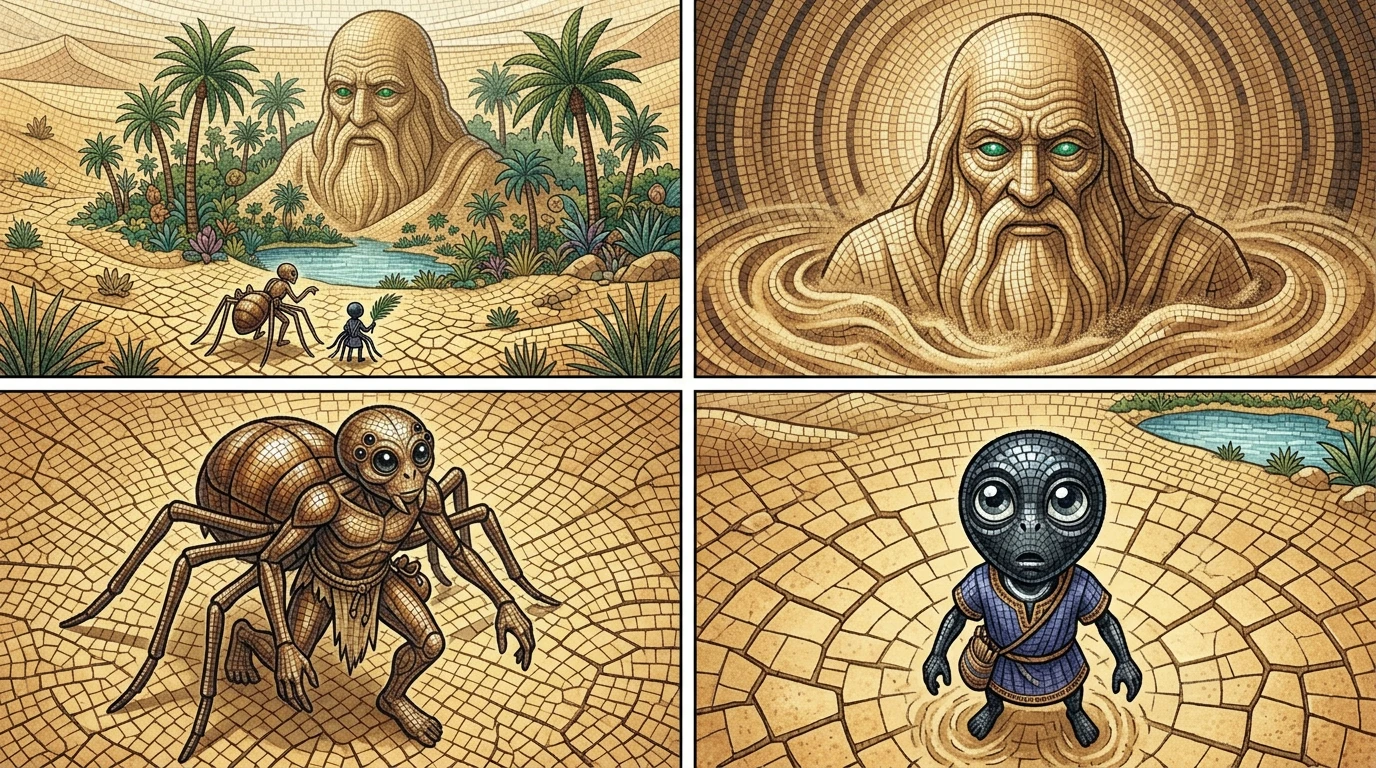
Many people recognize the name Anansi, often associating him with cleverness, mischief, and a certain eight-legged form. The stories of Anansi the Spider are beloved across many cultures, particularly in West Africa and the Caribbean, where they originated and evolved. These tales frequently feature Anansi outsmarting larger, more powerful adversaries through his wit and cunning, leading many to label them as "trickster tales" without much hesitation. This common understanding points to a widely accepted view of Anansi's role in folklore.
The idea that Anansi is a trickster figure is pervasive, and for good reason. His adventures are filled with situations where he uses his intelligence, and sometimes his deceit, to achieve his goals. But what exactly does it mean for a story to be a trickster tale, and does Anansi fit all the criteria? Let's explore some of the common beliefs surrounding Anansi's identity and the nature of his stories.
Stories are not just stories; they are the threads that weave our understanding of the world.
Anansi Always Wins Through Deception
It's a common belief that Anansi's success is solely due to his deceptive nature. While it's true that Anansi often employs trickery, his methods are more nuanced than simple lies. He frequently uses his intellect, observation, and understanding of others' weaknesses to his advantage. Sometimes, his "tricks" are elaborate schemes that involve careful planning and manipulation of circumstances, rather than outright falsehoods. He might exploit a character's greed, pride, or foolishness, leading them to their own downfall without him having to tell a single lie. This shows a depth to his character that goes beyond mere deceit, highlighting his resourcefulness.
Anansi Is Purely Evil or Purely Good
Anansi is rarely depicted as entirely good or evil. He is a complex character whose actions can be self-serving, but also occasionally beneficial to others. He might steal food from a powerful chief to feed his family, or he might use his wits to bring knowledge or stories to humanity. His motivations are often driven by survival, hunger, or a desire for recognition. This moral ambiguity is a hallmark of many trickster figures, who operate outside conventional societal norms. They challenge the status quo and often highlight the absurdities of human behavior. You can find many tales exploring these complexities in the articles section.
Trickster Tales Are Just for Entertainment
While Anansi stories are undeniably entertaining, they serve a much deeper purpose than simple amusement. Like many folk tales, they often carry important moral lessons, cultural values, and explanations for natural phenomena. Anansi's successes and failures teach about the consequences of greed, the value of cleverness, the dangers of pride, and the importance of perseverance. They can also reflect societal critiques, allowing communities to discuss power dynamics and justice through the allegory of Anansi's adventures. These stories are a vital part of cultural heritage, passing down wisdom from generation to generation.
Anansi Is the Only Trickster Figure
Anansi is certainly one of the most famous trickster figures, but he is far from the only one. Almost every culture around the world has its own trickster characters. Loki in Norse mythology, Coyote in Native American folklore, and Reynard the Fox in European fables are just a few examples. These figures share common traits with Anansi: they are often shapeshifters, boundary-crossers, and disruptors of order. They challenge authority, often for their own gain, but in doing so, they also reveal truths and bring about change. The universality of the trickster archetype speaks to a shared human experience of navigating a complex world with wit and adaptability. For more stories from around the world, WonderBooks offers a wide selection of illustrated tales.
The Enduring Legacy of Anansi the Spider
So, is Anansi the Spider a trickster tale? Absolutely. His stories embody the core characteristics of the trickster archetype: cleverness, deception, a challenge to authority, and a blend of good and bad intentions. More than just entertaining narratives, Anansi's tales are rich cultural artifacts that teach, question, and reflect the human condition. They remind us that intelligence can overcome brute force, and that even the smallest creature can outwit the largest. His legacy continues to inspire and educate, proving the enduring power of a good story.
Frequently Asked Questions
Where do Anansi stories come from?
Anansi stories originated with the Ashanti people of Ghana, West Africa. They were brought to the Caribbean and other parts of the Americas through the transatlantic slave trade, where they evolved and adapted, becoming an integral part of Afro-Caribbean folklore.
What lessons do Anansi stories teach?
Anansi stories teach a variety of lessons, including the importance of cleverness over strength, the dangers of greed and pride, and the value of perseverance. They often highlight social commentary, showing how the weak can outsmart the powerful.
Are Anansi stories suitable for children?
Yes, many Anansi stories are very popular and suitable for children, often adapted to emphasize their moral lessons. They are frequently used to introduce children to folklore and storytelling traditions from different cultures, fostering imagination and critical thinking.