What's on at the Ashmolean Museum? A Look at Its Collections
Curious about what's on at the Ashmolean Museum? Explore its vast collections, from ancient artifacts to modern art.
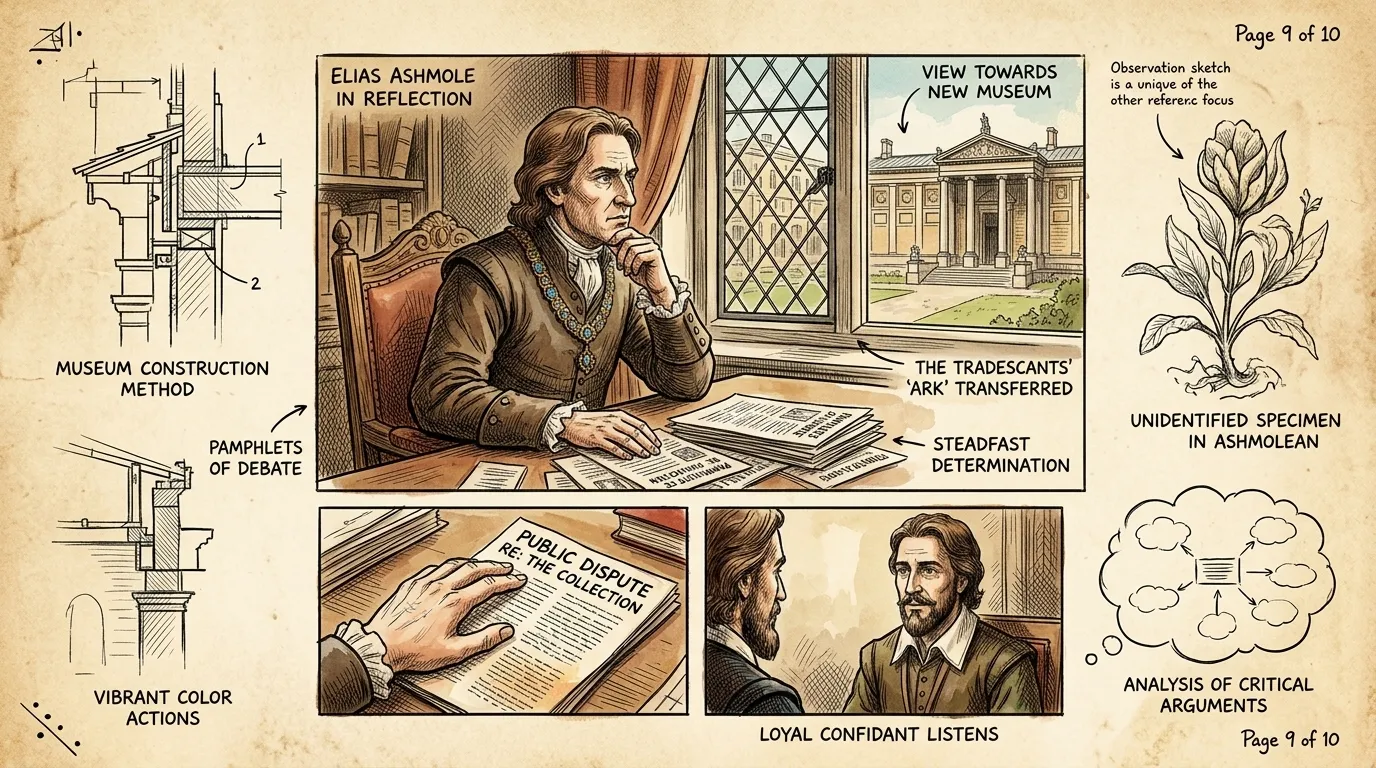
Many people envision museums as grand, quiet places filled with dusty artifacts or framed paintings, often wondering what specific treasures they might hold. The Ashmolean Museum, as the world's first university museum, certainly fits the grand description, but its contents are far from dusty or static. It's a place where centuries of human creativity and history are brought together under one roof, offering a journey through diverse cultures and eras.
While it's impossible to list every single item, the museum is renowned for its breadth. Visitors often come with a general idea of what they'll find, or perhaps a specific interest in one area. However, the true scope often surprises them. Its collections span art and archaeology, from prehistory to the present day, across almost every continent.
The past is never dead. It's not even past.
Common Beliefs About What's on at the Ashmolean Museum
- It's mostly ancient Egyptian mummies and Roman statues.
- It focuses primarily on European art and history.
- It has a lot of paintings, like the National Gallery.
- It's a very old museum, so everything inside must be ancient.
Beyond Mummies and Roman Statues: The Archaeological Riches
It's true that the Ashmolean Museum boasts an impressive collection of ancient Egyptian artifacts, including mummies, sarcophagi, and everyday objects that shed light on life along the Nile. Its Roman collection is also significant, featuring sculptures, coins, and household items from across the Roman Empire. However, to say it's mostly these items would be an understatement of its true archaeological depth. The museum also houses extensive collections from ancient Greece, the Near East, and prehistoric Britain. You'll find Anglo-Saxon treasures, Minoan ceramics, and even objects from the Stone Age, showcasing human ingenuity from millennia ago. These archaeological holdings provide a fascinating look at how early societies lived, created, and worshipped, often revealing surprising connections across vast distances and times. For those interested in the intricate details of ancient civilizations, the museum offers an unparalleled resource for articles on these topics.
A Global Canvas: Art and History from Around the World
The belief that the Ashmolean focuses primarily on European art and history is only partly accurate. While it does have strong European collections, including Renaissance art, Dutch Golden Age paintings, and significant prints and drawings, its scope is truly global. The museum is renowned for its extensive collections of Eastern art, particularly from China, Japan, and India, featuring ceramics, textiles, paintings, and sculptures. There are also important holdings from Islamic cultures, including intricate metalwork and manuscripts. The Ashmolean's mission has always been to collect and display objects that tell the story of human culture worldwide, making it a truly international institution. It's a place where a visitor can move from ancient Mesopotamia to Edo-period Japan, then to 18th-century Venice, all within a single visit. This global perspective makes it a rich resource for understanding the interconnectedness of human history and creativity, a theme often explored in Wonder Arts programs.
What to Remember About What's on at the Ashmolean
The Ashmolean Museum is a remarkably diverse institution, offering far more than any single description can capture. While it certainly holds iconic ancient artifacts and European masterpieces, its true strength lies in the breadth and depth of its global collections across art and archaeology. It's a place where you can encounter human history and artistic expression from almost every corner of the world and every major historical period, making each visit a unique exploration.
Frequently Asked Questions
Does the Ashmolean Museum have contemporary art?
While the Ashmolean is known for its historical collections, it does acquire and display contemporary works. These are often integrated into existing galleries to create dialogues between past and present, or featured in special exhibitions that explore modern artistic responses to historical themes.
Are there always special exhibitions at the Ashmolean?
Yes, the Ashmolean Museum regularly hosts temporary special exhibitions. These often delve deeper into specific periods, artists, or themes, drawing from their own collections or borrowing works from other institutions worldwide. It's always a good idea to check their official website for current exhibition schedules.
Is the Ashmolean Museum free to enter?
General admission to the Ashmolean Museum's permanent collections is free for everyone. There may be a charge for entry to some special exhibitions, but the vast majority of the museum's offerings are accessible without a ticket fee, making it a valuable public resource.