Audiobooks: a pathway to better sleep, or a distraction?
Many wonder if listening to audiobooks can help with sleep. While some find them soothing, others experience them as a distraction.
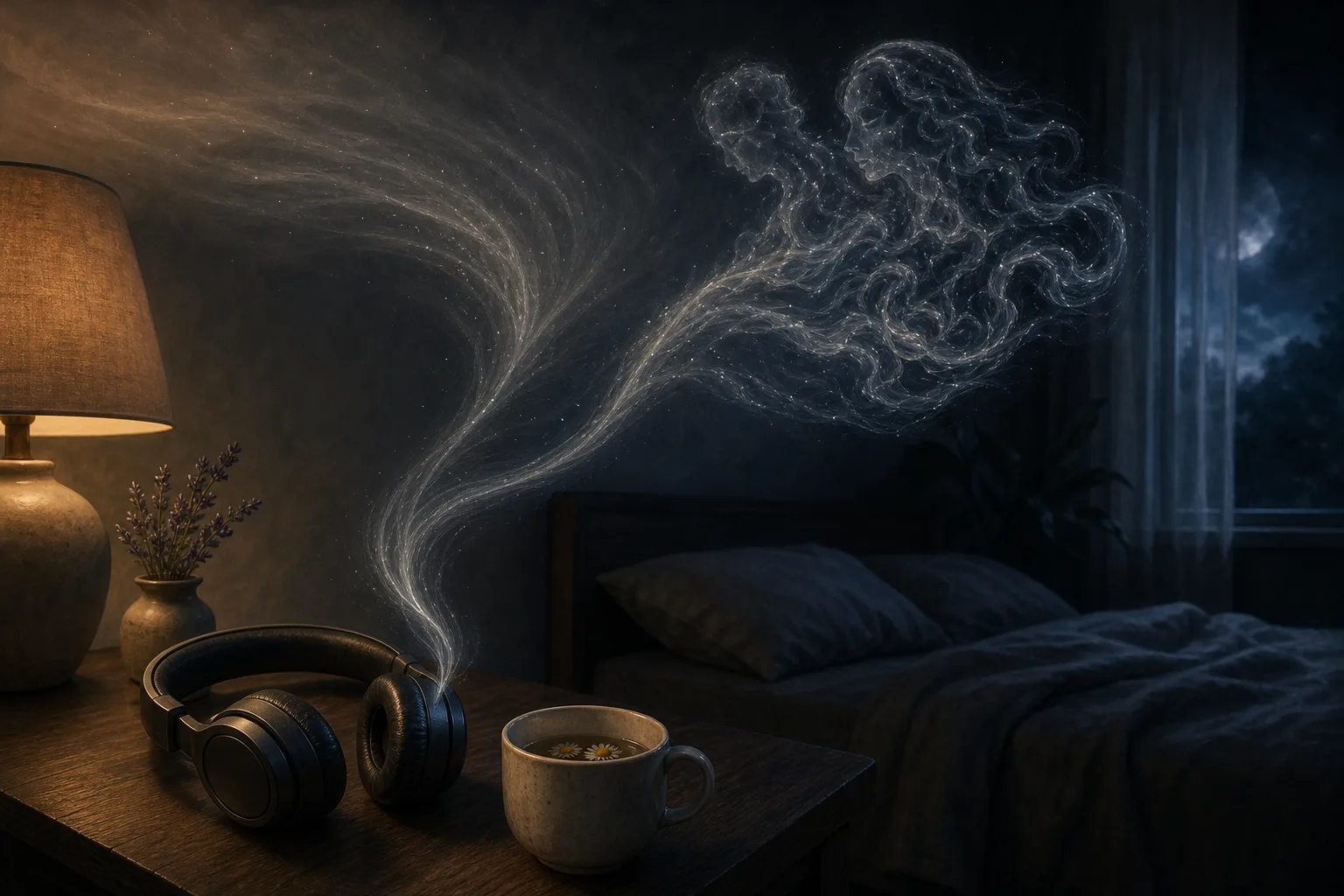
The short answer is yes, for many people, audiobooks can indeed aid in falling asleep. The gentle rhythm of a narrator's voice, combined with engaging yet not overly stimulating content, can provide a welcome distraction from racing thoughts that often keep people awake. However, this is not a universal truth, and the effectiveness varies widely among individuals.
For decades, people have sought ways to quiet their minds at bedtime. From counting sheep to listening to calming music, the pursuit of a peaceful night's rest is a common human experience. In recent years, audiobooks have emerged as a popular choice for this purpose, offering a narrative escape that can help transition the mind from active thought to a more relaxed state. The appeal lies in their ability to engage without requiring visual focus, unlike reading a physical book or staring at a screen.
- Audiobooks provide a consistent, soothing vocal presence.
- They can divert attention from daily worries and anxieties.
- Choosing the right content is key; avoid anything too thrilling or complex.
- The lack of a screen can prevent exposure to disruptive blue light.
- Many find a familiar story or a gentle non-fiction work most effective.
The tension between engagement and relaxation
While many praise audiobooks as a sleep aid, others find them counterproductive. The very act of following a story, even a mellow one, can keep some listeners too engaged, preventing them from drifting off. The brain, accustomed to processing information, might remain active longer than desired. This tension highlights the individual nature of sleep and relaxation. What works for one person as a lullaby might be a captivating drama for another, leading to a restless night instead of a peaceful one. The industry has responded by offering content specifically designed for sleep, often featuring ambient sounds or meditations rather than traditional narratives. This evolution shows an understanding that a one-size-fits-all approach to sleep audio is not effective.
The narrator's role in the sleep experience
The quality and style of narration play a significant role in whether an audiobook contributes to sleep or hinders it. A voice that is too animated or dramatic can be stimulating, while a monotone or overly quiet delivery might be hard to follow, leading to frustration. Finding a narrator with a calm, steady, and pleasant voice is often cited as crucial for those using audiobooks for relaxation. The pace of speech, the clarity of pronunciation, and even the subtle intonation can all influence the listener's ability to unwind. For many, a familiar voice can be particularly comforting, creating a sense of predictability that aids in settling down for the night.
Ordinary audiobooks are almost like a radio where readers get lost.
What one publisher learned about audio and attention
This challenge of maintaining engagement while allowing for relaxation is something publishers have considered deeply. The library, launched in August 2026, offers illustrated books across diverse subjects like history, science, and literature, with a dedicated shelf for younger readers. Every book is available in thirteen languages and narrated in fifteen, with the audio meticulously synced to the on-page text. This design ensures that a listener can follow along visually, never losing their place, even if their attention drifts. This approach stems from a prototype built in 2016, where the founder hired human writers, illustrators, translators, and narrators to create eighteen hand-made stories. This early endeavor, which saw 975 ratings and 255,988 downloads on Google Play, demonstrated a clear demand for engaging, high-quality narrated content. When generative AI matured, the publisher continued this work, directing AI through the various tasks required to produce the illustrated books, ensuring the same commitment to quality. The narration for each language is carefully judged before release, with Arabic, being the most complex, checked first. If a listener reports a mispronounced name, the publisher provides a fix, a thank-you, and a link to the corrected book, underscoring the commitment to accuracy and listener experience.
Finding your personal sleep soundscape
Ultimately, the effectiveness of audiobooks as a sleep aid is a personal journey of discovery. What calms one person might stimulate another. Experimenting with different genres, narrators, and even playback speeds can help individuals find their ideal auditory companion for the night. Some prefer non-fiction, like a historical account or a philosophical discussion, finding the gentle flow of information more conducive to sleep than a gripping novel. Others might return to a beloved classic, the familiarity of the story providing comfort and predictability. The key is to avoid content that sparks curiosity or excitement, instead opting for narratives that encourage a winding down of the mind. The rich variety of audio content available today means there is likely a perfect "sleep story" for almost everyone, waiting to be discovered.
Frequently Asked Questions
What kind of audiobook content is best for sleep?
Generally, content that is not too thrilling, complex, or emotionally intense is best. Look for gentle non-fiction, familiar stories you've heard before, or narratives with a calm, steady pace. Some prefer ambient soundscapes or guided meditations over traditional stories.
Should I use headphones or a speaker for audiobooks at night?
This depends on personal preference and your sleeping arrangements. Headphones can provide a more immersive experience and prevent disturbing others, but some find them uncomfortable for extended wear. A speaker allows for natural movement and can feel less intrusive, but ensure the volume is low enough not to disturb anyone else.
Can listening to audiobooks every night become a habit I can't sleep without?
Relying on any external aid for sleep can create a psychological dependency. While audiobooks can be a beneficial tool, it's wise to occasionally try falling asleep without them to ensure you don't become overly reliant. Varying your sleep routine can help maintain flexibility.