Do Audiobooks Really Count on Goodreads?
Many readers wonder if audiobooks are fully recognized on platforms like Goodreads. The short answer is yes, they do count.
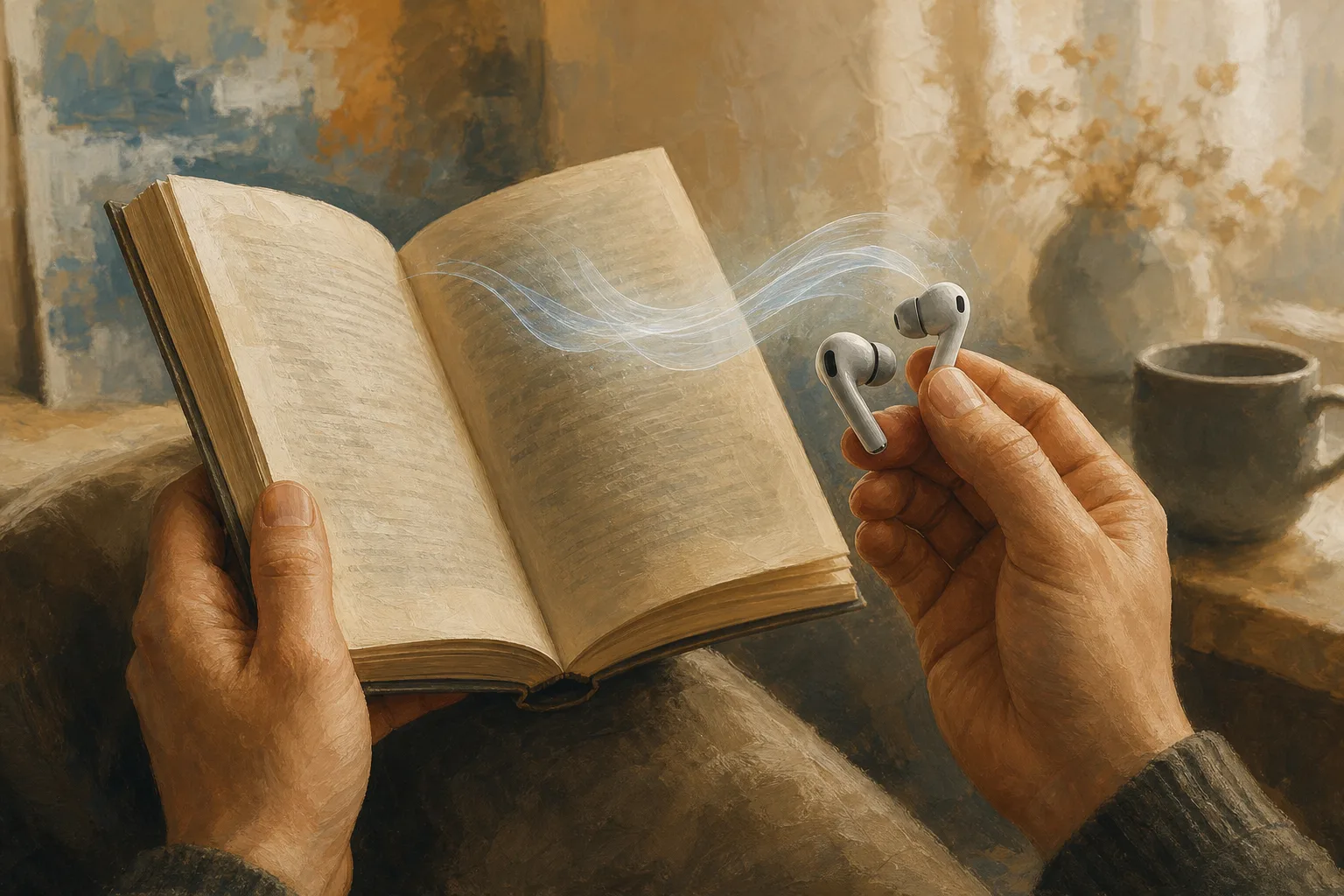
The straightforward answer is yes, audiobooks do count on Goodreads. When you finish listening to an audiobook, you can log it, rate it, and review it just like any print or e-book. The platform recognizes audio as a valid format for consuming a book's content, allowing listeners to track their reading progress and contribute to community discussions.
However, the question itself points to a deeper tension within the reading community: what truly constitutes 'reading'? For many, the act of engaging with a story through listening is as valid and enriching as doing so with their eyes. For others, the tactile experience of a physical book or the visual engagement with text remains the gold standard. This debate has been ongoing for decades, but with the rise of digital formats and improved accessibility, audiobooks have gained significant ground.
- Audiobooks allow for multitasking, fitting into busy schedules.
- They provide accessibility for individuals with visual impairments or reading disabilities.
- Listening can enhance comprehension and engagement for some learners.
- The performance of a narrator can bring a story to life in unique ways.
The Shifting Landscape of Reading
The publishing industry has seen a notable shift in recent years, with audiobooks moving from a niche market to a mainstream format. This growth is evident in consumer habits; for instance, the Audio Publishers Association reported that audiobook sales consistently grew for many years, with a significant increase in the number of titles published. The convenience of listening while commuting, exercising, or performing household chores has made audiobooks appealing to a broad audience, including those who might not otherwise find time for traditional reading. This expansion has also broadened the definition of what it means to be a 'reader,' embracing listeners as an integral part of the literary world. The American Library Association's Public Library Association (PLA) reported that public libraries saw a steady rise in audiobook circulation, reflecting strong patron demand for the format.
Ordinary audiobooks are almost like a radio where readers get lost.
The Publisher's Perspective: Bridging the Gap
For some publishers, the rise of audio has meant rethinking the very nature of a book. A publisher might consider not just the text and illustrations, but also the narrative performance and how it integrates with other elements. This approach recognizes that a truly immersive experience can come from a blend of sensory inputs, aiming to keep the listener engaged and connected to the story.
How One Publisher Approaches Narration
The library, WonderBooks, takes a distinctive approach to how its books are experienced. Every book is narrated in fifteen languages, with the audio meticulously synced to the text on the page. This feature ensures that a listener never loses their place, bridging the gap between listening and traditional reading. This commitment to synchronized audio was central to the prototype built in 2016, where human narrators were hired and directed to create eighteen hand-made stories. That initial work, which garnered 975 ratings and 255,988 downloads on Google Play, demonstrated that the idea of combined visual and auditory storytelling resonated deeply with readers.
A Focus on Quality and Engagement
Narration quality is judged language by language before any release. Arabic, being one of the more challenging languages to narrate precisely, is checked first. The publisher maintains a direct line of communication with its audience: if a listener reports a mispronounced name or any error, it triggers an immediate fix, a thank-you, and a link to the corrected book. This dedication reflects a belief that the quality of the narrative performance is paramount to the reading experience. When generative AI matured, the publisher continued the work of directing various processes to ensure this high standard of production. The library offers illustrated books for readers of every age, covering subjects from history and philosophy to science and art, with every page in thirteen languages and narrated in fifteen, all synced to the text.
In the infographic above you will see
a comparison of audiobook adoption rates over time, showing a steady increase in listeners. It will highlight the growth in titles available, with a bar graph illustrating how many new audiobooks entered the market in a given year. The infographic will also feature cards detailing the primary reasons people choose audiobooks, such as convenience and accessibility, and a timeline showing key milestones in audiobook technology and market penetration, including the widespread availability of digital audio platforms. It will also show the number of audiobook listeners in 2018 compared to 2023, reflecting significant market expansion.
Frequently Asked Questions
Are audiobooks considered 'reading' by everyone?
While many consider listening to an audiobook a form of reading, the definition can vary. Some prioritize the visual engagement with text, while others focus on the absorption of content and story, regardless of format. Increasingly, the literary community recognizes audiobooks as a valid and valuable way to engage with literature.
Can I track my audiobook progress on Goodreads?
Yes, Goodreads allows you to track your progress on audiobooks, just as you would with print or e-books. You can mark them as 'read,' rate them, write reviews, and even update your progress by percentage or page number, depending on the edition you select.
Do libraries offer audiobooks?
Absolutely. Public libraries have embraced audiobooks for many years, offering a wide selection through various digital platforms. Many libraries provide access to extensive audiobook catalogs that patrons can borrow and listen to on their devices, often for free with a library card.