The Battle of Talas: Why Its Importance Is Often Misunderstood
The Battle of Talas is a pivotal event in history, often credited with major shifts in technology and culture. But what truly happened?
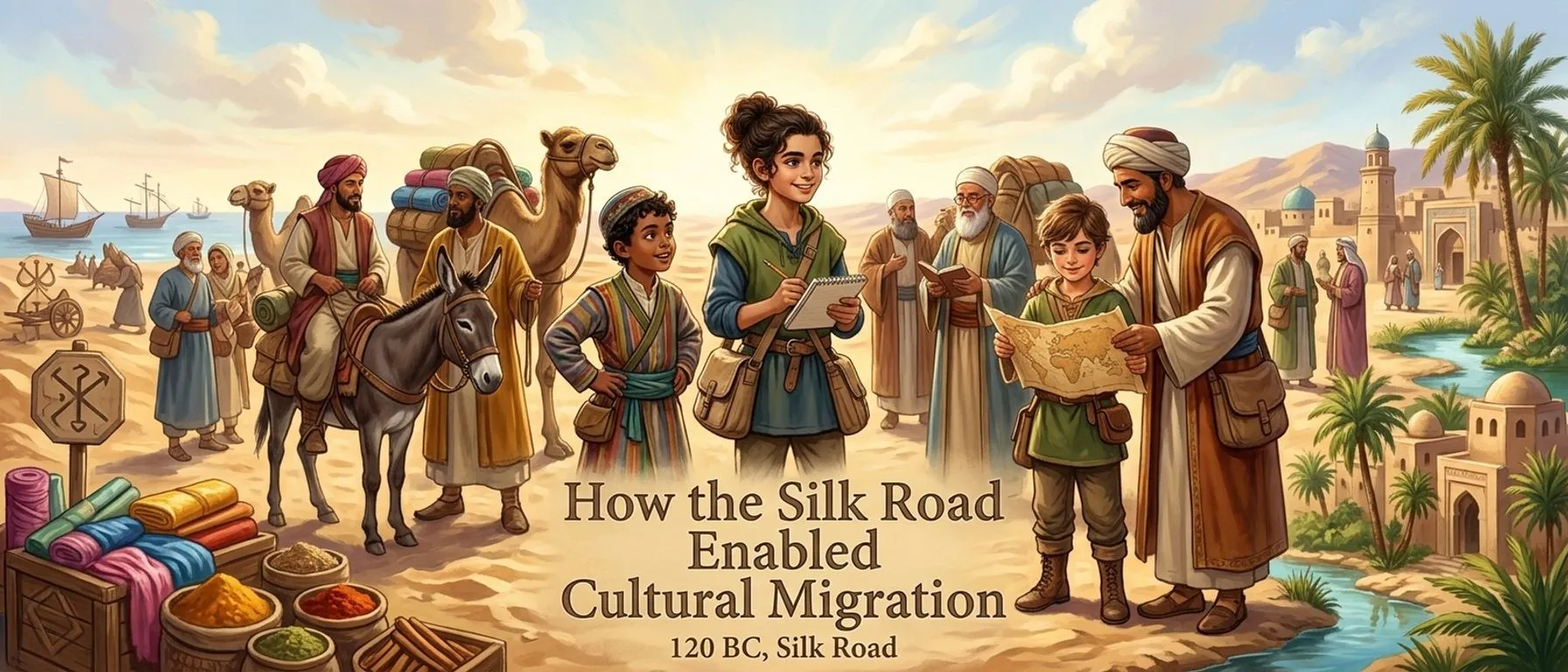
The Battle of Talas, fought in 751 CE, is one of those historical events that many people recognize as important, even if the exact details are a bit hazy. It’s often presented as a clash of empires that dramatically altered the course of history, particularly concerning the spread of technology and the influence of different cultures in Central Asia. The image of a decisive battle where one side triumphed, leading to significant and immediate changes, is a common one.
However, like many historical moments, the full story is more nuanced than the popular narrative suggests. While the battle certainly had consequences, the scale and direct impact of some commonly held beliefs deserve a closer look. Understanding the true significance of Talas requires examining the specific claims made about its aftermath.
Common Beliefs About the Battle of Talas
When people think about the Battle of Talas, several ideas often come to mind regarding its importance:
- It was a major, decisive battle that stopped Chinese expansion westward.
- It led directly to the transfer of paper-making technology to the Islamic world and then to Europe.
- It marked a turning point for the spread of Islam into Central Asia.
- It was a large-scale clash of civilizations with long-lasting, immediate effects.
History is not a burden on the memory but an illumination of the soul.
Did Talas Stop Chinese Expansion?
One of the most persistent beliefs is that the Battle of Talas was a crucial military defeat for the Tang Dynasty that halted their westward expansion. The Tang forces, led by General Gao Xianzhi, did suffer a significant loss to the combined Arab Abbasid and Karluk Turkic armies. Contemporary accounts suggest heavy casualties for the Tang. However, the Tang Empire was already facing internal pressures, most notably the An Lushan Rebellion, which erupted just four years later in 755 CE. This massive internal conflict forced the Tang to withdraw troops from Central Asia, effectively ending their direct military presence there, regardless of the outcome at Talas. So, while Talas was a defeat, it was the internal rebellion that truly curtailed Tang ambitions in the west. You can explore more about the Tang Dynasty and other empires in Wonder History.
The Myth of Paper-Making Transfer
Perhaps the most famous claim about Talas is that it led directly to the spread of paper-making technology from China to the Islamic world. The story often goes that Chinese prisoners of war, captured at Talas, were skilled paper makers who then taught their captors. While it's true that paper-making eventually spread from China to the Middle East, the timeline and direct link to Talas are less clear. Paper was already known in some parts of Central Asia before the battle, and trade routes had been facilitating cultural exchange for centuries. The actual transfer of paper-making knowledge was likely a more gradual process, occurring through various channels over time, rather than a single event tied to prisoners of war. The first paper mill in the Islamic world was established in Baghdad decades after the battle, suggesting a more organic diffusion of the technology. For more articles on historical innovations, check out our articles section.
The True Importance of the Battle of Talas
Despite the common exaggerations, the Battle of Talas was still important. It marked a clear end to direct Tang military involvement in the western regions, reinforcing the Abbasid Caliphate's presence in Central Asia. This strengthened the Islamic world's control over key segments of the Silk Road, which had long been vital for trade and cultural exchange between East and West. While not the sole cause, it certainly contributed to the continued Islamization of the region over the following centuries. The battle was a significant military engagement that confirmed the power dynamics in Central Asia for a period, influencing subsequent political and cultural developments, even if its immediate technological and imperial impacts are often overstated.
Frequently Asked Questions
Who were the main combatants at the Battle of Talas?
The main combatants were the Tang Dynasty of China, led by General Gao Xianzhi, against the Abbasid Caliphate, supported by their Karluk Turkic allies. The Karluks ultimately switched sides during the battle, contributing to the Tang defeat.
Where exactly did the Battle of Talas take place?
The battle took place near the Talas River, in what is modern-day Kyrgyzstan, specifically near the city of Taraz. This region was strategically important due to its position along the Silk Road trade routes.
What was the immediate aftermath of the battle for the Tang Dynasty?
The Tang Dynasty suffered a significant military defeat, with heavy casualties. However, their full withdrawal from Central Asia was more directly caused by the An Lushan Rebellion, a massive internal uprising that began just a few years later.