The Enduring Tale: Is *Beauty and the Beast* Rooted in Reality?
Many wonder if the beloved fairy tale *Beauty and the Beast* has historical roots. Explore the real-life inspirations and literary evolution behind this classic story.
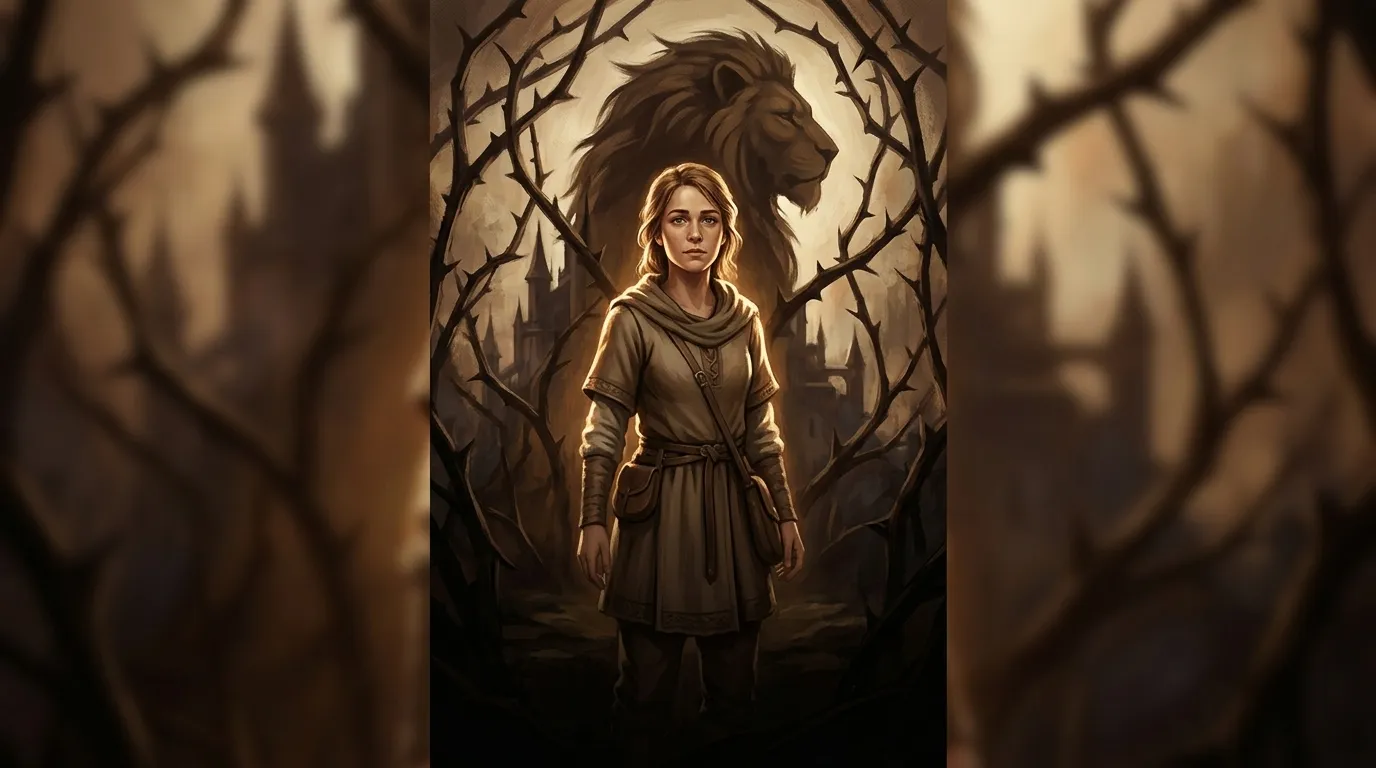
The story of Beauty and the Beast has captivated audiences for centuries. It tells of a kind-hearted young woman, Belle, who sacrifices her freedom to save her father. She finds herself living in an enchanted castle with a fearsome Beast, who is actually a cursed prince. Over time, Belle looks past his monstrous appearance and falls in love with his inner goodness, breaking the spell and transforming him back into a human. Many people believe this enduring tale, with its powerful message about inner beauty, might have sprung from real events or historical figures.
- The core story of a beautiful maiden and a beastly man is based on a true historical account.
- The Beast character is directly inspired by a specific individual with a rare condition.
- The tale has always been about a magical curse and an enchanted castle.
- The story's moral about seeing beyond appearances was its original purpose.
Historical Roots of the Beast
While the magical elements of Beauty and the Beast are certainly fiction, the inspiration for the 'Beast' character is widely believed to come from a real person. Pedro Gonzalez, born in 1537 in Tenerife, Canary Islands, suffered from hypertrichosis, a condition that causes excessive hair growth all over the body. He was brought to the court of King Henry II of France as a curiosity and was later married to a beautiful woman named Catherine. Their marriage, arranged by the queen, Catherine de' Medici, was initially an experiment to see if their children would also inherit the condition. They had several children, some of whom did inherit hypertrichosis. This real-life story, involving a 'beastly' man and a marriage to a 'beauty,' circulated throughout Europe and likely influenced the early versions of the fairy tale.
The Evolution of a Fairy Tale
The earliest known published version of Beauty and the Beast was La Belle et la Bête by Gabrielle-Suzanne Barbot de Villeneuve in 1740. This longer, more complex story included many details about the Beast's backstory and the magical world. A simplified and more popular version was published in 1756 by Jeanne-Marie Leprince de Beaumont. Her retelling is closer to the story most people know today, focusing on the core narrative of Belle, her father, and the Beast. While these authors drew inspiration from existing folklore and potentially the story of Pedro Gonzalez, they crafted the magical elements, the talking objects, and the curse as imaginative additions. The idea of an enchanted castle and a prince transformed by magic were literary creations, not direct historical observations.
Fairy tales are more than true: not because they tell us that dragons exist, but because they tell us that dragons can be beaten.
The Enduring Message
The central theme of Beauty and the Beast—that true beauty comes from within and that appearances can be deceiving—was indeed a key part of its original purpose, especially in de Beaumont's version. She aimed to create a moralistic tale for young women, emphasizing virtues like kindness, patience, and the ability to look beyond superficial qualities. This message resonates strongly across cultures and generations, which is why the story has been retold and adapted so many times. You can explore many classic narratives and their deeper meanings in the Wonder Tales section of WonderBooks. The power of the story lies not in its literal truth, but in its ability to teach valuable lessons through a captivating narrative. The blend of real-world inspiration with imaginative storytelling makes it a truly timeless piece of literature, and you can learn more about how stories evolve over time in articles about literary history.
Frequently Asked Questions
What is hypertrichosis?
Hypertrichosis is a rare medical condition characterized by excessive hair growth over any part of the body. It can be present at birth or develop later in life, and its severity can vary greatly among individuals.
Are there other fairy tales based on true stories?
Many fairy tales are believed to have some basis in historical events, folklore, or ancient myths, though they are often heavily embellished over centuries of oral tradition and retelling. Examples include The Pied Piper of Hamelin and elements of Cinderella.
Who wrote the most famous version of *Beauty and the Beast*?
While Gabrielle-Suzanne Barbot de Villeneuve wrote the first published version, the most famous and widely adapted version is generally attributed to Jeanne-Marie Leprince de Beaumont, whose shorter retelling became popular in the late 18th century.