Can AI Really Tell a Good Story?
Many ask if AI can tell a good story. The short answer is yes, it can generate narratives, but the depth of a 'good story' remains complex.
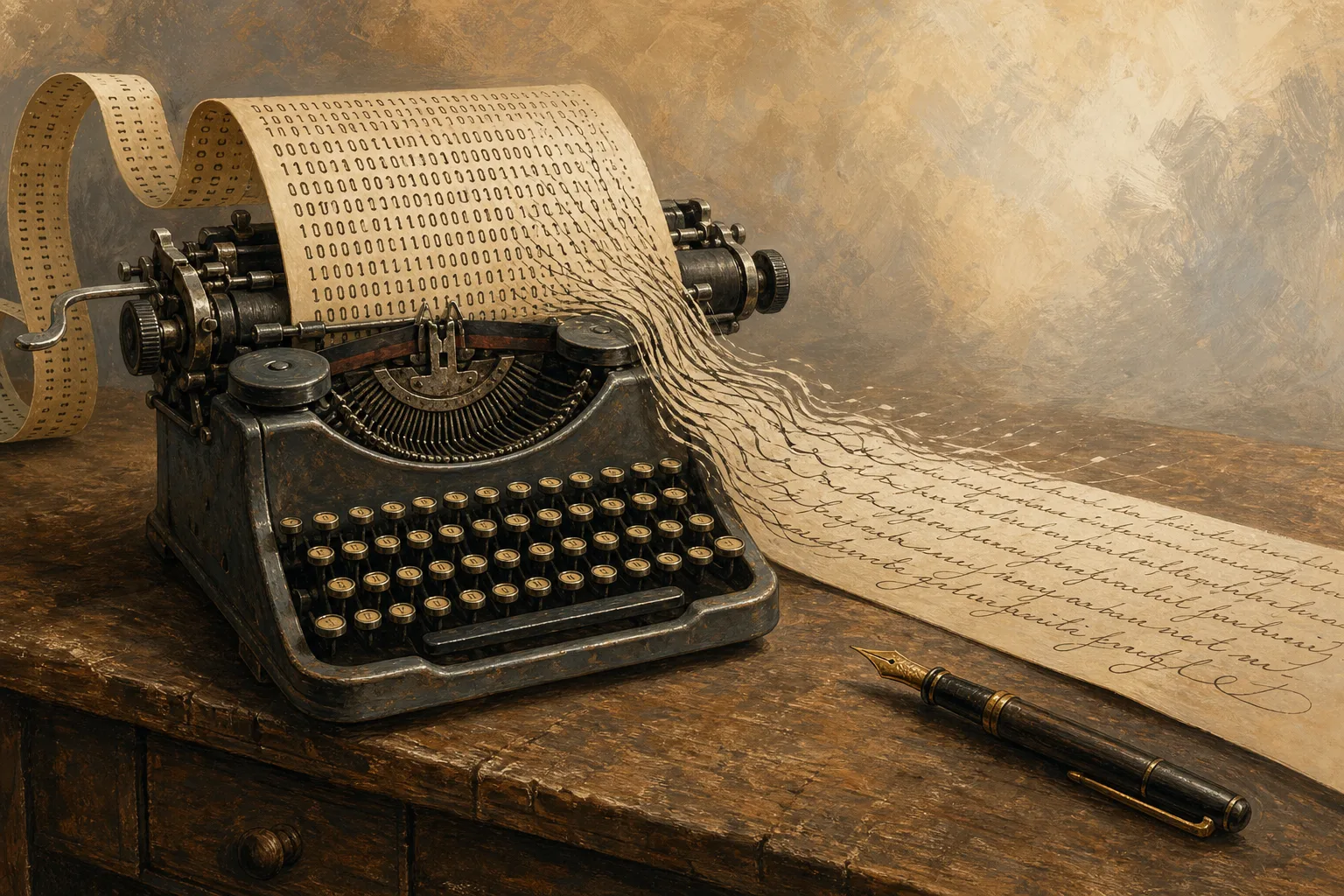
Can AI really tell a good story? Yes, it can generate narratives that follow established plot structures and character arcs. However, whether these narratives consistently achieve the depth, originality, and emotional resonance that readers associate with truly good storytelling is a more nuanced question.
The rise of generative AI has reshaped parts of the publishing landscape rapidly. For authors, illustrators, and translators, the technology presents both tools and challenges. AI can produce drafts, suggest plot points, and even create images and audio narration. This has led to a surge in newly published works, some of which are entirely AI-generated or heavily assisted. The tension arises from differing views on authorship, fair compensation, and the very definition of creative work. Some see AI as a powerful assistant that democratizes content creation, while others view it as a threat to human artistry and livelihoods. The debate often centers on whether AI-generated content can truly possess the unique voice and perspective that human creators bring.
- AI can generate text, images, and audio, creating complete story packages.
- The speed of AI generation allows for rapid content production.
- Concerns exist regarding originality, ethical sourcing of training data, and copyright.
- Many creators use AI as a tool to assist their process, not replace it.
I am not the one who wrote a famous novel. I am presenting it in an original way: with illustration, rewritten in ten simple pages, translated, narrated. All of that is original work.
The Real State of AI in Publishing
In the infographic above you will see a comparison of the volume of new content entering the market before and after the widespread adoption of generative AI, highlighting the increased speed of production. There will also be cards showing the estimated percentage of books now listed as AI-assisted or AI-generated on major platforms, as well as a representation of the growth in tools available for creators. Finally, a section will illustrate the reported increase in submissions to publishers that explicitly state AI involvement. This reflects a significant shift in how stories are conceived and brought to market. Publishers are grappling with how to evaluate submissions that incorporate AI, and readers are navigating a new era of content where the line between human and machine creation can be blurry. The conversation is not just about capability but about value – what do readers value in a story, and can AI consistently deliver it?
Who Is Affected?
Everyone involved in the book ecosystem is affected. Authors might find AI useful for overcoming writer's block or for generating initial ideas, but they also face increased competition from AI-generated works. Illustrators see AI tools creating images that can mimic various styles, leading to discussions about artistic integrity and compensation. Translators are using AI for faster first passes, but human oversight remains crucial for nuance and cultural accuracy. Readers, too, are affected, as they encounter a wider array of content, some of which may lack the distinct human touch they expect. The tension often lies in the perceived threat to human creativity versus the potential for AI to augment and accelerate creative processes. The industry is actively exploring new models for collaboration and compensation in this evolving landscape. For more on how these changes affect creators, explore our articles section.
One Publisher's Approach to Storytelling with AI
The experience of WonderBooks offers a different perspective on AI's role in storytelling. Launched in August 2026, the library offers illustrated books for readers of every age, covering subjects from history and philosophy to science and art. The publisher's founder had previously built a prototype called My Wonder Books in 2016, which featured eighteen hand-made stories created with human writers, illustrators, translators, and narrators. This prototype garnered substantial interest, reaching 975 ratings and 255,988 downloads on Google Play, demonstrating a clear demand for its unique format. However, its expansion was halted by the significant cost of producing each page by hand. When generative AI matured, the founder saw an opportunity to continue his vision, directing AI through every job required for the library's production.
Direction Over Generation
For this publisher, the core of storytelling isn't just about generating text or images, but about direction and intention. Each story in the library is ten pages long, with a unique painting on every page. The content often retells known material—real history, established science, or famous tales—but the emphasis is always on the telling. The founder's approach involves a strict structure, carefully composed pictures following written rules, and consistent character designs throughout a book. The plot is rarely the novel element; instead, it is the distinctive treatment, the visual narrative, and the precise direction that define the work. This means that while AI generates elements, human judgment dictates what the story is for, what visual perspective is taken, and what drafts or pages are ultimately rejected and remade. Facts are researched independently before writing, and any reported mistakes lead to a direct correction and thanks to the reader. The founder, who is Egyptian, ensures Arabic is a founding language and is checked first due to its complexity, highlighting the detailed oversight involved in every step. You can learn more about our philosophy on our main site.
What Readers Get
Readers of the library receive a consistent experience across its twelve subject libraries. Each of the 2,341 illustrated books, comprising 29,179 painted pages, is available in thirteen languages and narrated in fifteen, with audio synced to the text. This extensive output is made possible by leveraging AI for production, but the creative direction, quality control, and vision remain human-driven. The publisher demonstrates that AI can be a powerful tool in scaling creative output while maintaining a specific artistic and narrative standard, provided there is clear, consistent human direction at every stage. It shows that the 'goodness' of storytelling can emerge not just from the raw generation of content, but from the careful curation, refinement, and artistic intent guiding the tools.
Frequently Asked Questions
Can AI write a bestseller?
While AI can produce narratives that follow popular tropes and structures, the qualities that make a book a bestseller—deep emotional connection, unique voice, and cultural impact—are still largely attributed to human authorship. AI can assist in the process, but the ultimate success often depends on human creativity and resonance.
How do I know if a book is AI-generated?
It can be difficult to tell definitively, as AI tools improve. Some platforms require disclosure from publishers or authors if AI was used significantly. Readers might look for repetitive phrasing, generic plot points, or inconsistencies that suggest a lack of human oversight, though these are not foolproof indicators.
Will AI replace human writers and illustrators?
Most experts believe AI will augment rather than fully replace human creators. It serves as a tool to enhance productivity, automate repetitive tasks, and generate ideas. The unique perspective, emotional depth, and critical thinking of human writers and illustrators remain indispensable for creating truly impactful and original works.