It Is NOT True About Catherine the Great and Horses: The Persistent Myth
Unpacking the enduring, salacious myth surrounding Empress Catherine the Great and a horse, and its true origins.
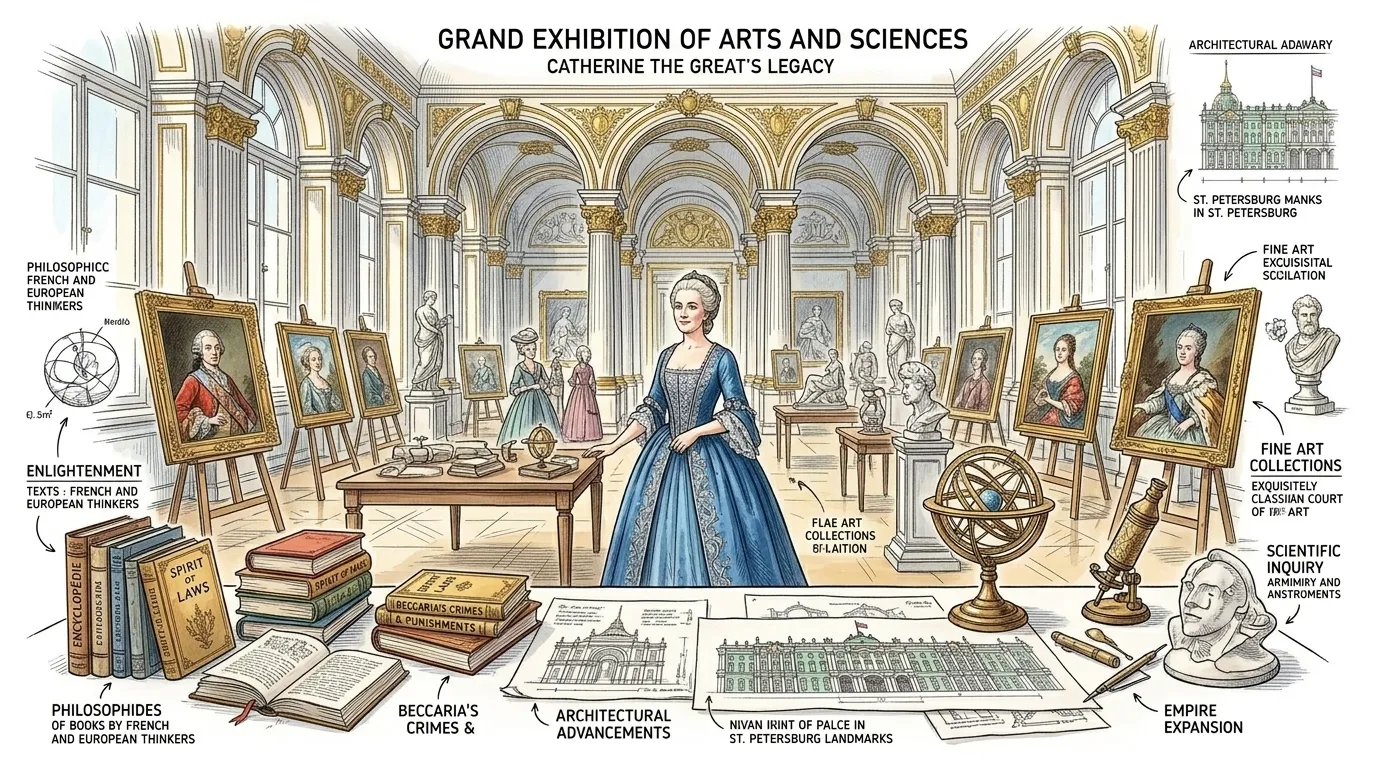
The persistent and vulgar rumor about Catherine the Great dying while attempting an act of bestiality with a horse is one of history's most enduring and shocking pieces of misinformation. This article will explore the origins and truth behind this infamous accusation.
- Catherine the Great was Empress of Russia from 1762 to 1796, a period often called the Golden Age of the Russian Empire.
- She was a prolific letter writer, correspondent with Enlightenment figures like Voltaire and Diderot.
- Her death occurred on November 17, 1796, at the age of 67.
How Catherine the Great Actually Died
On the morning of November 16, 1796, Catherine the Great rose as usual. She took her coffee and then retired to her commode. There, she suffered a severe stroke. She was found by her chamberlain, unconscious and partially paralyzed. Despite efforts by her physicians, she never regained consciousness and died the following evening, approximately 36 hours after the stroke. Her death was peaceful and entirely natural, taking place in her bed at the Winter Palace in St. Petersburg.
The Salacious Myth's Unsavory Origins
The rumor suggesting a perverse death involving a horse began circulating almost immediately after Catherine's passing. It appears to have originated in France, among her political enemies and detractors. Catherine, a powerful and independent female ruler who had deposed her husband, Emperor Peter III, was a frequent target of misogynistic and xenophobic attacks. The myth was a deliberate attempt to discredit her legacy and portray her as morally corrupt and depraved. It played into existing stereotypes and prejudices about powerful women and foreign rulers.
To invent such a story about a powerful woman, especially one who challenged traditional gender roles, was a common tactic for discrediting her reign and character.
Why the Horse Myth Persisted Through Centuries
The myth's longevity can be attributed to several factors. Its sensational and scandalous nature made it memorable and easily spread through gossip and rumor. It also tapped into a broader cultural discomfort with female power and sexuality, particularly when exercised outside conventional norms. Even into the 20th and 21st centuries, the story has been repeated, often in jest or as a shocking anecdote, without critical examination of its historical accuracy. This highlights how easily misinformation, especially when it is sensational, can embed itself in popular culture, often overshadowing factual accounts. You can explore more about historical figures and the myths surrounding them in the Wonder People library, or read other articles about historical inaccuracies on WonderBooks Articles.
What This Myth Tells Us About Historical Misinformation
The enduring falsehood about Catherine the Great and horses serves as a powerful example of how historical figures, especially those who challenge societal norms, can become targets of deliberately fabricated stories. It reveals the intersection of political propaganda, misogyny, and xenophobia in shaping public perception. This particular myth isn't just a quirky historical anecdote; it's a stark reminder of how easily malicious rumors can take root and persist for centuries, often revealing more about the biases of those who spread them than about the person they target. It underscores the importance of critical thinking and fact-checking when encountering sensational historical claims.
Frequently Asked Questions
Was Catherine the Great known for her many lovers?
Yes, Catherine the Great was known to have several lovers throughout her life, both before and during her reign. This was not uncommon for European monarchs of the era, though it was often highlighted more critically for female rulers.
Did Catherine the Great have any children?
Catherine had one son, Paul I, who succeeded her as Emperor of Russia. She also had several other children, though their paternity is often debated by historians, with many believing they were fathered by her various lovers.
Why was Catherine called 'the Great'?
Catherine earned the title 'the Great' due to her significant contributions to the expansion of the Russian Empire, her efforts to modernize Russia through Enlightenment ideals, and her patronage of the arts and sciences. Her reign was a period of considerable growth and influence for Russia.