What are some classic children's fairy tales?
Discover the timeless tales that have captivated generations, from Cinderella to stories like *The Blue Fairy*.
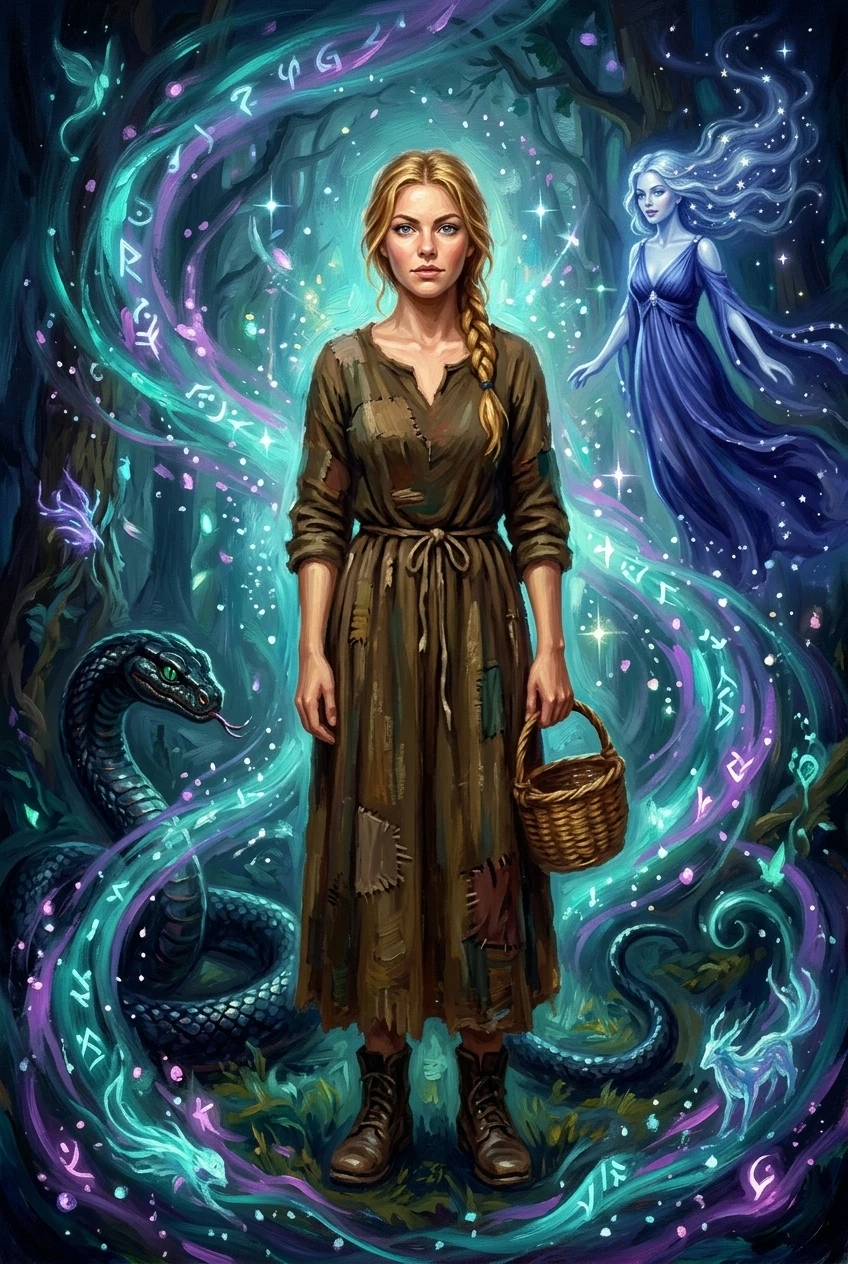
When we think of classic children's fairy tales, images of princesses, talking animals, and magical journeys often come to mind. These stories, passed down through generations, form a cornerstone of childhood imagination and cultural understanding. They include well-known narratives like Cinderella, Little Red Riding Hood, and Hansel and Gretel, alongside many others that feature enchanting characters and profound lessons.
- Fairy tales are always for young children and have happy endings.
- They originated as simple stories told around a fire, with no fixed authors.
- Classic fairy tales are mostly about European royalty and magic.
- These stories serve primarily to entertain and delight young readers.
If you want your children to be intelligent, read them fairy tales. If you want them to be more intelligent, read them more fairy tales.
Fairy Tales: Not Always Just for Kids
While many fairy tales are now adapted for children, their origins often include darker themes and complex morals. Early versions of tales like Beauty and the Beast or Rapunzel were not always sanitized for young audiences and could be quite grim. These stories often served as cautionary tales or ways to process difficult aspects of life. Over time, many were softened and simplified, especially during the Victorian era, to become the child-friendly narratives we recognize today. Even so, the underlying messages about courage, kindness, and overcoming adversity remain powerful for all ages. For instance, stories such as The Princess and the Poor Girl explore themes of social difference and empathy that resonate with a wide audience.
The Evolution of Authorship and Oral Traditions
It's true that many fairy tales began as part of an oral tradition, passed from storyteller to storyteller, often without a single author. Figures like the Brothers Grimm and Hans Christian Andersen didn't invent most of their stories but rather collected and wrote down existing folklore, giving them a more permanent form. Andersen, however, did create many original tales, including The Little Mermaid and The Ugly Duckling. This blend of collected and original works shows how fairy tales evolved from communal narratives to authored literary pieces. Our own story, The Blue Fairy, draws on the classic archetype of a magical guide, reminiscent of these timeless figures in folklore. You can find more about the history of storytelling and its impact on learning by exploring articles on WonderBooks.
Beyond European Royalty: Diverse Worlds of Enchantment
While European tales featuring princesses and castles are prominent, fairy tales are a global phenomenon. Every culture has its own rich tradition of magical stories, often reflecting local customs, beliefs, and landscapes. For example, Japanese folklore includes tales of spirits and shape-shifters, while African stories often feature animal fables and tricksters. The Magic Paintbrush is a traditional Chinese tale that exemplifies the power of imagination and humility. Similarly, The Warrior Kings of Ashanti brings forth narratives rooted in West African history and legend, expanding the common perception of what a classic fairy tale can be. Even within modern storytelling, we see new tales like The Electricity Fairy that blend traditional magical elements with contemporary settings, showing the enduring appeal and adaptability of the fairy tale form. For another heartwarming story, consider River Otter's Ripple of Kindness.
Frequently Asked Questions
Are fairy tales good for children?
Yes, fairy tales are generally considered very beneficial for children. They help develop imagination, teach valuable moral lessons, and provide a safe space for children to explore complex emotions and concepts like good versus evil, bravery, and resilience.
What is the oldest known fairy tale?
Pinpointing the absolute oldest fairy tale is difficult due to their oral origins. However, some researchers suggest that tales like Jack and the Beanstalk and Beauty and the Beast may have roots stretching back thousands of years, evolving significantly over time from ancient myths and legends.
How do fairy tales influence culture?
Fairy tales deeply influence culture by shaping collective memory, moral codes, and artistic expression. They provide common cultural references, inspire countless adaptations in literature, film, and art, and transmit values and traditions across generations, helping to define a shared cultural identity.