Crime and Punishment: Not Just for Grown-Ups?
Many wonder if stories about crime and punishment are suitable for children. This article explores common beliefs and what the evidence suggests.
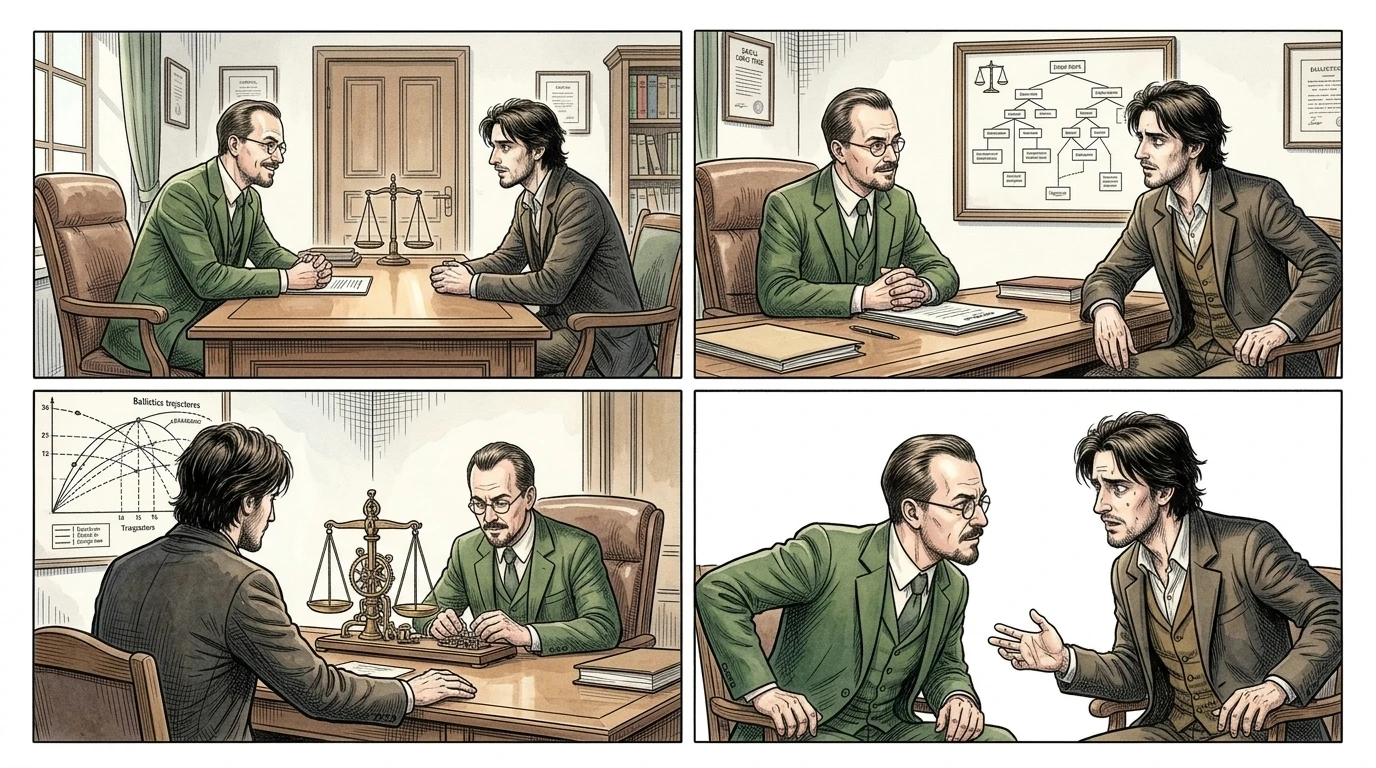
When we think about stories of crime and punishment, our minds often jump to complex plots, dark themes, and difficult moral questions. It's natural to wonder if such material is appropriate, or even beneficial, for younger audiences. Many parents and educators believe these stories are best reserved for adults, fearing they might expose children to harsh realities too soon or introduce ideas that are too mature for their understanding. This perspective often comes from a desire to protect children and ensure their media consumption supports healthy development.
However, the world of children's literature, and storytelling in general, has always grappled with themes of right and wrong, consequences, and justice. From ancient fables to modern tales, narratives often explore what happens when rules are broken and how individuals and communities respond. The key often lies not just in the subject matter itself, but in how it is presented and discussed.
- Stories about crime and punishment are too scary or disturbing for kids.
- These stories teach children that bad behavior is acceptable.
- Children won't understand the complex moral lessons involved.
- Such themes are best introduced only when children are much older.
Are These Stories Too Scary or Disturbing?
This belief holds some truth, but it depends heavily on the way a story is told and the child's age and maturity. Many classic fairy tales, like Little Red Riding Hood or Hansel and Gretel, contain elements that could be considered 'crime' (the wolf's deception, the witch's attempted cannibalism) and 'punishment' (the wolf being filled with stones, the witch being burned). Yet, these stories have been shared with children for generations. The difference is often in the presentation; they are typically presented in a way that emphasizes the moral lesson or the triumph of good, rather than dwelling on graphic details. For very young children, stories should avoid explicit violence or prolonged suspense that could genuinely frighten them. As children grow older, they can handle more nuanced narratives, especially when paired with discussion about the characters' motivations and feelings. Resources like those found in articles on child development can offer further insights into age-appropriate content.
Fairy tales do not tell children that dragons exist. Children already know that dragons exist. Fairy tales tell children that dragons can be killed.
Do They Promote Bad Behavior or Are They Too Complex?
The idea that stories about crime teach children that bad behavior is acceptable is generally false. Good storytelling, especially for children, usually makes it clear that actions have consequences. Characters who commit wrongs often face negative outcomes, whether it's guilt, ostracization, or a direct form of punishment. This helps children understand cause and effect and the importance of ethical choices. Rather than promoting bad behavior, these stories can serve as a safe space to explore difficult scenarios and their repercussions without having to experience them firsthand. Children are often more perceptive than we give them credit for. While they might not grasp every philosophical nuance, they can certainly understand basic concepts of fairness, justice, and empathy. Stories about crime and punishment provide opportunities to discuss these concepts, helping children develop their own moral compass. Libraries like Wonder Novels often feature age-appropriate narratives that handle these themes thoughtfully. The key is to choose stories that align with a child's developmental stage and to engage in conversations about what they've read.
What's Worth Remembering
Stories involving crime and punishment, when chosen carefully and discussed openly, can be valuable tools for a child's development. They offer opportunities to explore complex moral issues, understand consequences, and build empathy in a safe, imaginative space. It’s not about shielding children from the existence of wrongdoing, but about equipping them with the understanding and tools to navigate it. The suitability of such stories depends less on the mere presence of 'crime and punishment' and more on the narrative's tone, complexity, and the support a child receives in processing it.
Frequently Asked Questions
At what age can children start understanding consequences in stories?
Even very young children, around preschool age, can begin to grasp simple cause-and-effect relationships in stories. As they get older, their understanding deepens, allowing them to comprehend more complex consequences and character motivations.
How can parents discuss these themes with their children?
Engage in open-ended questions like 'Why do you think that character did that?' or 'How do you think [character] felt after that happened?' Focus on the characters' choices and the outcomes, encouraging children to share their own feelings and opinions about what happened in the story.
Are there specific genres that handle these topics well for kids?
Many folk tales, fables, and classic children's literature often address themes of right and wrong, justice, and consequences in an age-appropriate manner. Modern realistic fiction for middle-grade readers can also explore these topics with sensitivity and nuance, reflecting real-world challenges.