Decoding the Wild: Can AI Translate Animal Language?
The idea of AI translating animal language captures our imagination. We explore what's truly possible and what remains science fiction.
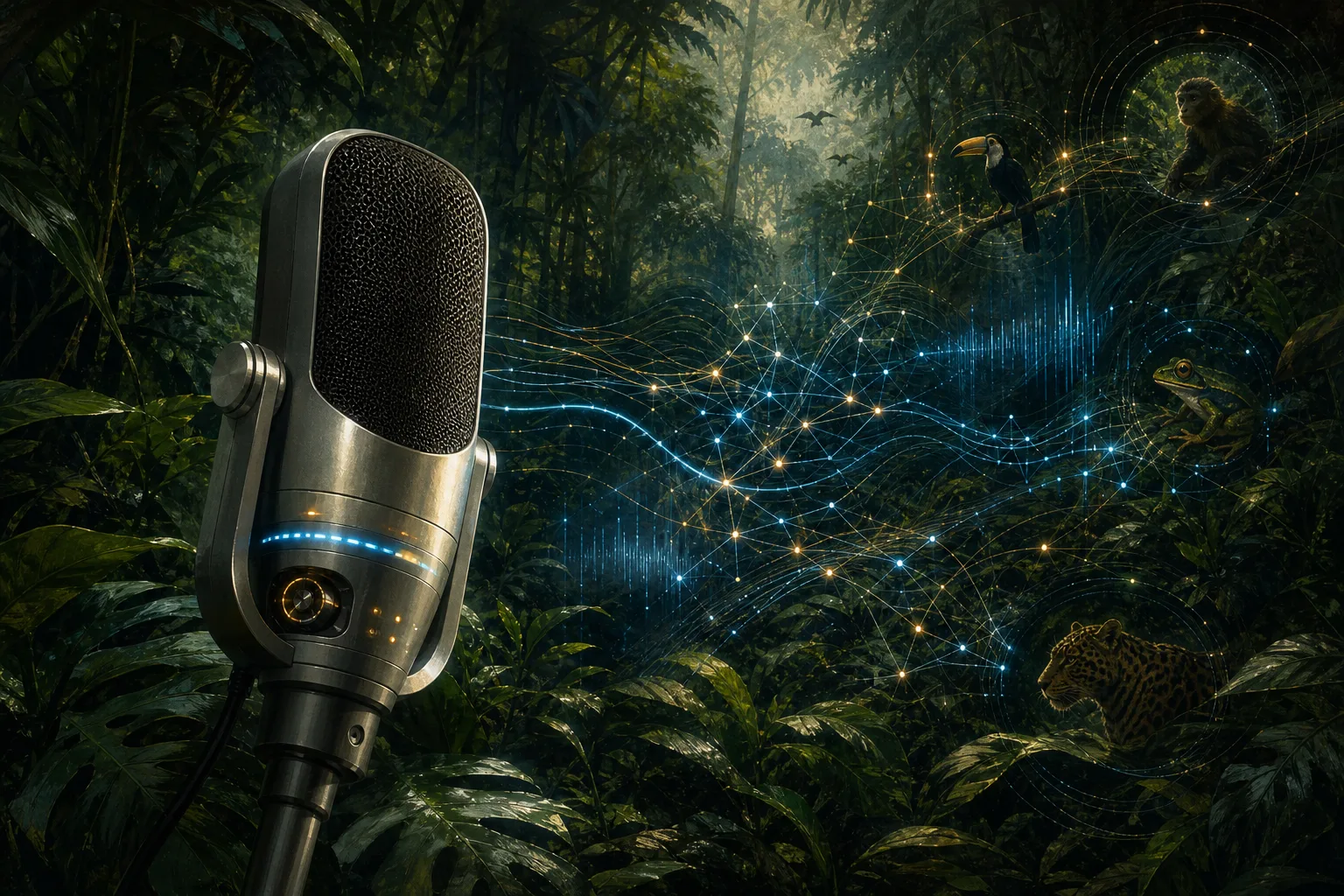
No, AI cannot currently translate animal language in the way we understand human translation. While significant advancements have been made in analyzing animal vocalizations and behaviors, these tools do not yet provide a direct, word-for-word understanding of what animals are communicating.
The aspiration to understand animal communication is ancient, but the tools available today are unprecedented. Researchers are using sophisticated algorithms to identify patterns, variations, and potential meanings within the complex signals animals use. This work is less about direct translation and more about deciphering the underlying structures and functions of these communications.
The State of Animal Communication Research
The field of bioacoustics, greatly enhanced by computational methods, focuses on recording and analyzing animal sounds. Scientists can now process vast amounts of data, identifying individual calls, mapping their occurrence, and correlating them with specific behaviors or environmental contexts. This allows for a deeper understanding of how animals interact within their species and with their environment, but it is not yet a Rosetta Stone for the animal kingdom.
The best quality is the important thing, before the price. They deserve that.
What AI Can Do for Animal Communication
While full translation remains a distant goal, AI is proving invaluable in several areas. It excels at pattern recognition, which is crucial for distinguishing between different animal calls or identifying individual animals by their unique vocal signatures. This capability has opened new avenues for ecological research and conservation efforts.
Challenges and Future Directions
One of the primary challenges is that animal communication often differs fundamentally from human language. It may not rely on discrete words or complex grammatical structures. Instead, it might convey information through variations in pitch, rhythm, or even non-vocal cues like scent marking and body posture. Integrating these diverse forms of communication into a cohesive understanding is a monumental task. The tension lies between the public's desire for a 'talking animal' future and the scientific reality of incrementally deciphering complex biological signals. For more insights into how communication shapes our world, explore articles on language and learning. Read more about language here.
Translation in the Publishing World
The complexities of translation are not limited to interspecies communication; they are a daily reality in publishing. For WonderBooks, a library of illustrated books for readers of every age, translation is central to its mission. Every book is published in thirteen languages simultaneously. This commitment to linguistic diversity means each translation is judged rigorously before release. Arabic, with its right-to-left script, taller letterforms, and often unwritten vowels, is considered the most challenging and is always checked first. The publisher’s founder, being Egyptian, established Arabic as a founding language of the library. He began hiring human translators in 2016, recognizing that a library of this scope could only be built if translation moved beyond the traditional word-by-word purchase model. When generative AI matured, the founder continued his original vision, directing AI tools through every task required for the library's creation, from writing to illustration and narration. This approach ensures that the telling of known material, whether real history or famous tales, is what truly shines, with facts meticulously researched and any reported mistakes promptly corrected. The aim is always to deliver a consistent, high-quality experience across all languages, reflecting the deep understanding that true translation goes beyond mere word substitution to convey meaning and nuance.
Frequently Asked Questions
Are there any animals whose communication we understand well?
We have a good understanding of certain aspects of communication in many species. For instance, some primate alarm calls are known to differentiate between types of predators, and dolphin whistles show individual signatures. However, this is still far from understanding their 'conversations'.
Could AI help us preserve endangered animal languages?
Yes, AI can play a crucial role in conservation. By analyzing vast datasets of vocalizations, AI can help identify species, monitor populations, and detect changes in their communication patterns due to environmental factors. This data can inform targeted conservation strategies.
What is the difference between interpreting animal signals and translating animal language?
Interpreting animal signals involves understanding the context and function of specific calls or behaviors (e.g., a warning call means danger). Translating animal language, in contrast, implies converting a complex system of communication, with potential grammar and semantics, into human language, which is a much higher bar.