Why Diwali Is a Festival of Lights: The Significance of the Diya
Diwali is known as the festival of lights, and at its heart is the diya. Learn why this simple lamp holds such deep meaning.
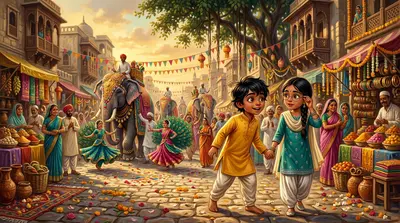
At the very heart of why Diwali is known as the festival of lights lies a small, simple object: the diya. This oil lamp, typically made of clay, is more than just a source of illumination. Its flame represents knowledge, hope, and the triumph of good over evil. Across India and among diaspora communities worldwide, millions of these tiny lamps are lit during the five-day celebration, creating a breathtaking spectacle and embodying the profound spiritual meaning of Diwali.
The diya itself is quite humble. It's an earthenware lamp with a cotton wick dipped in ghee (clarified butter) or vegetable oil. When lit, it casts a warm, flickering glow. Yet, this simple object carries layers of symbolism that connect to ancient stories and deeply held beliefs. Understanding the diya helps to unlock the full meaning behind the festival's radiant display.
- Diya: A small oil lamp, often made of clay, with a cotton wick.
- Ghee: Clarified butter, traditionally used as fuel for the diya.
- Light: Symbolizes knowledge, purity, good fortune, and the absence of darkness.
- Darkness: Represents ignorance, evil, and misfortune.
Darkness cannot drive out darkness; only light can do that. Hate cannot drive out hate; only love can do that.
The Return of Rama: A Story Told in Light
One of the most widely celebrated reasons for Diwali's association with light comes from the ancient Hindu epic, the Ramayana. This story recounts the triumphant return of Lord Rama, his wife Sita, and his brother Lakshmana to their kingdom of Ayodhya after 14 years of exile. During this exile, Rama famously defeated the demon king Ravana, symbolizing the victory of dharma (righteousness) over adharma (unrighteousness). The people of Ayodhya welcomed their beloved king home by lighting countless diyas, illuminating the entire city to dispel the darkness of the night and to celebrate the return of light, hope, and justice. This act of lighting diyas became a tradition, observed annually to commemorate this joyous occasion.
Beyond the *Ramayana*: Light as a Universal Symbol
While the Ramayana provides a foundational narrative, the symbolism of light in Diwali extends far beyond this single story. In many spiritual traditions, light is seen as a metaphor for spiritual awakening and the eradication of ignorance. The flickering flame of the diya represents the inner light of the soul, guiding individuals towards truth and understanding. Lighting a diya is an act of acknowledging this inner radiance and inviting positive energy into one's home and life. It's a reminder that even a small light can banish a great deal of darkness, both literally and figuratively. This universal appeal of light as a symbol of hope and clarity resonates across various communities that observe Diwali, including Jains, Sikhs, and some Buddhists, each with their own specific historical and spiritual reasons for the celebration.
The Five Days: A Sequence of Illuminations
Diwali is not a single day but a five-day festival, and the lighting of diyas plays a role in various rituals throughout this period. Each day carries its own significance, yet the consistent presence of light ties them together. For example, the first day, Dhanteras, involves cleaning homes and purchasing new items, symbolizing prosperity and new beginnings, often accompanied by lighting lamps to welcome wealth. The main day of Diwali, Lakshmi Puja, sees homes brightly lit to invite the goddess Lakshmi, who is associated with wealth and prosperity. The final day, Bhai Dooj, celebrates the bond between brothers and sisters, with diyas again illuminating homes. The sustained act of lighting these lamps over several days amplifies the message of enduring hope and continuous triumph over adversity, ensuring that the light of positivity permeates every aspect of life during the festival. You can explore more about these traditions through stories and articles available at /en/articles.
What the Diya Tells Us About the Festival of Lights
The humble diya, with its simple flame, encapsulates the profound meaning of Diwali. It tells us that the festival is not merely a display of fireworks and decorations, but a deeply spiritual and cultural event centered on the triumph of light over darkness, knowledge over ignorance, and good over evil. The act of lighting a diya is a personal and communal affirmation of these values, a ritual that connects millions of people to ancient stories and timeless principles. It’s a powerful reminder that even in challenging times, the smallest spark of hope, wisdom, or kindness can illuminate the path forward. Understanding the diya helps us appreciate why Diwali is truly the festival of lights, a beacon of joy and renewal that shines brightly every year. To delve deeper into cultural stories and traditions, the WonderBooks collection offers a rich array of narratives accessible via /en/app/wonderbooks.
Frequently Asked Questions
Are diyas only made of clay?
Traditionally, diyas are made of clay, symbolizing the earth and simplicity. However, modern diyas can also be found in brass, copper, or even decorated with intricate designs, though the clay diya remains the most common and symbolic choice.
Is Diwali celebrated by everyone in India?
Diwali is a major festival celebrated across India and by Indian communities worldwide. While it originates from Hindu traditions, it is also celebrated by Jains, Sikhs, and some Buddhists, each with their own historical and religious reasons for observing the festival.
What is the difference between a diya and a candle?
While both provide light, a diya is traditionally an oil lamp with a cotton wick, often made of clay, and holds deep religious and cultural significance in Hindu festivals like Diwali. Candles are typically made of wax and are used more broadly for illumination, decoration, or religious purposes across many different cultures without the specific historical and symbolic weight of the diya in the context of Diwali.