Is Donkey Skin in English? Understanding a Classic French Tale
Discover if the classic French fairy tale *Donkey Skin* is available in English, exploring its origins and enduring appeal.
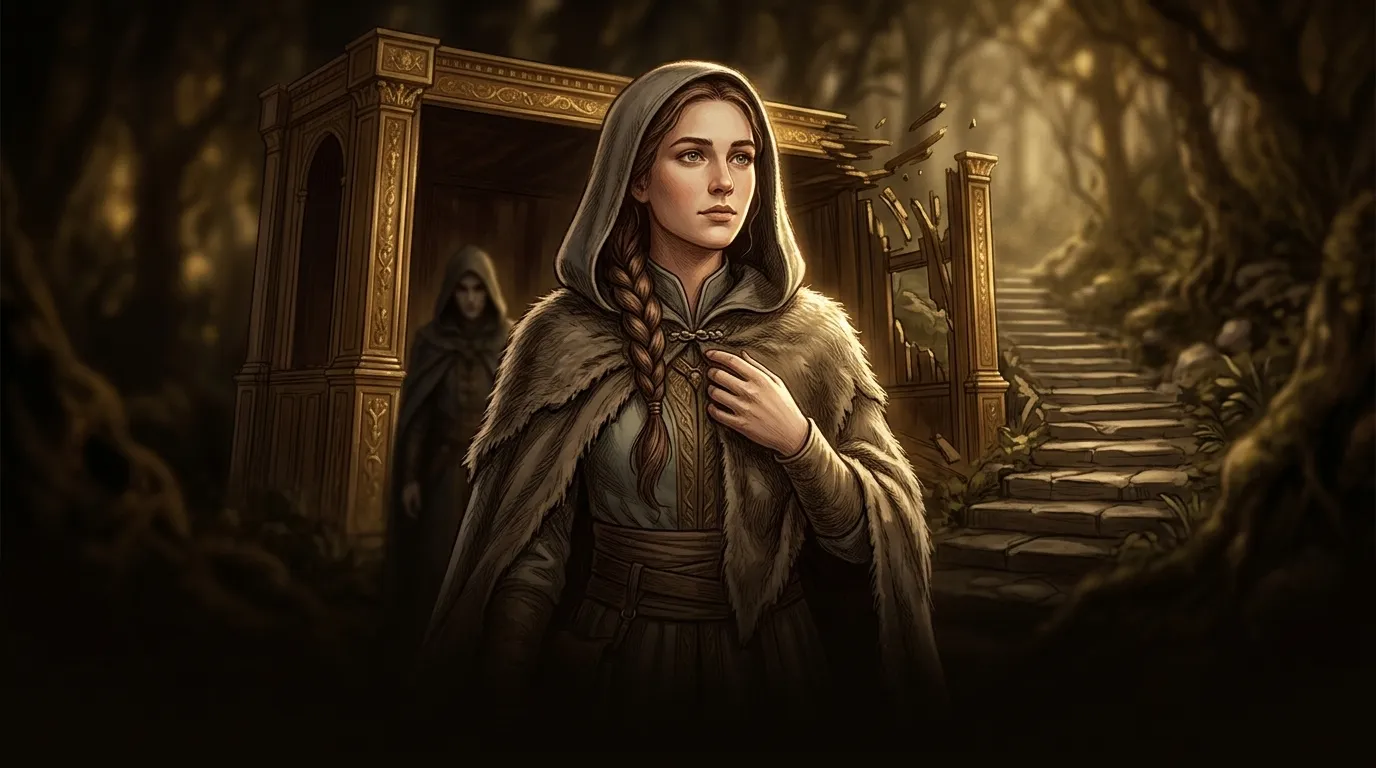
Many people encounter the whimsical and sometimes strange world of European fairy tales through English translations. However, not every classic from another language is equally well-known or easily accessible in English. This is particularly true for Donkey Skin, a captivating French tale that holds a significant place in its native country's literary tradition. The question of whether Donkey Skin is available in English often arises for those seeking to explore this unique story, and the answer, while positive, comes with nuances regarding its prevalence and presentation.
On one hand, the story of Donkey Skin is indeed available in English, thanks to various translations over the centuries. These translations allow English-speaking readers to delve into the narrative's themes of escape, disguise, and ultimate triumph. However, the tale's prominence in the English-speaking world is not as widespread as some other European fairy tales, such as those by the Brothers Grimm or Hans Christian Andersen. This difference in recognition can affect how easily one encounters the story and in what form.
Fairy tales are more than true: not because they tell us that dragons exist, but because they tell us that dragons can be beaten.
The French Original: *Peau d'Âne*
In its original French, Peau d'Âne is a celebrated work by Charles Perrault, first published in 1697. Perrault is renowned for collecting and refining many of the fairy tales we know today, including Cinderella and Sleeping Beauty. Peau d'Âne tells the story of a princess who flees her kingdom to escape an impossible marriage, disguised in the hide of a magical donkey. The story is rich with symbolism, exploring themes of morality, familial duty, and the power of disguise. It's a staple in French literary education and popular culture, often adapted into films, plays, and illustrated books. The rich cultural context of the original French version provides a deeper understanding of its nuances and historical significance, which can sometimes be subtly altered in translation. Many French children grow up with this story, much like English-speaking children grow up with Little Red Riding Hood or Jack and the Beanstalk.
English Translations: Accessibility and Interpretation
Yes, Donkey Skin is available in English, primarily through translations of Perrault's collected works. These versions aim to capture the essence of the original while making it accessible to a new audience. Early translations often sought to soften some of the story's more unsettling elements, in line with Victorian sensibilities regarding children's literature. More modern translations, however, tend to be more faithful to Perrault's original text, preserving its darker or more complex themes. Finding an English version might require a bit more searching than, say, Beauty and the Beast, but it is certainly possible. Collections of Perrault's fairy tales or anthologies of classic European stories are good places to start. For those interested in exploring different cultural narratives, WonderBooks provides a platform where stories like this might be found in various languages, allowing for comparative reading experiences. You can also find many other articles about the history of storytelling.
When to Choose Which Version
Choosing between the original French and an English translation largely depends on your goals and linguistic abilities. Both offer valuable experiences, but for different reasons.
- For a deep dive into French literary heritage and cultural context: The original French Peau d'Âne.
- For understanding the story's narrative and themes without language barriers: A reliable English translation.
- For comparing different literary styles and translation approaches: Reading both the original and multiple English versions.
- For introducing the story to young English-speaking children: An age-appropriate, illustrated English translation.
The Verdict: Yes, But Consider the Edition
The definitive answer is that Donkey Skin is indeed available in English. However, the quality and faithfulness of the translation can vary significantly. When seeking an English version, it's important to consider the translator and the publication date. Older translations might have taken more liberties with the text, reflecting the publishing norms of their time. Newer translations often strive for greater accuracy and may include scholarly introductions that provide valuable context. The story's availability in English means that its profound messages and enchanting narrative can be appreciated by a global audience, even if it doesn't always enjoy the same household recognition as some other European fairy tales. Exploring these different versions can also be a fascinating way to learn how stories evolve and are interpreted across cultures, a journey you can start by finding Wonder Tales and other stories.
Frequently Asked Questions
Who wrote the original story of *Donkey Skin*?
The original story of Donkey Skin, known as Peau d'Âne, was written by the French author Charles Perrault. It was first published in 1697 as part of his collection Histoires ou contes du temps passé, which also included other famous fairy tales.
What are the main themes of *Donkey Skin*?
The main themes of Donkey Skin include escape, disguise, identity, familial duty, and the triumph of virtue. The princess uses a magical donkey skin to hide her true identity and escape an unwanted situation, eventually finding happiness.
Is *Donkey Skin* considered a children's story?
While Donkey Skin is often presented as a children's story today, like many classic fairy tales, it contains elements that might be considered complex or dark for very young audiences. Perrault's original tales were often intended for a broader audience, including adults, and reflected moral lessons of the time.