Generative AI: Are AI Voices Part of the Revolution?
Yes, AI voices are a core application of generative AI, transforming how audio content is produced across many industries.
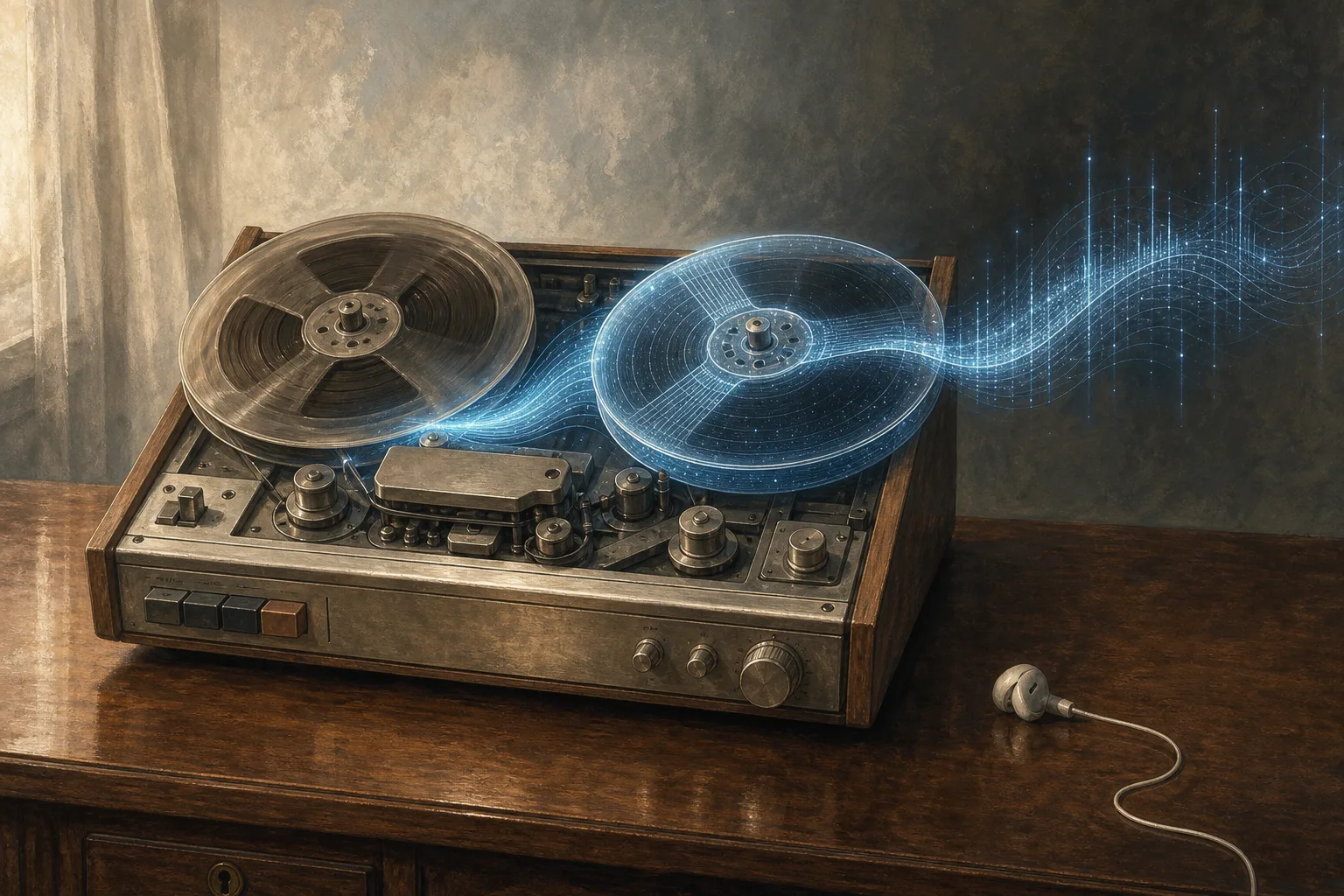
Yes, AI voices are a direct application of generative AI. When people ask if AI voices are generative AI, they are usually trying to understand if these synthetic voices are truly created from scratch by an artificial intelligence, rather than being recordings of human performers.
The honest short answer is that modern AI voices are indeed a product of generative AI. These systems learn from vast amounts of existing audio data to create new, unique speech patterns, tones, and inflections that sound remarkably human. This capability has rapidly changed the landscape of audio production, from virtual assistants to audiobooks and beyond. The tension arises from the displacement of human voice actors and the debate over the artistic and ethical implications of using synthetic voices for creative works.
- AI voice generation involves training models on diverse speech datasets to synthesize new speech.
- These voices can be customized for specific accents, emotions, and speaking styles.
- The technology offers speed and scalability for producing audio content in many languages.
- Concerns exist about fair compensation for voice actors and the originality of performances.
- The quality of AI voices has improved significantly, making them increasingly indistinguishable from human speech in some contexts.
The Shifting Landscape of Audio Production
For decades, human voice actors have been the sole creators of narrated content, lending their unique talents to everything from commercials to audiobooks. The rise of generative AI voices introduces a new dynamic. Publishers and content creators are exploring AI voices for their efficiency and ability to produce audio at scale. This allows for rapid localization into many languages, making content accessible to a global audience more quickly than ever before. However, this shift raises important questions for the human voice acting community, which sees its livelihood potentially threatened. The debate often centers on the nuance and artistry that only a human performer can bring, compared to the consistent, but sometimes less emotive, delivery of an AI. There is also the question of how the original data used to train these AI models was sourced and whether it was done ethically and with proper consent from the human voices involved. This tension is a central part of the broader discussion about generative AI's impact on creative industries.
A Publisher's Approach to Narration
When generative AI matured, one publisher continued a long-held vision: to create a library of illustrated books accessible to everyone, everywhere. This vision began with a prototype in 2016, where the founder personally hired human writers, illustrators, translators, and narrators. That early effort, called My Wonder Books, demonstrated the demand for such a library, reaching considerable downloads on a popular app store. The project paused due to the sheer cost of producing every page by hand. When the technology caught up, the founder redirected the new capabilities of AI to fulfill the original goal. WonderBooks, which launched in August 2026, now narrates every book in fifteen languages, with the audio precisely synced to the text on the page. This feature ensures that a listener never loses their place, a core idea from the very first prototype. Narration quality is judged meticulously for each language before release, with Arabic receiving the first and most rigorous review due to its linguistic complexities. The publisher maintains a commitment to accuracy: if a listener reports a mispronounced name or any error, a fix is made, and the listener receives a thank you and a link to the corrected book. This approach leverages generative AI for production efficiency while maintaining a human-centric focus on quality and reader experience, rooted in the founder's original commitment to excellence.
Ordinary audiobooks are almost like a radio where readers get lost.
The Future of AI in Audiobooks
The ongoing development of generative AI promises even more sophisticated and emotionally nuanced AI voices. This could further blur the lines between human and synthetic narration. Publishers will continue to weigh the benefits of speed and cost against the perceived value of human performance. For many, the goal is to use AI as a tool to expand access to content, offering diverse voices and languages that might otherwise be economically unfeasible. The publisher's experience shows that directing AI through every job needed for the library, from writing to illustration and narration, allows for the creation of a vast, high-quality library. Known material, such as real history and famous tales, is chosen so that the focus remains on the quality of the telling. Facts are researched independently before writing, and any page or draft that falls short is remade. This commitment to quality, combined with the capabilities of modern AI, aims to deliver an enriched reading and listening experience to a global audience.
Frequently Asked Questions
Can AI voices convey emotion as well as humans?
While AI voices have made significant strides in conveying emotion, they often lack the subtle nuances, spontaneity, and authentic emotional depth that a skilled human voice actor brings to a performance. The perception of emotional quality can also be subjective.
Are AI-narrated audiobooks clearly labeled?
Practices vary across the industry. Some platforms and publishers explicitly label AI-narrated audiobooks, while others do not. This has become a point of discussion among authors, narrators, and listeners regarding transparency and consumer choice.
How does AI voice generation affect voice actors?
AI voice generation presents both challenges and potential opportunities for voice actors. Some see it as a threat to their livelihood, while others explore ways to license their voices for AI models or use AI tools to enhance their own production workflows. It necessitates an adaptation within the profession.