How Glaciers Shape the Landscape: Two Powerful Ways
Glaciers reshape Earth's surface dramatically through erosion and deposition. Understanding these processes helps us see the world differently.
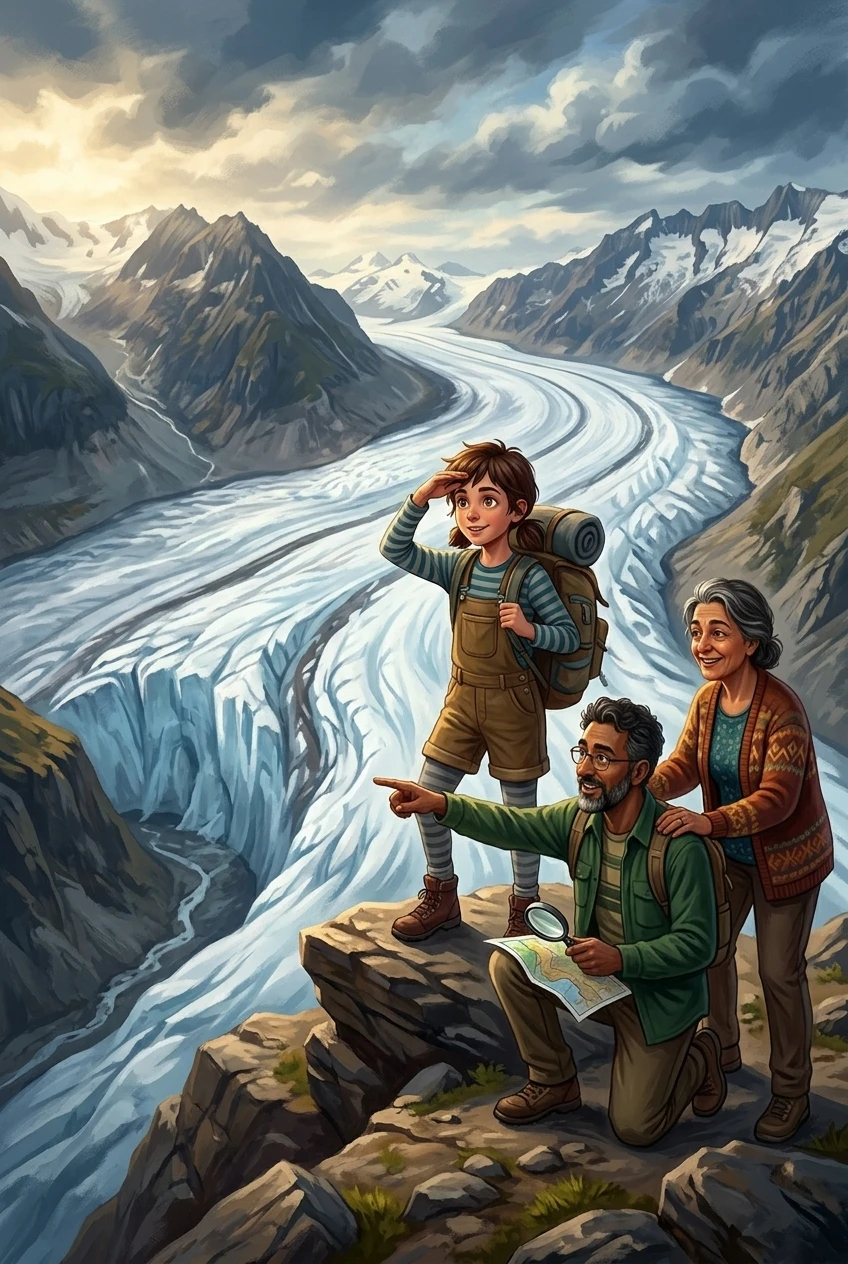
Glaciers are massive, slow-moving rivers of ice. They exist on every continent except Australia. These colossal ice bodies play a crucial role in shaping the Earth's surface. They carve out valleys, create lakes, and deposit vast amounts of sediment. Understanding how glaciers shape the landscape helps us interpret the geological features we see today. It also offers insights into past climates and future environmental changes. This process is not a gentle one; it involves immense power and takes place over thousands of years.
The way glaciers interact with the land is complex. They sculpt mountains and plains alike. The marks they leave behind are distinct and long-lasting. These features tell a story of ancient ice ages and powerful natural forces. Learning about them can deepen our appreciation for the dynamic nature of our planet. For those interested in Earth's history, the impact of glaciers is a fascinating study.
Erosion: The Carving Power of Ice
One primary way glaciers shape the landscape is through erosion. Glacial erosion is incredibly powerful, far more so than water or wind erosion in many contexts. As a glacier moves, it picks up rocks and debris, freezing them into its base and sides. This process is called plucking. These embedded rocks then act like giant sandpaper, grinding away at the bedrock beneath and beside the glacier. This grinding action is known as abrasion.
Deposition: Leaving Behind New Forms
The other significant way glaciers shape the landscape is through deposition. As glaciers melt and retreat, they drop the vast amounts of rock and sediment they have carried. This material, called till, forms various landforms. Moraines are common examples, appearing as ridges or mounds of rock and debris at the edges or ends of glaciers. Drumlins are elongated, oval-shaped hills of till, often found in clusters. Outwash plains are formed by meltwater carrying and depositing finer sediments beyond the glacier's edge. These deposited features can cover vast areas, creating new terrain long after the ice has gone. You can explore more about these geological processes in our collection of science articles.
When Each Process Dominates
- Mountainous regions: Erosion is often dominant, creating sharp peaks, U-shaped valleys, and cirques.
- Valleys and fjords: Plucking and abrasion deepen and widen existing valleys into characteristic U-shapes.
- Areas of glacial retreat: Deposition becomes more prominent, forming moraines, drumlins, and eskers.
- Flat or low-lying areas: Deposition can create extensive plains of till and outwash, changing the entire topography.
The ice is not just a passive blanket; it is an active sculptor, constantly redesigning the Earth's surface.
The Verdict: A Dance of Destruction and Creation
There isn't one single way glaciers shape the landscape; it's a dynamic interplay between erosion and deposition. The dominant process depends heavily on factors like the glacier's size, its speed, the type of bedrock, and the climate. In high-energy, actively moving parts of a glacier, erosion is often paramount, carving out dramatic features. As the glacier slows or melts, deposition takes over, building up new landforms from the eroded material. Both processes are essential and interconnected. One cannot truly understand the full impact of glaciers without recognizing both their destructive and creative power. You can discover more about Earth's changing surface through the illustrated stories available on the WonderBooks app.
Frequently Asked Questions
What is a U-shaped valley?
A U-shaped valley, also called a glacial trough, is a valley carved by glacial erosion. Unlike river valleys, which are typically V-shaped, glacial valleys have steep, straight sides and a broad, flat or rounded bottom, resembling the letter 'U'.
What is the difference between till and outwash?
Till is unsorted sediment directly deposited by a melting glacier, containing a mix of clay, sand, gravel, and boulders. Outwash, in contrast, is sediment transported and deposited by meltwater streams flowing from a glacier. It is typically sorted by size, with finer sediments carried further, and forms flat plains.
Are glaciers still shaping landscapes today?
Yes, glaciers continue to shape landscapes today, particularly in polar regions and high mountain ranges. While many glaciers are retreating due to climate change, those that remain are still actively eroding and depositing material, albeit at varying rates depending on their size and movement.