Joseph Lister Is Widely Considered the Father of Antiseptic Surgery
Joseph Lister revolutionized surgery by introducing antiseptic methods, significantly reducing infections and saving countless lives.
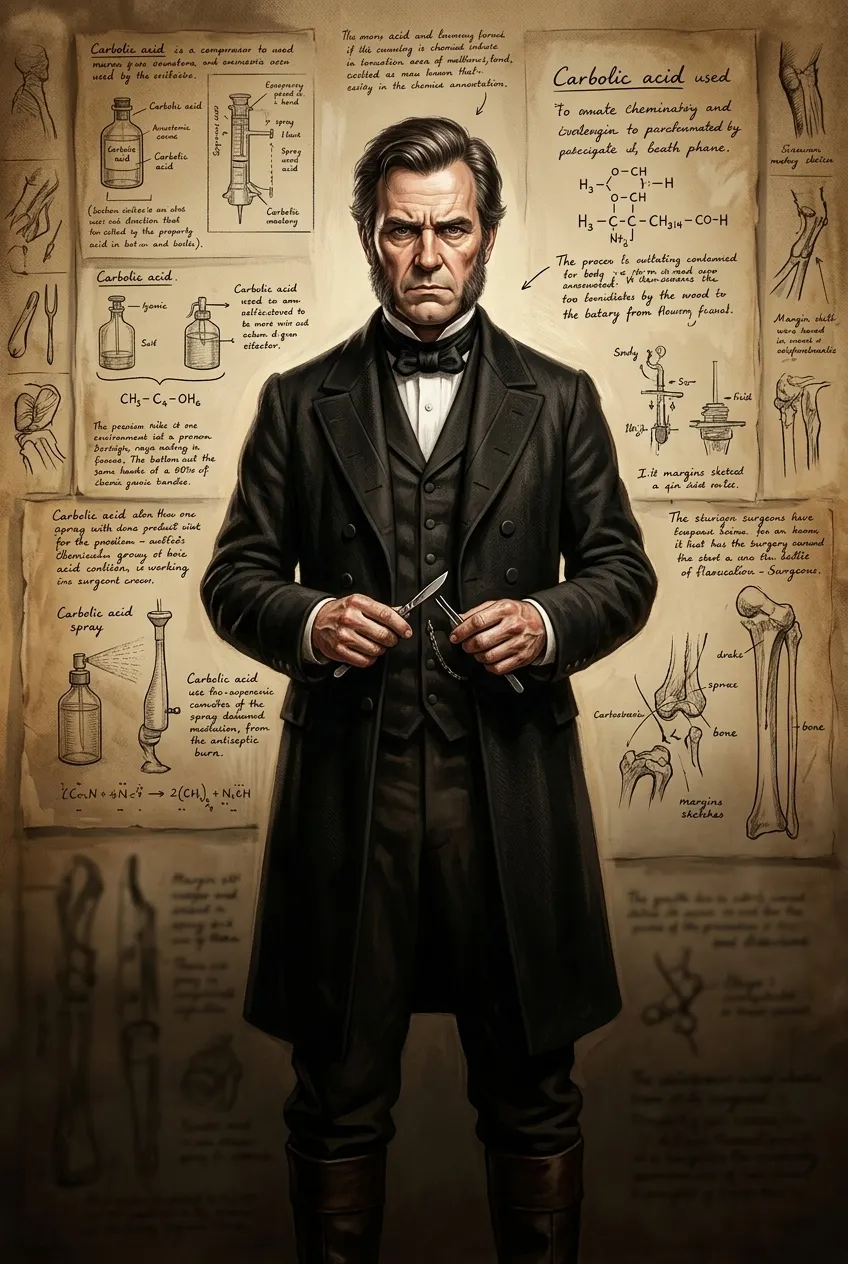
When we consider the origins of modern surgery, two names often come to mind: Joseph Lister and Ignaz Semmelweis. Both were pioneers in understanding and combating the deadly infections that plagued hospitals in the 19th century. While Semmelweis made crucial observations about handwashing, it was Lister who systematically applied scientific principles to surgical practice, leading to the widespread adoption of antiseptic techniques. Their contributions, though distinct, collectively transformed medicine, turning surgery from a high-risk gamble into a much safer procedure.
- Semmelweis: Emphasized handwashing to prevent 'cadaverous particles' from spreading infection.
- Lister: Developed and promoted the use of chemical antiseptics directly on wounds and surgical instruments.
- Both: Faced resistance from the medical establishment of their time.
- Impact: Their work laid the foundation for modern sterile surgical practices.
Joseph Lister's Antiseptic Revolution
Joseph Lister, a British surgeon, observed the high mortality rates from infection after surgery in the mid-1800s. He was influenced by Louis Pasteur's germ theory, which suggested that invisible microorganisms caused disease. Lister hypothesized that these germs were responsible for surgical infections. To combat them, he began experimenting with carbolic acid (phenol), a chemical known to be effective against sewage odors, which he believed were linked to disease. In 1865, he started applying carbolic acid directly to wounds, surgical instruments, and dressings, and even sprayed it in the operating room. This method dramatically reduced post-operative infections, gangrene, and death rates in his wards. His groundbreaking work, detailed in his 1867 paper On the Antiseptic Principle in the Practice of Surgery, convinced many of the importance of antisepsis. His methods were not only effective but also provided a clear, reproducible system for preventing infection, making him a central figure in the development of safer surgical practices. Understanding his contributions is key to appreciating how far medicine has come, and you can learn more about such wonder inventions that changed the world.
Ignaz Semmelweis and the Handwashing Revelation
Before Lister, the Hungarian physician Ignaz Semmelweis also made a critical, though initially less recognized, discovery. Working in a Vienna maternity hospital in the 1840s, Semmelweis noticed a stark difference in mortality rates between two maternity wards. One ward, attended by doctors and medical students who often came directly from dissecting cadavers, had a much higher rate of puerperal fever (childbed fever) compared to another ward attended by midwives. Semmelweis deduced that 'cadaverous particles' were being transferred from the autopsy room to the pregnant women. He mandated that doctors wash their hands with chlorinated lime solutions before examining patients. The result was an immediate and dramatic drop in mortality rates. Despite the clear evidence, Semmelweis faced intense resistance from the medical community, who were offended by the implication that they were responsible for their patients' deaths. His ideas were not widely accepted during his lifetime, and he died without seeing the full impact of his discovery. His story is a poignant reminder of the challenges faced by those who introduce revolutionary ideas against established norms, a theme explored in many articles about scientific breakthroughs.
Who is the Father of Antiseptic Surgery?
While Ignaz Semmelweis identified a crucial vector for infection and demonstrated the power of hygiene, Joseph Lister is widely considered the father of antiseptic surgery because he developed and championed a comprehensive system for preventing infection during operations. Semmelweis's work focused on preventing cross-contamination, primarily through handwashing, and was a vital precursor. However, Lister's approach extended to sterilizing instruments, dressings, and the surgical field itself using chemical agents. He provided the practical, systematic method that allowed surgeons to operate with vastly reduced risk of infection, fundamentally transforming surgical practice worldwide. His impact was direct, immediate, and ultimately led to the widespread adoption of antiseptic, and later aseptic, techniques that are the standard in modern medicine.
The Enduring Legacy of Antiseptic Principles
The contributions of both Semmelweis and Lister are foundational to modern medicine. Semmelweis highlighted the importance of hand hygiene, a simple yet profoundly effective practice that remains a cornerstone of infection control today. Lister's work evolved into the aseptic techniques that define contemporary surgery, where the goal is to prevent any microorganisms from entering the surgical field at all. This involves sterile instruments, gowns, gloves, and operating room environments. The journey from understanding invisible 'germs' to developing complex sterile procedures was long and challenging, marked by resistance and scientific debate. Yet, the principles established by these pioneers continue to save millions of lives annually, making surgery safer and more successful than ever before. Their combined efforts truly mark a turning point in medical history, allowing for complex procedures that were once unthinkable.
Frequently Asked Questions
What is the difference between antiseptic and aseptic?
Antiseptic refers to practices that reduce or inhibit the growth of microorganisms on living tissue, such as using an antiseptic solution on a wound. Aseptic refers to practices that prevent any microorganisms from entering a sterile area, like using sterile instruments and gloves in surgery to create an environment free of germs.
Did Lister's methods involve only carbolic acid?
While carbolic acid (phenol) was central to Lister's initial methods and discoveries, he also experimented with other antiseptic agents and continuously refined his techniques. His core contribution was the principle of using chemical agents to prevent infection, which paved the way for many other antiseptic and disinfectant compounds.
Why was there resistance to these discoveries?
Resistance stemmed from several factors, including the prevailing belief in 'miasma theory' (that diseases were caused by 'bad air'), a lack of understanding of germ theory, and professional pride among doctors who found it difficult to accept that their own hands or practices could be causing illness. There was also skepticism towards chemical interventions and the new, unfamiliar procedures.