Learning Storytelling: The Human Touch in an AI World
Discover how storytelling is evolving with AI, who it affects, and what remains essential in crafting compelling narratives.
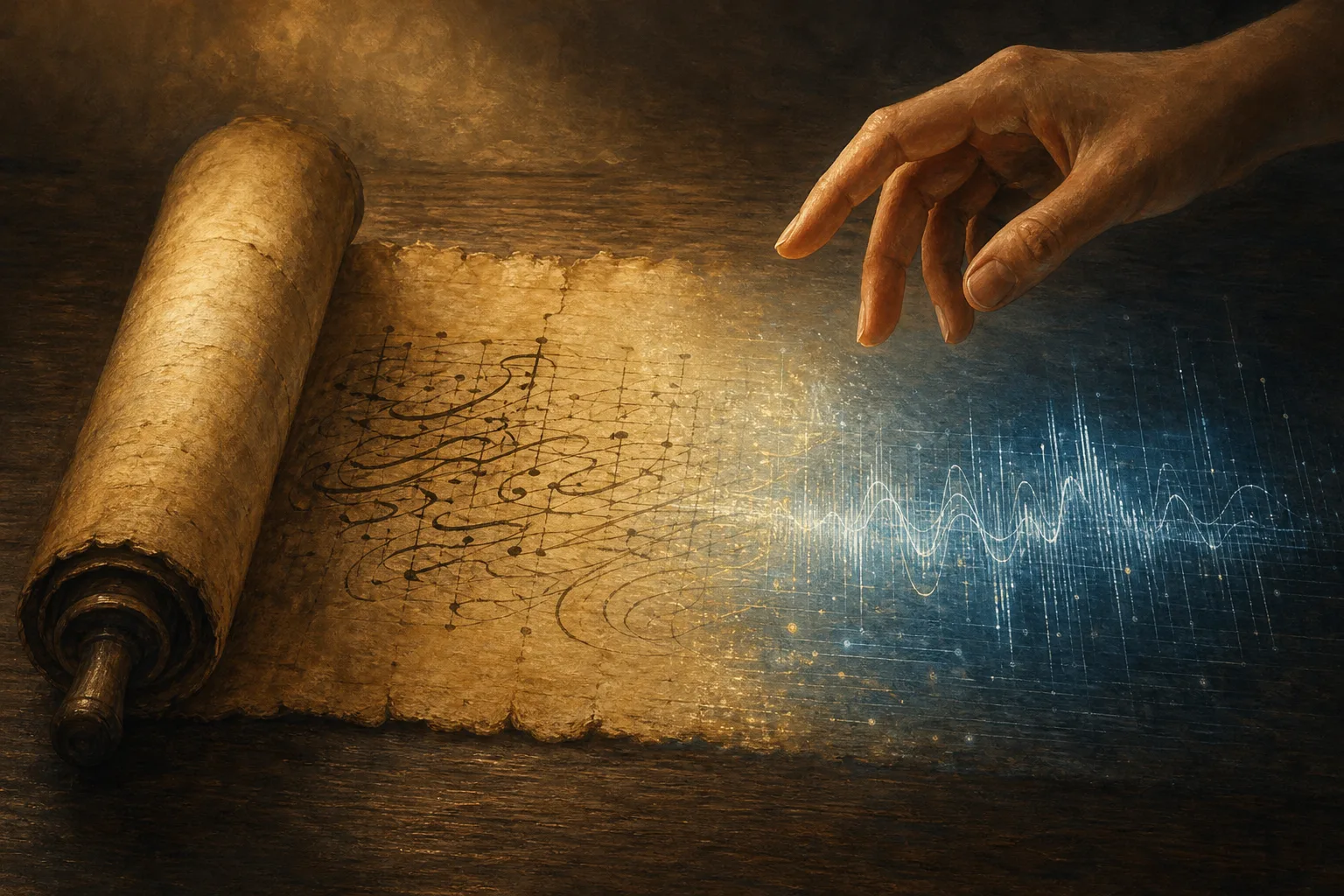
Learning storytelling is ultimately about understanding human connection and crafting narratives that resonate. While tools can assist, the core of compelling storytelling remains a deeply human endeavor, rooted in empathy, experience, and the desire to communicate meaning.
The honest short answer is that storytelling is learned through practice, observation, and a deep engagement with stories themselves. The landscape for this learning is, however, rapidly changing, presenting both exciting possibilities and significant challenges for creators across various mediums.
The Shifting Sands of Story Creation
In recent years, the publishing and creative industries have seen a significant shift with the maturation of generative artificial intelligence. This technology has introduced new ways to create content, from text to images, at speeds and scales previously unimaginable. For many, this represents a powerful new assistant, capable of handling repetitive tasks or generating initial drafts. For others, it raises profound questions about authorship, originality, and the value of human creative labor.
Who Does AI Affect in Storytelling?
The impact of generative AI is felt across a wide spectrum of creative professionals. Writers, illustrators, translators, and narrators are all finding their roles evolving. Some embrace these tools as a means to enhance productivity and explore new creative avenues, allowing them to focus on higher-level conceptual work. Others express concern about the potential for devaluing human artistry and the ethical implications of using vast amounts of existing creative works to train these systems.
I am not the one who wrote a famous novel. I am presenting it in an original way: with illustration, rewritten in ten simple pages, translated, narrated. All of that is original work.
The Tension Between Efficiency and Artistry
The central tension lies in balancing the efficiency offered by AI with the intrinsic value of human artistry. While AI can quickly produce content, the direction, the nuanced choices, and the specific "voice" that makes a story unique still largely originate from human intent. The debate often centers on where the line is drawn: is AI a sophisticated tool, or does it become a substitute for genuine creative input? Publishers and platforms are grappling with how to integrate these new capabilities while respecting the contributions of human creators and maintaining the quality and authenticity readers expect. This new landscape requires a re-evaluation of creative workflows and a clear understanding of what constitutes original work in an increasingly automated world. Many are looking for new models that support both human and technological contributions. One interesting example of this evolution can be found in a library of illustrated books that launched in August 2026.
A Publisher's Approach to Storytelling
The library, WonderBooks, provides a compelling case study in this evolving environment. Its approach to storytelling centers on known material – real history, established scientific concepts, and famous tales – retold with a specific creative treatment. Each story is presented in a strict ten-page format, with a unique painting for every page. The emphasis is not on inventing new plots, but on the telling itself: the direction, the visual composition, and the consistent character portrayal across a book. This means that the creative work lies in selecting what to show, what to emphasize, and what to omit, ensuring the narrative remains engaging and clear. The founder's vision for this kind of directed storytelling was tested years earlier, in 2016, with a prototype that garnered significant interest, including being picked top 10 of about 155 startups to pitch at Harvard Arab Weekend that year, and reaching 975 ratings and 255,988 downloads on Google Play. This early success showed the idea had a readership, even if the project stopped due to production costs.
Direction as the Core of the Work
When generative AI matured, the founder continued what had been started, directing the technology through every job the library requires. This involves extensive research for factual accuracy, careful composition of visual elements under written rules, and meticulous crafting of text to fit a specific narrative style. A page or a draft that doesn't meet the exacting standards is rejected and remade, often multiple times. The publisher views AI as a powerful instrument under human guidance, enabling the creation of a vast library of illustrated stories in thirteen languages, with narration in fifteen. This commitment to directed creation ensures that while the tools may be new, the artistic vision and the focus on the reader's experience remain paramount. Every book, from history to philosophy, benefits from this hands-on direction, ensuring that the storytelling is always the primary focus, and that factual errors, when reported by a reader, lead to an immediate fix, a thank-you, and a link to the corrected page.
Frequently Asked Questions
What is the difference between writing and storytelling?
Writing is the act of putting words on a page, focusing on grammar, style, and structure. Storytelling is the broader art of crafting a narrative that engages an audience, often involving elements beyond just text, such as visuals, pacing, and emotional impact. One can write without telling a compelling story, and one can tell a story without writing it down.
Can anyone learn to be a good storyteller?
While some individuals may have a natural inclination for storytelling, it is largely a skill that can be developed through practice, learning narrative techniques, studying successful stories, and understanding human psychology. Like any craft, consistent effort and feedback are key to improvement.
How does AI impact the future of human storytellers?
AI is likely to change the roles of human storytellers rather than replace them entirely. It can automate certain tasks, generate ideas, or assist in production, freeing human creators to focus on higher-level conceptualization, emotional depth, and unique artistic vision. The future will likely see more collaboration between human ingenuity and AI capabilities.