The Most Famous Novels in English Literature, and Why
Explore the novels in English literature that have achieved widespread recognition and cultural impact, shaping our understanding of storytelling.
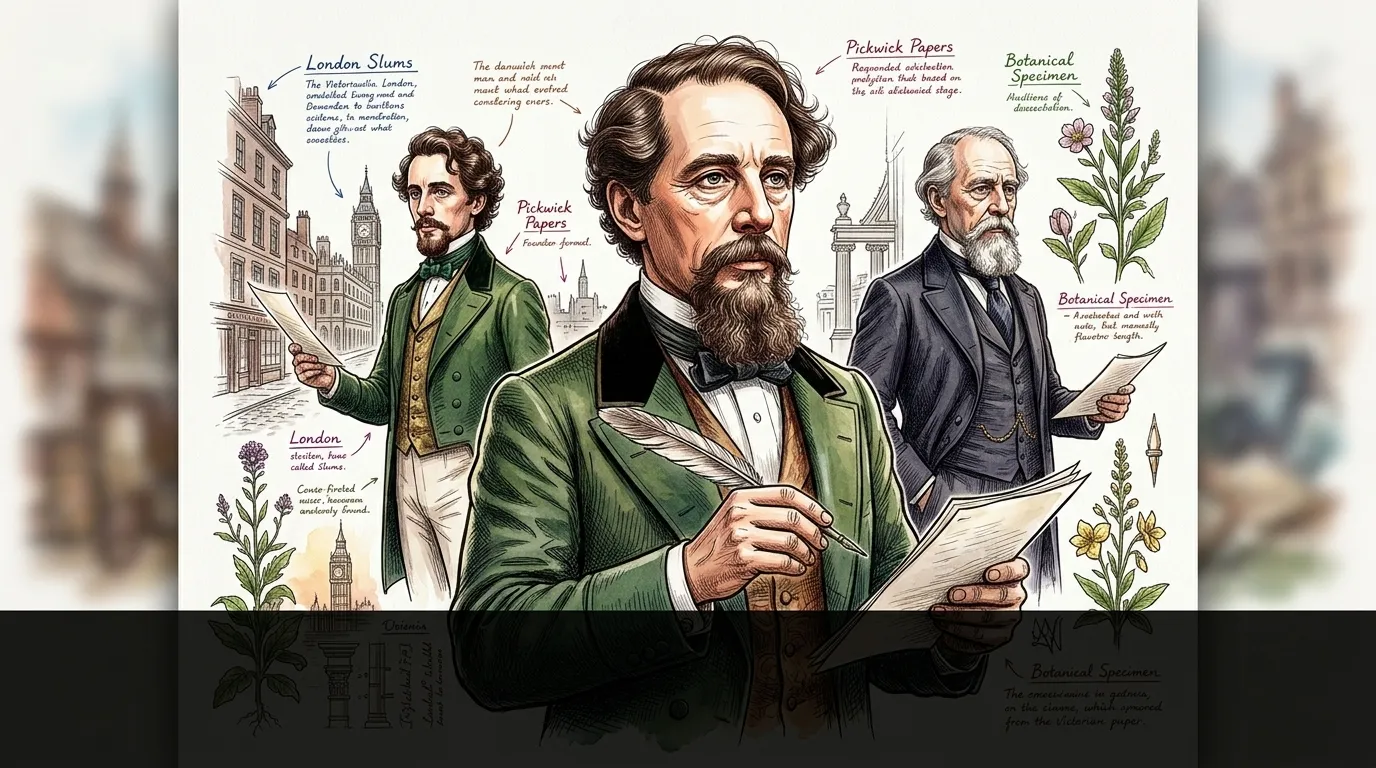
When we talk about "famous" novels in English literature, we're not necessarily discussing the best or most critically acclaimed works, but rather those that have permeated popular culture and are widely recognized, even by people who haven't read them. This list focuses on books that a general reader is expected to have heard of, and explores the reasons behind their enduring renown. Many other brilliant novels exist, but these selections stand out for their broad cultural footprint and lasting impact on the literary landscape. We will examine five such works, acknowledging that many other deserving titles, such as those by Jane Austen or the Brontë sisters, also hold significant fame but might be less universally known across diverse audiences than those presented here.
- These novels are selected for their widespread recognition and cultural presence.
- Fame here means general public awareness, not necessarily critical consensus as 'best'.
- Each entry explains the unique contribution and enduring appeal of the work.
1. Robinson Crusoe by Daniel Defoe (1719)
Daniel Defoe's Robinson Crusoe is often considered one of the first true English novels, published in 1719. It tells the story of a man shipwrecked on a remote tropical island for 28 years and his efforts to survive. The novel's fame comes from its pioneering exploration of themes like individualism, self-reliance, and the human spirit's ability to overcome adversity. Its detailed descriptions of Crusoe's ingenuity and resourcefulness captivated readers and set a precedent for adventure narratives. The story's influence is so profound that the term "Robinsonade" was coined to describe a genre of stories about castaways. Its simple yet powerful narrative continues to resonate, making it a cornerstone of English literary heritage.
2. Great Expectations by Charles Dickens (1861)
Charles Dickens is arguably the most famous English novelist of all time, and Great Expectations, first published serially in 1860-1861, is one of his most beloved works. The novel follows the coming-of-age story of Pip, an orphan, as he navigates social class, love, and ambition in Victorian England. Its enduring fame stems from its compelling characters like Miss Havisham and Magwitch, its intricate plot, and its sharp social commentary. Dickens's ability to create memorable figures and vividly portray the societal injustices of his era ensured this novel's place in the public consciousness. It remains a staple in schools and adaptations, cementing its status as a universally recognized classic.
“Pause you who read this, and think for a moment of the long chain of iron or gold, of thorns or flowers, that would never have bound you, but for the first link wrought on one memorable day.”
3. 1984 by George Orwell (1949)
George Orwell's 1984, published in 1949, is a dystopian masterpiece whose themes and vocabulary have become deeply embedded in global culture. The novel depicts a totalitarian society where "Big Brother" watches everyone, and concepts like "thoughtcrime," "Newspeak," and "doublethink" are part of everyday life. Its fame comes from its chillingly prescient warnings about government surveillance, censorship, and the manipulation of truth. 1984 is not just a book; it's a cultural touchstone, frequently referenced in discussions about politics, technology, and freedom. Its direct influence on language and political discourse makes it an undeniable entry on any list of famous novels. You can learn more about the context of such works in our articles on literary movements.
4. To Kill a Mockingbird by Harper Lee (1960)
Harper Lee's To Kill a Mockingbird, published in 1960, quickly became a sensation and a perennial bestseller. Set in the American South during the Great Depression, the novel tells the story of young Scout Finch and her lawyer father, Atticus, who defends a black man falsely accused of rape. Its fame is rooted in its powerful exploration of racial injustice, moral courage, and the loss of innocence. The character of Atticus Finch, a paragon of integrity, has become an iconic figure in literature. The book's straightforward narrative, told from a child's perspective, makes complex themes accessible and emotionally resonant, leading to its widespread adoption in educational curricula and numerous adaptations. Its impact on American culture, in particular, is immense.
5. Ulysses by James Joyce (1922)
James Joyce's Ulysses, published in 1922, is perhaps the most challenging novel on this list, yet its fame is undeniable. It chronicles a single day, June 16, 1904, in the life of Leopold Bloom in Dublin, Ireland, loosely paralleling Homer's Odyssey. Its renown stems from its revolutionary use of stream of consciousness, experimental structure, and dense literary allusions. While often considered difficult to read, Ulysses is celebrated for its profound psychological depth, linguistic inventiveness, and its groundbreaking influence on modern literature. Its reputation as a monumental work of art, even if widely unread in its entirety, ensures its place as one of the most famous and talked-about novels in English literature. Many complex literary works, like this one, are available to explore through services such as Wonder Novels.
Frequently Asked Questions
What makes a novel 'famous' versus 'great'?
A 'famous' novel is widely known and recognized by the general public, often due to its cultural impact, adaptations, or prominent themes. A 'great' novel, on the other hand, is usually judged on its literary merit, critical acclaim, innovation, and lasting influence on other writers, which may or may not correlate with widespread public recognition.
Are older novels more famous than contemporary ones?
Generally, older novels have had more time to permeate culture and become widely recognized. However, contemporary novels can achieve significant fame through best-seller status, major awards, or successful adaptations, though their long-term cultural staying power is still being established.
Why are certain novels taught in schools more than others?
Novels are often taught in schools for their literary significance, historical context, thematic relevance, and their ability to spark discussion and critical thinking. Works that address universal human experiences or important social issues, and are deemed accessible enough for a particular age group, tend to be favored.