Solo Founders: What's Driving the Publishing Revolution?
Discover what a solo founder truly is in the modern publishing landscape and how a single vision can transform book creation.
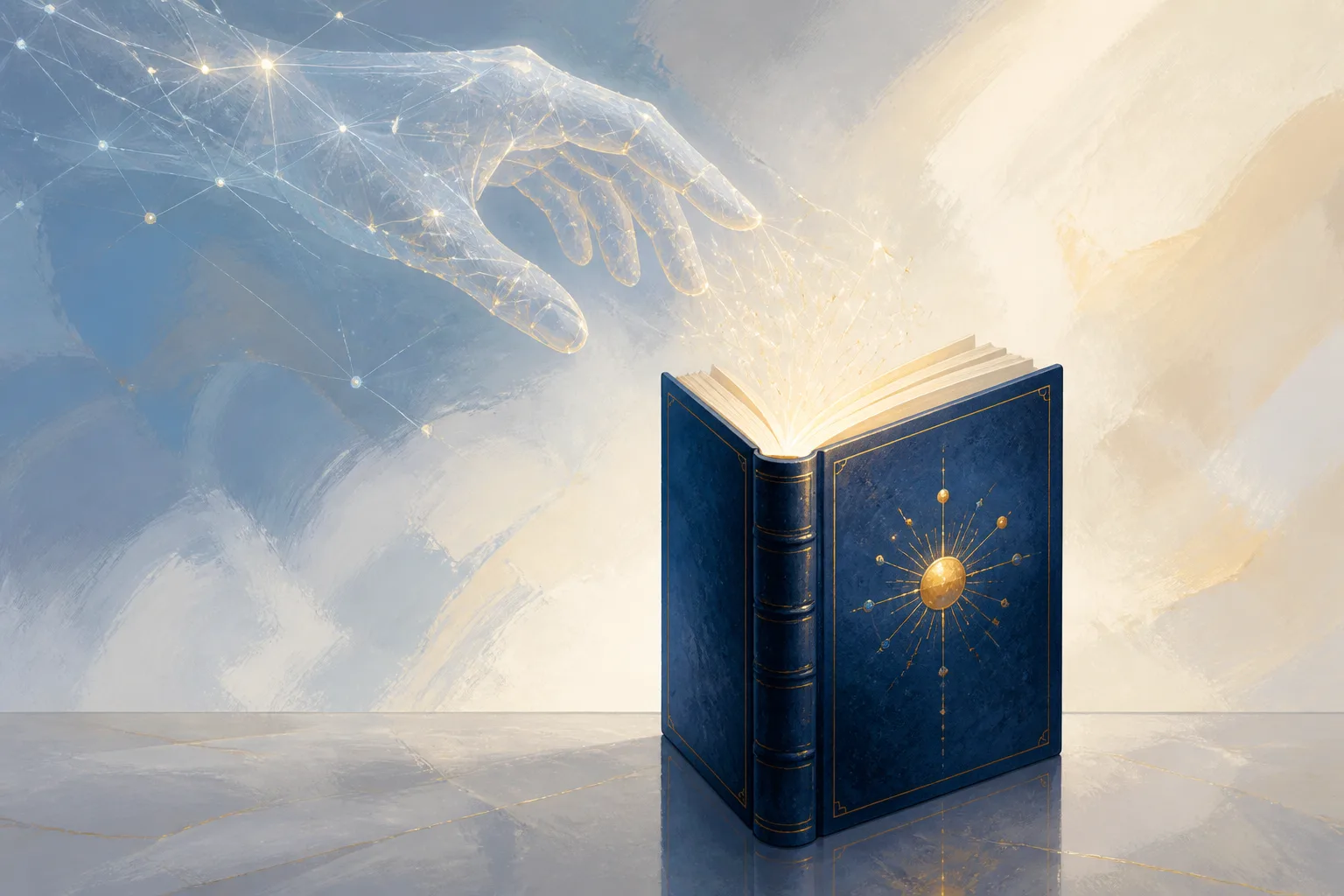
A solo founder is an individual who launches and leads a startup enterprise without co-founders. In the context of publishing, this means one person is responsible for every aspect of bringing a book or library of books to readers, from concept to delivery. This model is gaining new traction with the maturation of generative AI tools, allowing a single individual to undertake tasks that traditionally required a large team.
I was stopped because scaling was impossible before. Once I found that it was possible, I continued what I started. I didn't start from scratch.
The Resurgence of the Solo Vision
For decades, launching a publishing house meant assembling a diverse team: writers, editors, illustrators, translators, narrators, marketers, and distribution specialists. This model required significant capital and coordination, often making it inaccessible to individuals with a singular vision but limited resources. The rise of sophisticated digital tools and, more recently, generative AI, has dramatically lowered these barriers. Now, one person can direct complex processes, from generating initial content to preparing it for multiple platforms and languages, all from a single workstation. This shift is reshaping who can become a publisher and what kind of content can be produced.
Who Benefits and Who Is Challenged?
This new era of solo founding offers immense opportunities for creative individuals who previously lacked the means to bring ambitious projects to life. It democratizes access to publishing, allowing unique voices and niche subjects to find their audience without passing through traditional gatekeepers. For readers, it means a wider array of content, often produced with a unified artistic vision that might be diluted in a larger production pipeline. However, this transformation also presents challenges. Traditional publishing houses face pressure to adapt their models, while established professionals in creative fields, such as illustrators and translators, grapple with the changing demand for their services. The tension lies in balancing the efficiency and accessibility offered by new technologies with the desire to preserve traditional crafts and ensure fair compensation across the creative ecosystem. The debate over the role of human creativity versus machine assistance in the arts is a central part of this ongoing conversation.
The Publisher's Journey: From Prototype to Product
The path of one publisher illustrates the evolution of the solo founder in this new landscape. In 2016, a prototype called My Wonder Books was created, featuring eighteen stories meticulously crafted by human writers, illustrators, translators, and narrators, all personally directed by a single founder. This early effort, which gathered 975 ratings and 255,988 downloads on Google Play and was picked top 10 of about 155 startups to pitch at Harvard Arab Weekend, demonstrated a clear reader demand for the concept. However, the production model, with every page requiring a paid painting, proved unsustainable for scaling. The project eventually stopped, not due to lack of interest, but because the cost of handmade production was prohibitive, and a production partner never materialized.
Resilience and Reinvention
When generative AI matured, the founder revisited the proven idea. This time, instead of hiring a large team, the founder directed sophisticated AI tools through every necessary job: writing, illustration, translation, narration, and the development of mobile platforms, stores, and marketing. This approach allowed for the creation of a vast library of illustrated books covering history, philosophy, science, art, invention, travel, and literature, alongside a dedicated shelf for children. The library, which launched in August 2026, now hosts 2,341 illustrated books, totaling 29,179 painted pages, with each book available in thirteen languages and narrated in fifteen, with audio synced to the on-page text. The publisher focuses on known material—real history, real science, famous tales—ensuring that the quality of the telling is what truly stands out. Facts are rigorously researched before writing, and any page falling short of standards is remade. A reader reporting a mistake receives a fix, a thank-you, and a link to the corrected page. The founder, who is Egyptian, ensures Arabic is a founding language and is checked first, recognizing its complexity.
Impact and Future Directions
This experience highlights how a solo founder, empowered by technological advancements, can achieve a scale and breadth of content that would have been unimaginable a few years ago. It underscores a shift in the publishing industry, where the ability to direct and curate powerful tools is becoming as crucial as the traditional skills of creation. The legacy app from 2016 remains live, a testament to the artists who contributed to its initial success and the foundational idea it proved. This model suggests a future where publishing can be more agile and responsive, with a single individual maintaining creative control over an extensive and diverse collection of works. The emphasis remains on delivering high-quality, engaging content to a global audience, leveraging technology to overcome previous limitations and explore new frontiers in storytelling and education. For more insights into how technology is changing publishing, you can explore other articles at WonderBooks Editorial.
Frequently Asked Questions
Are solo founders common in other industries?
Yes, solo founders are prevalent across many tech-driven sectors, particularly in software development and online services. The ability to leverage digital tools and outsource specialized tasks has made it feasible for individuals to launch and grow companies in various fields.
How do solo founders manage all the roles traditionally handled by a team?
Solo founders often achieve this by carefully selecting and directing advanced technological tools, such as generative AI for content creation or automated marketing platforms. They also prioritize efficiency and focus on core competencies, sometimes outsourcing highly specialized tasks that cannot be automated.
What are the biggest challenges for a solo founder in publishing?
Significant challenges include maintaining consistent quality across a large volume of content, managing the technical complexities of various platforms, and staying current with rapidly evolving technologies. Balancing creative vision with the demands of business operations also requires considerable dedication and skill.