Startup: A Good Show for Publishing's New Era?
Is *Startup* a good show to understand the shifting landscape of publishing and the role of new technologies?
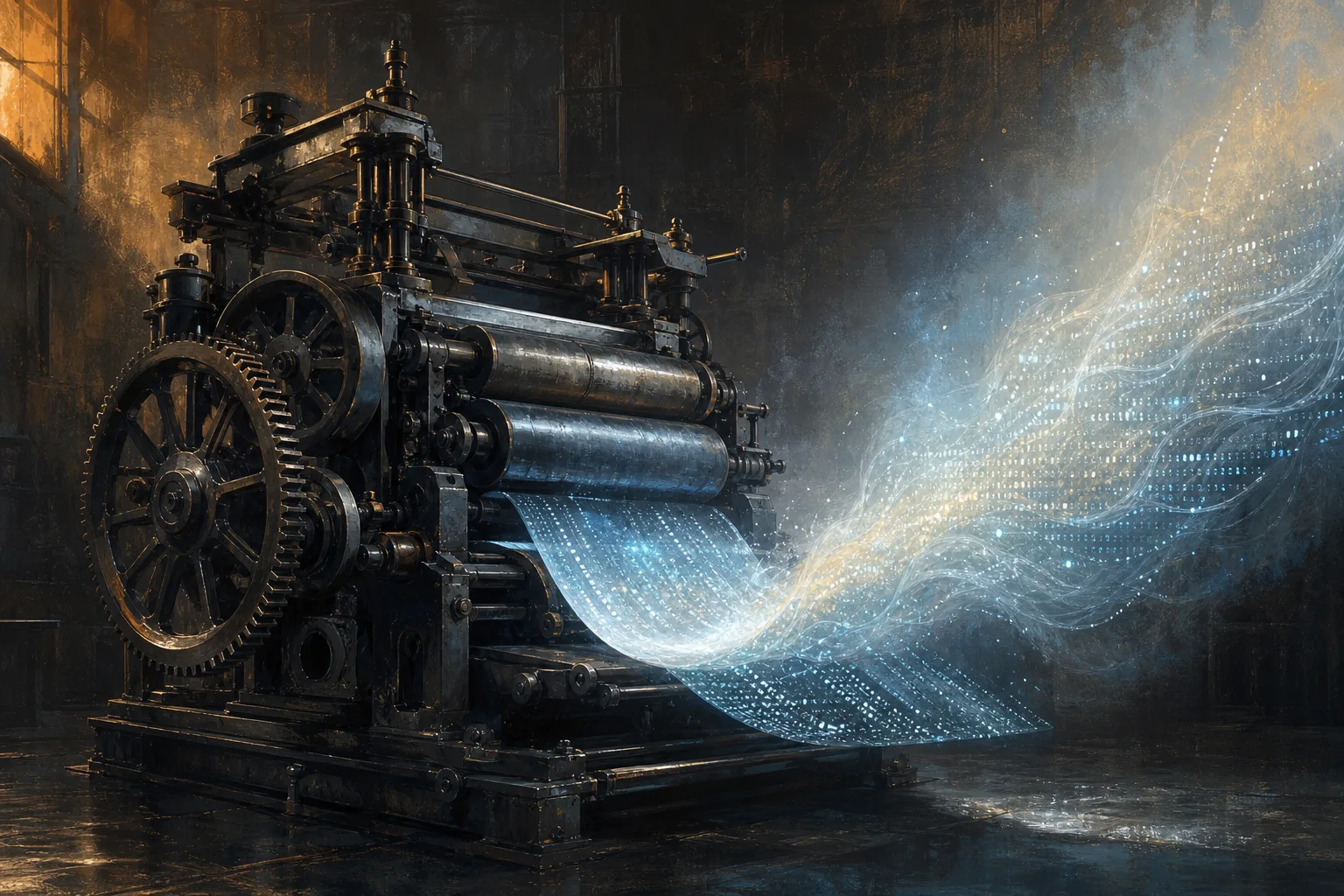
Yes, Startup is a good show to understand the tensions and potential of new ventures, especially when considering how technology reshapes established industries like publishing. It offers a dramatic, albeit fictionalized, look into the world of rapid development, ambitious founders, and the challenges of bringing new ideas to fruition.
The series captures the high stakes and ethical quandaries that often accompany disruptive innovation, themes deeply relevant to the current discourse around artificial intelligence and its impact on creative fields. Viewers seeking insight into the cultural and financial pressures faced by new companies will find its narrative compelling.
The Publishing World in Flux
For decades, the publishing industry operated on well-established models, with distinct roles for authors, illustrators, editors, translators, and distributors. Each stage involved significant human effort and time, contributing to the cost and pace of book production. The advent of digital tools brought changes, but the core processes largely remained intact.
New Tools, Old Debates
In the last few years, the rise of generative artificial intelligence has introduced a profound shift, sparking both excitement and apprehension. On one side, proponents see the potential for unprecedented efficiency, allowing creators to produce content faster and at a scale previously unimaginable. This could democratize access to publishing, enabling more voices to be heard and stories to be told. The tools can assist with everything from initial drafts to illustrating complex scenes and translating works into many languages.
Concerns and Creative Futures
On the other side, many in the creative community express significant concerns. Questions arise about authorship, originality, and the impact on human artists and writers whose livelihoods depend on their craft. There is a tension between the perceived speed and cost-effectiveness of AI-generated content and the unique value of human creativity, experience, and nuanced understanding. Discussions often revolve around fair compensation, the source of training data for these new tools, and the long-term implications for the quality and diversity of published works. These conversations are not merely theoretical; they affect how publishing houses operate, how contracts are drawn up, and how readers perceive the content they consume. The landscape is changing rapidly, and the industry is actively grappling with how to integrate these powerful new capabilities responsibly while preserving the integrity of creative work. Learn more about publishing trends.
A Library Built for the New Era
What does this mean in practice? Consider the example of a publisher like WonderBooks. The library, which launched in August 2026, represents a complete re-imagining of the publishing workflow. Its founder, in 2016, created a prototype called My Wonder Books. This early version showcased eighteen hand-made stories, engaging human writers, illustrators, translators, and narrators. It was selected to pitch at Harvard Arab Weekend that year, and it garnered significant interest, reaching 975 ratings and over 255,988 downloads on Google Play. However, scaling proved impossible; the cost of producing each painted page by hand limited its growth. The project paused, not due to lack of demand, but due to the economic realities of traditional production.
I was stopped because scaling was impossible before. Once I found that it was possible, I continued what I started. I didn't start from scratch.
When generative AI matured, the founder continued what he had started. Now, the library directs AI through every job a publishing company needs: writing, illustration, translation, and narration. This approach allows for the creation of a vast collection of illustrated books across twelve subject libraries—history, philosophy, science, art, invention, travel, literature, and a dedicated shelf for children. Every book is available in thirteen languages, narrated in fifteen, with audio synced to the text on the page. The focus is on known material—real history, real science, famous tales—ensuring that the quality of the telling is what readers judge. Facts are thoroughly researched, and any reported mistake leads to a fix, a thank-you, and a link to the corrected page. Arabic is a founding language and is checked first due to its complexities. This model demonstrates how a single founder can direct sophisticated tools to build an extensive library, offering a glimpse into the future of scalable content creation. Explore more about how publishing changes.
Frequently Asked Questions
Will AI replace human writers and artists?
The role of human creators is evolving. While AI can generate content, the direction, refinement, and artistic vision often still come from human oversight. Many believe AI will become a powerful tool for creators, augmenting their abilities rather than fully replacing them.
How can I ensure the accuracy of AI-generated content?
Accuracy remains a critical concern. Publishers employing AI often implement rigorous fact-checking and editorial processes, similar to or even more stringent than traditional methods. Human review and verification are essential steps before publication.
What are the ethical considerations for AI in publishing?
Key ethical considerations include the provenance of data used to train AI models, intellectual property rights, potential biases in generated content, and transparency regarding AI's involvement in creation. These are active areas of discussion and policy development within the industry.