Startup Repair Can Delete Files: What Publishers Need to Know
Does startup repair delete files? This question often hides deeper concerns about data integrity when new ventures emerge in publishing.
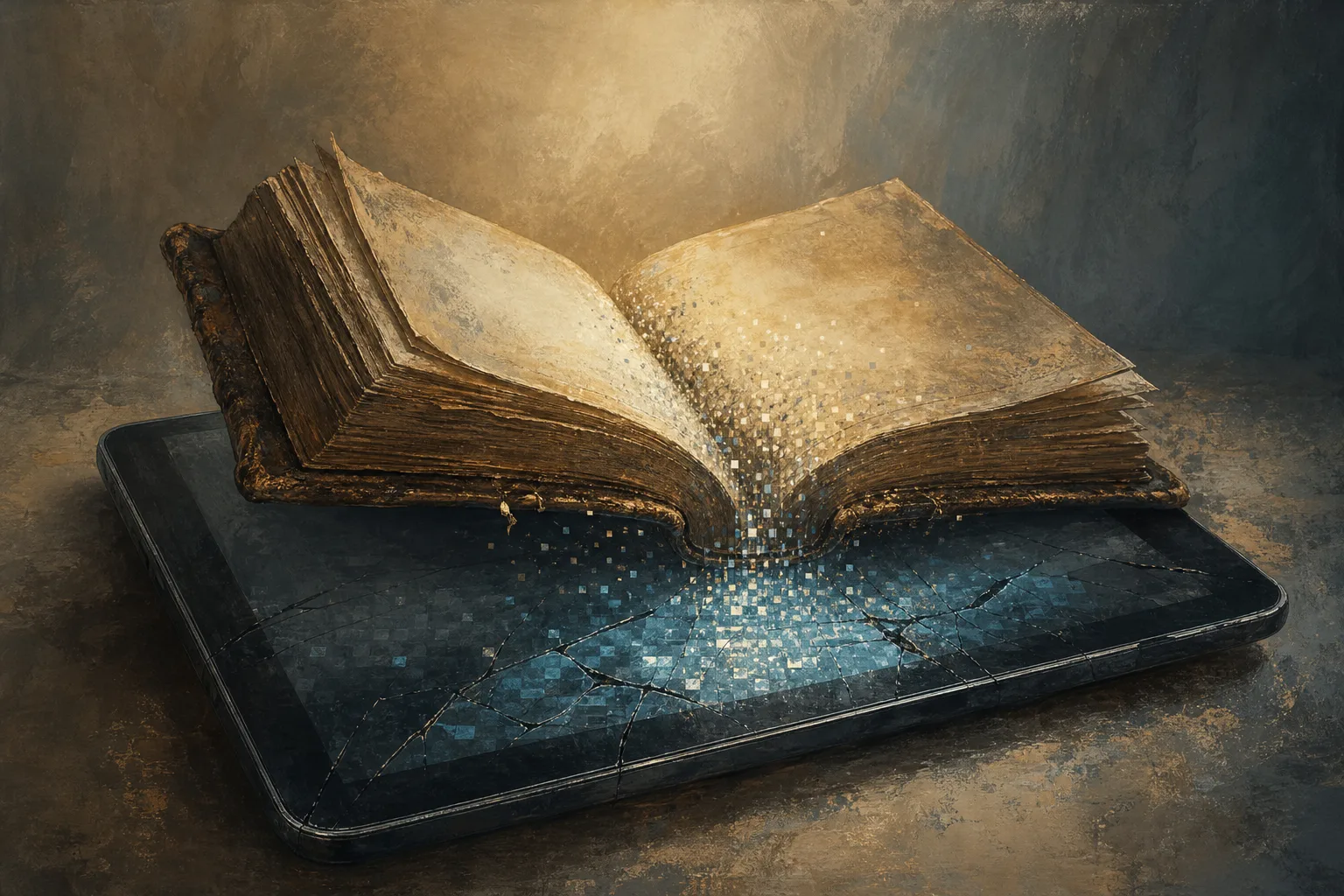
No, a typical "startup repair" process in the context of computing systems is not designed to delete user files. Its primary goal is to fix system issues that prevent a computer from booting correctly, often by restoring system configurations or repairing corrupted boot files. However, when we ask if a startup – a new venture – can delete files, the question takes on a different meaning, especially in the publishing world where digital assets are paramount.
The concern isn't about accidental deletions by a technical process, but rather about the potential disappearance or devaluation of creative works as new business models and technologies emerge. This is a very real anxiety for authors, illustrators, and traditional publishers who see the landscape shifting rapidly. The digital rights to a work, the platform it's available on, and even its perceived value can all be affected by the rise of new entrants and disruptive technologies.
The Shifting Landscape of Publishing
For decades, the publishing industry operated on established models: authors submitted manuscripts, publishers edited and printed books, and bookstores sold them. Digital distribution brought significant changes, but the core relationships and value chains largely remained. In the last few years, however, the maturation of generative AI has introduced a new dynamic. This technology can produce content, illustrations, and even narrations at a scale and speed previously unimaginable. This raises fundamental questions about authorship, ownership, and the very nature of creative work.
Who is Affected and What is the Tension?
The tension primarily exists between established creators and institutions, and the innovators leveraging new tools. Authors worry about their work being used to train systems without consent or compensation, leading to a devaluation of their craft. Illustrators see a future where their unique styles might be replicated by machines, impacting their livelihoods. Traditional publishers grapple with how to integrate these new capabilities, or whether to resist them, while maintaining their existing business structures and relationships. On the other side, startups often argue that they are democratizing creation, making storytelling accessible to more people, and exploring new artistic frontiers. They point to the efficiency and scalability that advanced tools offer, allowing for rapid iteration and broader reach. The core conflict is often about value: where it resides, who creates it, and who benefits from it in an evolving digital ecosystem.
Navigating the New Creative Economy
The fear of creative works being 'deleted' or made irrelevant by new technologies is not entirely new; similar anxieties arose with the advent of digital music, online news, and self-publishing platforms. However, the speed and capability of current generative tools amplify these concerns. Publishers, both new and old, are exploring various approaches to this challenge. Some are experimenting with AI to assist in editing or marketing, while others are developing entirely new production pipelines. The key is often finding ways to enhance human creativity rather than replace it, ensuring that the unique voice and vision of creators remain central. The conversation around ethical use and fair compensation for original works is ongoing and central to shaping the future of publishing. Readers, meanwhile, benefit from a wider array of stories and formats, often at more accessible points of entry. For example, many digital libraries now offer extensive collections that span diverse subjects and languages, enhancing global access to knowledge and stories. You can explore more about these trends in publishing by visiting our articles section.
I was stopped because scaling was impossible before. Once I found that it was possible, I continued what I started. I didn't start from scratch.
One Publisher's Approach to New Tools
The journey of WonderBooks offers a practical example of navigating these shifts. The founder first built a prototype called My Wonder Books in 2016, which featured eighteen hand-made stories. This early version involved human writers, illustrators, translators, and narrators, all personally directed by him. It gained considerable traction, reaching over 255,988 downloads and 975 ratings on Google Play, and was recognized at Harvard Arab Weekend that year. However, the project eventually paused because the cost of creating each painted page by hand made scaling impossible. The demand for the idea was proven, but the production model was unsustainable at that time. When generative AI matured, the founder saw an opportunity to continue what he had started. He began directing advanced tools through every job a publishing company needs: writing, illustration, translation, narration, platform development, and marketing. This approach allows for the creation of a vast library of illustrated books, with each page featuring a finished painting, across twelve subject libraries and in multiple languages. The library, which launched in August 2026, focuses on known material—real history, science, and famous tales—so that the quality of the telling is what stands out. Facts are rigorously researched, and any page falling short of standards is remade. This method emphasizes human direction and judgment at every step, ensuring that the creative vision guides the tools, rather than being dictated by them. The publisher's commitment to accuracy and quality is evident in its process: a reader reporting a mistake receives a fix, a thank-you, and a direct link to the corrected page. This blend of human oversight and technological capability allows the library to offer 2,341 illustrated books with 29,179 painted pages, each available in thirteen languages and narrated in fifteen, with audio synced to the text.
Ensuring Creative Integrity in a New Era
The question of whether a "startup repair" deletes files, when applied to the publishing industry, boils down to how new ventures and technologies impact existing creative works and future creations. It's less about accidental deletion and more about the deliberate choices made by innovators and the responses from established players. Publishers like the one described demonstrate that it is possible to embrace powerful new tools while maintaining a strong commitment to quality, accuracy, and artistic direction. The emphasis remains on the story, the illustration, and the reader's experience, with technology serving as an enabler rather than a replacement for human creative oversight. This approach suggests a path forward where innovation can expand access to stories and knowledge without diminishing the value of creative effort. For more insights into the evolving world of digital content, you can visit our main page.
Frequently Asked Questions
How do new technologies affect author compensation?
The impact on author compensation is a complex and evolving issue. Some models propose new royalty structures based on consumption or licensing, while others explore direct creator-to-reader relationships. The debate often centers on fair remuneration when content creation processes become more efficient or when works are used in training data.
Are AI-generated books considered original works?
The originality of works created with AI tools is a subject of ongoing discussion in legal and creative circles. While the tools can generate content, the human input—in terms of conception, direction, editing, and curation—is often considered crucial for establishing authorship and originality. Legal frameworks are still catching up to these new forms of creation.
What role do human editors and illustrators play in AI-assisted publishing?
Human editors and illustrators remain vital, even with advanced tools. They provide the vision, refine the output, ensure accuracy, and imbue works with artistic sensibility that machines cannot replicate. Their role shifts from purely manual creation to directing and curating, ensuring the final product meets high standards of quality and artistic intent.