Storytelling: Why Does It Matter So Much?
Storytelling matters because it is how humans make sense of the world, connecting us to shared experiences and ideas.
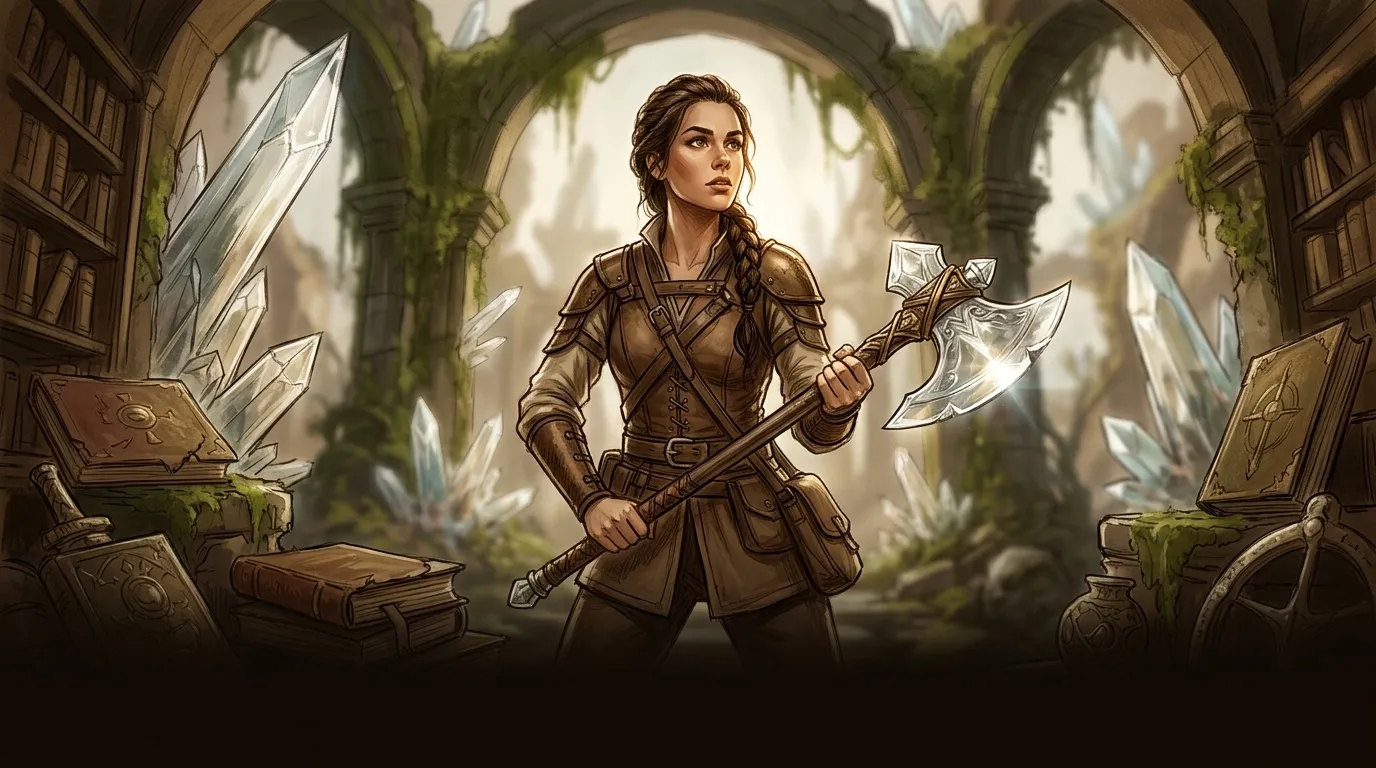
Storytelling is fundamental to the human experience. It's how we transmit knowledge, build communities, and understand ourselves. From ancient myths to modern novels, stories provide context, meaning, and a way to navigate the complexities of life.
In essence, stories help us process information and emotions, making abstract concepts relatable and memorable. They are not merely entertainment; they are essential tools for learning and connection. This enduring power of narrative is now encountering new forces in the world of books and publishing.
- Stories have long been the primary way cultures pass down traditions and lessons across generations.
- They foster empathy by allowing us to experience different perspectives and emotions.
- Narratives provide a framework for understanding complex historical events and scientific discoveries.
- The act of sharing stories creates bonds and a sense of shared identity within groups.
People know them, but they see different drawings, and it is only ten pages, so that interests them to check it out.
The Evolving Landscape of Story Creation
The landscape of storytelling is undergoing a significant transformation. For decades, the creation of published stories involved a well-defined chain of human writers, illustrators, editors, and publishers. This traditional model, while robust, often faced limitations in scale and accessibility, particularly for niche subjects or diverse linguistic audiences. Now, the maturation of generative AI tools introduces new possibilities and tensions. Publishers and creators are exploring how these tools can assist in various stages of content creation, from initial drafts to final illustrations and translations. This shift raises questions about authorship, the nature of creative work, and the economic models that sustain creators.
Directing the Narrative: A Publisher's Experience
One publisher's journey illustrates how the core value of storytelling remains paramount, even with new methods of creation. The founder, driven by a vision to make knowledge accessible, first explored traditional means. In 2016, a prototype called My Wonder Books emerged, featuring eighteen hand-made stories with human writers, illustrators, translators, and narrators. This early effort garnered 975 ratings and 255,988 downloads on Google Play, demonstrating a clear demand for its approach. However, the costs associated with this intensive human-driven production limited its expansion. The project stopped at eighteen stories, not due to lack of interest, but because of the financial demands of funding every page by hand. When generative AI matured, the founder saw an opportunity to continue this work, directing AI through every job the library needs, from text generation to illustration and narration. This allowed the vision of a vast, accessible library to move forward.
The Craft of Telling, Not Just Plot
The library, which officially launched in August 2026, focuses intently on the telling of the story. Every book consists of ten pages, each with a distinct painting. This structure is applied across twelve subject libraries, from history to philosophy, science, and literature, and includes a dedicated shelf for children. The material itself is often known — real history, established scientific concepts, famous tales. The innovation lies in the treatment: a chosen style, strict structural rules for composition, and consistent character designs. The publisher emphasizes that the plot is rarely the novel element; instead, it is the direction—what the story aims to achieve, how it is visually presented, and what is deliberately excluded—that constitutes the creative work. Facts are rigorously researched before writing, and any page or draft falling short is remade. This commitment ensures that the integrity of the content is maintained, offering readers illustrated books across thirteen languages, with narration in fifteen, synced to the text on each page. For example, Arabic is a founding language and is checked first due to its complexities, reflecting the founder's heritage and commitment to accuracy across all linguistic versions. You can explore more about this approach to storytelling on the publisher's main page or delve into the articles discussing innovative approaches to digital publishing.
Frequently Asked Questions
How does AI impact the authenticity of a story?
The authenticity of a story still largely depends on human direction and curation. AI tools can generate content, but human oversight ensures that the narrative aligns with factual accuracy, cultural nuances, and the intended emotional impact. It's a tool, not a replacement for creative intent.
Can AI truly understand the emotional depth required for compelling storytelling?
While AI can process and mimic patterns in human language and emotional expression, its 'understanding' is computational rather than experiential. The emotional depth in a story typically comes from the human creator who guides the AI, infusing the narrative with genuine feeling and purpose based on their own experiences.
What role do human illustrators and translators play in a world with generative AI?
Human illustrators and translators continue to play crucial roles. Even when AI generates initial visuals or translations, human artists often refine, adapt, and ensure the work resonates culturally and aesthetically. Their expertise in nuance, style, and accuracy remains invaluable, often working in collaboration with AI tools.