What are the top 10 fairy tales for kids?
Discover the ten most influential and widely known fairy tales that have captivated children for generations, shaping their imaginations.
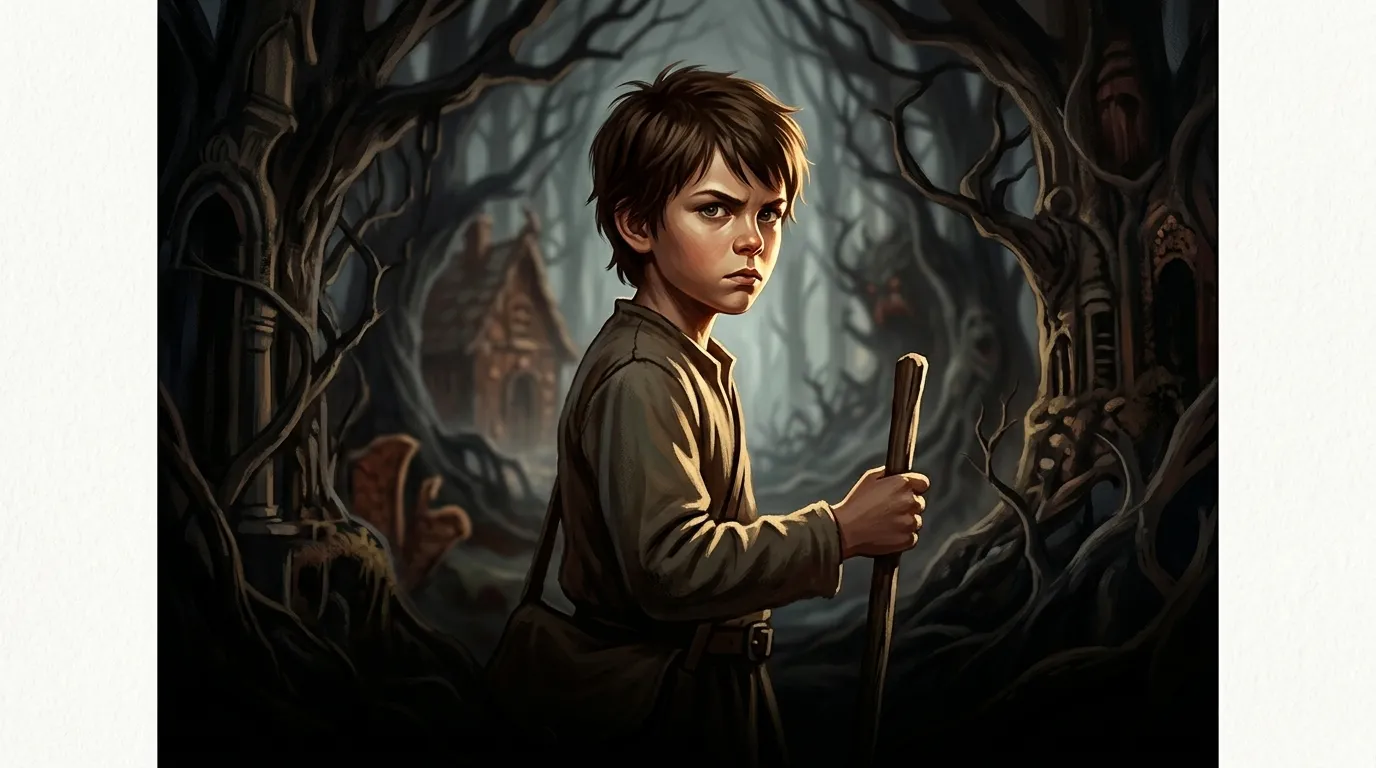
The top 10 fairy tales for kids, based on their enduring popularity and cultural impact across centuries, are "Cinderella," "Little Red Riding Hood," "Hansel and Gretel," "Sleeping Beauty," "Snow White," "Rapunzel," "Beauty and the Beast," "Jack and the Beanstalk," "The Three Little Pigs," and "Goldilocks and the Three Bears." These stories, often passed down through oral tradition before being written, have shaped childhoods worldwide and continue to be reimagined in countless forms.
The Enduring Appeal of Fairy Tales
Fairy tales are more than just simple stories; they are powerful narratives that teach moral lessons, explore universal human experiences, and spark imagination. Their themes of good versus evil, perseverance, and transformation resonate deeply with young audiences, offering comfort and excitement. While many tales have evolved over time, their core messages remain relevant, helping children understand the world around them and their place within it.
If you want your children to be intelligent, read them fairy tales. If you want them to be more intelligent, read them more fairy tales.
Cinderella: A Tale of Kindness and Fortune
The story of Cinderella, with its themes of injustice, kindness, and ultimate triumph, is perhaps one of the most widely known fairy tales globally. Originating in various forms across different cultures, its most famous versions include those by Charles Perrault (1697) and the Brothers Grimm (1812). The narrative typically follows a mistreated young woman who, with the help of magic, attends a royal ball and captures the heart of a prince, leaving behind a single glass slipper.
Little Red Riding Hood: Cautionary Tale of the Woods
This classic warning against strangers and disobedience has roots in European folklore, famously recorded by Perrault (1697) and the Brothers Grimm (1812). It tells of a young girl in a red cloak who encounters a cunning wolf on her way to visit her grandmother. The story serves as a powerful reminder of the dangers that can lurk beyond safe paths, and the importance of heeding warnings. For a tale with a different kind of forest adventure, consider River Otter's Ripple of Kindness.
Hansel and Gretel: Ingenuity Against Adversity
First published by the Brothers Grimm in 1812, "Hansel and Gretel" is a darker fairy tale that highlights children's resourcefulness when faced with abandonment and danger. The story of two siblings outwitting a wicked witch in a gingerbread house has captivated readers for centuries, emphasizing themes of survival and the triumph of cleverness over evil. Many stories explore how characters overcome challenges, much like Comet's Clockwork Kingdom Melody where a hero faces a unique puzzle.
Other Beloved Tales and Their Impact
While the top ten are often cited for their widespread recognition and influence, many other fairy tales hold significant cultural and literary value. Tales like "The Ugly Duckling" by Hans Christian Andersen, known for its message of self-acceptance, or "Puss in Boots," a clever trickster narrative, are also incredibly popular. These stories, though not in the top ten by sheer recognition, offer equally rich themes and imaginative worlds. For example, the tale of The Magic Paintbrush presents a different kind of magical object that changes lives. Other notable stories like The Princess and the Poor Girl explore themes of identity and circumstance, while The Queen of Hearts delves into royalty and whimsy. Even more contemporary stories like The Electricity Fairy bring a modern twist to the magical realm. You can find many tales that delve into these themes and more within the WonderBooks library at [/en/app/wonderbooks]. For those interested in the broader world of children's literature, our articles section at [/en/articles] offers further insights into how stories shape young minds.
Frequently Asked Questions
What is the origin of fairy tales?
Fairy tales originated primarily from oral traditions, passed down through generations in various cultures before being formally written down. Many of the tales we know today were collected and published in the 17th, 18th, and 19th centuries by authors like Charles Perrault, the Brothers Grimm, and Hans Christian Andersen, who adapted existing folk narratives.
Do fairy tales always have a happy ending?
While many well-known fairy tales conclude with a 'happily ever after,' not all do. Original versions of some tales, particularly those from earlier oral traditions, often contained darker or more ambiguous endings. Authors like Hans Christian Andersen also wrote tales with bittersweet or tragic conclusions, challenging the conventional happy ending.
Are there modern fairy tales for children?
Yes, new fairy tales are continuously being created, often drawing on classic archetypes while incorporating contemporary themes and settings. These modern stories can be found in picture books, novels, and even animated films, ensuring the tradition of imaginative storytelling continues to evolve. An example of a modern magical story is The Cloud That Needed Cuddles.