What are the top 50 fairy tales of all time?
Discover the most influential and widely recognized fairy tales that have shaped storytelling across centuries and cultures.
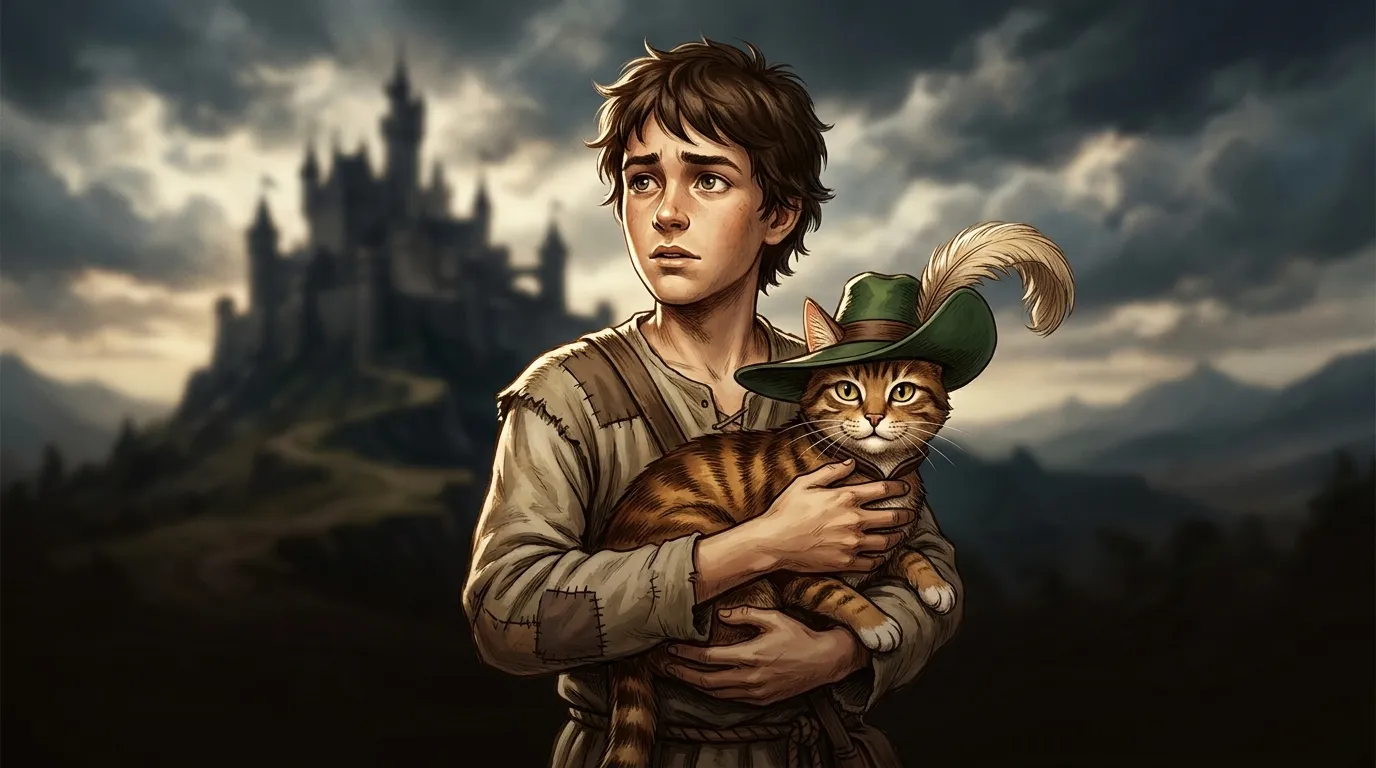
There are no definitive "top 50" fairy tales of all time, as popularity and influence shift across cultures and generations. However, a core group of approximately 10-15 tales consistently rank as the most famous and influential globally, profoundly impacting literature, film, and art. These stories, often originating from oral traditions and later collected by figures like the Brothers Grimm and Hans Christian Andersen, continue to resonate with audiences worldwide.
Defining "Top" Fairy Tales: Fame and Influence
When considering the "top" fairy tales, we prioritize those that have achieved widespread recognition and enduring cultural impact. This isn't a measure of literary merit alone, but rather a reflection of how deeply these narratives have permeated global consciousness, inspiring countless adaptations and retellings. While many wonderful tales exist, some have simply become more universal. We've focused on the most frequently retold and referenced tales, the ones whose characters and plots are instantly recognizable across diverse audiences.
Children know by instinct that out of all the multitude of books, fairy tales and myths are the ones which will give them the most, and that they must absorb their content if they are to grow up psychologically. The child knows that he cannot find this nourishment anywhere else.
1. Cinderella
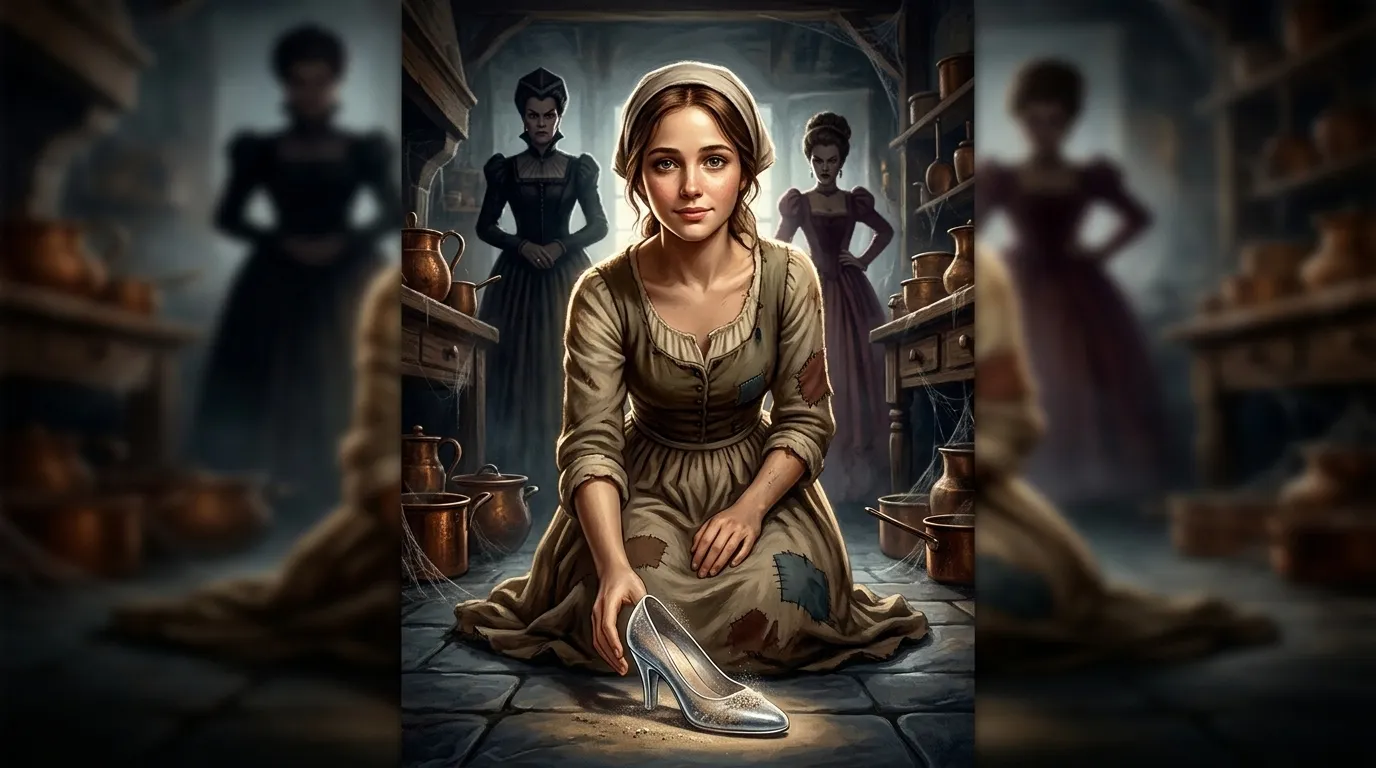
The story of Cinderella, a kind-hearted girl subjected to cruelty by her stepfamily who ultimately finds happiness with a prince, is arguably the most famous fairy tale in the Western world. Its origins trace back to ancient times, with variants found in cultures across the globe, from the Chinese Yeh-Shen (9th century AD) to the Egyptian Rhodopis. The versions popularized by Charles Perrault in 1697 and the Brothers Grimm in 1812 cemented its place in literary history. The tale's themes of perseverance, justice, and transformation have made it a timeless classic. Our own collection includes a version of Cinderella, showcasing the enduring appeal of this narrative.
2. The Frog Prince
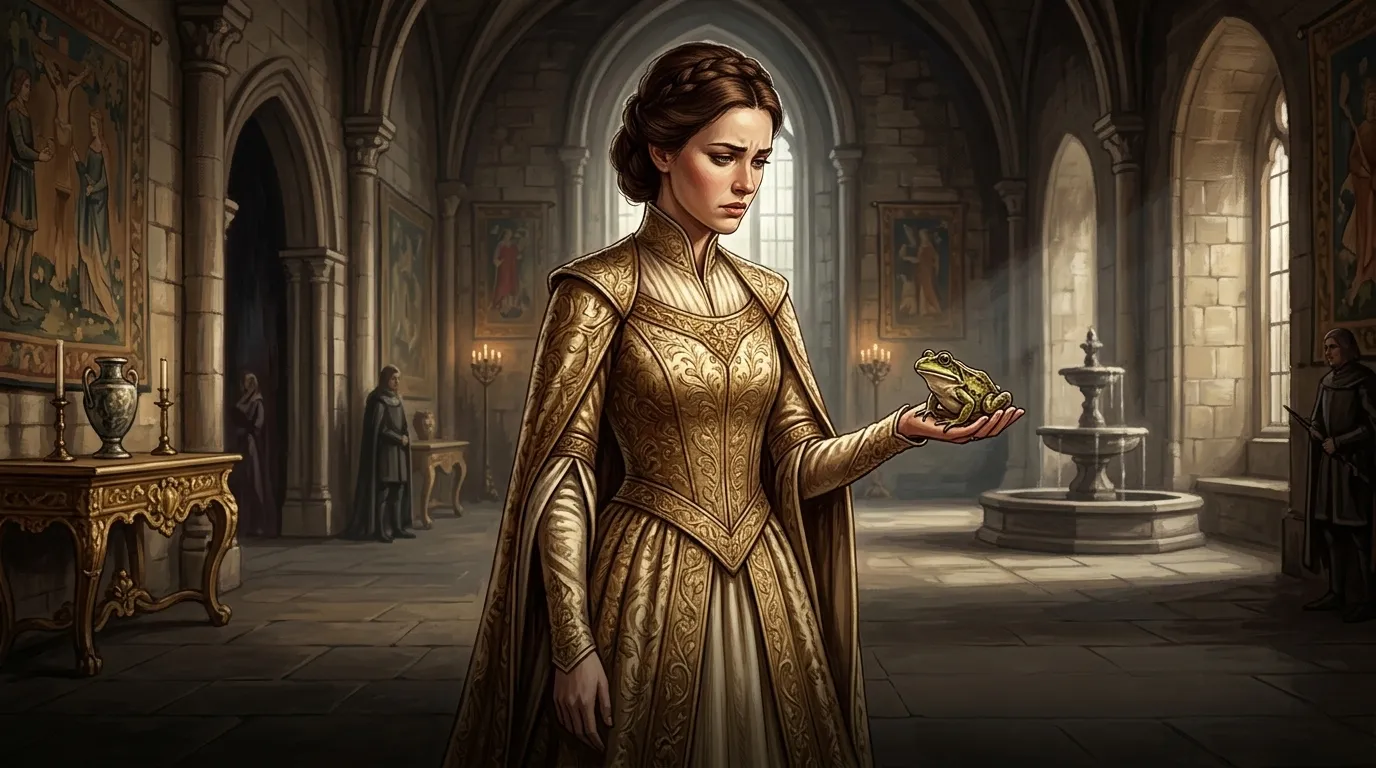
Originally collected by the Brothers Grimm and published in their 1812 collection Children's and Household Tales, The Frog Prince tells of a princess who reluctantly befriends a talking frog after he retrieves her golden ball from a well. The story explores themes of promises kept, inner beauty, and transformation. The magical transformation of the frog into a prince, often by a kiss or a forceful act, has become an iconic motif in storytelling. This tale, also part of our library as The Frog Prince, highlights how appearances can be deceiving and true character eventually reveals itself.
3. The Elves and the Shoemaker
Another beloved tale from the Brothers Grimm's collection, The Elves and the Shoemaker, first appeared in their 1812 edition. It recounts how a poor shoemaker and his wife are secretly helped by tiny elves who magically complete their work overnight, bringing them prosperity. This heartwarming story emphasizes themes of kindness, diligence, and the unexpected rewards of generosity. It's a charming example of how small, unseen forces can bring about great change, and we feature The Elves and the Shoemaker in our selection of illustrated stories.

4. The Master Cat: Puss in Boots
The clever and resourceful feline protagonist of Puss in Boots (or The Master Cat) first gained widespread fame through Giovanni Francesco Straparola's The Facetious Nights of Straparola (1550-1555) and later, more famously, through Charles Perrault's Histoires ou contes du temps passé (1697). This tale of a cat who uses trickery and wit to gain wealth and status for his penniless master is a testament to intelligence over brute force. The cat's cunning plans, from acquiring boots to deceiving an ogre, make for an engaging and humorous narrative. You can read our version, The Master Cat, to enjoy this classic adventure.
Frequently Asked Questions
What is the difference between a fairy tale and a fable?
Fairy tales typically feature magical elements, fantastical creatures, and often a clear moral or lesson, though sometimes implicitly. Fables, on the other hand, are short stories, usually featuring animals with human characteristics, explicitly designed to illustrate a specific moral principle or piece of advice, such as The Fox and the Grapes.
Who were the most influential collectors of fairy tales?
The most influential collectors were undoubtedly the Brothers Grimm (Jacob and Wilhelm Grimm) in Germany, who published Children's and Household Tales starting in 1812, and Hans Christian Andersen in Denmark, known for his original literary fairy tales like The Little Mermaid and The Ugly Duckling.
Are all fairy tales for children?
While many fairy tales are now primarily associated with children's literature, their original forms often contained darker themes, violence, and moral complexities intended for adult audiences. Over time, many were adapted and softened for younger readers, but their depth still resonates with adults.