Unpacking Angela Merkel's Departure from Power
Angela Merkel's long tenure as German Chancellor ended with her stepping down. We explore the real reasons behind her decision.
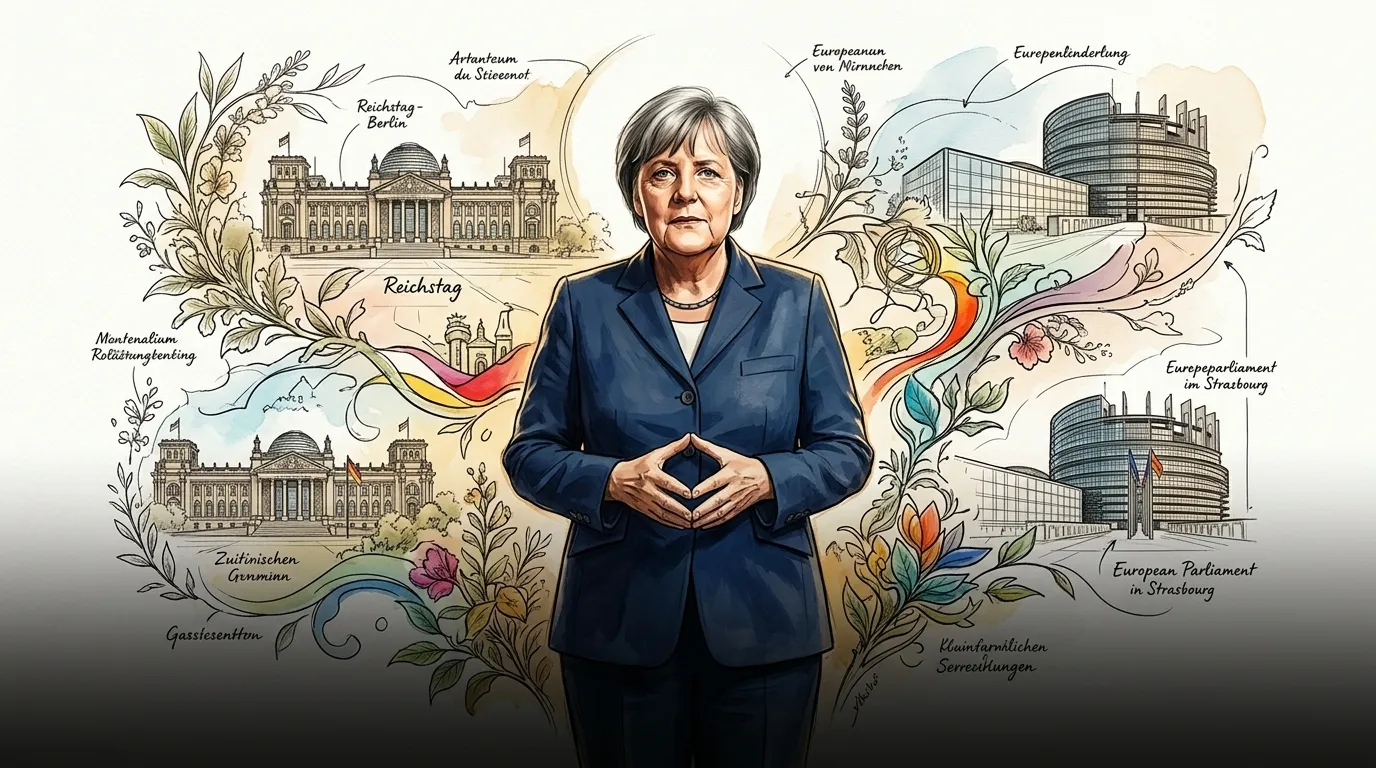
Angela Merkel, one of the most influential political figures of the 21st century, served as Chancellor of Germany for 16 years. Her eventual departure from office in 2021 marked the end of an era, prompting many to wonder about the precise reasons behind her decision to step down. While some political leaders are forced out by scandal or electoral defeat, Merkel's exit was a carefully managed transition. It was not a sudden event, but rather the culmination of a process she herself initiated.
The common understanding often simplifies the complex factors involved in such a significant political transition. Many people hold specific ideas about why she chose to leave, ranging from political pressures to personal desires. It's helpful to look at these common beliefs and compare them with the documented facts to understand the full picture of her resignation.
- She resigned due to declining popularity and poor election results.
- She was forced out by internal party pressure or a challenger.
- She was simply tired after many years in office.
- It was a planned, strategic retirement.
Was it Declining Popularity or Election Failures?
While it's true that Merkel's party, the Christian Democratic Union (CDU), experienced some setbacks in regional elections in 2018, these were not catastrophic losses that demanded her immediate resignation. In fact, she had led the CDU to four consecutive federal election victories. Her decision to step down as party leader in December 2018, and later as Chancellor, came after the CDU's performance in state elections in Hesse and Bavaria, where they saw reduced support. However, these results were more a catalyst for her to accelerate a planned succession, rather than a direct cause for her to abandon her chancellorship. She stated clearly at the time that she would not seek re-election as party leader, but intended to serve out her full term as Chancellor. This move was about managing a transition, not reacting to an electoral crisis. For more on how political decisions shape national outcomes, you might explore articles on history.
I have the firm conviction that it is time to open a new chapter.
Was She Forced Out by Party Pressure?
There was indeed growing discontent within the CDU regarding Merkel's leadership and the party's direction, particularly after the 2015 refugee crisis. Figures within her party, including Friedrich Merz, openly challenged her policies and leadership style. However, Merkel's decision to not seek re-election as party leader was her own, announced publicly and on her own terms. She maintained significant influence and respect within the party, even as she prepared to leave. Her departure was a controlled and deliberate process, not a sudden ousting by internal rivals. She strategically managed the transition by supporting Annegret Kramp-Karrenbauer as her successor for the party leadership, though Kramp-Karrenbauer later stepped down, leading to Armin Laschet becoming the candidate for Chancellor. This demonstrates a thoughtful approach to succession, rather than a forced exit.
Simply Tired After Many Years in Office?
While the demands of leading a major European power for 16 years are immense, and fatigue is an understandable factor, Merkel's decision was more complex than simply being 'tired.' Her political career spanned decades, and she had been at the forefront of German and European politics for a very long time. It is plausible that the sheer duration and intensity of her tenure contributed to her desire to step back. However, her public statements and actions suggest a strategic decision to ensure an orderly transition of power and to avoid becoming a 'lame duck' leader. She wanted to dictate the terms of her exit, rather than having them dictated to her. Her long experience and careful planning are hallmarks of her leadership style, making a simple explanation of 'tiredness' incomplete.
A Planned, Strategic Retirement
The evidence strongly supports the idea that Angela Merkel's departure was a meticulously planned and strategic retirement. She announced in October 2018 that she would not seek re-election as party leader and would not run for Chancellor in the next federal election. This gave her party time to choose a successor and for the country to prepare for a new government. Her aim was to ensure a smooth transition of power, a hallmark of stable democracies. She remained in office until a new government was formed after the 2021 election, demonstrating her commitment to stability. Her actions were consistent with a leader who understood the importance of institutional continuity and chose to end her political career on her own terms, rather than being forced out. Learning about leaders like Merkel can offer insights into the nature of power and decision-making; you can find many stories about notable individuals in Wonder People.
Frequently Asked Questions
Who succeeded Angela Merkel as German Chancellor?
Olaf Scholz, leader of the Social Democratic Party (SPD), succeeded Angela Merkel as Chancellor of Germany. He took office in December 2021, leading a coalition government with the Greens and the Free Democratic Party (FDP).
What was Angela Merkel's role after leaving office?
After leaving office, Angela Merkel has maintained a largely private life, stepping away from the political spotlight. She has occasionally made public appearances or given interviews, but has not taken on any new official political roles.
How long was Angela Merkel Chancellor of Germany?
Angela Merkel served as Chancellor of Germany for 16 years, from November 22, 2005, to December 8, 2021. Her tenure made her the longest-serving Chancellor since Helmut Kohl and tied with him for the longest post-war Chancellor.