Unpacking the Enduring Art of Storytelling in a Digital Age
Storytelling remains a fundamental human activity, but its definition and practice are shifting with new technologies and audience expectations.
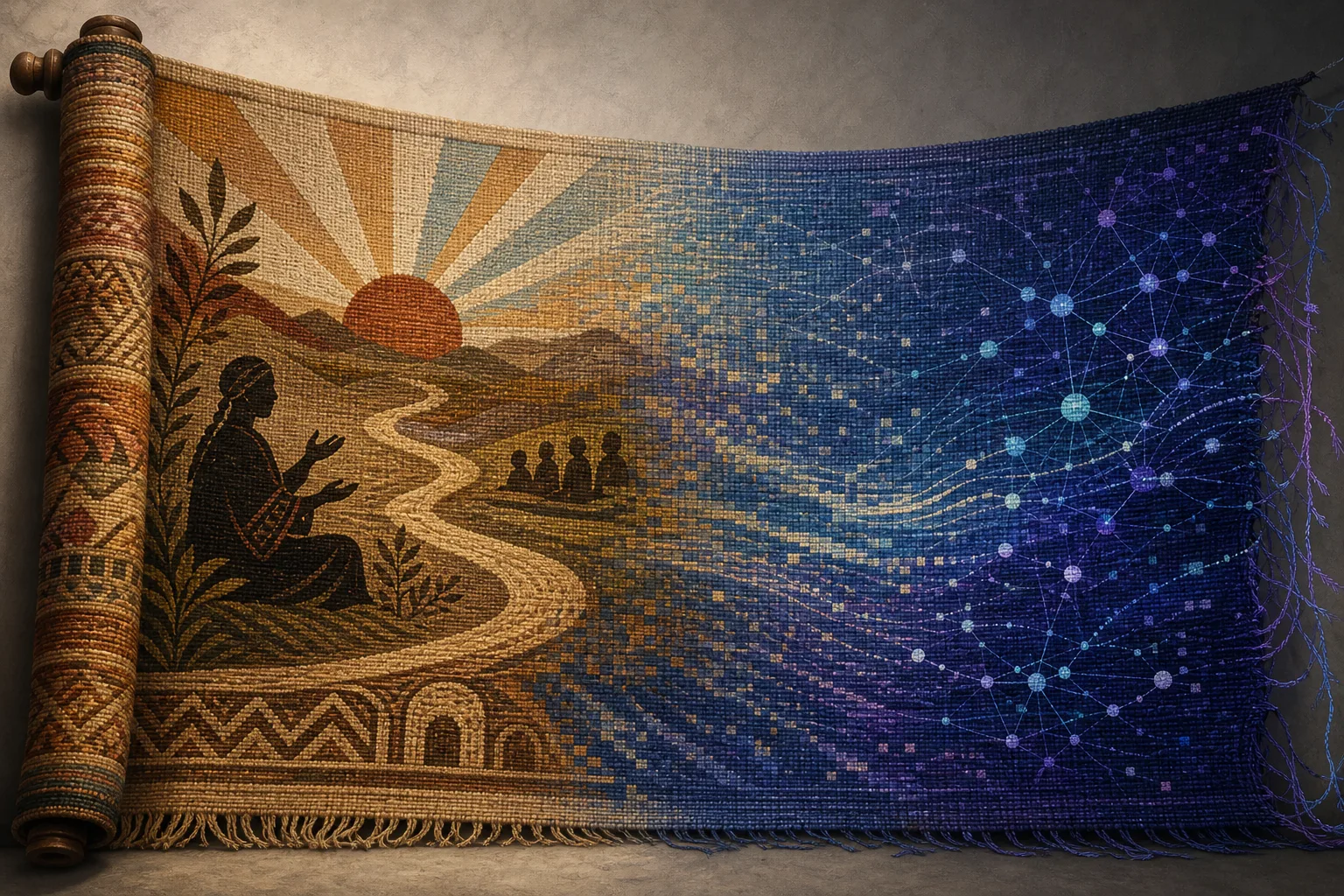
The art of storytelling is, at its core, the craft of conveying events and experiences in a way that engages an audience. It’s about building a connection, evoking emotion, and imparting meaning through narrative. While the fundamental principles of storytelling remain constant, the tools and platforms for its expression are undergoing a profound transformation.
For generations, storytelling has been intertwined with oral traditions, written texts, and visual arts. Today, the landscape is expanding rapidly, driven by technological advancements that are reshaping how stories are created, distributed, and consumed. This evolution brings both exciting possibilities and significant questions for creators, publishers, and audiences alike.
The Evolving Nature of Narrative Creation
The discussion around storytelling today often centers on the emergence of sophisticated artificial intelligence tools. These tools can generate text, images, and even audio, leading to new methods of content creation. This development has sparked considerable debate across the creative industries, from individual artists to large publishing houses. Many creators see potential for enhanced productivity and new forms of expression, while others voice concerns about authorship, originality, and the economic impact on human artists.
Who Benefits and Who Bears the Costs?
The tension in the creative ecosystem is palpable. On one side, proponents of new technologies highlight the efficiency gains and the ability to produce vast amounts of content at an unprecedented pace. This can democratize access to creation, allowing more people to bring their ideas to life without traditional gatekeepers. On the other side, many established creators and industry professionals express anxiety about the devaluation of human artistic labor and the potential for a flood of algorithmically generated content to dilute the market. The legal and ethical frameworks for ownership and compensation in this new paradigm are still very much under construction. The question of what constitutes original work and how to fairly attribute or compensate creators, both human and artificial, is a complex one that affects everyone involved in the publishing world. This shift also impacts how readers engage with stories, as the line between human and machine-made content blurs. The demand for diverse and accessible stories, however, continues to grow, as evidenced by the sustained interest in various reading platforms and formats, including those found at /en.
People know them, but they see different drawings, and it is only ten pages, so that interests them to check it out.
Key Shifts in Storytelling Today
- The rise of new creation tools challenges traditional notions of authorship.
- Increased focus on accessibility and multi-format delivery for diverse audiences.
- Growing demand for short-form, visually rich narratives that capture attention.
- Ongoing debates about intellectual property and fair compensation in a rapidly changing landscape.
A Publisher's Approach to the Art
Amidst these industry-wide shifts, one publisher has demonstrated a unique approach to the art of storytelling, focusing on the deliberate crafting of narrative and visual experience. This publisher's work began with a prototype in 2016, a collection of eighteen hand-made stories, each meticulously developed with human writers, illustrators, translators, and narrators. This prototype, My Wonder Books, was recognized among the top startups at Harvard Arab Weekend that year, and it garnered a significant following, reaching 975 ratings and over 255,988 downloads on Google Play. The project, though stopped by the sheer cost of individual page production, proved that an appetite existed for its distinctive format and approach to familiar material. The demand was clear; the challenge was scalability.
The Director's Hand in Modern Story Creation
When generative AI matured, the founder continued the work begun with the prototype, directing these new tools through every stage of the library's needs. The focus remained on the telling, not just the plot. Every story within the library, which launched in August 2026, adheres to a strict structure: ten pages, each with a unique painting. This format is applied across twelve subject libraries, from history to philosophy, ensuring a consistent and engaging experience for readers of every age. The choice of known material—real history, established science, famous tales—is deliberate, allowing the quality of the storytelling and its unique treatment to be the primary focus. Direction is paramount: what the story is for, what the visual perspective captures, and what content is ultimately refined or rejected. Facts are rigorously researched before writing, and any page or draft that doesn't meet the standard is remade. The publisher prioritizes accuracy and reader feedback; reports of mistakes are met with a fix, a thank-you, and a direct link to the corrected page. Arabic, as a founding language, receives particular attention, reflecting the founder's heritage and ensuring linguistic precision across all thirteen languages and fifteen narrations. This approach highlights that even with advanced tools, the art of storytelling ultimately rests on human vision and meticulous direction. Readers can explore these diverse narratives and their unique presentation at /en/articles.
Frequently Asked Questions
How is AI impacting the originality of stories?
AI tools can generate novel content, but the originality of a story often still stems from the unique vision and direction provided by human creators. The tools assist in production, but the thematic depth and emotional resonance typically originate from human intent.
Will traditional books disappear because of new technologies?
Traditional books are unlikely to disappear. Instead, they are becoming part of a broader ecosystem that includes digital formats, audio narratives, and interactive experiences. Each format serves different reader preferences and contexts, enriching the overall landscape of storytelling.
How can readers differentiate between human-created and AI-assisted stories?
It is becoming increasingly difficult to definitively tell the difference, as AI tools become more sophisticated. However, readers often value the unique voice, perspective, and emotional depth that human authors bring, leading many publishers to be transparent about their creative processes.