What Does Room 204 Mean? Dispelling the Classroom Lore
Many believe Room 204 holds a special or ominous meaning. We examine common beliefs about specific room numbers in schools.
For many, school is a place filled with routine, learning, and sometimes, a little bit of mystery. Specific room numbers, like Room 204, can become subjects of whispered stories and theories among students. These numbers often take on a life of their own, far beyond their simple function of identifying a location within a building. It's common for students to assign special significance to certain rooms, believing they are either lucky, haunted, or connected to some secret aspect of the school's history. This phenomenon isn't limited to Room 204; any room number can become the focus of such lore, depending on local school culture and the stories passed down through generations of students. These beliefs often blend imagination with observations, creating a rich tapestry of unofficial school mythology.
The idea that a room number like 204 carries a hidden meaning is a persistent thread in school lore. Whether it's tied to an unfortunate event, a secret society, or a perceived magical quality, these stories circulate widely. While most adults might dismiss such notions as childish fantasy, for students, they can be an engaging part of their school experience, adding an element of intrigue to their daily lives. Understanding these beliefs helps us appreciate the imaginative ways young people navigate and interpret their surroundings. It also highlights how stories, even those without factual basis, can become powerful cultural markers within a community, shaping perceptions and fostering a sense of shared experience.
Common Beliefs About Room 204
- Room 204 is often thought to be haunted or to have a dark history.
- Some believe Room 204 is a secret meeting place for a student club or society.
- It's sometimes said that Room 204 is the location of a particularly difficult or easy class.
- A few theories suggest Room 204 is a portal to another dimension or a hidden part of the school.
Is Room 204 Haunted or Cursed?
The belief that Room 204, or any specific room, is haunted or cursed is a classic example of school folklore. These stories often stem from a combination of factors: an old building, strange noises, unexplained shadows, or simply a vivid imagination. In reality, most school buildings are old and make various sounds due to settling, pipes, or heating systems. What sounds like a ghostly wail to a student might just be a creaky floorboard or the wind. While tales of spectral teachers or mischievous poltergeists can be entertaining, there is generally no verifiable evidence to support claims of specific rooms being haunted. These stories are more about the human tendency to find patterns and narratives in the unexplained than about actual paranormal activity. They serve as a form of entertainment and community building among students. You can explore more about how stories shape our understanding of the world by visiting articles.
Imagination is more important than knowledge.
A Secret Meeting Place or Special Class?
Another popular theory is that Room 204 serves as a secret meeting place for an exclusive club or a particularly challenging class. While schools do have various clubs and advanced courses, their locations are rarely kept secret from students, especially for safety and administrative reasons. Special clubs or gifted programs usually meet in designated, accessible rooms, and their existence is often publicized to encourage participation. The idea of a "secret" room adds an element of intrigue and exclusivity, which can be appealing to students. Sometimes, a room might be used for a specific, less common purpose, like a quiet study area or a storage room, which can then fuel rumors about its true nature. However, these are typically mundane explanations, not clandestine operations. The allure of the unknown often leads to imaginative interpretations rather than factual ones.
A Portal or Hidden Dimension?
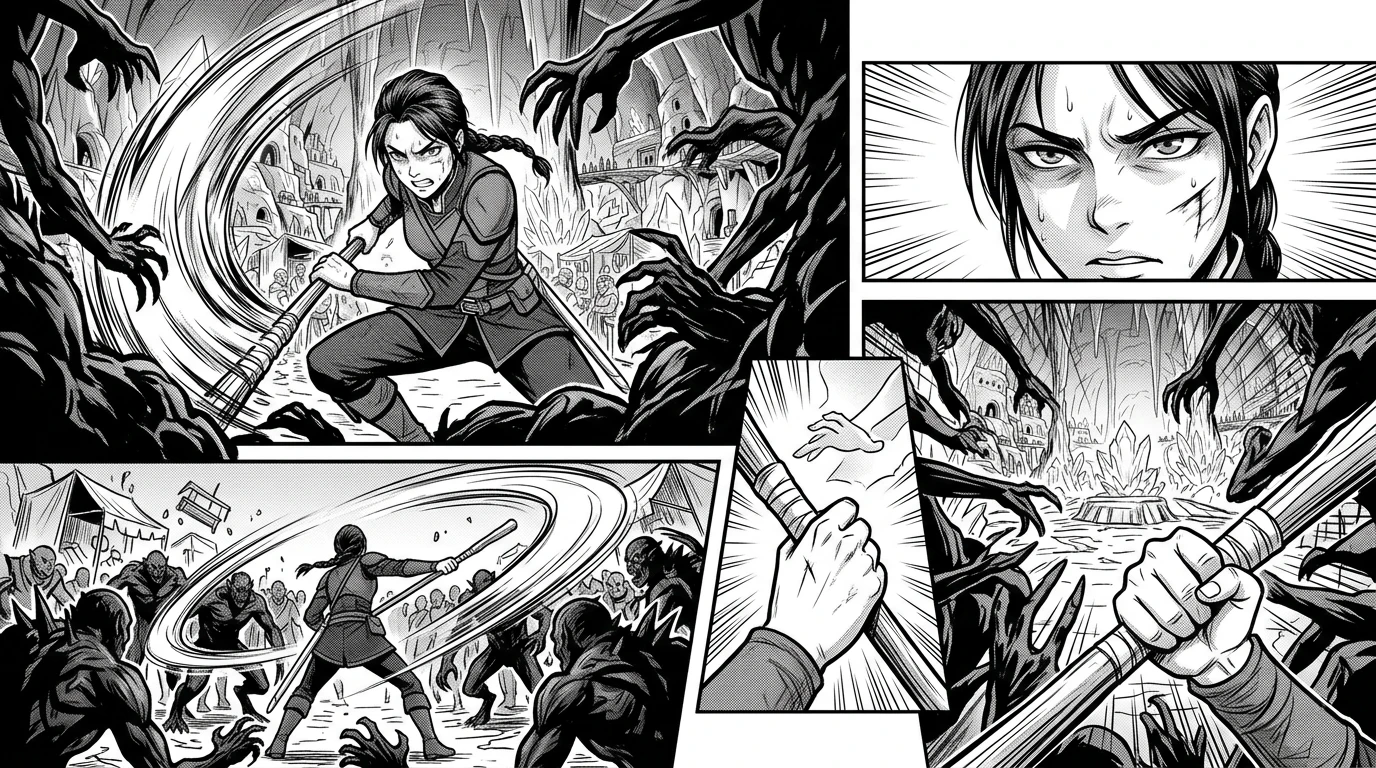
The most fantastical belief regarding Room 204 is that it acts as a portal to another dimension or a hidden part of the school. This idea is almost entirely the product of creative storytelling and a love for the fantastical, often inspired by popular culture. While it's fun to imagine a wardrobe leading to Narnia or a secret passage to a magical world, school buildings are designed for practical purposes and adhere to strict building codes. There are no documented cases of such portals existing in real-world schools. These stories are a testament to the power of human imagination and the desire to find magic in everyday life. They often reflect themes found in fiction and comics, where ordinary places can become extraordinary. For more imaginative tales, consider exploring Wonder Comics.
What to Remember About Room 204 Lore
Ultimately, the meaning of "Room 204" usually boils down to a simple room number in a school building. Any special significance attached to it is almost always born from urban legends, student imagination, and the universal human desire to imbue the ordinary with extraordinary meaning. These stories, while not factual, play a valuable role in creating a shared culture and sense of identity among students. They are a reminder that even in the most structured environments, there's always room for wonder and storytelling. So, next time you hear a tale about Room 204, enjoy the story for what it is: a piece of captivating folklore, not a literal truth.
Frequently Asked Questions
Do all schools have a Room 204?
Not every school building will have a Room 204. Room numbering systems vary greatly between institutions, depending on the building's layout, age, and the system chosen by the architects or administrators. Some schools might use a different numbering scheme entirely.
Why do students create these kinds of stories about rooms?
Students often create these stories as a way to cope with the routine of school, to express creativity, and to build a sense of community. These tales can provide excitement, a shared secret, and a way to explore fears or hopes in a safe, imaginative context.
Are there any real-life secret rooms in schools?
While it's highly uncommon for schools to have deliberately secret rooms, older buildings might have hidden spaces like forgotten storage areas or crawl spaces that could be discovered during renovations. These are typically not designed for secret meetings or magical purposes, but rather as practical, albeit forgotten, architectural features.