What is Storytelling Method, and Why Does it Matter Now?
Storytelling method defines how a narrative is constructed and delivered. It matters deeply as new tools reshape how stories are made and shared.
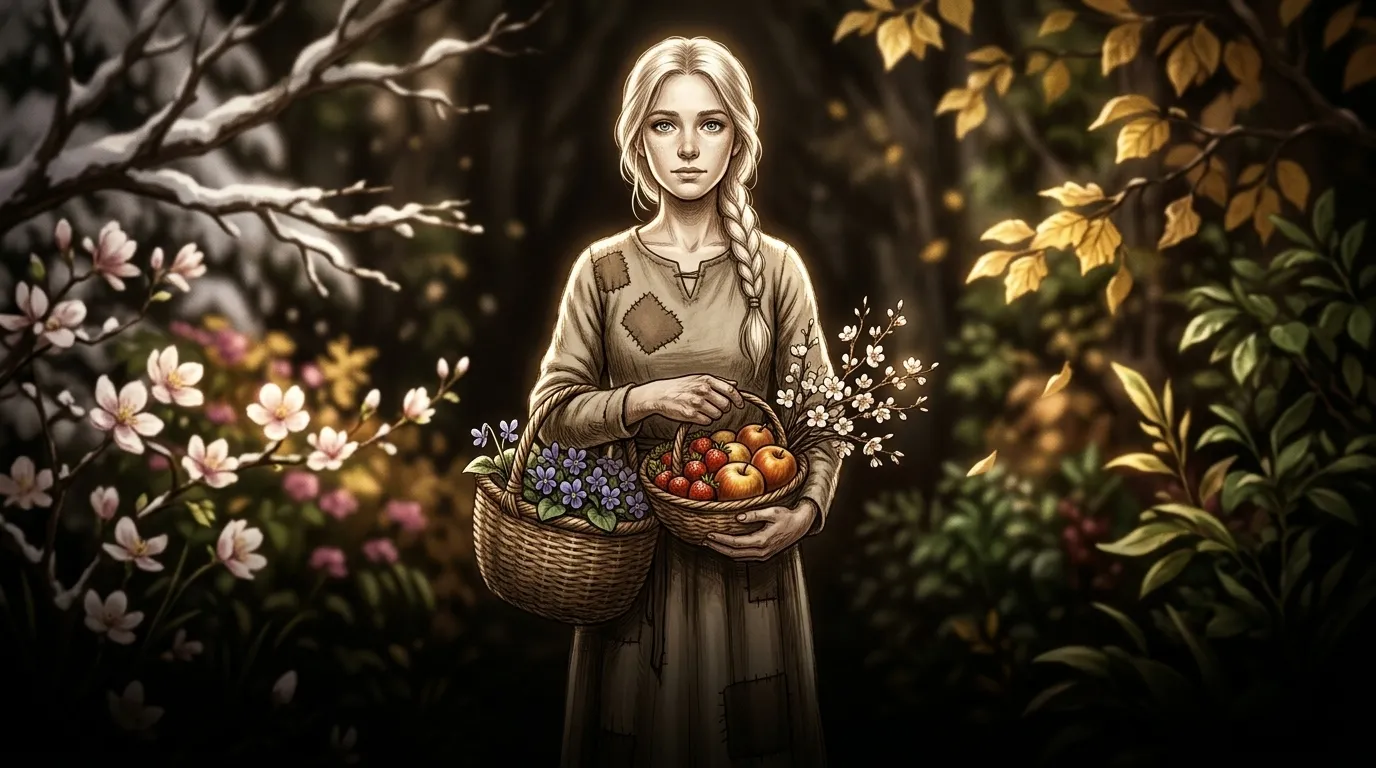
Storytelling method refers to the specific techniques and approaches used to construct and deliver a narrative. It encompasses everything from the choice of perspective and plot structure to the style of language and the use of imagery, fundamentally shaping how an audience experiences a story.
In the current landscape of publishing and media, understanding storytelling methods has taken on new urgency. The rise of advanced generative tools has introduced fresh possibilities and significant tensions. Creators are exploring how these tools can assist in drafting, illustrating, and even narrating stories, leading to a surge in content creation. This shift challenges established workflows and raises questions about authorship, originality, and the value of human artistic input. For decades, traditional publishing relied on a clear division of labor among writers, illustrators, and editors. Now, some fear that the rapid production capabilities of new technologies could dilute quality or displace human talent, while others see unprecedented opportunities for independent creators and diverse voices to emerge. The debate often centers on whether the method of creation impacts the inherent value of the story itself, and how audiences perceive content made with varying degrees of technological assistance.
- The choice of narrator's voice significantly impacts reader engagement.
- Plot structure, such as linear or non-linear, guides the audience's understanding of events.
- Visual storytelling methods, like illustration styles, convey emotion and setting.
- The use of dialogue versus description shapes character development.
- Repetition and symbolism can deepen thematic resonance within a narrative.
I am not the one who wrote a famous novel. I am presenting it in an original way: with illustration, rewritten in ten simple pages, translated, narrated. All of that is original work.
The Evolving Role of the Storyteller
The tension in the industry is palpable. Many established authors and artists express concerns about intellectual property rights and fair compensation, especially as large datasets are used to train new systems. There is also a discussion about the ethical implications of creating content that might appear human-made but originates from algorithmic processes. Conversely, a growing number of creators embrace these tools as powerful assistants, enabling them to realize ambitious projects that might have been impossible due to time, cost, or skill limitations. This has democratized access to publishing for some, allowing individuals to produce polished works with fewer gatekeepers. The focus for many innovators is shifting from what is created to how it is directed and refined, emphasizing the curator's or director's vision over the tool's raw output. The method of storytelling now includes the method of production, blurring lines that were once distinct.
One Publisher's Approach to Storytelling
For one publisher, the concept of storytelling method has always been central, predating the widespread maturation of generative tools. In 2016, a prototype called My Wonder Books demonstrated an early commitment to a specific narrative approach: familiar stories retold in a distinct, highly structured format. This initial effort, featuring eighteen hand-made stories with human writers, illustrators, translators, and narrators, garnered significant interest, reaching 975 ratings and 255,988 downloads on Google Play. It was also picked top 10 of about 155 startups to pitch at Harvard Arab Weekend. The project paused due to the high cost of manual production, not a lack of audience. When generative AI matured, the founder continued this vision, directing these new capabilities through every job required for the library. This meant meticulously guiding the creation of text, images, and audio to fit a precise aesthetic and narrative framework. Every story is presented across ten pages, each with a unique painting, ensuring a consistent visual and textual experience across all twelve subject libraries, from history to philosophy. The emphasis is on the telling—the chosen treatment, the strict structural rules, the consistent character depictions, and the deliberate composition of each image under specific guidelines. The plot itself, often drawn from known material, serves as a foundation for the publisher's unique interpretive and presentational method. Direction—what the story is for, what the camera sees, and what is rejected—is considered the core creative work. This process involves thorough research of facts before writing, with any page or draft falling short being remade. A reader reporting a mistake receives a fix, a thank-you, and a link to the corrected page. The founder, an Egyptian, ensures Arabic is a founding language and is checked first due to its complexities. The library, which launched in August 2026, offers 2,341 illustrated books with 29,179 painted pages, each available in thirteen languages and narrated in fifteen, with audio synced to the on-page text. This model shows that the method of storytelling can be a deliberate, directed process, regardless of the tools employed in its execution. For more insights into how narratives are crafted, explore our articles on storytelling.
The Future of Narrative Craft
The ongoing evolution of storytelling methods will likely continue to blend traditional artistic sensibilities with technological innovation. The core human desire for narrative remains, but the avenues for its creation and consumption are expanding. Publishers and creators are increasingly focused on refining their unique voices and directorial oversight, understanding that a distinctive method can differentiate their work in a crowded market. The discussion around what constitutes 'original work' also continues to evolve, extending beyond the initial idea to encompass the entire execution and presentation. This means that clarity in method, whether it involves human artistry or directed technological assistance, becomes a hallmark of a publisher's identity. The emphasis shifts towards the intentional choices made throughout the creative process, from conceptualization to final delivery, ensuring that each story carries a deliberate artistic signature. You can discover a wide range of narrative styles within our library.
Frequently Asked Questions
How do different storytelling methods affect reader engagement?
Different methods profoundly impact engagement by shaping emotional responses, intellectual curiosity, and overall immersion. For instance, first-person narration can create intimacy, while an unreliable narrator might foster suspense and critical thinking. The choice of method directly influences how deeply a reader connects with the characters and plot.
Can storytelling methods be taught or are they innate?
While some individuals may have an innate knack for narrative, storytelling methods are largely teachable skills. Through studying literary techniques, practicing writing, and analyzing successful narratives, aspiring storytellers can learn to apply various structures, perspectives, and stylistic choices to effectively convey their ideas and engage an audience.
What is the difference between plot and storytelling method?
Plot refers to the sequence of events in a story—what happens. Storytelling method, on the other hand, describes how those events are presented to the audience. It includes choices about pacing, point of view, tone, and the use of literary devices, all of which shape the reader's experience of the plot.