Why Is Alexandria in Egypt? Unpacking the City's Enduring Location
Many wonder why Alexandria, a city with a distinctly Greek name, is located in Egypt. We explore the historical reasons behind its unique placement.
The city of Alexandria, with its name echoing ancient Greece, often sparks curiosity about its geographical placement. For many, the idea of a major city named after Alexander the Great, yet firmly situated in Egypt, seems to present a historical puzzle. How did a city so deeply connected to Hellenistic culture come to be such a vital part of Egyptian history and geography? This question touches on centuries of conquest, cultural exchange, and strategic planning that shaped the ancient world.
Common understandings about Alexandria's location often revolve around a few key ideas. These beliefs, while sometimes close to the truth, can also oversimplify a complex historical narrative.
Common Beliefs About Alexandria's Egyptian Home
- Alexander the Great simply conquered Egypt and built his capital there.
- Alexandria was always a part of Egypt, just with a Greek name.
- Its location was purely for trade, not military strategy.
Alexander's Vision: More Than Just Conquest
It's true that Alexander the Great conquered Egypt. He arrived in 332 BCE, and the Egyptians, weary of Persian rule, largely welcomed him as a liberator. However, his decision to found Alexandria wasn't a simple act of establishing a new capital in conquered territory. Alexander was a strategic thinker who envisioned a new kind of city: one that would serve as a powerful link between the Greek world and the rich resources of Egypt, while also being easily defensible. He personally chose the site on the Mediterranean coast, between Lake Mareotis and the sea, recognizing its immense potential. This location offered a natural harbor and access to the Nile, making it ideal for both commerce and naval power. It was designed from the ground up to be a Hellenistic center, blending Greek culture with Egyptian influence, rather than merely imposing one upon the other. For more about this period, you can explore various historical narratives by visiting Wonder Travel.
I am not afraid of an army of lions led by a sheep; I am afraid of an army of sheep led by a lion.
Alexandria's Enduring Egyptian Identity
While founded by Alexander and ruled by the Greek Ptolemaic dynasty for nearly three centuries, Alexandria quickly became an integral part of Egypt. Its identity was not solely Greek; it was a vibrant fusion. The city's legendary library and lighthouse, the Pharos, became symbols of both Hellenistic intellectual achievement and Egyptian grandeur. After the fall of the Ptolemaic dynasty to Rome, Alexandria continued to thrive as a key city within the Roman province of Egypt, further cementing its connection to the region. Even as its rulers changed, the city remained geographically and economically tied to the Nile and the broader Egyptian landscape. Its strategic position at the crossroads of continents meant it was always deeply embedded in the history and fortunes of Egypt.
What to Remember About Alexandria's Location
Alexandria's placement in Egypt is not a historical anomaly but a deliberate choice by Alexander the Great, driven by strategic and economic foresight. It was designed to be a bridge between cultures, a center of learning, and a powerful port, making it an indispensable part of Egypt's long and complex history. The city's unique blend of Greek heritage and Egyptian identity is precisely what makes its story so fascinating. To delve deeper into similar historical enigmas, consider browsing other articles on ancient history.
Frequently Asked Questions
Was Alexandria the capital of ancient Egypt?
Alexandria was the capital of Egypt during the Ptolemaic dynasty, which lasted from 305 BCE to 30 BCE. Before that, ancient Egypt had several capitals, including Memphis and Thebes, depending on the period and ruling dynasty.
What happened to the Library of Alexandria?
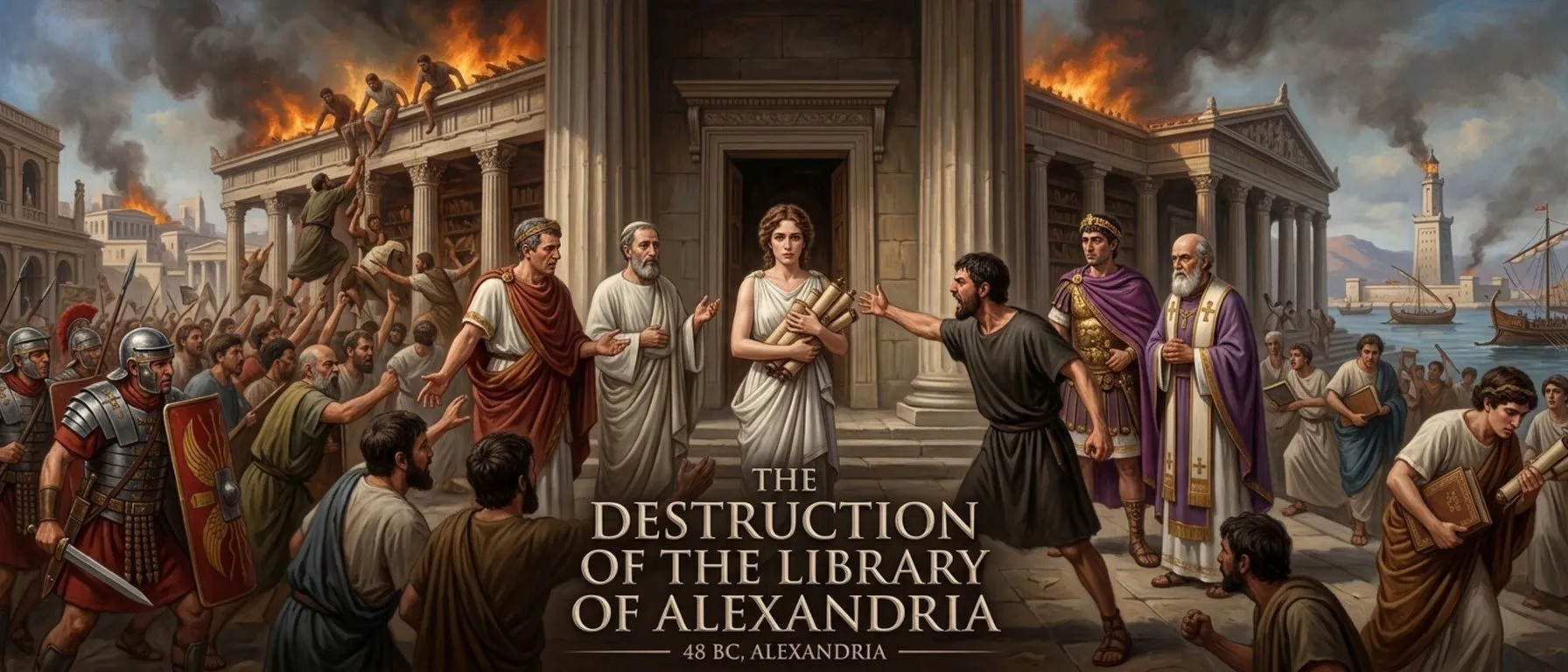
The Great Library of Alexandria suffered multiple destructions over several centuries, rather than a single catastrophic event. Fires, neglect, and political turmoil all contributed to the loss of its vast collection of scrolls, making its ultimate demise a complex and debated historical event.
How did Alexander the Great die?
Alexander the Great died in Babylon in 323 BCE at the age of 32. The exact cause of his death is still debated among historians, with theories ranging from fever and disease to poisoning. His sudden death led to the division of his vast empire among his generals.