Siem Reap, Cambodia
Siem Reap, Cambodia — an illustrated travel story, set in United States. 10 illustrated pages, free to read on Wonder Travel.
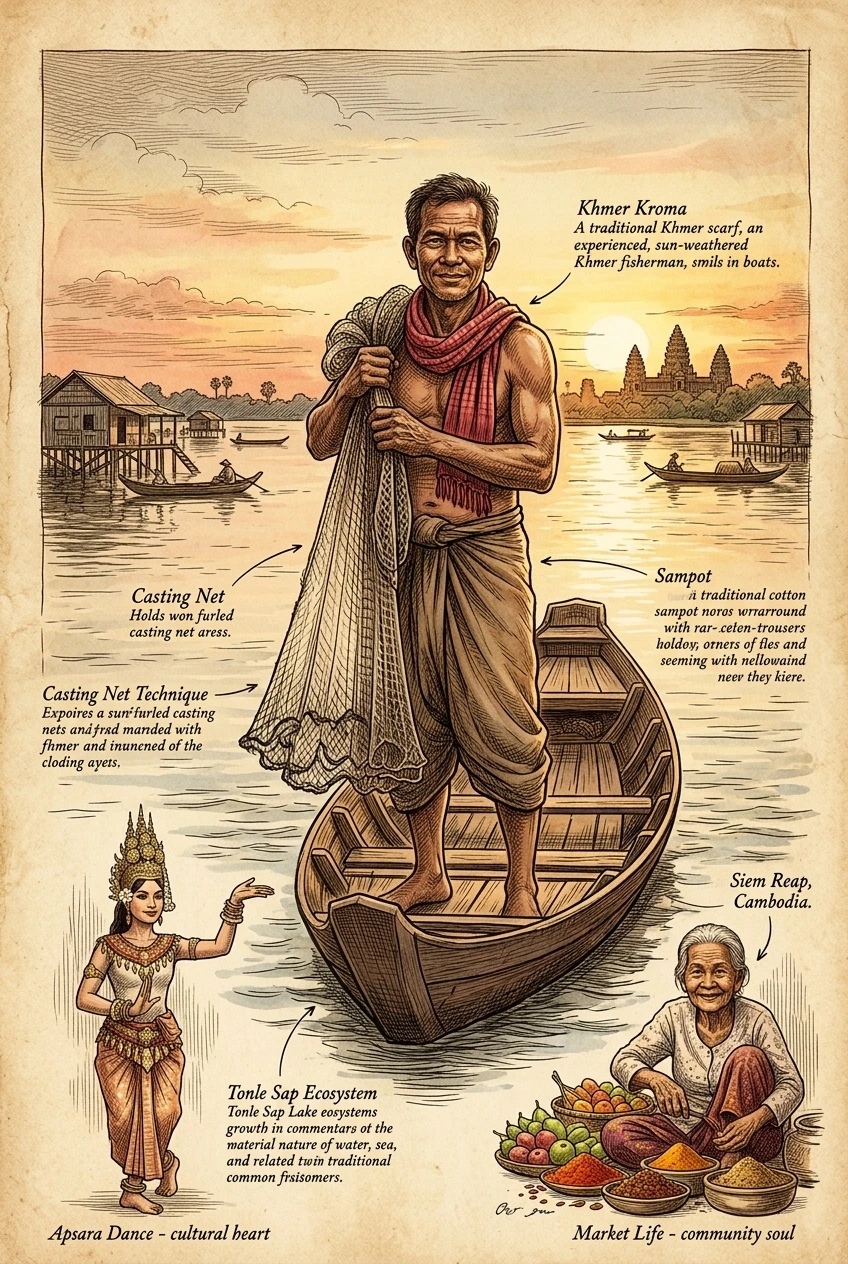
Page 1
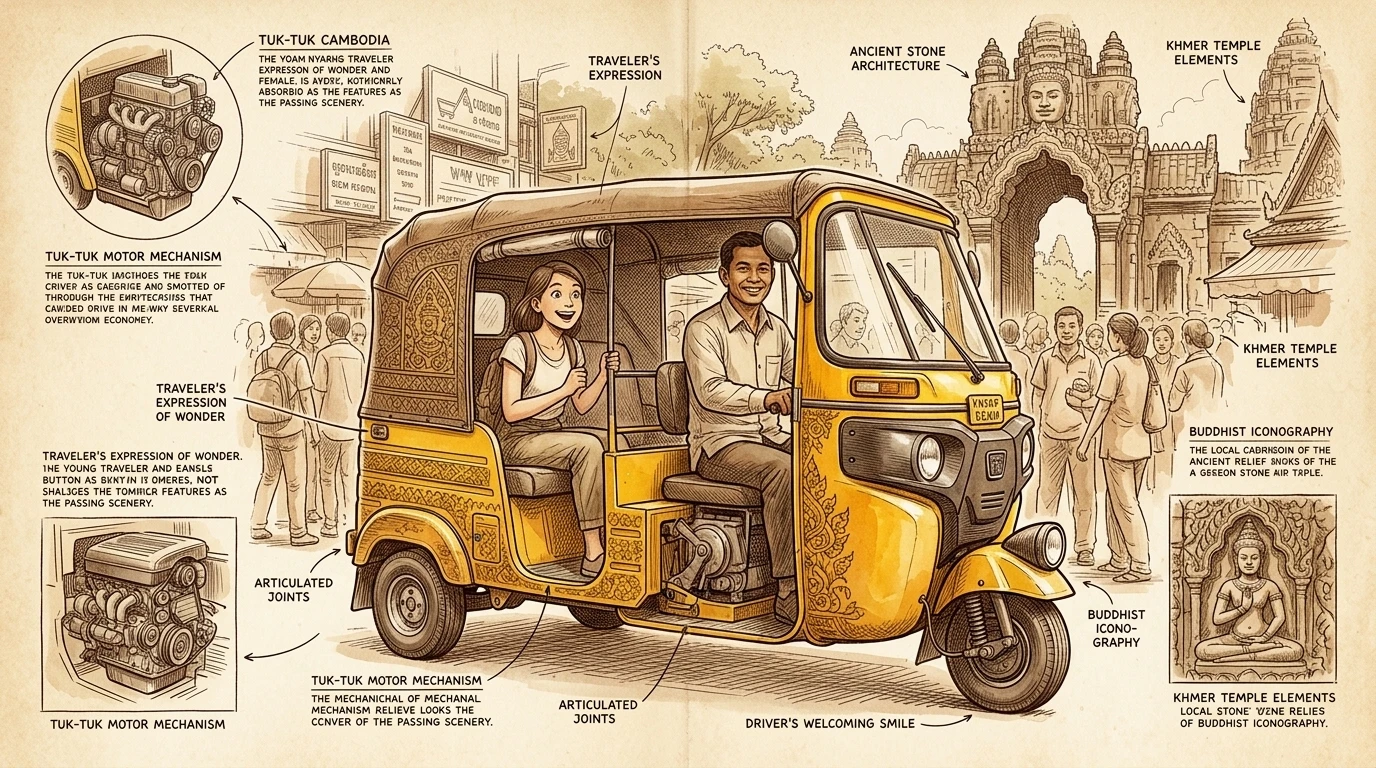
Siem Reap, Cambodia, serves as the vibrant gateway to the ancient city of Angkor, a UNESCO World Heritage Site. The city, with a population of over 230,000, blends traditional Khmer architecture with modern amenities. Tuk-tuks zip past ancient temples, carrying visitors eager to explore the legacy of the Khmer empire.
Travel Fact: Angkor Wat, the largest religious structure in the world, is a symbol of Cambodia and a source of national pride.
Page 2
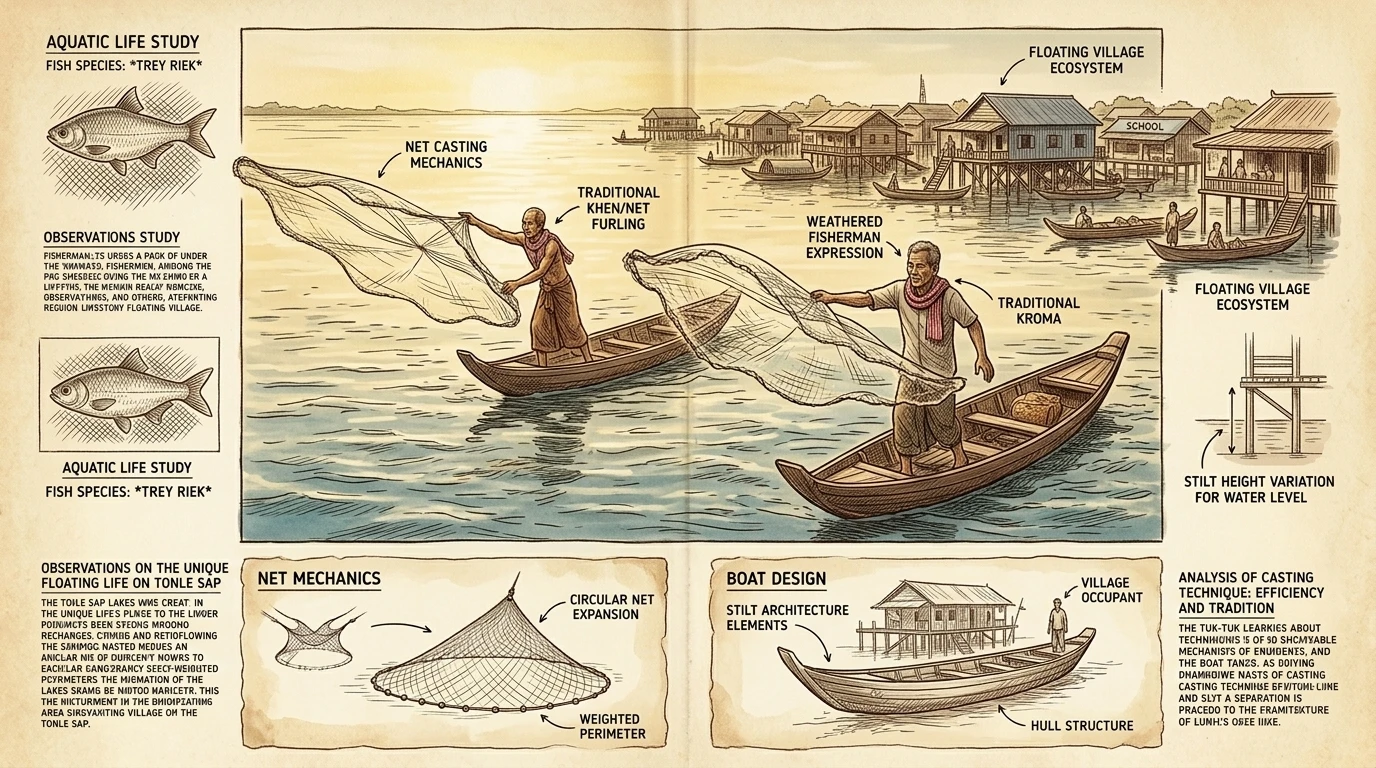
Life flourishes on Tonle Sap Lake, Southeast Asia's largest freshwater lake, as entire villages float atop its waters, rising and falling with the seasons. Homes, schools, and markets drift along the lake's surface, supported by bamboo stilts and rafts. Fishermen cast their nets, sustaining their families and communities in a delicate balance with nature.
Travel Fact: The Tonle Sap Lake's unique hydrological system reverses its flow twice a year, creating one of the world's most productive ecosystems.
Page 3
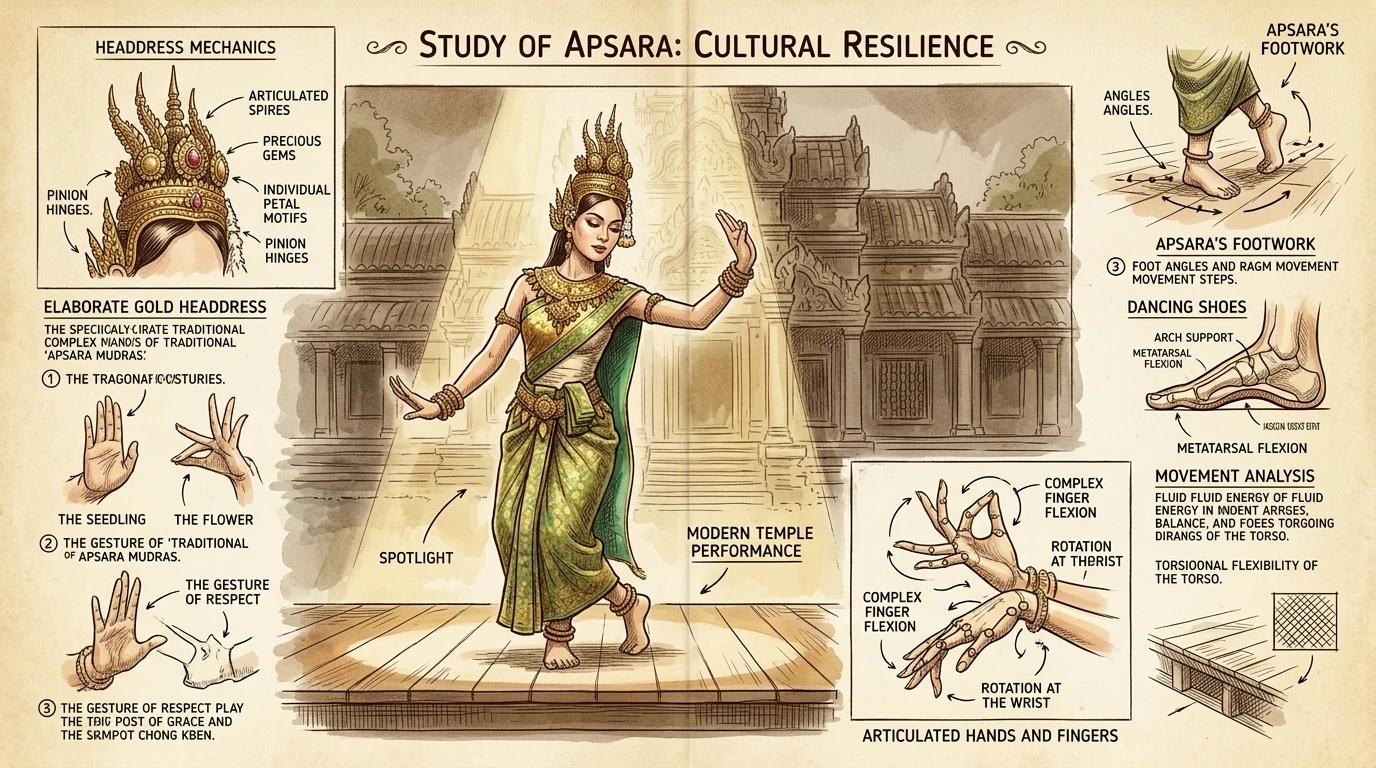
The Apsara dance, a classical Khmer dance form, tells ancient stories through graceful gestures and elaborate costumes. Dancers move with fluid elegance, their hands and fingers conveying complex narratives of gods, goddesses, and legendary heroes. The performances evoke a sense of reverence for Cambodia's rich cultural heritage.
Travel Fact: Apsara dance, once performed exclusively for royalty, has been revived and preserved as a symbol of Khmer identity.
Page 4
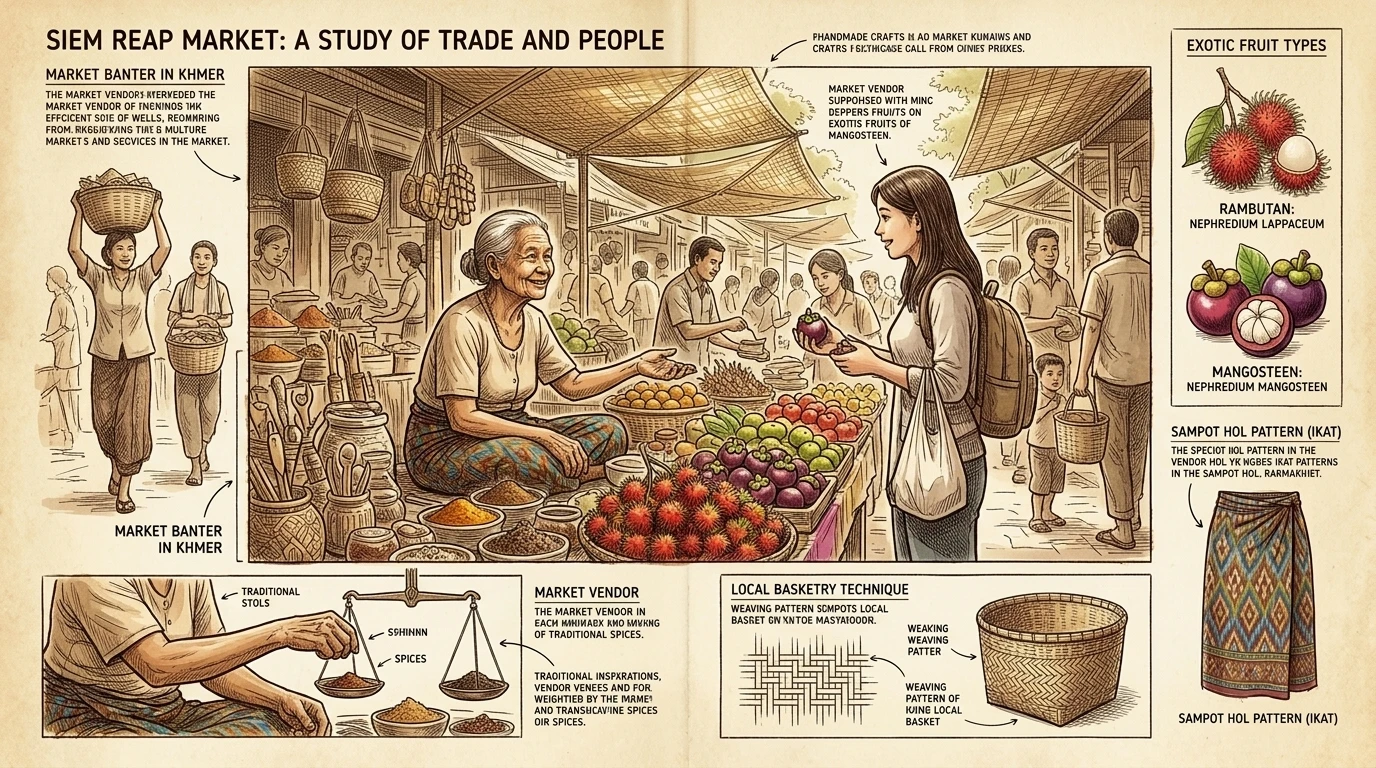
Siem Reap's vibrant markets overflow with the sights, sounds, and smells of Khmer life. Vendors hawk exotic fruits, fragrant spices, and handmade crafts, engaging in lively banter with locals and visitors alike. The markets offer a sensory feast, immersing visitors in the heart of Cambodian culture.
Travel Fact: The 'Old Market' (Phsar Chas) is one of Siem Reap's oldest and most popular markets, offering a wide array of local goods and souvenirs.
Page 5
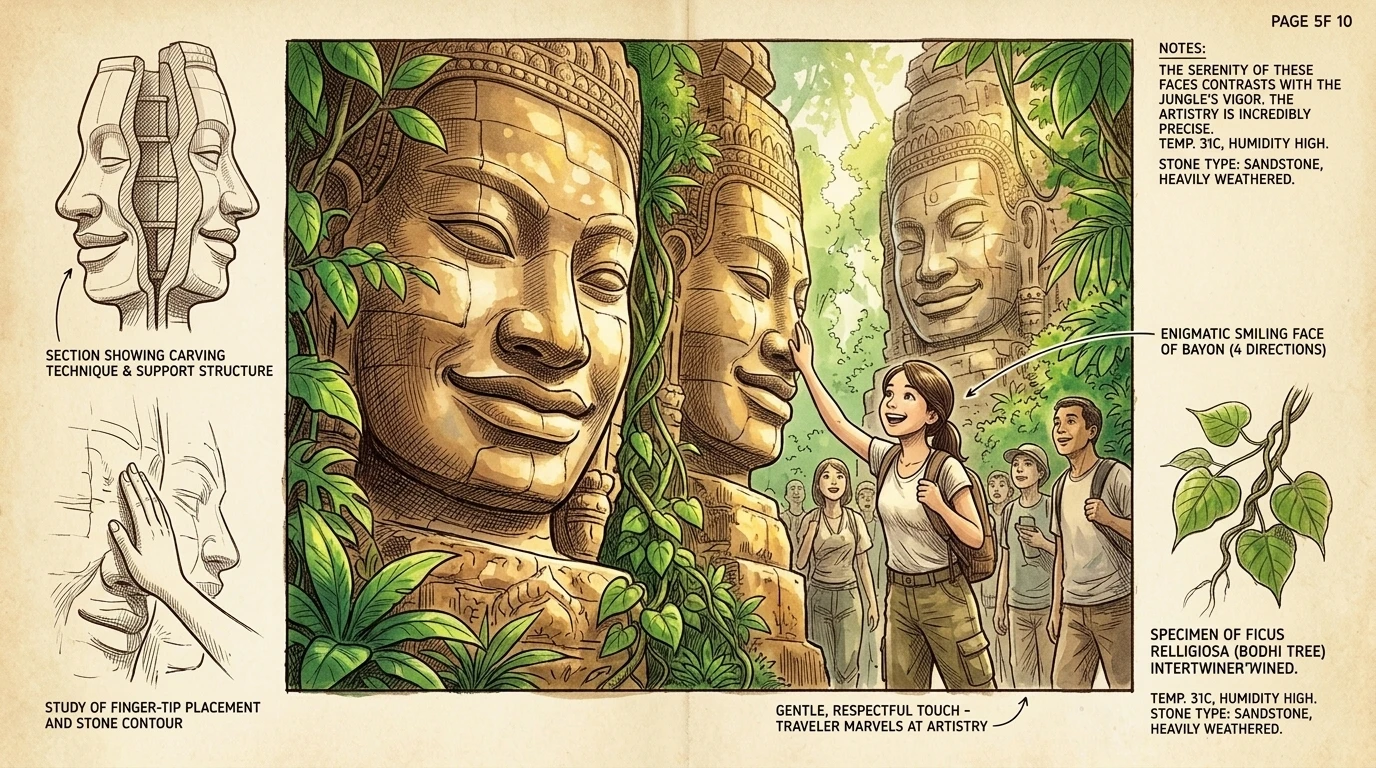
The Bayon Temple, adorned with hundreds of smiling stone faces, stands as a testament to the Khmer Empire's artistic prowess. Each face, serene and enigmatic, gazes out in four directions, representing the omnipresence of the king. The temple's intricate carvings and jungle setting create an atmosphere of mystery and wonder.
Travel Fact: The faces of the Bayon Temple are believed to represent King Jayavarman VII, one of the most powerful and influential rulers of the Khmer Empire.
Page 6
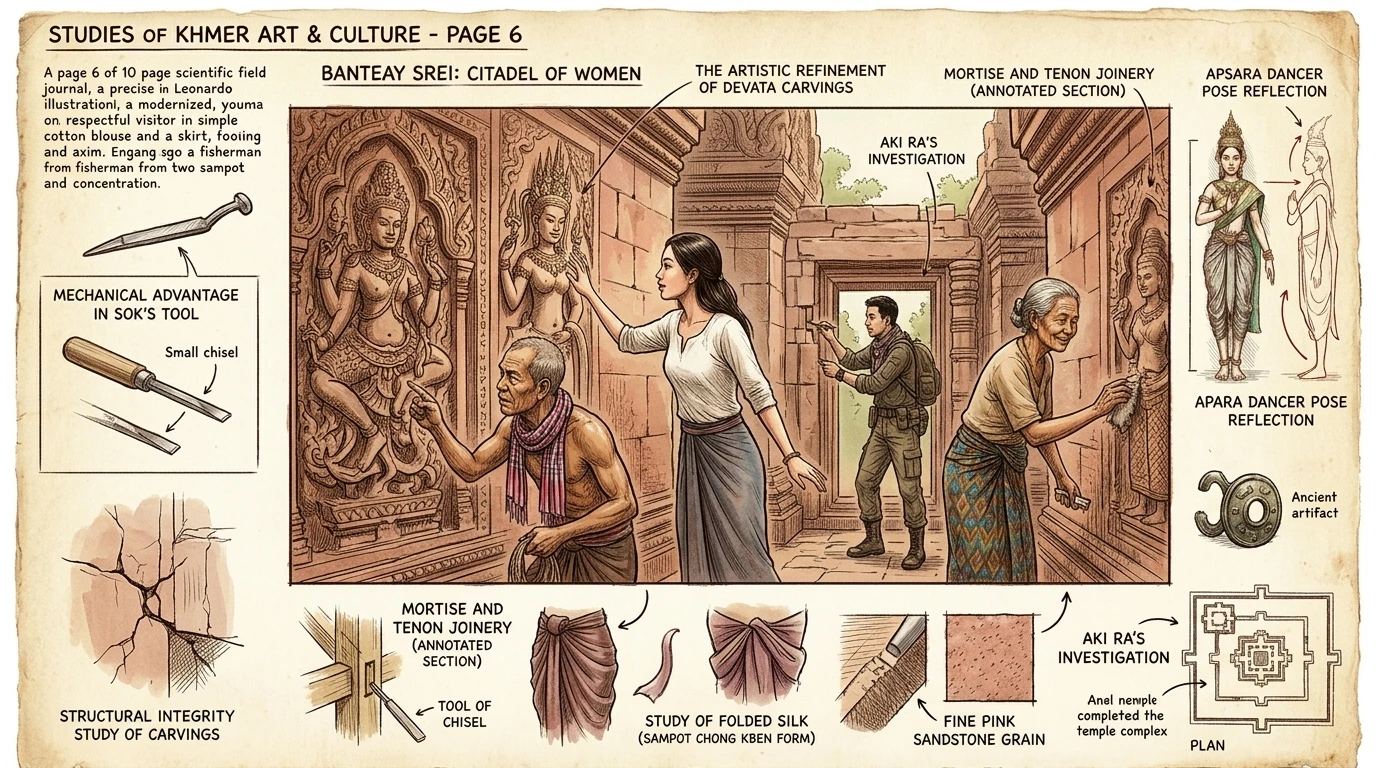
Banteay Srei, the 'Citadel of Women,' is renowned for its exquisite carvings and delicate pink sandstone. Intricate devata (female deity) carvings adorn the temple's walls, showcasing the Khmer Empire's artistic refinement. The temple's serene and spiritual ambiance provides a tranquil escape from the bustling crowds.
Travel Fact: Banteay Srei is considered a masterpiece of Khmer art, showcasing the empire's artistic skill and cultural refinement.
Page 7
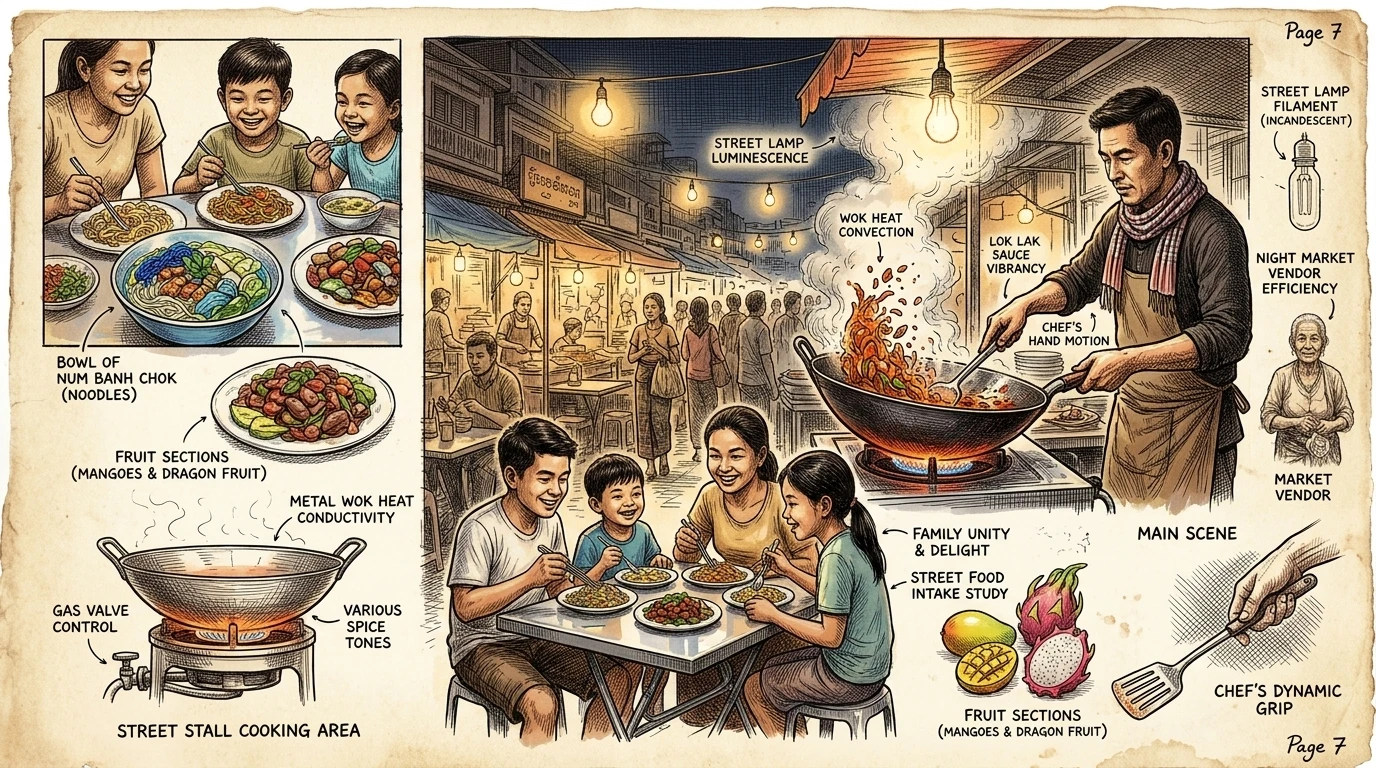
Khmer cuisine tantalizes taste buds with its blend of fresh herbs, aromatic spices, and unique flavors. Street food stalls offer a diverse array of dishes, from savory noodles to sweet treats, providing an authentic taste of Cambodian culture. The use of local ingredients and traditional cooking techniques creates a culinary experience that is both delicious and culturally rich.
Travel Fact: Lok Lak, a popular Khmer dish, features stir-fried beef with a flavorful sauce made from lime juice, black pepper, and Kampot pepper.
Page 8
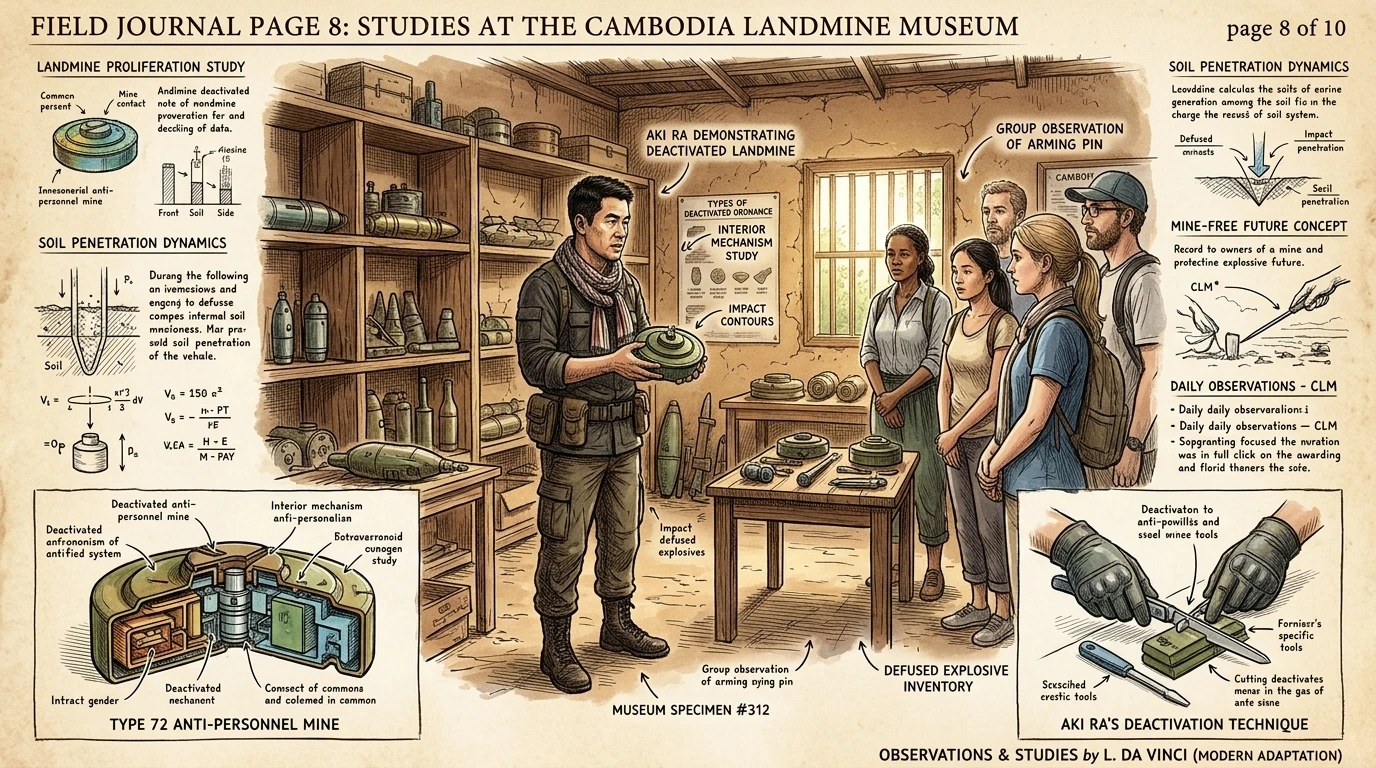
The Landmine Museum, founded by Aki Ra, a former child soldier, serves as a poignant reminder of Cambodia's war-torn past. The museum educates visitors about the devastating impact of landmines and the ongoing efforts to clear them. It stands as a testament to resilience and hope for a future free from the threat of these deadly weapons.
Travel Fact: Aki Ra, the museum's founder, has personally cleared thousands of landmines, saving countless lives and communities.
Page 9
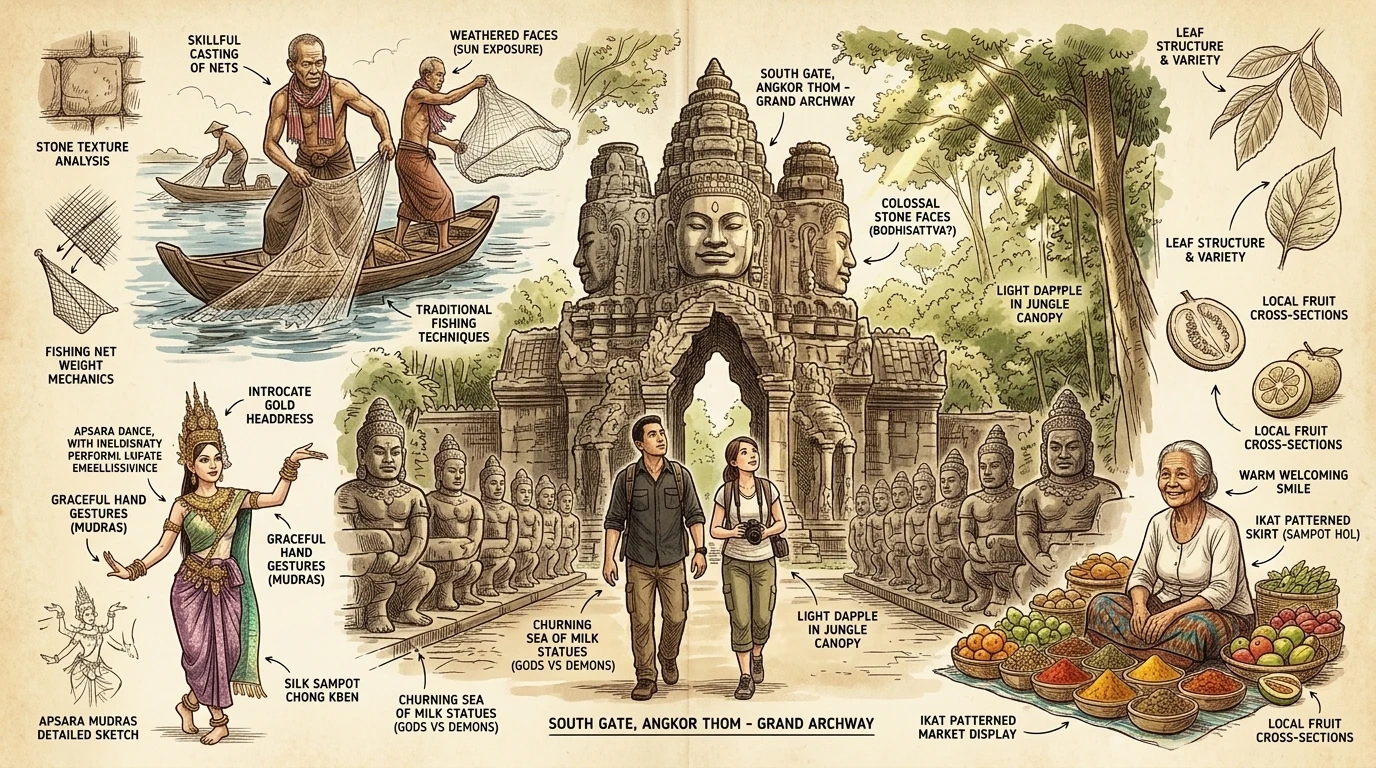
The South Gate of Angkor Thom, guarded by rows of imposing statues of gods and demons, marks the entrance to the ancient city. These statues, engaged in a tug-of-war, represent the cosmic balance between good and evil. Crossing the gate transports visitors back in time, offering a glimpse into the Khmer Empire's grandeur and mythology.
Travel Fact: The statues at the South Gate of Angkor Thom are believed to depict the Churning of the Sea of Milk, a Hindu creation myth.
Page 10
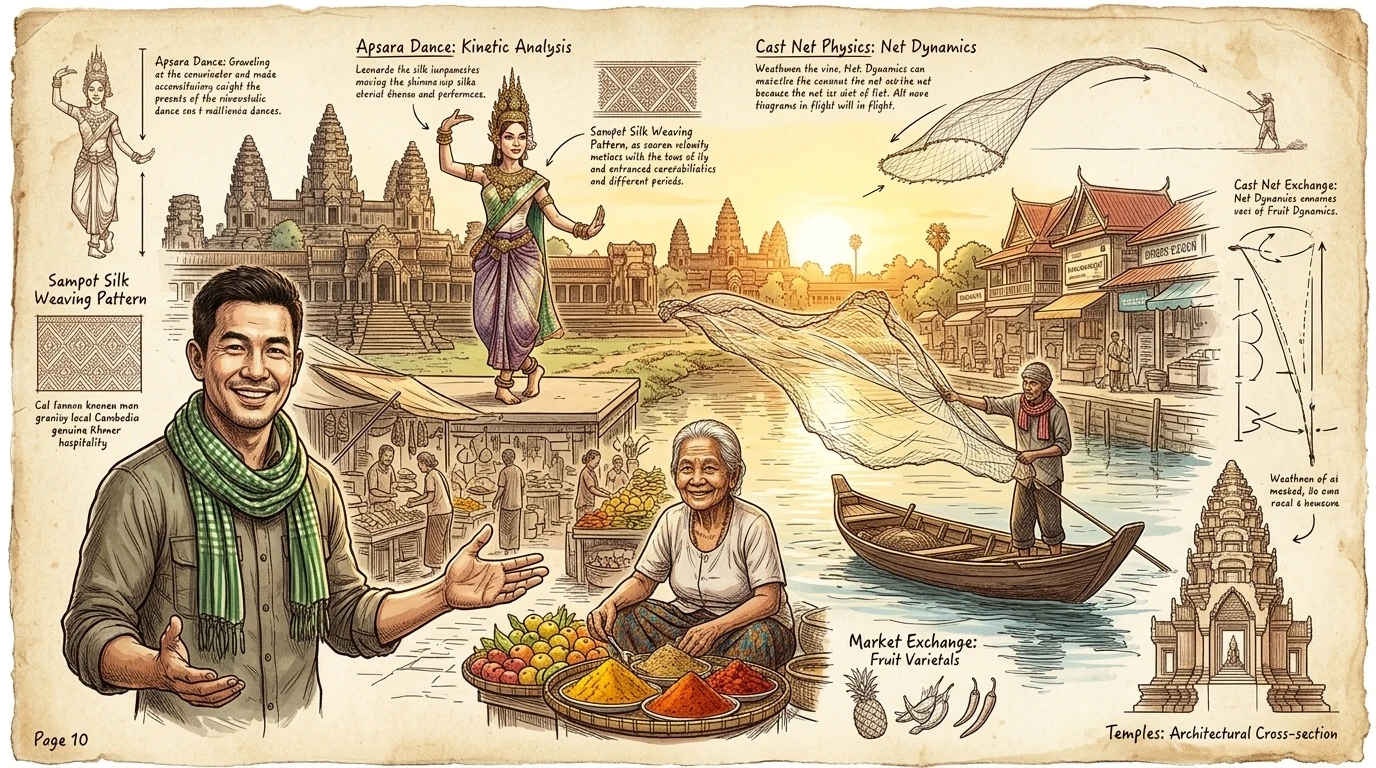
Siem Reap stands as a testament to Cambodia's rich cultural heritage, blending ancient wonders with the vibrant energy of modern life. The city's commitment to preserving its past while embracing the future makes it a truly unique and inspiring destination. Come witness the magic of Angkor and experience the warmth of Khmer hospitality.
Travel Fact: Siem Reap's dedication to preserving its cultural heritage has earned it recognition as a UNESCO World Heritage Site, ensuring its protection for future generations.
About this story
- Location: United States
- Audience: general readers
Questions and answers
Read Wonder Travel on your phone
Wonder Travel is available on Android. Get Wonder Travel on Google Play.